

THE PIPCUB BLOG · 656 ARTICLES
Stories behind the stories.
Reading orders, author guides, hand-picked lists and the surprising histories of the books we love.
Every article
409–432 of 656
 Authors · 4 min read
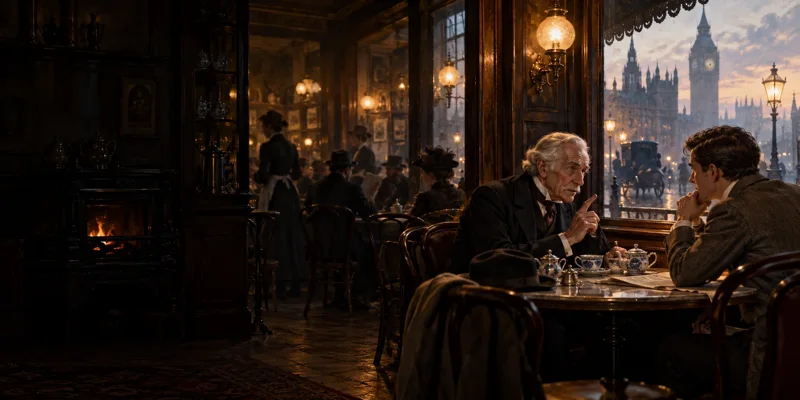
Did you know the creator of the Scarlet Pimpernel also invented an armchair detective?
Four years before the Scarlet Pimpernel reached the page, magazine readers knew Baroness Orczy for a pale, nervous old man in a London teashop who solved murders without leaving his seat.
 Reading time · 3 min read
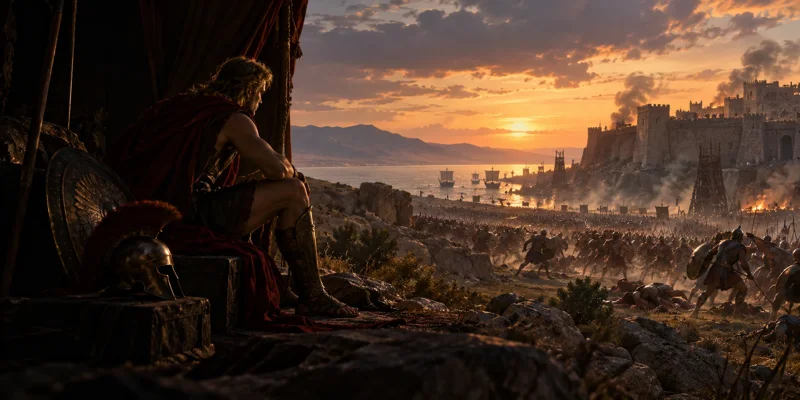
How long is The Iliad? A ten-year war in a few weeks and 15,693 lines
The Trojan War lasted ten years. The Iliad covers only a few weeks of it, yet it still runs to 15,693 lines of Greek. In our edition of Alexander Pope’s translation, that is about fourteen hours of reading.
 Did you know? · 3 min read
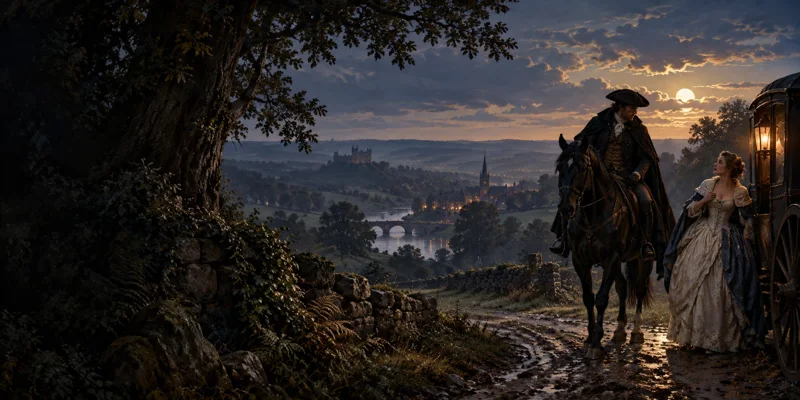
Did you know Georgette Heyer started her first novel at seventeen?
Before the Regency romances, before the detective novels, there was a highwayman story told aloud to a convalescent boy at the seaside. Its author was seventeen.
 Young readers · 4 min read
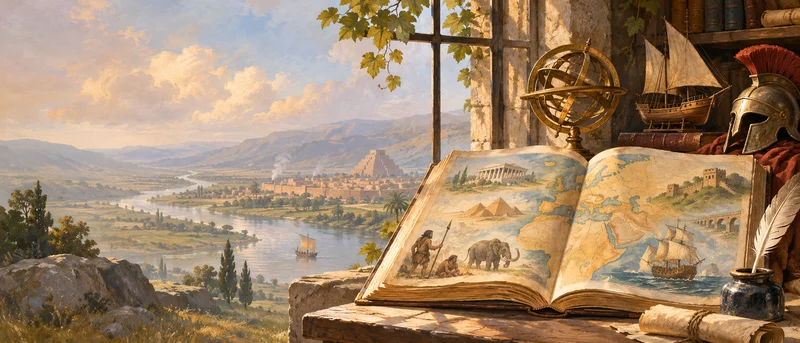
Did you know the first Newbery Medal went to a history book? Early Newbery winners
America’s most famous children’s book prize began with a vote of librarians, and their first choice was not a novel at all. The early Newbery winners make a surprising, rewarding shelf.
 Reading lists · 3 min read
Swashbuckling classics for when you need a sword fight
Some evenings call for a hero who laughs at danger, a villain with a rapier and an escape over the rooftops. These are the swashbuckler novels that invented all three.

 Books on screen · 4 min read
Dracula on screen: from Nosferatu onward
The vampire most of us picture, suave, caped and darkly handsome, is not the one Bram Stoker wrote. A century of Dracula movies built him, one actor at a time.
 Did you know? · 4 min read
Did you know Hume said his Treatise “fell dead-born from the press”?
David Hume was twenty-seven when his first book appeared, and he expected it to change philosophy. Almost nobody noticed. Nearly forty years later he summed up its fate in five words that have outlived most reviews: it fell dead-born from the press.
 Authors · 4 min read
R. Austin Freeman, the doctor who invented the inverted mystery
Almost every episode of Columbo shows you the murder before the detective arrives. The idea was not new. A London doctor tried it in a magazine story more than half a century earlier, and called the result an experiment.
 Series & reading order · 4 min read
Cousin Bette and Cousin Pons: Balzac’s Poor Relations pair explained
Near the end of his life Balzac wrote two novels about the relations nobody wants at dinner, one a woman and one a man. Here is how Cousin Bette and Cousin Pons fit together, which to read first, and why the second is the one people miss.
 Did you know? · 4 min read
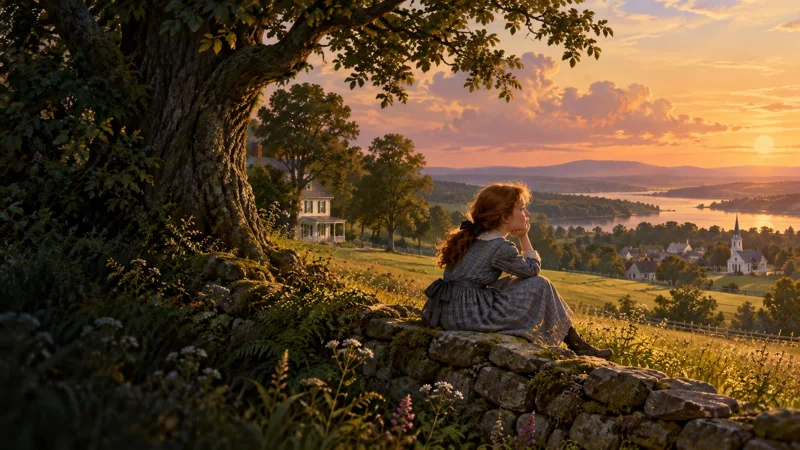
What Katy Did: the story behind the title
The title of What Katy Did is a pun on an insect. Susan Coolidge explains it on the very first page, and the joke turns out to say a good deal about the book.
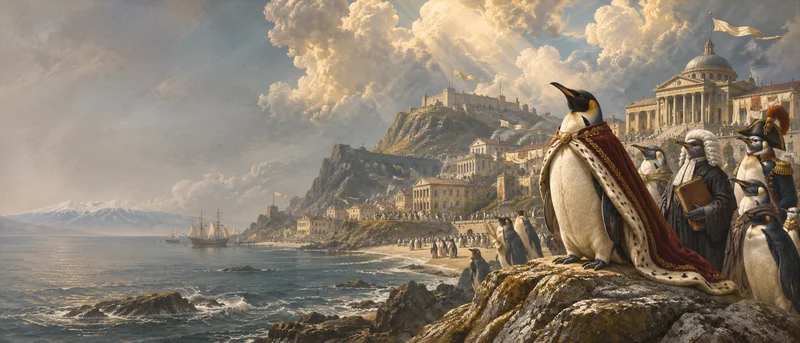
 Reading lists · 4 min read
Classic novels set in imaginary countries, from Ruritania to Penguin Island
None of these countries is on any map, and every one of them was invented for a reason: to satirise a nation, to rescue a prince, to hide a sermon or to make a king out of an Englishman. Seven classic novels, seven made-up lands.

 Literary history · 4 min read
Who collected the fairy tales? Grimm, Andersen and Lang
Three names sit on the spines of the great fairy-tale books, and each did a different job. The Grimms gathered stories from the people around them, Andersen wrote most of his own, and Andrew Lang, by his own cheerful admission, mainly supervised his wife.

 Did you know? · 4 min read
Lud-in-the-Mist: the forgotten fantasy classic reprinted without its author’s permission
Lud-in-the-Mist sold modestly in 1926 and then vanished for decades. It came back in a cheap American paperback whose editor could not find out whether its author was alive. She was, and she lived to see it read again.
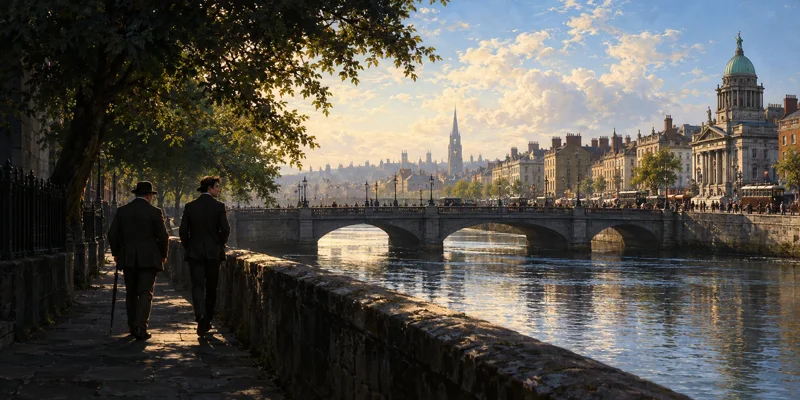
 How to read · 4 min read
How to read Ulysses without giving up
Ulysses has a reputation as the hardest novel in English. It is also one of the funniest, warmest and most human. With a little preparation and the right expectations, you can read it, enjoy it and finish it, perhaps in time for Bloomsday.
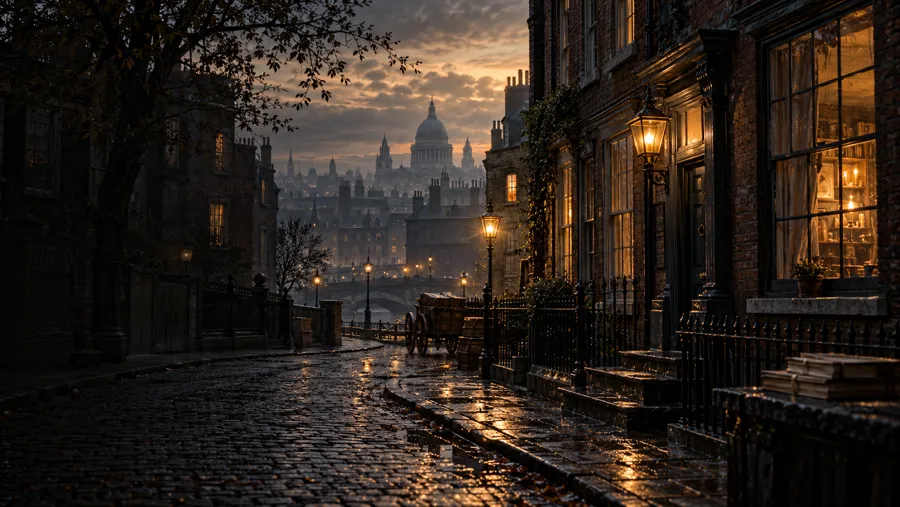
 Authors · 4 min read
George Gissing: the novelist of money and writers
His characters count every shilling, because Gissing did too. The Victorian novelist who wrote most honestly about writing for a living sold his best book outright and watched it go into a second printing without him.

 Reading lists · 3 min read
Classic novels about ambition: climbers, strivers and self-made men
The nineteenth century invented the modern career, and its novelists could not stop writing about young men and women who wanted more. These are the classic novels about ambition, and none of them is simple about it.
 Did you know? · 4 min read
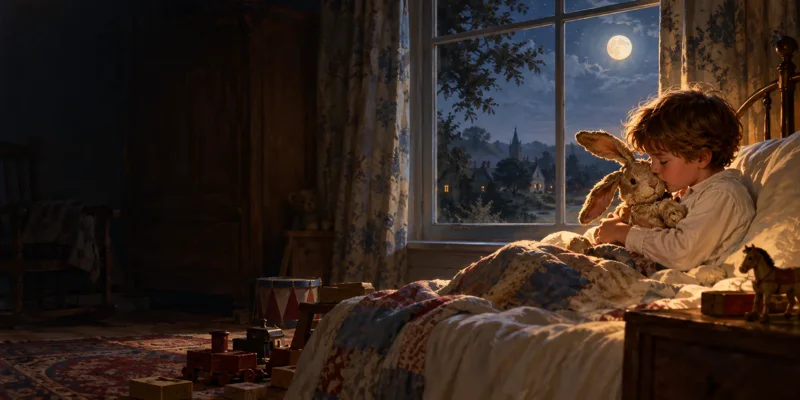
The Velveteen Rabbit: the story behind “becoming Real”
The most famous speech in The Velveteen Rabbit is given by a balding toy horse. Both the horse and the rabbit came out of Margery Williams’s own nursery, and out of the stories she told her children.

 Series & reading order · 3 min read
Father Brown books in order: G. K. Chesterton’s priest detective
A shabby little Catholic priest with an umbrella and a moon face, whom everyone underestimates. G. K. Chesterton’s Father Brown solves crimes not by measuring footprints but by understanding sin, and his stories are some of the cleverest ever written.
 Did you know? · 4 min read
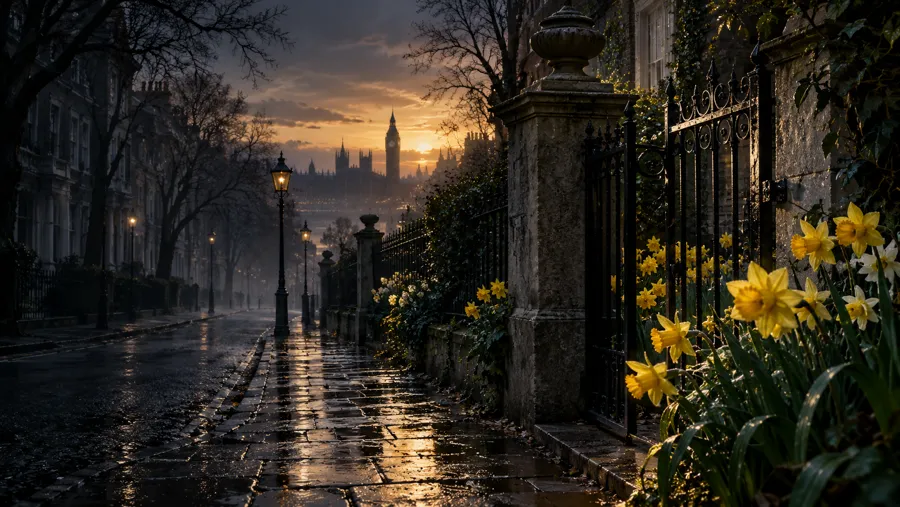
Did you know the author of The Daffodil Mystery worked on King Kong?
The King of Thrillers spent the last weeks of his life drafting a screenplay about a giant ape. How much of it reached the screen is still argued over, but his name opens the film.
 Authors · 5 min read
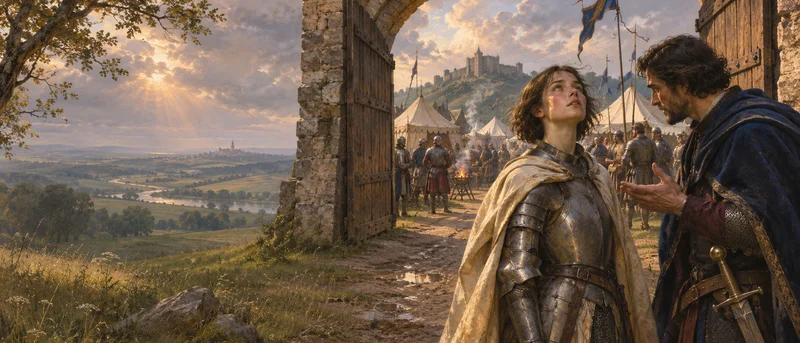
Did you know George Bernard Shaw was the first person to win a Nobel Prize and an Oscar?
A Nobel Prize for a lifetime of plays, then an Academy Award for a film script he wrote in his eighties. George Bernard Shaw was the first person to collect both, and three of his plays explain how.

 Young readers · 4 min read
Books like Anne of Green Gables: the talkers, dreamers and sent-away girls
Anne Shirley was not the first talkative, imaginative girl to be sent to live with relatives who had wanted someone else. Here are the books that came before and after her, and what each one offers an Anne fan.

 Reading lists · 3 min read
Classic autobiographies and memoirs, from Augustine to Elizabeth Cady Stanton
The great classic autobiographies are rarely tidy life stories. They are confessions, arguments and survival stories, written by people who needed the world to understand one thing about them.

 Books on screen · 4 min read
Frankenstein’s creature can talk: the book vs. the films
The flat-headed giant who groans and staggers is the film’s invention. Mary Shelley’s creature reads Milton, argues like a philosopher and speaks in long, furious, heartbreaking paragraphs.

 Did you know? · 4 min read
The Blue Lagoon: the novel behind the film
The 1980 film was so lush that it helped confirm the existence of a rare lizard. The 1908 novel behind it is stranger, sadder and far more interested in the sea than any of its screen versions.