Matthew and Marilla Cuthbert asked the orphanage for a boy and got Anne. Five years earlier, in 1903, two unmarried sisters in a brick house in Maine had asked for their sensible eldest niece, Hannah, and got her chattering, poem-writing younger sister instead. The niece explains it herself, on the stagecoach, to the driver.
Aunt Miranda wanted Hannah to come to Riverboro instead of me, but mother couldn’t spare her; she takes hold of housework better than I do, Hannah does.
Kate Douglas Wiggin, Rebecca of Sunnybrook Farm (1903)
That is Rebecca Randall, and her book is the obvious first answer for anyone looking for books like Anne of Green Gables. But it is not the only one. Between 1872 and 1923, American and Canadian writers produced a whole shelf of novels about bright, difficult girls who talk too much, feel too much and slowly win over the adults around them. Six of the best are below, with honest notes on which ones suit which reader.
The sent-away girls
Anne’s story has a shape that readers love: a child arrives somewhere she is not quite wanted, and by the end the place cannot imagine itself without her. These four books share it.
Rebecca of Sunnybrook Farm
1903. Rebecca is sent to her aunts in Riverboro, one stern and one kind, to help her poor family. The closest book to Anne in spirit and the best first choice. Ages 9 and up.
Pollyanna
1913. An eleven-year-old orphan goes to live with her rich, cold Aunt Polly in Vermont and plays the “glad game” with the whole town. Sunnier than Anne, and more of a fable. Ages 8 and up.
Understood Betsy
1917. Timid, over-protected Elizabeth Ann is packed off to her farming cousins in Vermont and learns to do things for herself. Short, funny and wise. Ages 7 to 10.
Emily of New Moon
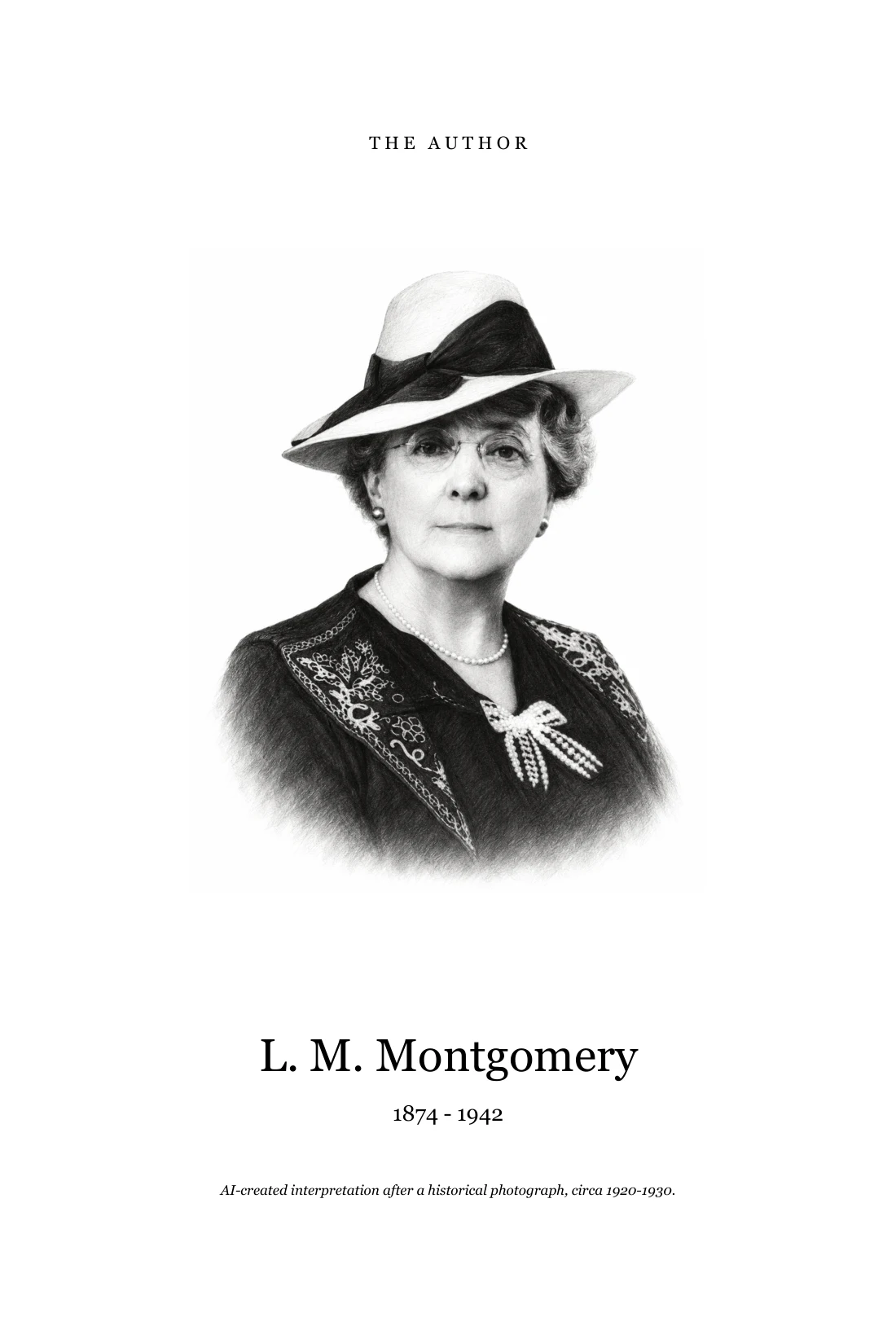
1923. L. M. Montgomery’s other orphan: Emily Starr, sent to her proud aunts at New Moon Farm, who wants above all to be a writer. Darker and more inward than Anne. Ages 11 and up.


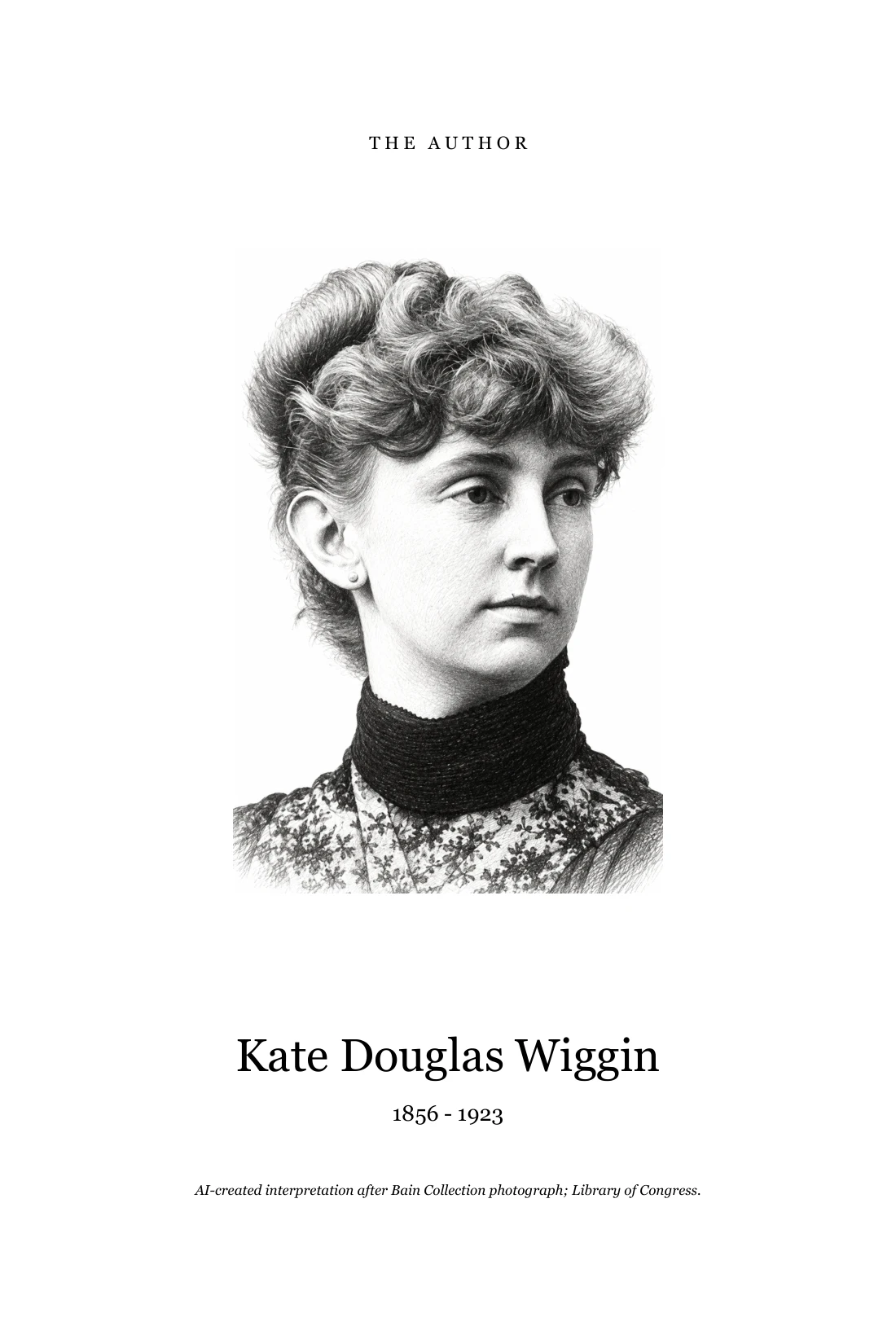
Kate Douglas Wiggin’s Rebecca is the most like Anne in voice: imaginative, quick-tempered, given to grand words, and saddled with a guardian in Aunt Miranda who is every bit as forbidding as Marilla at the start. Its humour is gentler and its plot looser, and it ends with Rebecca on the edge of adulthood rather than settled in a sequel-ready Avonlea. Read more in Rebecca of Sunnybrook Farm.
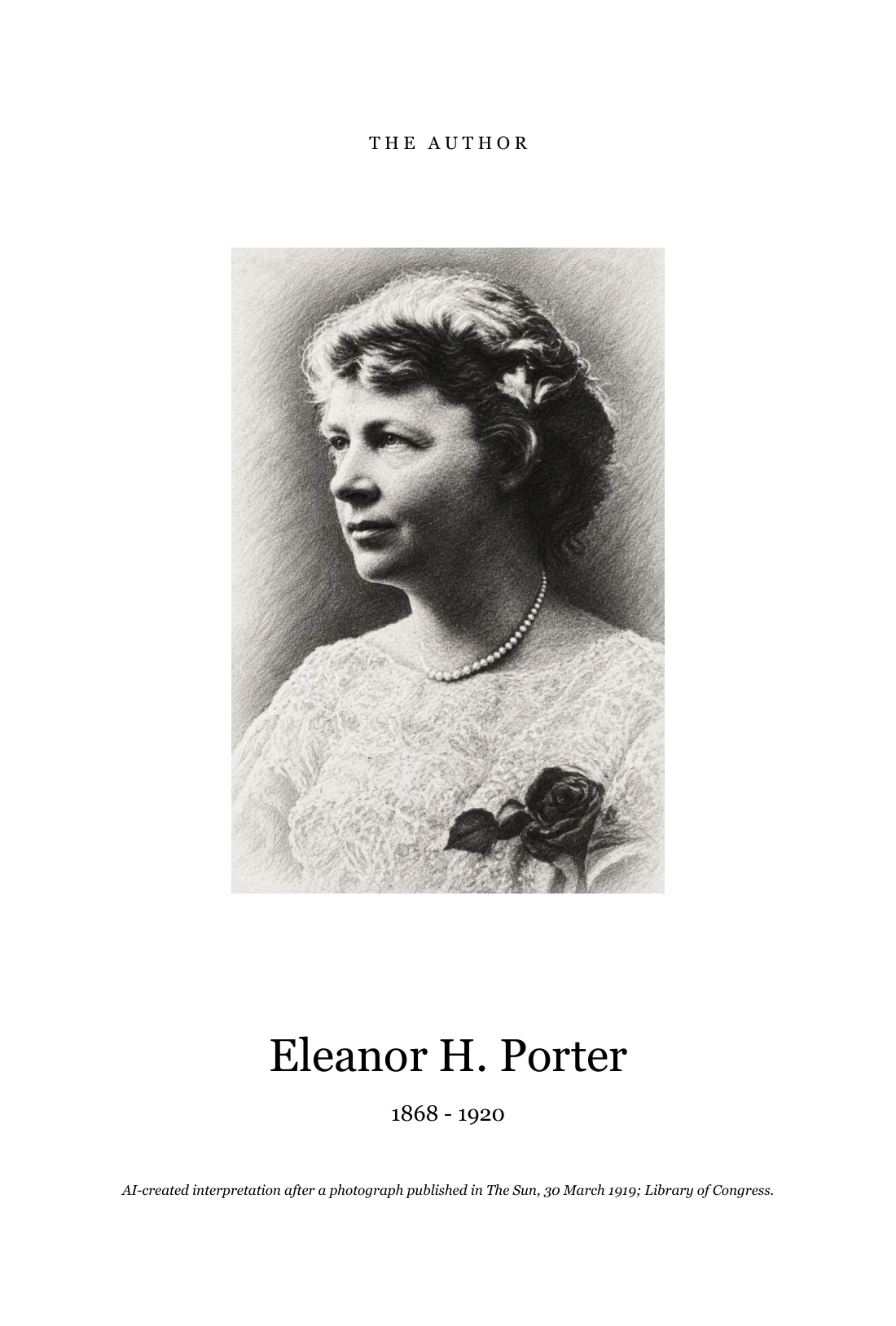
Eleanor H. Porter’s Pollyanna is so famous that its heroine’s name became a word for blind optimism, which is unfair to the book. Pollyanna’s “glad game” began, she explains, when a missionary barrel brought her a pair of crutches instead of the doll she wanted, and her father taught her to be glad she didn’t need them. Parents should know that later in the book she is hit by a car and loses the use of her legs; the ending is a hopeful one.
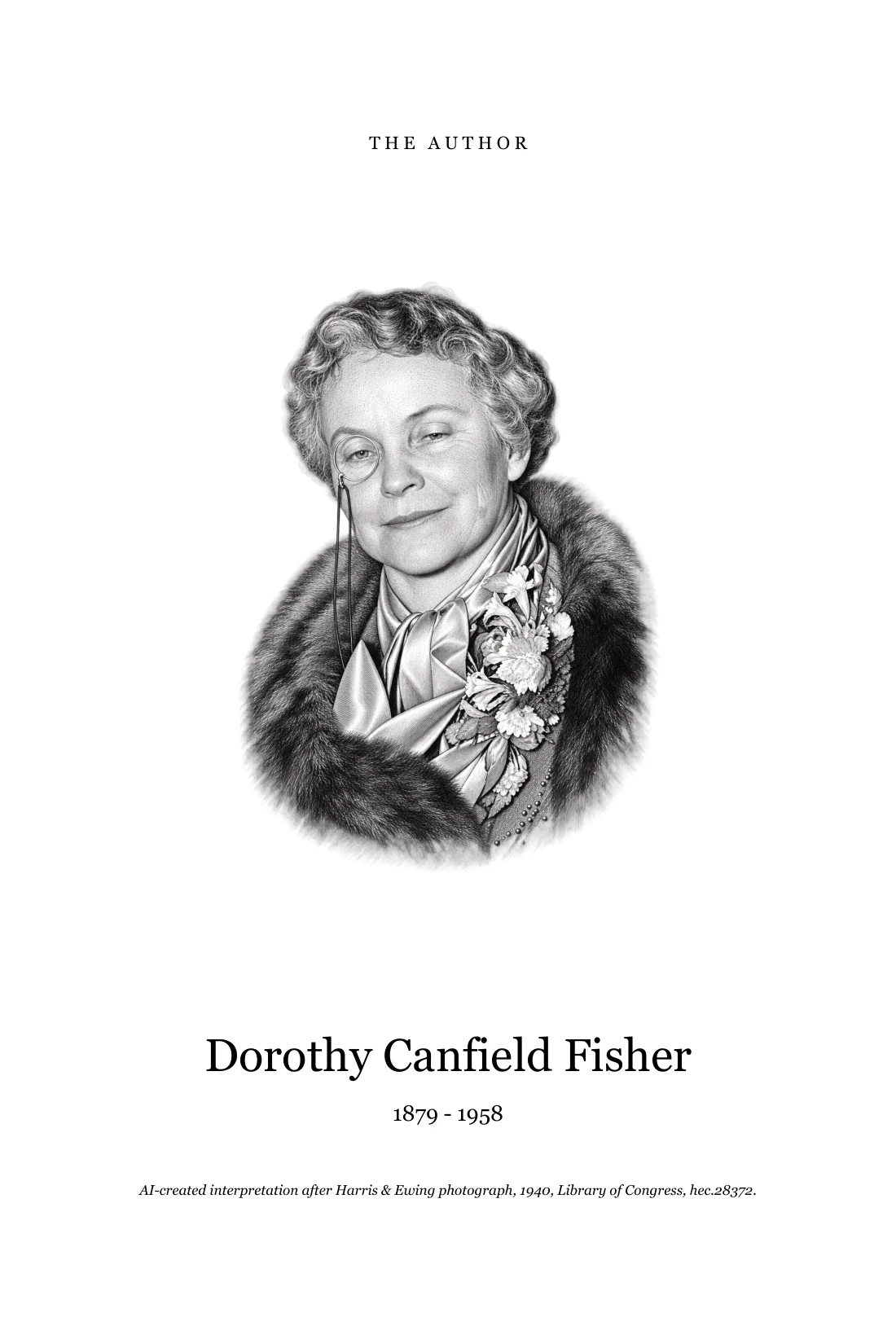
Understood Betsy by Dorothy Canfield Fisher is the book here for the youngest readers, and the best for a child of seven or eight who loved hearing Anne read aloud. Canfield Fisher had studied Maria Montessori’s schools in Rome, and it shows: the joy of the book is a child discovering she can cook, solve a problem and walk to school on her own. More in Understood Betsy and Montessori.
The girls who wanted to be grand
Anne is not only an orphan; she is a dreamer who wants to be good and beautiful and keeps getting it wrong. These two books share that side of her.
What Katy Did
1872. Twelve-year-old Katy Carr means to do something grand and keeps getting into scrapes, until a fall from a forbidden swing changes everything. Ages 8 to 11.
A Girl of the Limberlost
1909. Elnora Comstock pays her own way through high school by collecting moths in an Indiana swamp, while her mother blames her for her father’s death. Ages 12 and up.


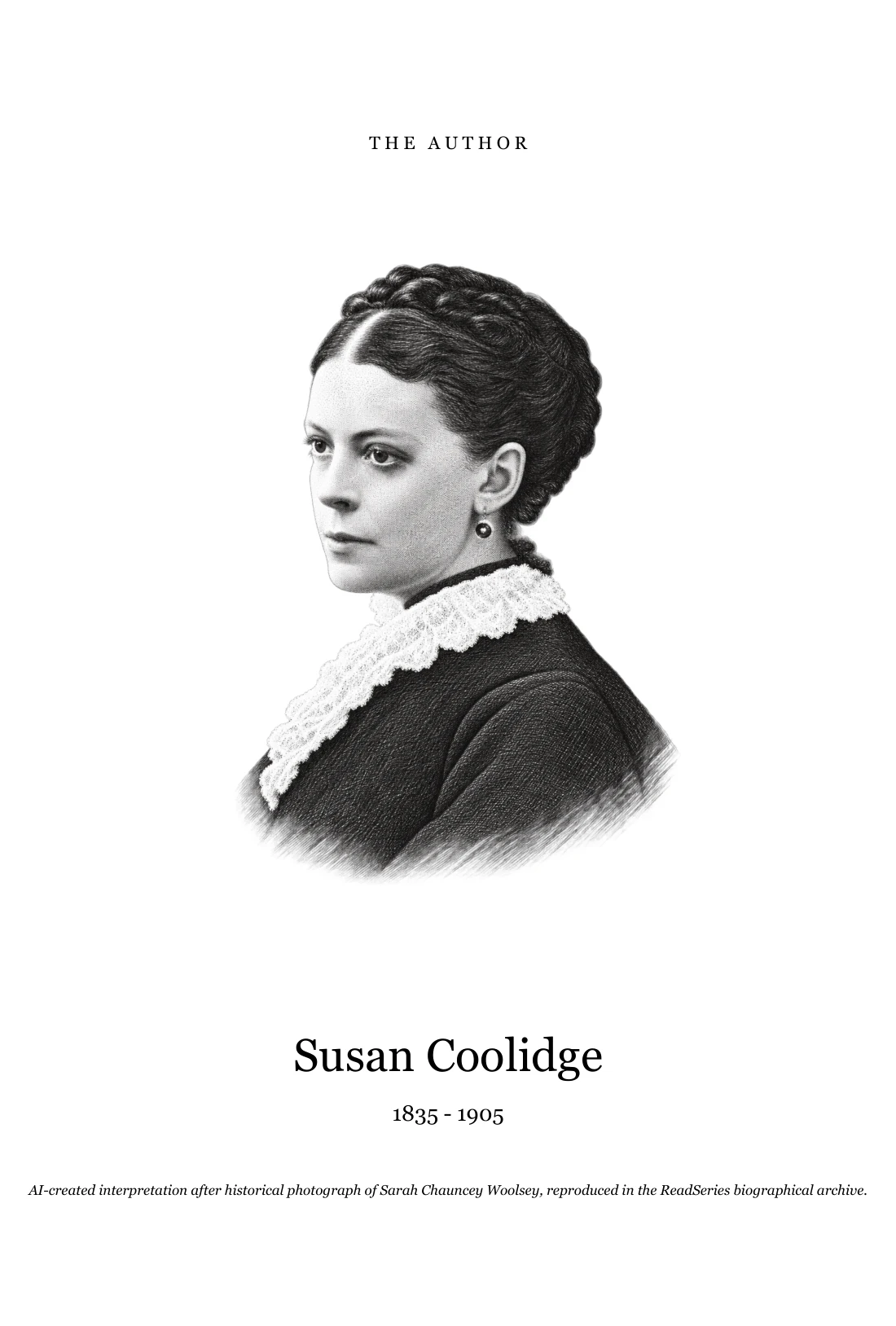
Susan Coolidge’s What Katy Did is older than Anne by more than thirty years, and Coolidge modelled Katy on her own childhood self. The first half is all mischief; the second, after Katy injures her spine, is about her years as an invalid and the patience she learns in what her saintly Cousin Helen calls “The School of Pain”. Some modern readers find that half preachy, but many children are gripped by it. See What Katy Did for more.
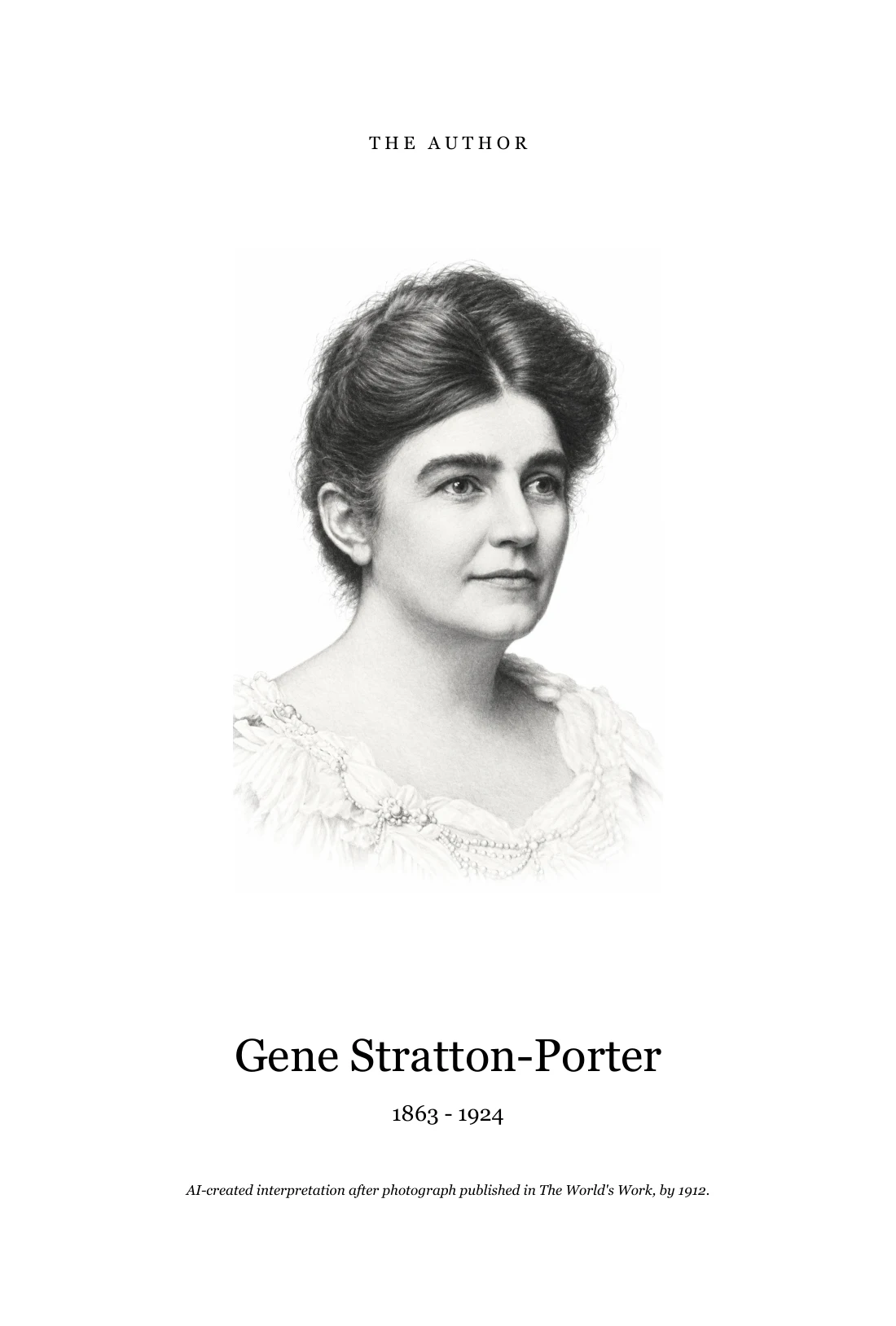
Gene Stratton-Porter’s A Girl of the Limberlost is the book for an Anne fan of twelve or thirteen who loved Anne of the Island and wants something with more weight. Elnora is clever, poor and ashamed of her clothes, and her mother’s coldness is hard to read; she blames Elnora because her husband drowned in the swamp while she was giving birth. There is a romance in the second half. It is also a love letter to a wetland that was being logged and drained even as Stratton-Porter wrote. More in Gene Stratton-Porter and the Limberlost.
Books like Anne of Green Gables: where to start
- For a reader who wants the same voice: Rebecca of Sunnybrook Farm.
- For a younger child, seven to nine: Understood Betsy or What Katy Did.
- For a reader who wants more Montgomery after the Anne books: Emily of New Moon.
- For a teenager who wants something deeper: A Girl of the Limberlost.
- For pure comfort: Pollyanna, tissues within reach.
And if they have not finished Anne herself, there are seven more Anne books waiting, and plenty more in L. M. Montgomery beyond Anne.
Start with Rebecca of Sunnybrook Farm. Within a chapter of the stagecoach ride, any Anne fan will feel they have met a kindred spirit, and Rebecca would certainly have agreed.
Questions readers ask
What books are similar to Anne of Green Gables?
Books like Anne of Green Gables include Rebecca of Sunnybrook Farm, Pollyanna, Understood Betsy, What Katy Did, A Girl of the Limberlost and L. M. Montgomery’s own Emily of New Moon.
Is Rebecca of Sunnybrook Farm like Anne of Green Gables?
Very. Published five years before Anne, it follows an imaginative, talkative girl sent to live with two aunts, one stern and one kind, who are slowly won over. The tone is gentler and the plot more episodic.
What should I read after the Anne of Green Gables series?
Many readers go on to Montgomery’s Emily of New Moon, which she considered closer to her own personality, or to A Girl of the Limberlost and Rebecca of Sunnybrook Farm.
What age is Pollyanna suitable for?
Pollyanna suits readers of about eight and up, and works well as a read-aloud. Later in the book Pollyanna is hit by a car and cannot walk, which may upset younger children, though the ending is hopeful.