

THE PIPCUB BLOG · 656 ARTICLES
Stories behind the stories.
Reading orders, author guides, hand-picked lists and the surprising histories of the books we love.
Every article
361–384 of 656
 Literary history · 4 min read
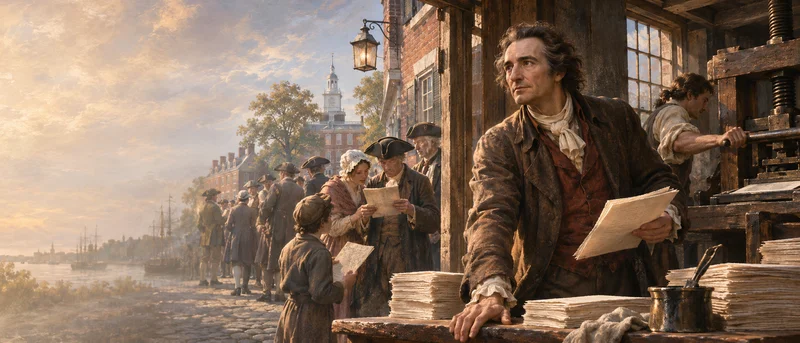
The books behind the American Revolution, from Locke to the Federalist Papers
The American Revolution was argued on paper before and after it was fought. Four books, none of them long, show how a colonial quarrel became a new kind of country.
 Did you know? · 4 min read
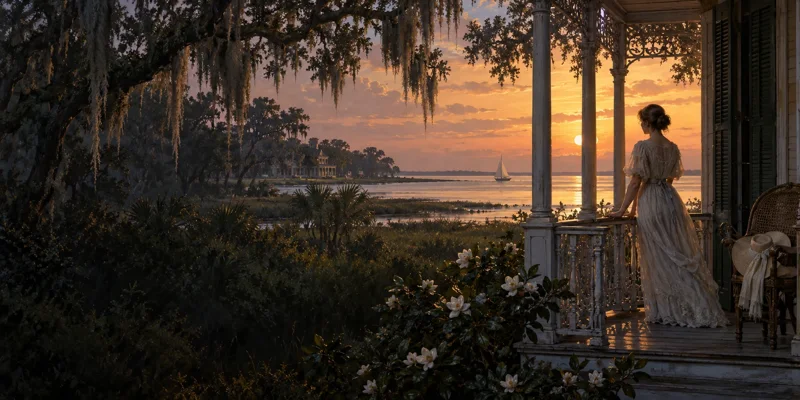
Did you know The Awakening was Kate Chopin’s last novel?
In 1899 Kate Chopin was a respected writer of Louisiana stories. Then she published a novel about a married woman who wants her own life, and she never published another.
 Reading time · 3 min read
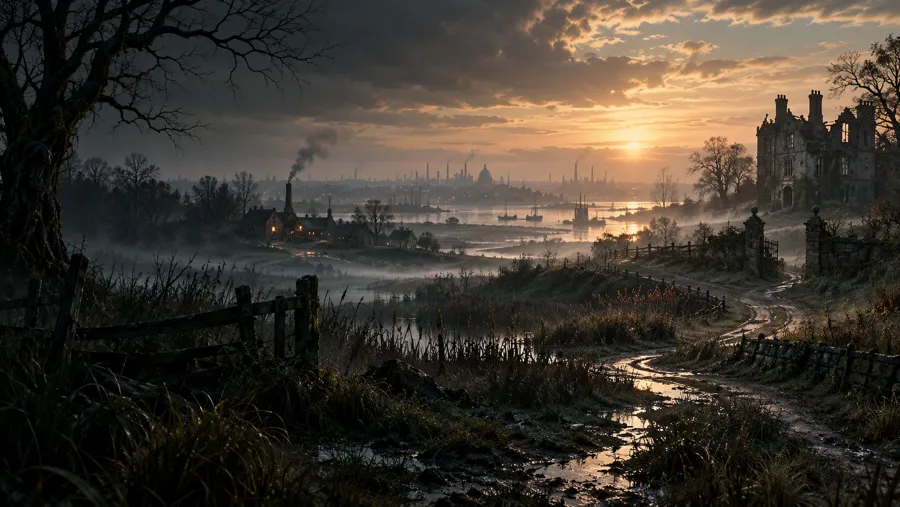
How long is Great Expectations? Thirty-six weekly parts in three stages
Dickens wrote Great Expectations in a hurry to rescue a struggling magazine, in weekly parts of about a quarter of an hour each. Taken whole, our 532-page edition is around eleven hours.
 Did you know? · 4 min read
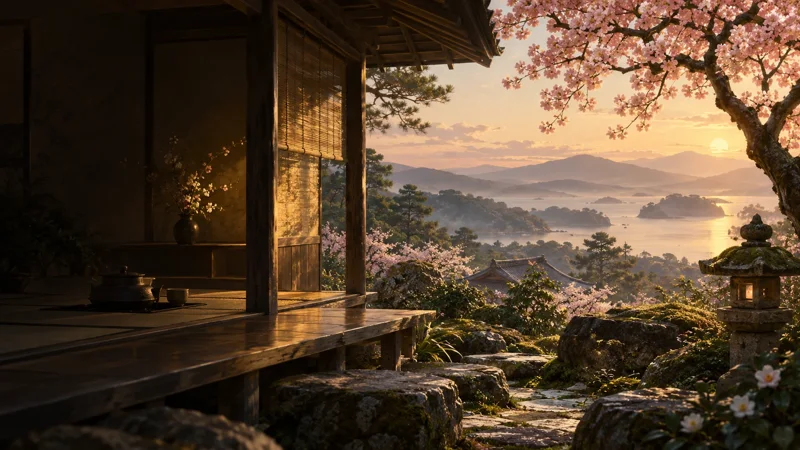
The Book of Tea: a whole philosophy in a teacup
In 1906 a Japanese art scholar living in Boston published a short book about making tea. It turned out to be about almost everything else: art, flowers, architecture, Taoism, Zen and how to die.
 Young readers · 4 min read
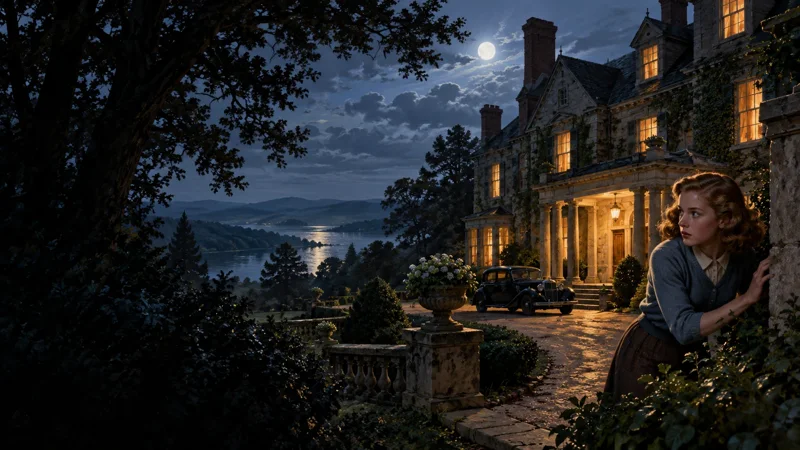
The Secret of the Old Clock: the first Nancy Drew mystery
The first Nancy Drew book is The Secret of the Old Clock, published in April 1930. The name on its cover, Carolyn Keene, belonged to nobody at all, and the girl inside it was bolder than most readers today have met.
 Reading lists · 4 min read
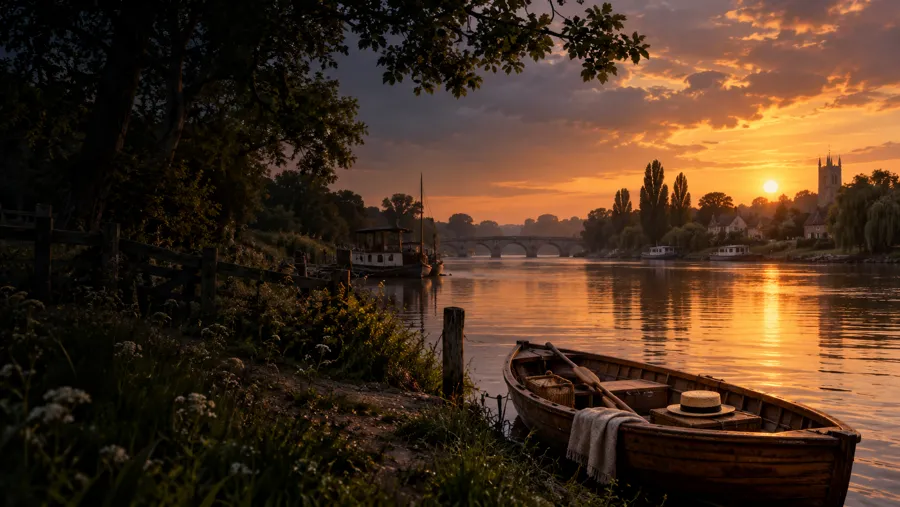
Classic summer reads for the summer you were promised
Several of the sunniest books ever written were born on wet afternoons. These summer reading classics give you the long light, the open water and the lazy days, whatever the sky outside is doing.
 Books on screen · 5 min read
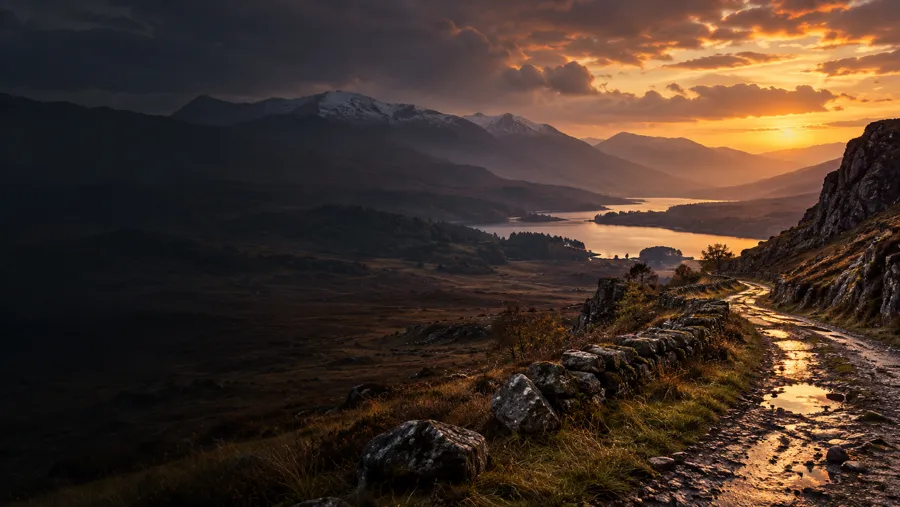
The Thirty-Nine Steps: book vs. Hitchcock
John Buchan wrote a lean, all-male chase across Scotland. Alfred Hitchcock kept the chase and threw out nearly everything else. Comparing the two shows how a great thriller is built, twice.
 Authors · 5 min read
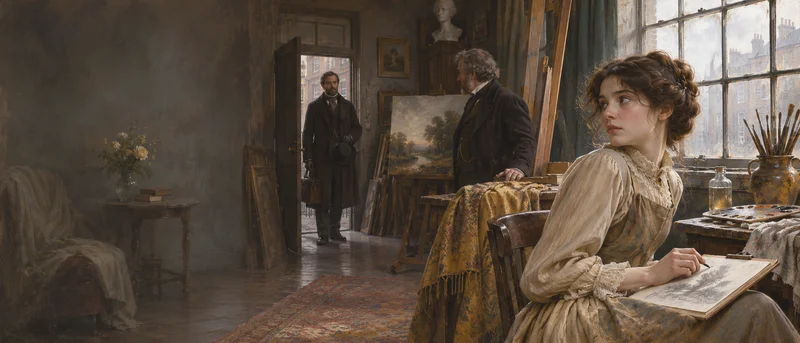
Wilkie Collins before The Woman in White: Hide and Seek and The Dead Secret
A deaf circus foundling, a dying lady’s confession and a locked room in a Cornish house. Wilkie Collins was rehearsing for The Woman in White for most of the 1850s, and the rehearsals are well worth seeing.
 Series & reading order · 4 min read
What comes after The Three Musketeers? The d’Artagnan Romances explained
The Three Musketeers is the first third of a story that runs for nearly fifty years and well over a thousand pages. The rest of it contains the Man in the Iron Mask, and one of Robert Louis Stevenson’s favourite books.
- Did you know? · 3 min read
Did you know Carolyn Keene was never a real person?
The name on every Nancy Drew cover belongs to nobody. Carolyn Keene was a house pseudonym, and the story of who really wrote Nancy Drew is almost as good as one of her mysteries.
 Reading lists · 4 min read
Golden Age detective novels to start with
A body in the library, a closed circle of suspects and a detective who invites everyone into the drawing room: the Golden Age of detective fiction gave us the whodunit as we know it. Here is where to begin.
 Did you know? · 4 min read
Did you know Daddy-Long-Legs is told almost entirely in letters?
An orphan is sent to college by a man she has never met, on one condition: she must write to him every month, and he will never write back. The result is one of the liveliest novels in letters ever published.

 Authors · 4 min read
Did you know Mark Twain’s pen name comes from his years as a riverboat pilot?
“Mark twain” was a cry Samuel Clemens heard a thousand times on the Mississippi, the leadsman’s shout that the water was two fathoms deep. When the river career ended, he kept the phrase and made it the most famous pen name in American letters.
 Did you know? · 3 min read
Did you know All Quiet on the Western Front was burned by the Nazis?
In 1929 Erich Maria Remarque’s novel of ordinary soldiers in the trenches became one of the best-selling books in the world. In 1933 German students threw it onto a bonfire, and its author never lived in Germany again.
 Reading lists · 4 min read
Classic mystery novels for beginners: a reading ladder from Holmes to Sam Spade
You do not need to know the rules of the detective story to enjoy one. These classic mysteries for beginners teach you the rules as you go, and every one keeps its secret until the final pages.
 Series & reading order · 4 min read
Five Little Peppers books in order
A widowed mother, five hungry children, a stove that won’t behave and a little brown house where nobody ever stops trying: the Peppers were supposed to end with the fourth book. Readers would not let them go.
 Did you know? · 4 min read
Did you know 1066 and All That claims there are only two memorable dates?
Originally there were four dates. Then research at a cricket match revealed that two of them were not memorable, and the authors of England’s silliest history book cut them.
 Authors · 4 min read
Where to start with E. M. Forster
E. M. Forster published his fifth novel, A Passage to India, in 1924. He lived for another forty-six years and never published a sixth. The shelf is short, which makes choosing where to begin all the more important.
 Literary history · 4 min read
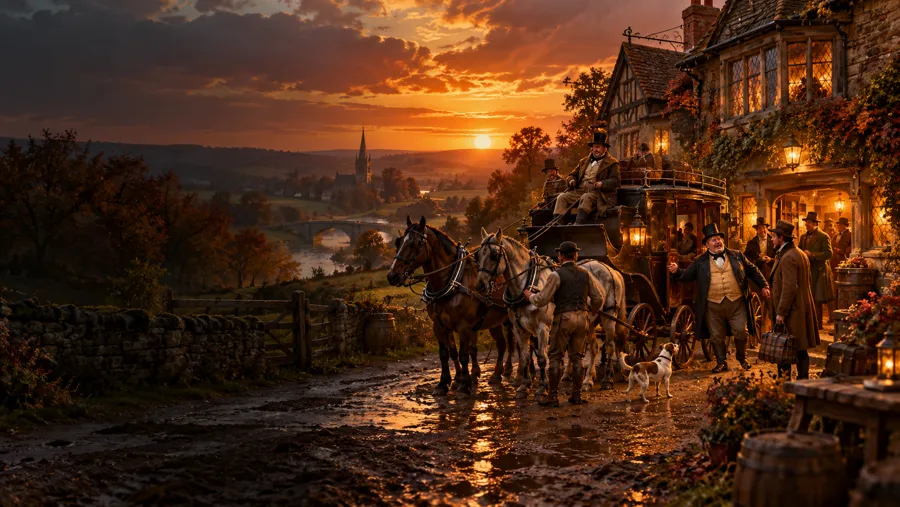
Did you know many great Victorian novels first came out in instalments?
Many of the great Victorian novels were not born as fat books. They first reached their readers in thin weekly or monthly instalments, read aloud at the fireside, argued over at work and waited for with real impatience. That rhythm shaped how they were written.
 Did you know? · 3 min read
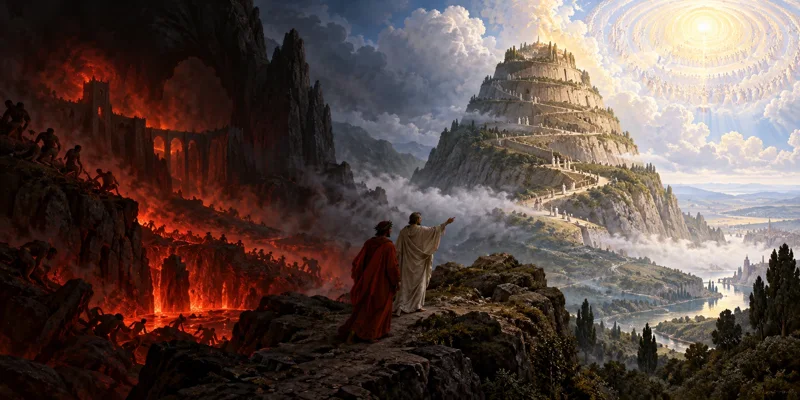
Why is Dante’s Divine Comedy called a comedy?
A poem that starts in Hell and features some of the most terrifying scenes in literature is called a comedy. It is not a joke — it is a clue to how the whole journey ends.

 Young readers · 5 min read
Japanese fairy tales for children: the peach boy, the sea palace and twenty more
Momotaro, Urashima Taro, Kintaro and the tongue-cut sparrow are as familiar to Japanese children as Cinderella is to British ones. One woman’s 1903 collection still brings them to English-speaking families, frights and all.
 Reading lists · 4 min read
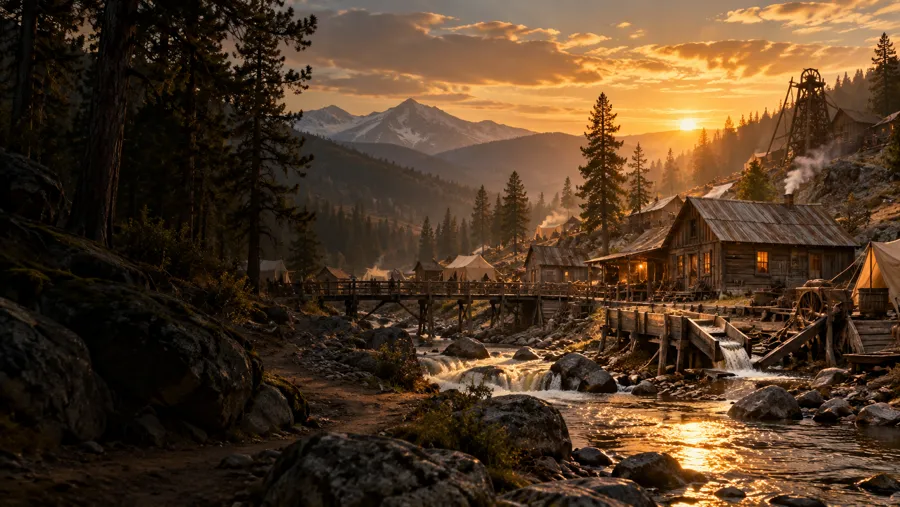
Classic westerns: the novels and stories that made the Wild West
Before Hollywood owned it, the West belonged to magazine writers, a Broadway showman and an Italian composer. These classic western novels and stories built the cowboy, the gold camp and the showdown from the ground up.
 Books on screen · 4 min read
Did you know The Lion King borrows from Hamlet?
Disney’s lion cub and Shakespeare’s Danish prince share a murdered father, a usurping uncle and a ghostly visit. The resemblance was spotted in a studio pitch meeting, and the film-makers ran with it.
 Did you know? · 3 min read
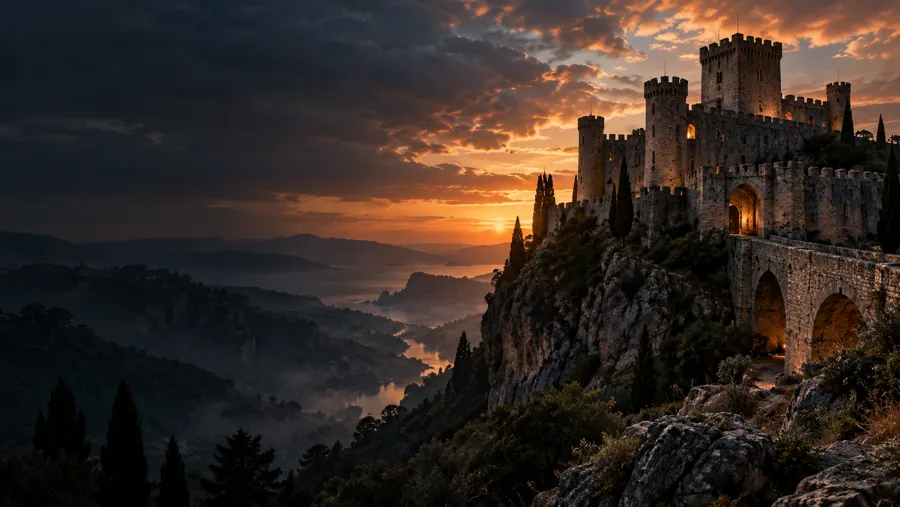
Did you know The Castle of Otranto was the first Gothic novel?
Every haunted castle, every trapdoor and every heroine fleeing down a dark corridor goes back to one short book. The Castle of Otranto, published in 1764, is usually called the first Gothic novel, and it began as a hoax.