


Of the 1,008 copies of Sister Carrie printed in November 1900, its publisher sold 456. Doubleday had accepted Theodore Dreiser’s novel and then had second thoughts (the wife of one of the publishers reportedly found it too sordid), so it honoured the contract by printing the book and making no effort to sell it. It is a fitting start for a book about a young woman’s hunger to rise, and a good reminder that ambition, in fiction as in life, is a story about obstacles.
Novels about ambition boomed once birth stopped deciding everything. After the French Revolution and Napoleon, a carpenter’s son could dream of power; after the industrial cities grew, a farm girl could dream of the stage. The books below follow those dreamers up the ladder. We have kept every ending hidden, because in most of them the ending is the verdict.
The French climbers
France gave the novel of ambition its classic form, and its heroes are all, in some sense, Napoleon’s children.
The Red and the Black
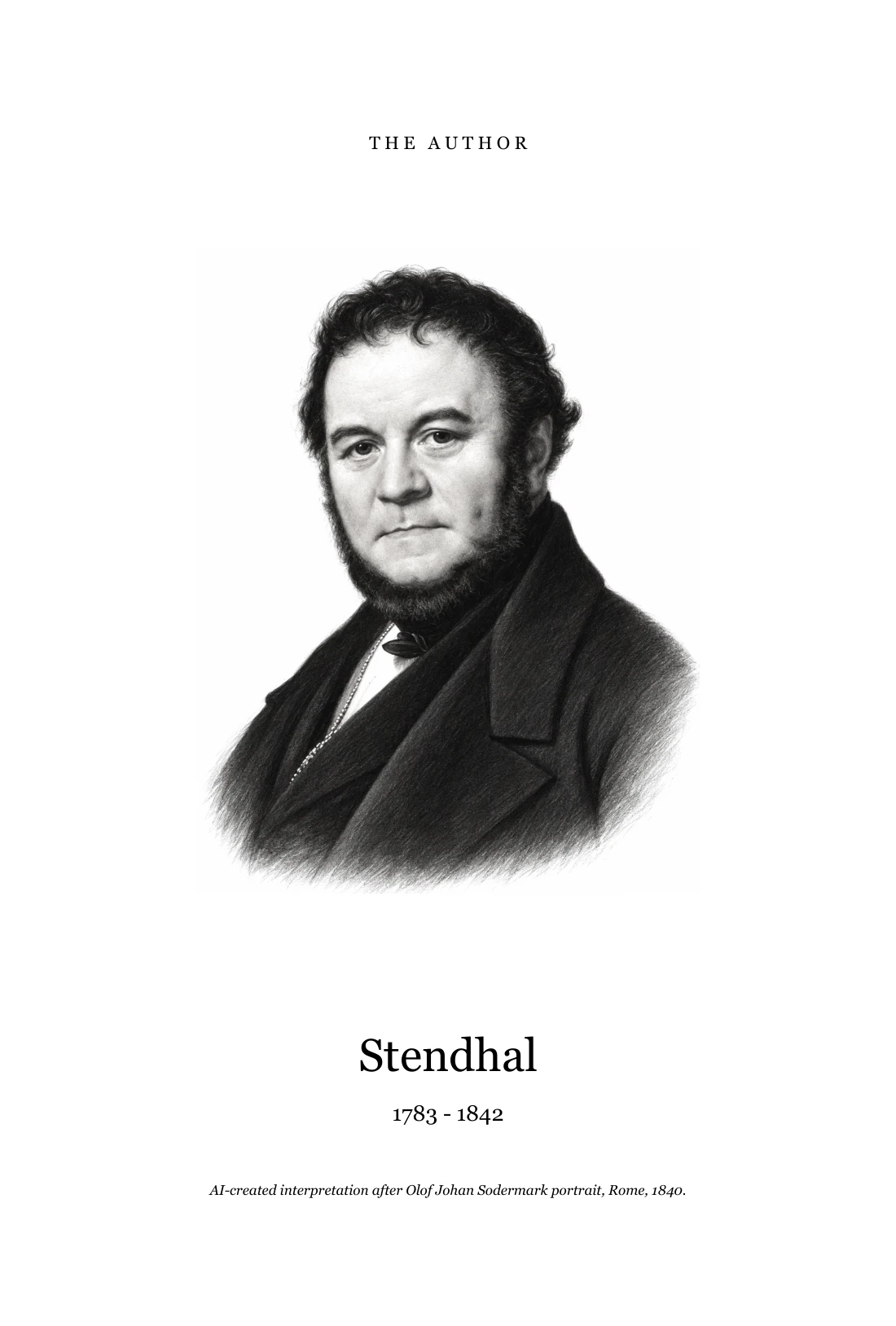
1830. Julien Sorel, a carpenter’s son who secretly worships Napoleon, decides that a man of his class can only rise through the Church. Stendhal’s portrait of calculation at war with feeling is still startlingly modern.
Father Goriot
1835. Eugène de Rastignac, a poor law student in a shabby boarding house, learns what Paris society costs, partly from a sinister fellow lodger with a great deal of advice. The first novel in which Balzac made structured use of characters who return from book to book.
Bel Ami (A Ladies' Man)
1885. Georges Duroy, back from army service in Algeria and broke in Paris, discovers that journalism and well-connected women can take him almost anywhere. Maupassant watches him climb with cold, comic precision.


Stendhal took the germ of his plot from a real case tried at Grenoble in 1827, the Berthet affair in his native Isère, about a clever young man of humble family who went from the seminary to tutoring a wealthy household. The title’s colours are usually read as the army’s red and the clergy’s black: the two uniforms an ambitious young nobody might wear after Waterloo.
“Henceforth there is war between us.”
Rastignac, looking down on Paris, in Honoré de Balzac, Father Goriot (1835)

Ambition in English: Pip and the gentleman’s life
Pip’s ambition begins as shame. Humiliated at Miss Havisham’s house, he confesses to Biddy that he wants “to be a gentleman on her account”, meaning the cold, beautiful Estella. Biddy’s reply, asking whether he wants it “to spite her or to gain her over”, is one of the shrewdest lines in Dickens. Who is really paying for Pip’s expectations is a secret we will leave to the book. Dickens also wrote two endings, a story told in Did you know Great Expectations has two endings?
American dreamers
Martin Eden
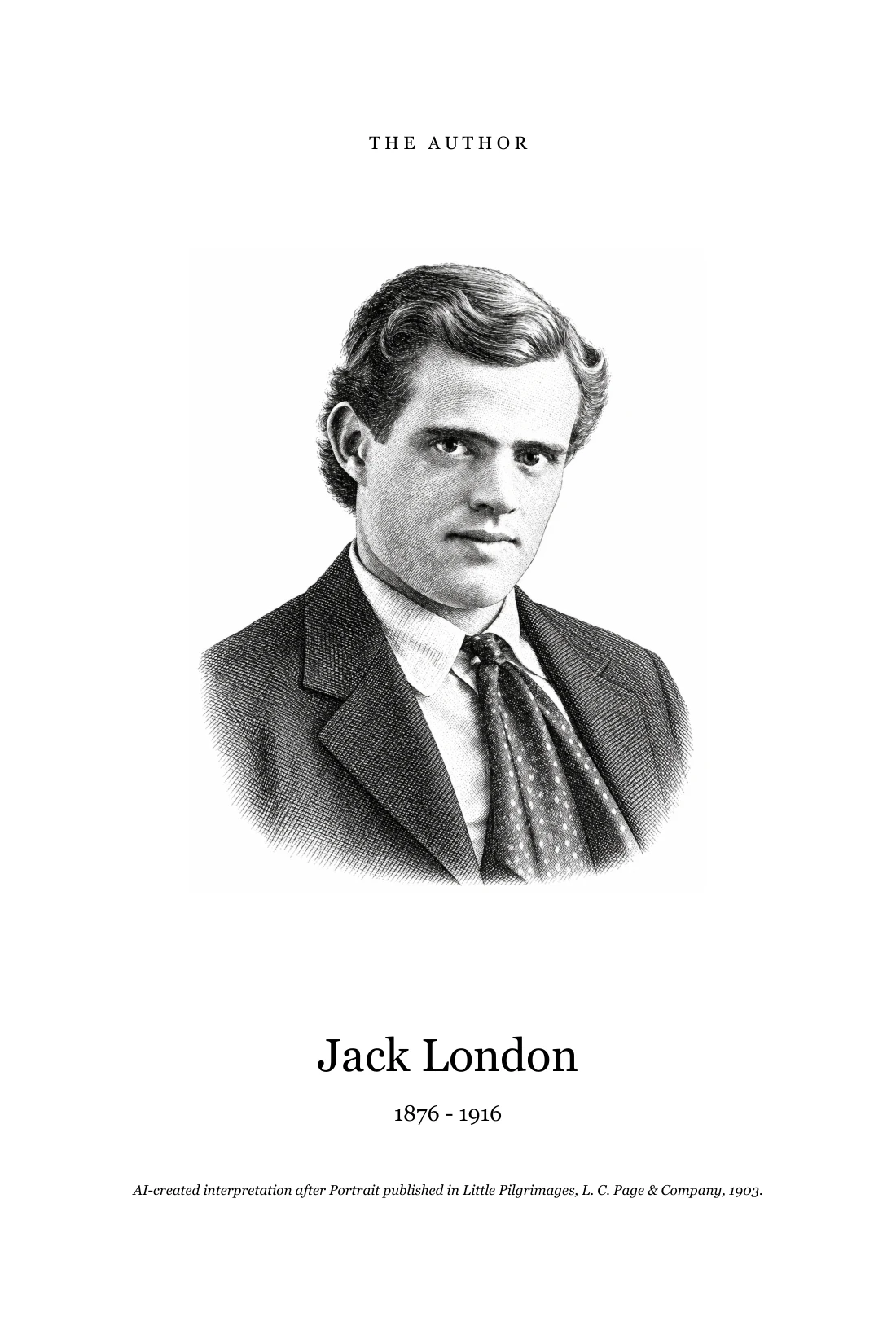
1909. A young sailor from the Oakland waterfront falls for a bourgeois girl and sets out to educate himself into a writer, typewriter, rejection slips and all. Jack London drew on his own hard climb.
Sister Carrie
1900. Carrie Meeber leaves small-town Wisconsin for Chicago with almost nothing and a fierce appetite for nice things. Dreiser refuses to judge her, which is exactly what shocked his first readers.
The Great Gatsby
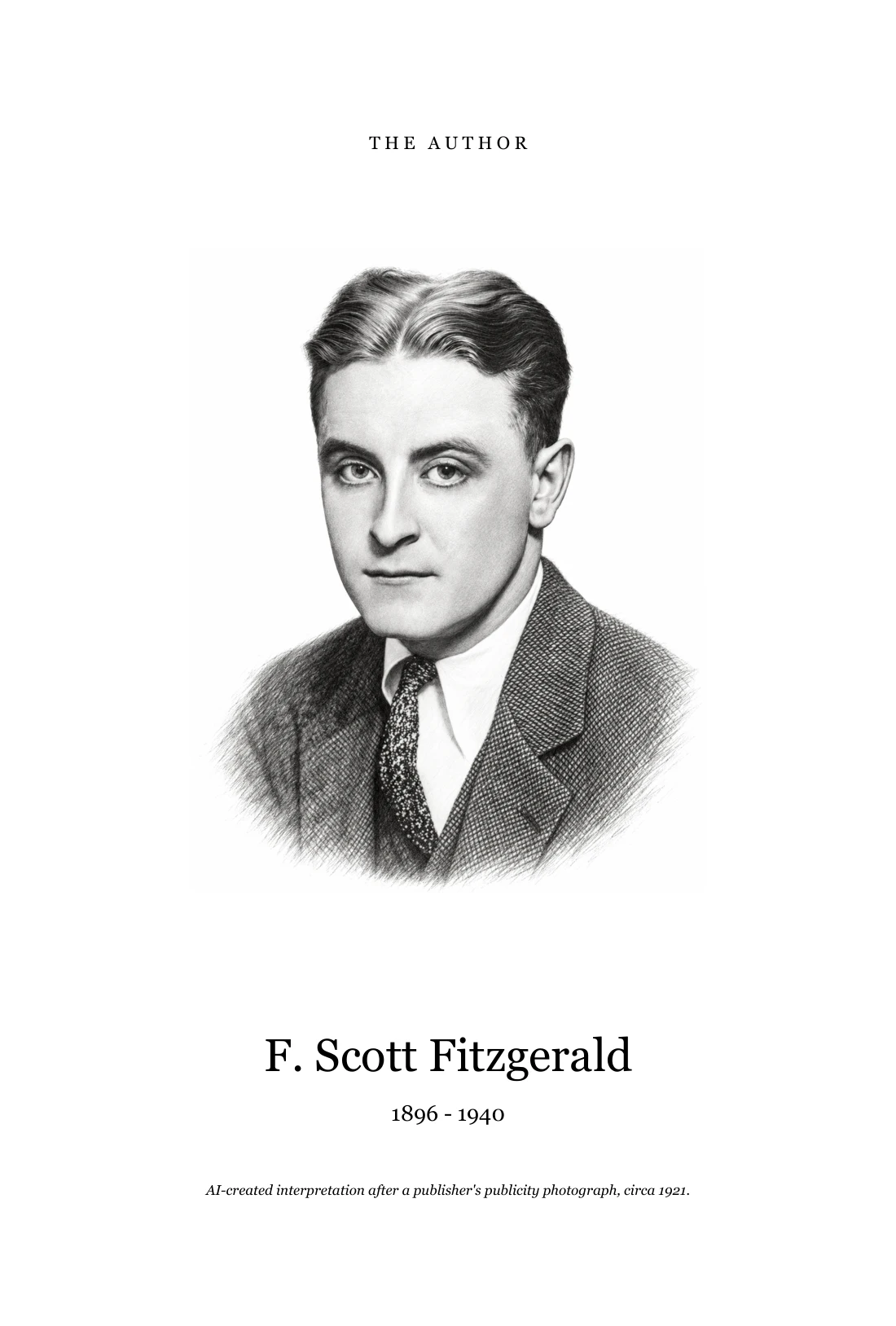
1925. A self-invented man throws enormous parties on Long Island in the hope that one particular guest will come. Fitzgerald’s short novel is the American Dream as a love story.


London insisted Martin Eden was not an autobiography. When an Oakland pastor preached in 1910 that author and hero were one and the same, London replied in a public letter that he had written the book not as an autobiography but as an attack on individualism. Readers have been arguing about how much of London is in Martin ever since; our guide to Jack London’s California novels has more.

And the oldest ambition story of all
Before any of these novels there was Macbeth, where the word comes with a warning built in. Macbeth admits he has no spur “to prick the sides of my intent, but only / Vaulting ambition, which o’erleaps itself / And falls on th’ other—”. Every climber on this list is somewhere on that leap. Macbeth is short enough to read alongside any of them.
Which novel about ambition should you read first?
For pure readability, Bel-Ami: brisk, wicked and set in a newspaper office. For the deepest book, The Red and the Black, though it asks for patience. For a novel about wanting to be a writer, nothing touches Martin Eden. For more on money and status in fiction, see Classic novels about money.
Our pick, though, is the one whose title has become a byword. Start with Great Expectations, and watch a boy decide, very slowly, what is actually worth wanting.
Questions readers ask
What are the best classic novels about ambition?
The Red and the Black by Stendhal, Father Goriot by Balzac, Bel-Ami by Maupassant, Great Expectations by Dickens, Martin Eden by Jack London, Sister Carrie by Theodore Dreiser and The Great Gatsby are among the best.
What is The Red and the Black about?
It follows Julien Sorel, an ambitious carpenter’s son in Restoration France, as he tries to rise in society through the Church, tutoring and love affairs. The title is usually read as the red of the army and the black of the clergy.
Is Martin Eden autobiographical?
Partly. Like Martin, Jack London was a working-class sailor who taught himself to write, but London publicly denied that the novel was an autobiography and called it an indictment of individualism.