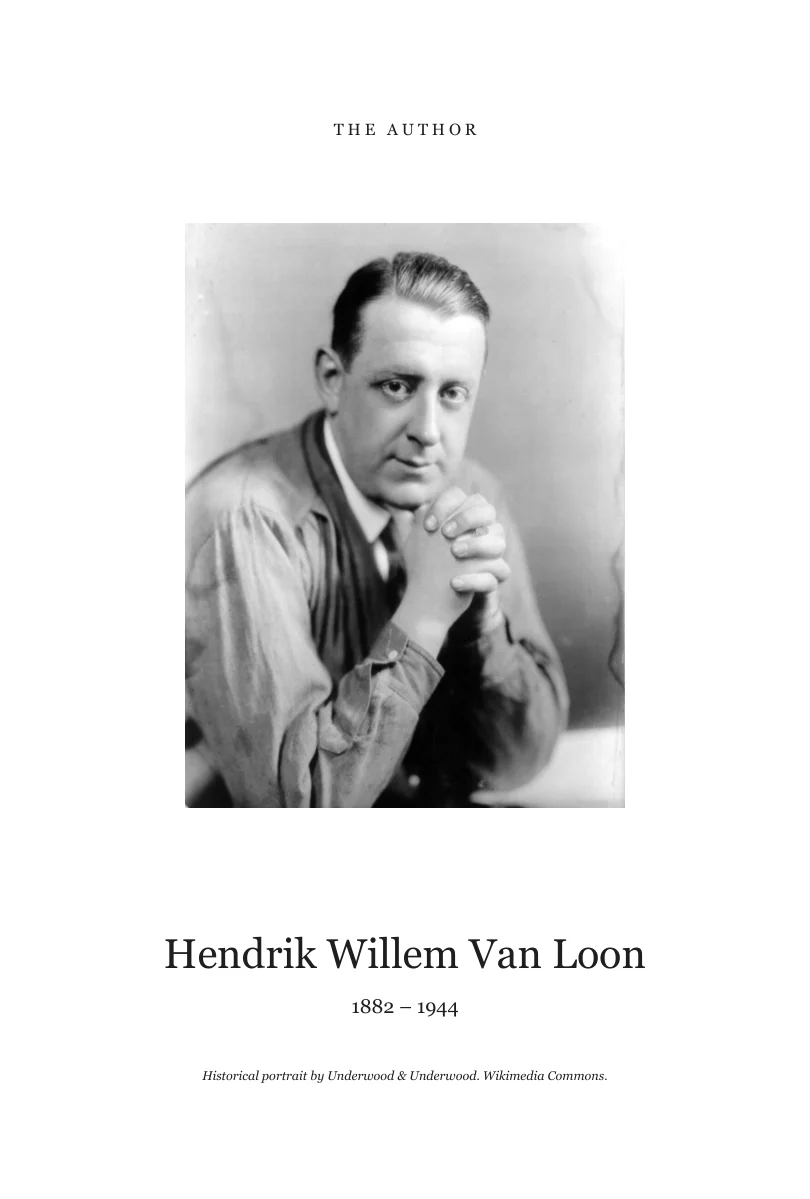
When America’s children’s librarians voted for the first Newbery Medal, 163 of the 212 votes went to one book: The Story of Mankind by Hendrik Willem van Loon, a history of the world from the first humans to the Great War. It was not a story in the usual sense, and its author was a Dutch-born journalist who had become an American citizen only in 1919. It won by a landslide anyway.
That was 1922. The medal had been proposed the year before by Frederic G. Melcher, editor of Publishers Weekly, and approved by the American Library Association to reward “the most distinguished contribution to American literature for children”. It is often described as the first children’s book award in the world. The early Newbery Medal winners, from a world history to a horse’s life story, show how wide the librarians cast their net.
- 1921
Frederic G. Melcher proposes the award, and the American Library Association approves it
- 1922
The Story of Mankind wins the first Medal; The Windy Hill is among the runners-up
- 1923
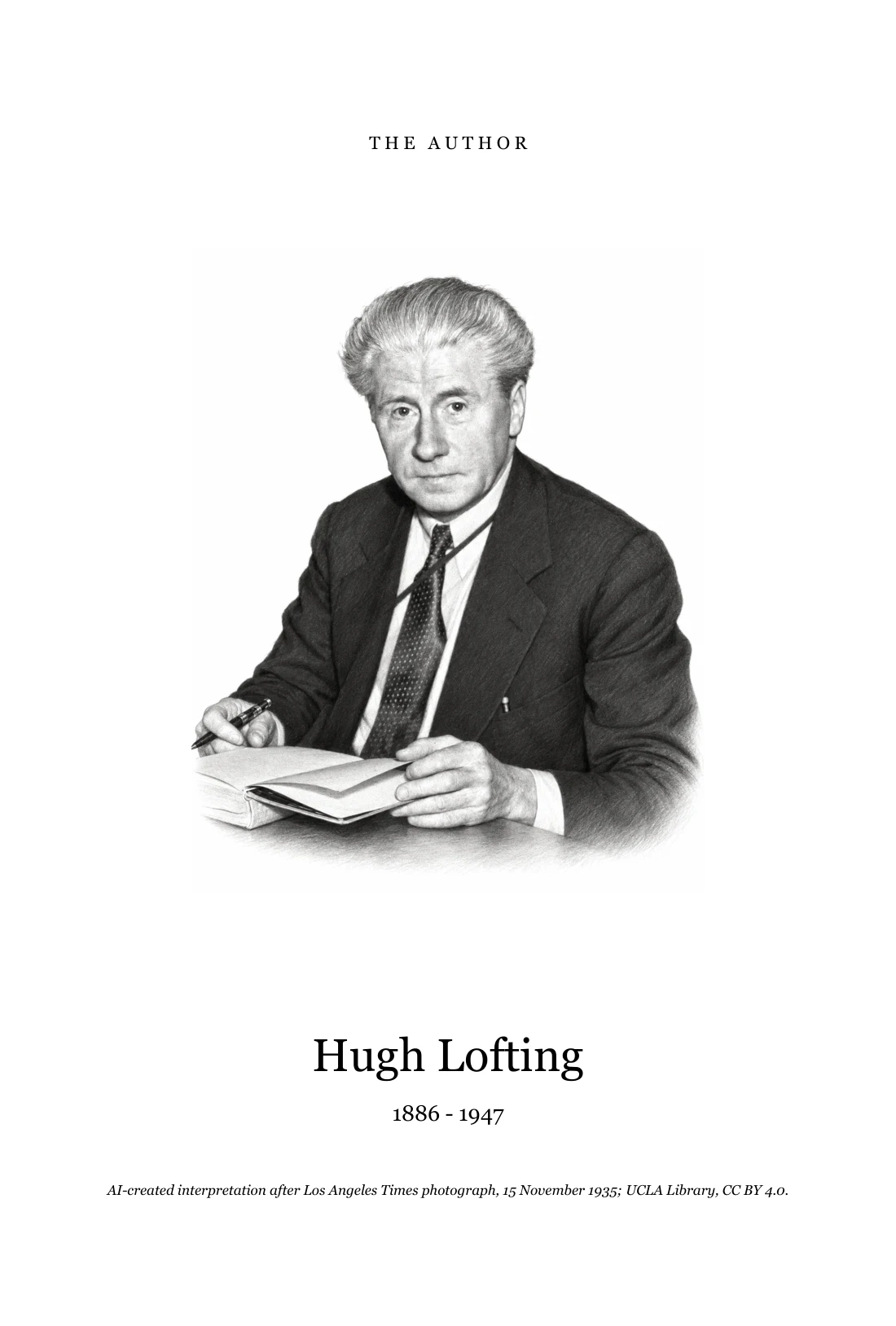
Hugh Lofting wins for The Voyages of Doctor Dolittle
- 1924
The Dark Frigate wins, months after its author’s death
- 1927
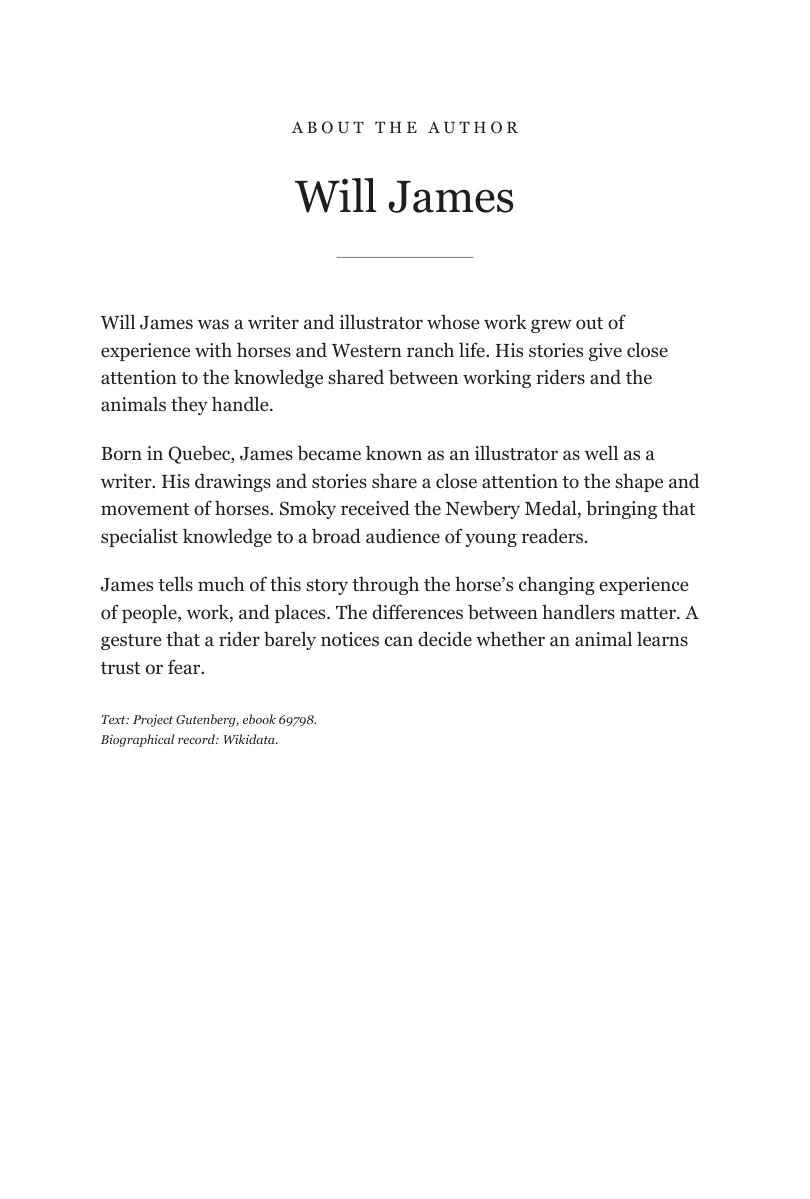
Will James wins for Smoky, the Cowhorse; no runners-up are recorded
- 1929
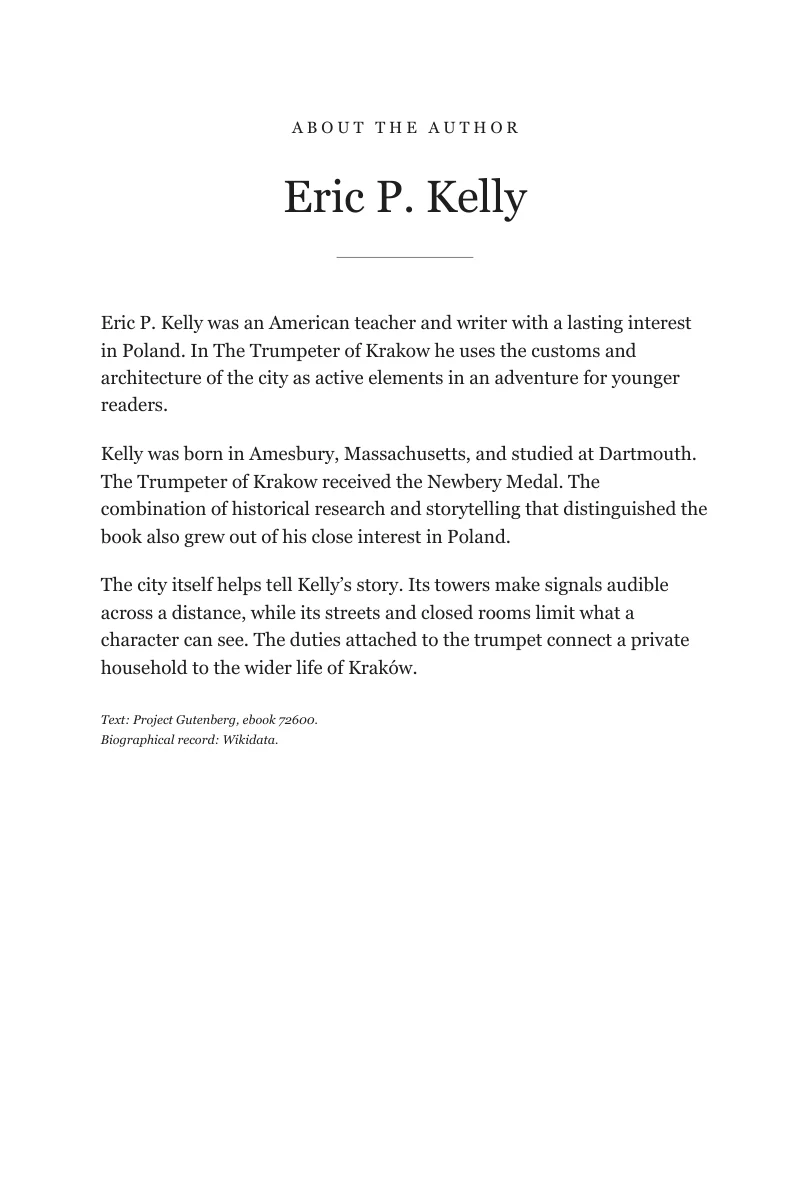
Eric P. Kelly wins for The Trumpeter of Krakow, his first book
- 1934
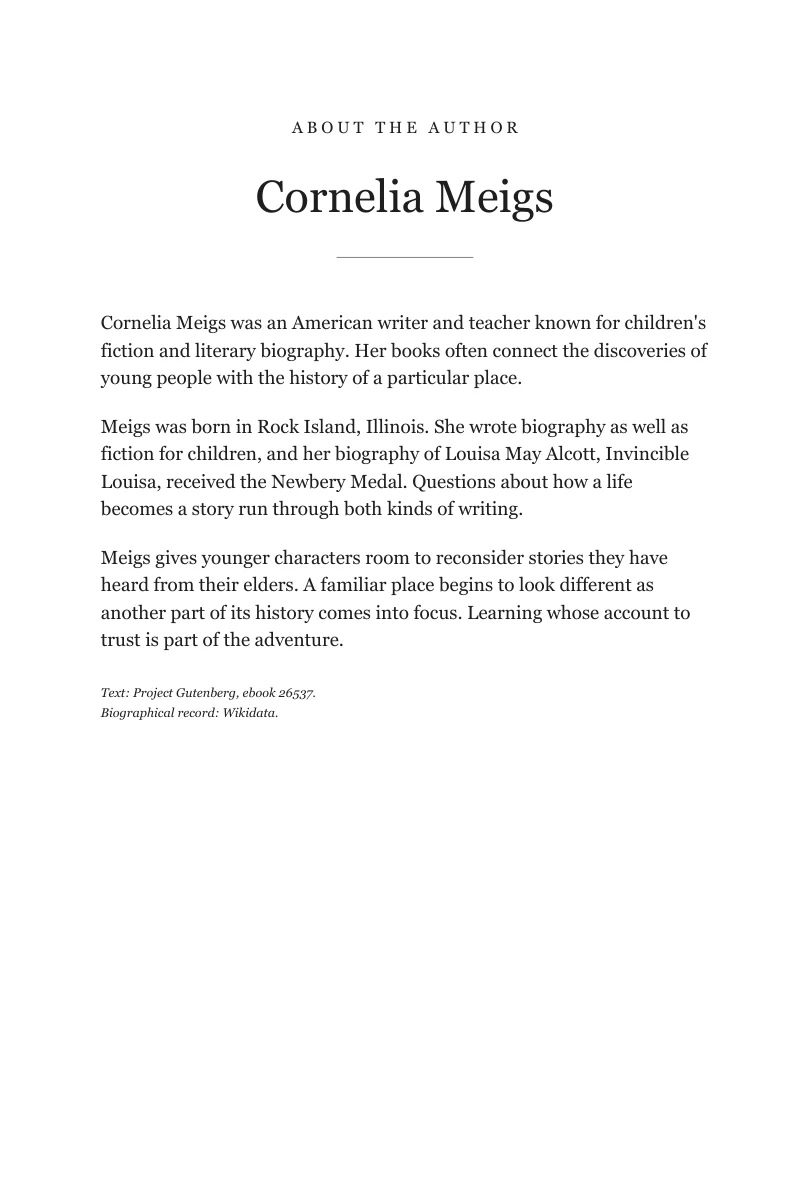
Cornelia Meigs, a 1922 runner-up, wins with her life of Louisa May Alcott, Invincible Louisa
Why did The Story of Mankind win the first Newbery Medal?
Van Loon wrote it for his own sons, Hansje and Willem, to whom the book is dedicated, and he writes the way a clever father talks: chatty, opinionated and fond of a good image. History, for him, is a tower you climb to see further. The book begins with a fable.
High up in the North in the land called Svithjod, there stands a rock. It is a hundred miles high and a hundred miles wide. Once every thousand years a little bird comes to this rock to sharpen its beak.
Hendrik Willem van Loon, *The Story of Mankind* (1921)
Read today, it is a book of its time, especially in its confident Western view of the world, and later editions were extended by other hands. But the 1921 original still shows why librarians loved it: it treats children as people able to think about everything.

The early Newbery Medal winners we stock
- $18.99
The Story of Mankind
1922 Medal. The whole of human history in short, vivid chapters, from cave dwellers to the First World War. The book that started the Newbery.
- $12.99
The Windy Hill
1922 runner-up, now a Newbery Honor book. Two children staying with a troubled cousin spend their evenings listening to a beekeeper’s fireside tales, while trouble gathers round the house.
- $14.99
The Voyages of Doctor Dolittle
1923 Medal. Tommy Stubbins sails with the Doctor and his animals to Spidermonkey Island. Like the first book, it contains racial caricatures of its time.
- $14.99
The Dark Frigate
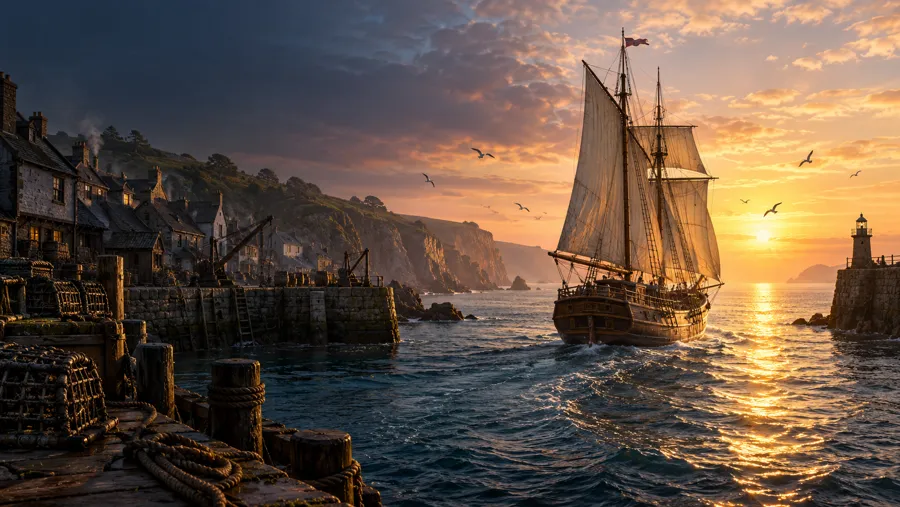
1924 Medal. A young sailor in the 1600s is caught up with pirates, tried for his life and swept into the Civil War. A hard, salty tale.
- $15.99
Smoky, the Cowhorse
1927 Medal. The life of a mouse-coloured range horse, told in cowboy vernacular by a man who broke horses for a living.
- $13.99
The Trumpeter of Krakow
1929 Medal. Fifteenth-century Kraków, a family guarding a mysterious crystal, an alchemist and a trumpet call that always breaks off.


The author who won after his death
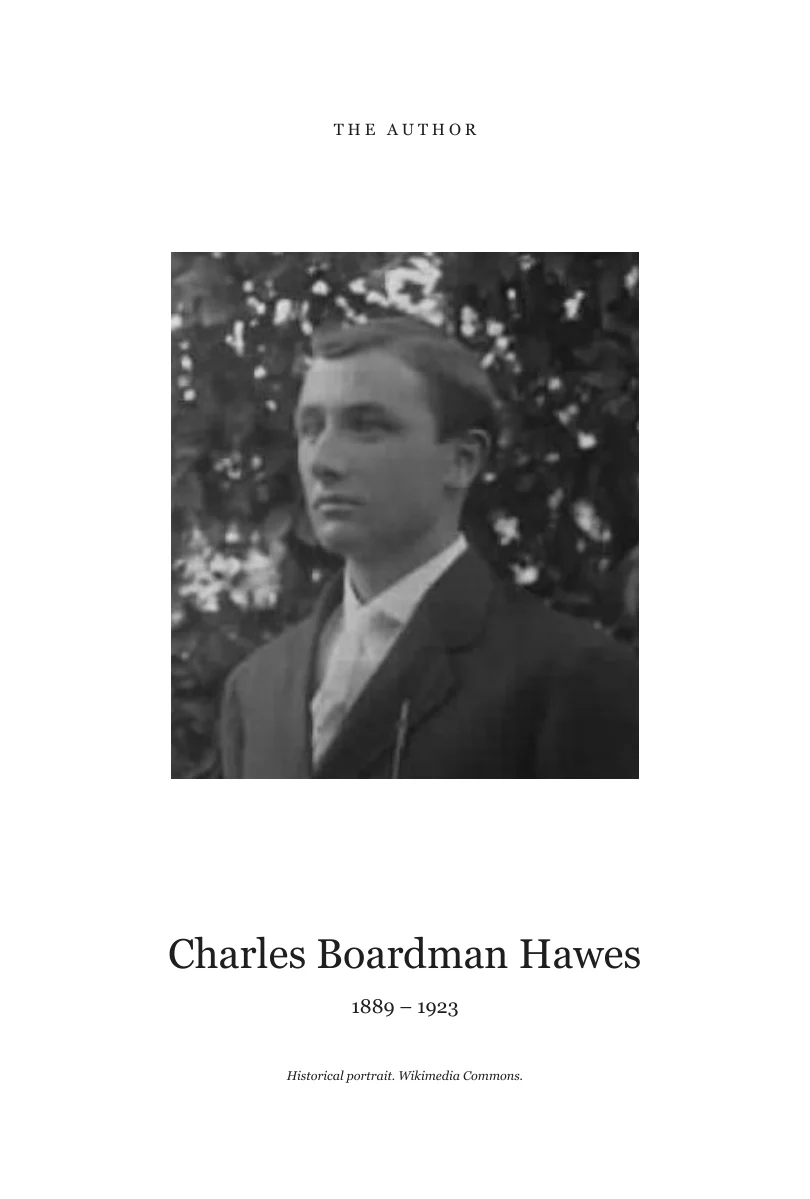
Charles Boardman Hawes appears on the list twice. His sea story The Great Quest was the first runner-up in 1922. He finished The Dark Frigate, the story of Philip Marsham, a sailor of the seventeenth century, delivered the manuscript, and on 16 July 1923 died suddenly, aged thirty-four. The book came out that October and won the 1924 Medal, which his widow accepted on his behalf. Because van Loon and Lofting were born abroad, Hawes is also counted as the first American-born winner.
A cowboy and a scholar
The 1927 and 1929 winners could hardly be less alike. Will James, the author and illustrator of Smoky, presented himself as a Montana cowboy; he was in fact born Joseph Ernest Nephtali Dufault in Quebec, and learned to wrangle horses in Saskatchewan before drifting south. He is said to have been surprised by the Medal, since Smoky had been published as a book for adults. It does not soften the West, and young readers should know that Smoky suffers before the end.
Eric P. Kelly, by contrast, taught English at Dartmouth College. He had worked with Polish soldiers at the end of the First World War and lectured at the Jagiellonian University in Kraków in 1925 and 1926, and he began The Trumpeter of Krakow in 1926. It was his first book, and it won.
Are the early Newbery winners still worth reading?
Yes, with an adult nearby for some of them. They were chosen by librarians who expected children to read up, and several are long, serious and old-fashioned in their attitudes. The Windy Hill and Smoky suit confident readers of ten and up; The Dark Frigate and The Trumpeter of Krakow are best from about twelve; The Story of Mankind works beautifully a chapter at a time, read aloud.
For more on the Doctor, see The Doctor Dolittle books in order. Cornelia Meigs’s Newbery-winning subject has her own post in Louisa May Alcott’s other children’s books, and the golden age of children’s literature sets the scene these books grew from.
If you start with one, make it the first. The Story of Mankind won a hundred-odd years ago by a landslide, and its little bird is still sharpening its beak.
Questions readers ask
What book won the first Newbery Medal?
The Story of Mankind by Hendrik Willem van Loon won the first Newbery Medal in 1922. It is a history of the world written for young readers.
Who won the Newbery Medal in the 1920s?
The winners were The Story of Mankind (1922), The Voyages of Doctor Dolittle (1923), The Dark Frigate (1924), Tales from Silver Lands (1925), Shen of the Sea (1926), Smoky, the Cowhorse (1927), Gay Neck (1928) and The Trumpeter of Krakow (1929).
What is a Newbery Honor book?
Honor books are the runners-up the committee names alongside each year’s Medal winner. Before 1971 they were simply called runners-up, and the early ones were renamed Honor books later.
Has the Newbery Medal ever been awarded after an author’s death?
Yes. Charles Boardman Hawes died in July 1923, a few months before The Dark Frigate was published, and the book won the 1924 Medal.