On 23 February 1939, at the Biltmore Hotel in Los Angeles, the Academy of Motion Picture Arts and Sciences handed out its screenplay award for a British film of Pygmalion. The credit began “Screenplay and Dialogue by George Bernard Shaw”. Its author was eighty-two, and had already received the Nobel Prize in Literature for 1925.
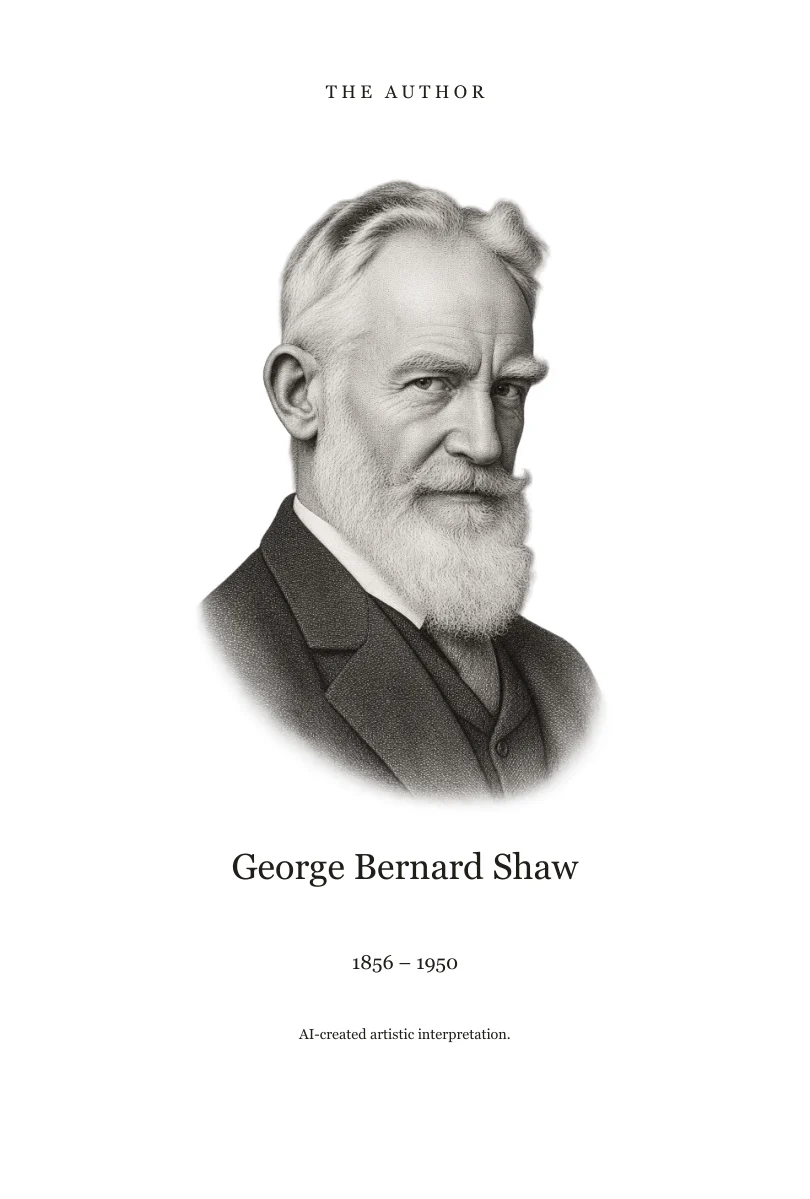
So yes: George Bernard Shaw was the first person to win both a Nobel Prize and an Oscar. The two prizes came thirteen years apart and for very different things, one for a body of George Bernard Shaw plays stretching back to the 1890s, the other for turning one of them into a film. Three plays carry the whole story: the early comedy that made his name in the theatre, the play that won him the Oscar and the play that is usually credited with the Nobel.
How did Shaw win a Nobel Prize and an Oscar?
The Nobel came first, and late. In 1925 the Swedish Academy’s committee decided that none of that year’s nominations met the terms of Alfred Nobel’s will, so the prize was held over, as the rules allowed. In 1926 it went to Shaw as the prize for 1925, “for his work which is marked by both idealism and humanity, its stimulating satire often being infused with a singular poetic beauty”.
He accepted the honour but not, at first, the money, saying his readers and audiences already gave him more than he needed. In the end he arranged for the prize money to fund an Anglo-Swedish Literary Foundation, set up to translate Swedish writing into English, including August Strindberg’s plays.
The Oscar followed a decade of Shaw’s dealings with the cinema. He distrusted Hollywood, but he entrusted Pygmalion to Gabriel Pascal, a little-known producer, who made it at Pinewood Studios in 1938 with Anthony Asquith and Leslie Howard directing, Howard as Higgins and Wendy Hiller as Eliza. Shaw wrote the screenplay and new dialogue; W. P. Lipscomb, Cecil Lewis and Ian Dalrymple were credited with the adaptation and shared the award. The film was also nominated for Best Picture, Best Actor and Best Actress.
Shaw is reported to have treated the statuette as something close to an insult, coming from an industry that had apparently only just heard of him. Bob Dylan, who won an Oscar for best original song in 2001 and the Nobel Prize in Literature in 2016, is the other name usually mentioned alongside him.
Three George Bernard Shaw plays to read first
- $11.99
Arms and the Man
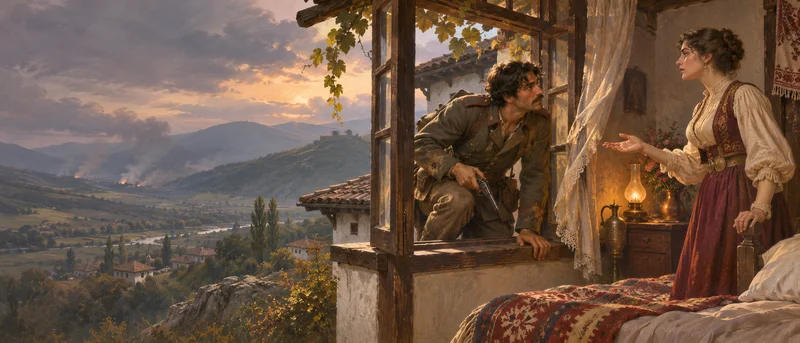
1894. A runaway Swiss mercenary climbs through a Bulgarian girl’s window and calmly demolishes her ideas about war, one pocketful of chocolate at a time. Shaw’s first real hit and still his most purely enjoyable comedy.
- $11.99
Pygmalion
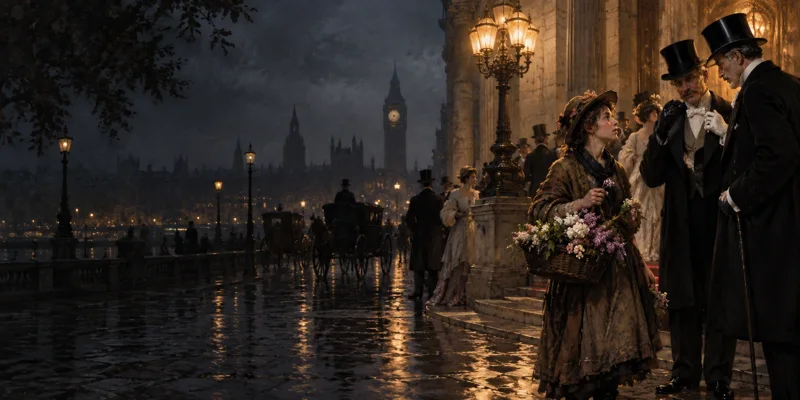
1913. The flower girl, the phonetics professor and the bet. The play behind the Oscar-winning film, and a sharper, less sentimental thing than its musical descendant.
- $13.99
Saint Joan
1923. Joan of Arc from farm to stake, argued by bishops, nobles and soldiers who all have a case. Six scenes and a famous epilogue; the play that made his Nobel close to inevitable.


Arms and the Man: the chocolate-cream soldier
Shaw’s first commercial success opened at the Avenue Theatre in London on 21 April 1894. Its title is the opening of Virgil’s Aeneid, “Arma virumque cano”, and its target is every romantic notion of the battlefield. In the 1885 war between Serbia and Bulgaria, Raina, engaged to a dashing cavalry hero, finds a fugitive enemy officer in her bedroom. He turns out to be a practical man.
I’ve no ammunition. What use are cartridges in battle? I always carry chocolate instead; and I finished the last cake of that yesterday.
Bernard Shaw, Arms and the Man (1894)
Raina calls him her “chocolate cream soldier”, and the phrase escaped the play. In 1908 it became The Chocolate Soldier, an operetta with music by Oscar Straus. Shaw had allowed the adaptation on condition that none of his dialogue was used and that he took no payment. He loathed the result, and it went on to be an international hit.
Pygmalion: the play that won the Oscar
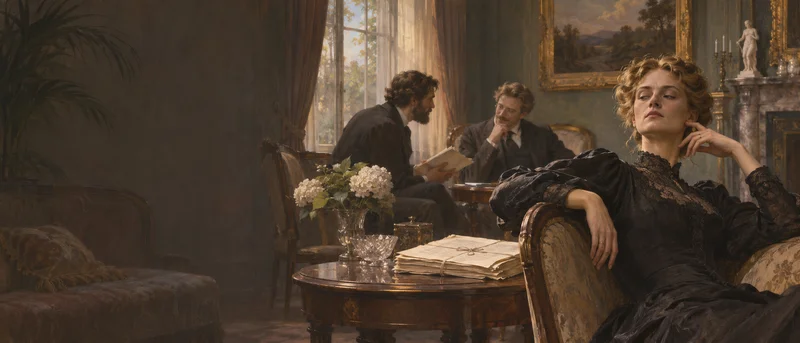
Pygmalion had been on the stage for a quarter of a century before Pascal filmed it, and Shaw used the screenplay to tinker. He added scenes the stage play never had, most notably a grand reception, and the film’s ending leans further towards romance than his text does. The full story of what changed between Shaw’s play and My Fair Lady is in Did you know My Fair Lady is based on Pygmalion?
Saint Joan: the play behind the Nobel
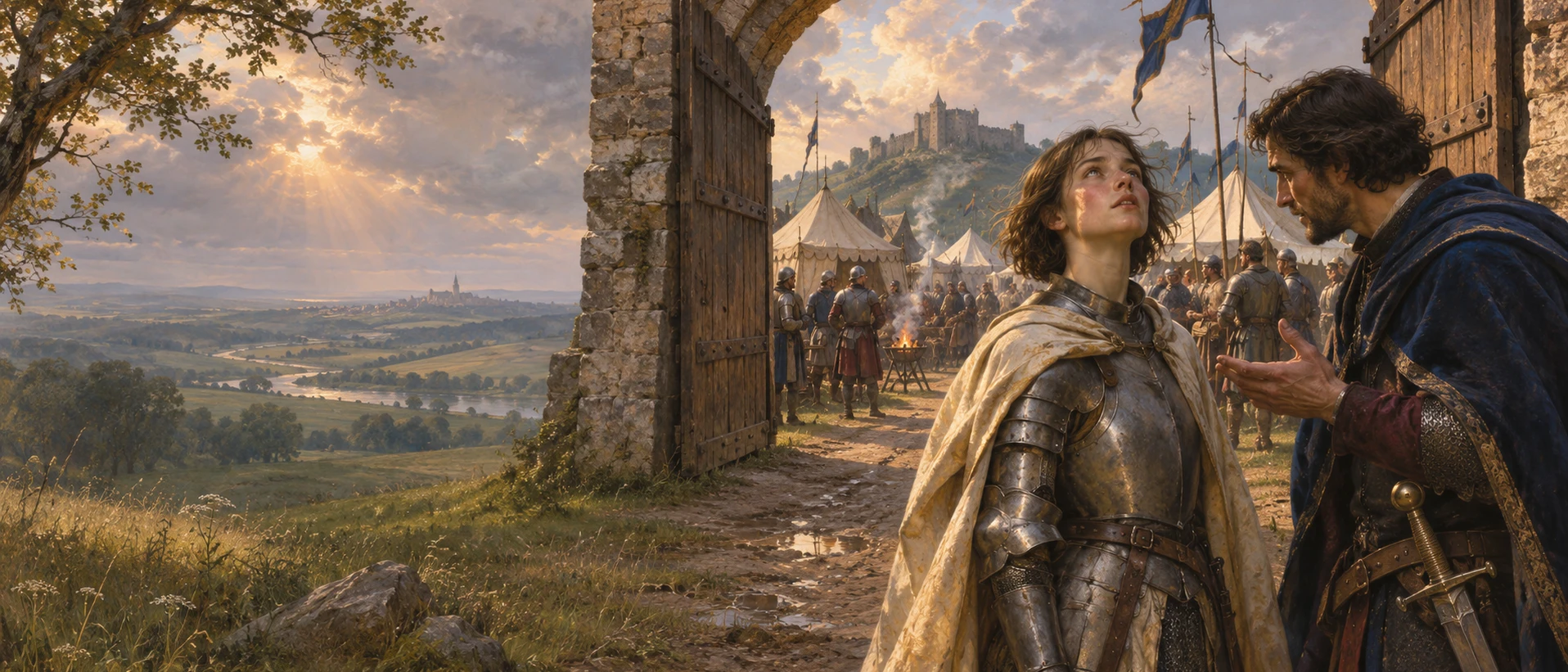
After finishing Back to Methuselah, a cycle of five linked plays, Shaw expected to write no more for the stage. Then, in May 1920, Pope Benedict XV canonised Joan of Arc. Shaw had thought about writing a play on her as early as 1913, and the canonisation sent him back to the subject. He wrote Saint Joan over the middle months of 1923, with the actress Sybil Thorndike in mind for the lead.
It opened first in New York, at the Garrick Theatre on 28 December 1923, with Winifred Lenihan as Joan, and reached London’s New Theatre on 26 March 1924 with Thorndike. Shaw’s biographer Stanley Weintraub suggests that after Saint Joan the Nobel committee simply could not go on ignoring him. Its epilogue jumps forward a quarter of a century, gathers Joan’s friends and enemies in a king’s dream and brings news of her sainthood, before ending on a question.
O God that madest this beautiful earth, when will it be ready to receive Thy saints? How long, O Lord, how long?
Bernard Shaw, Saint Joan (1923)
A writer who turned honours down
The two prizes are all the more striking because Shaw was famously awkward about honours. He declined the state honours offered to him, the Order of Merit in 1946 among them. He championed Ibsen when London found him shocking, which is why our guide Where to start with Henrik Ibsen is a natural companion to this one, and he lived to ninety-four, writing almost to the end.
For another Nobel story from the same years, see Did you know Sinclair Lewis was the first American to win the Nobel Prize in Literature? and the account of the first woman to win it, Selma Lagerlöf. But for Shaw himself, start with the chocolate. Arms and the Man is short, quick and very funny, and by the time Raina finds the fugitive behind her curtain you will know whether the other sixty-odd plays are for you.
Questions readers ask
Was George Bernard Shaw the first person to win a Nobel Prize and an Oscar?
Yes. He received the Nobel Prize in Literature for 1925 and won the Academy Award for the screenplay of Pygmalion at the ceremony of February 1939, making him the first person to win both.
What did George Bernard Shaw win an Oscar for?
For the screenplay of the 1938 film of Pygmalion, in the Writing (Screenplay) category. He shared it with W. P. Lipscomb, Cecil Lewis and Ian Dalrymple, who were credited with the adaptation.
Which George Bernard Shaw plays should I read first?
Arms and the Man (1894) for pure comedy, Pygmalion (1913) for his best-known story and Saint Joan (1923) for his most ambitious play. All three are short enough to read in an evening or two.
Did Shaw keep the Nobel Prize money?
No. He accepted the prize but declined the money for himself, and arranged for it to fund an Anglo-Swedish Literary Foundation to translate Swedish literature into English.