

THE PIPCUB BLOG · 656 ARTICLES
Stories behind the stories.
Reading orders, author guides, hand-picked lists and the surprising histories of the books we love.
Every article
457–480 of 656
 Reading time · 4 min read
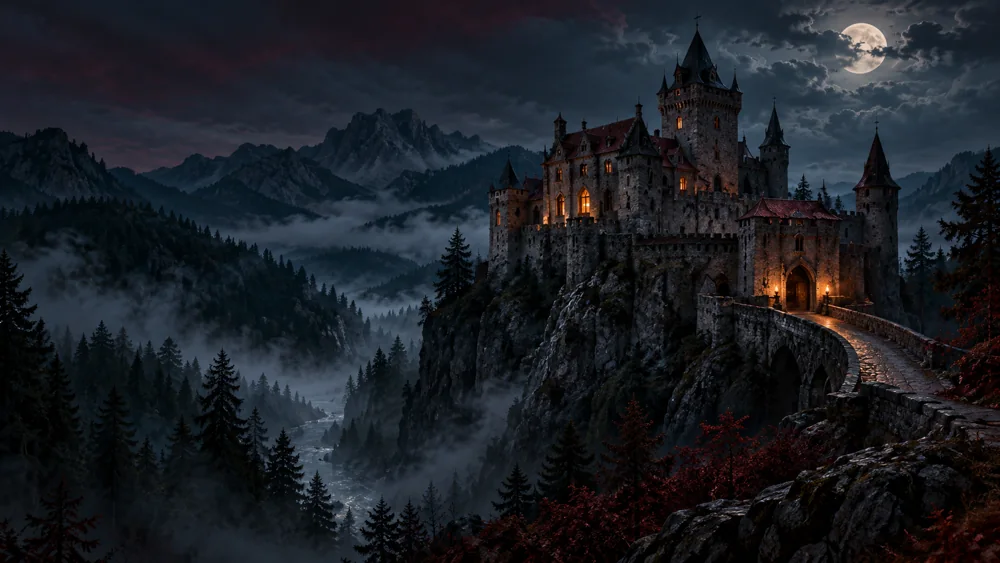
How long is Dracula? Eight hours, or six months if you read along
Eight hours, if you read Dracula straight through in our 414-page edition. But Bram Stoker dated nearly every page, so you can also stretch it across the six months in which the story happens.
 Did you know? · 3 min read
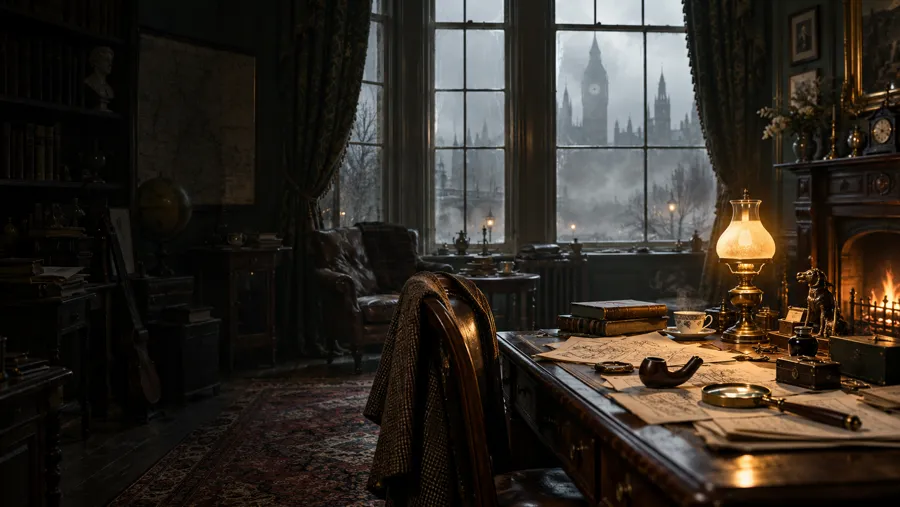
Did you know Conan Doyle killed off Sherlock Holmes — and readers brought him back?
In December 1893, Arthur Conan Doyle killed Sherlock Holmes on purpose. It took him ten years, a great deal of public pressure and one very famous hound to bring the detective back.
 Authors · 3 min read
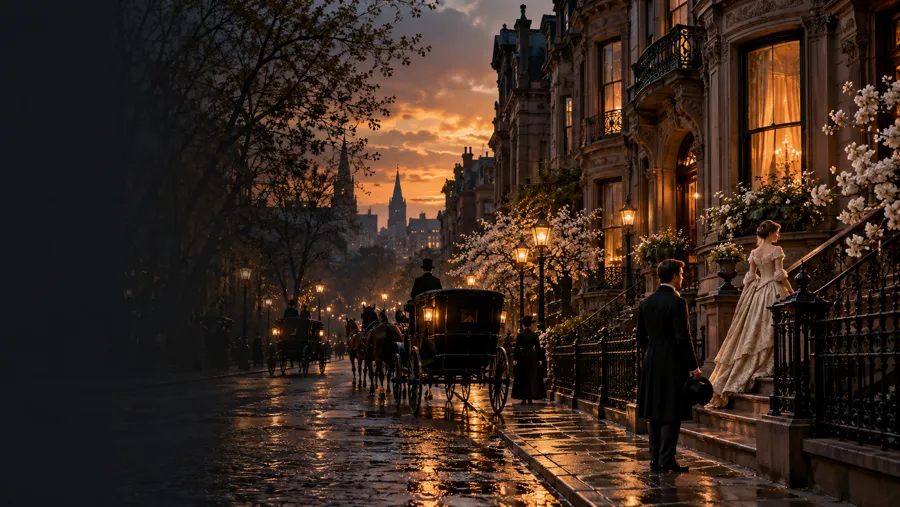
Did you know Edith Wharton was the first woman to win the Pulitzer Prize for fiction?
In 1921 a novel about the old New York of Edith Wharton’s girlhood won the Pulitzer Prize, and made her the first woman to take the fiction award. It very nearly went to someone else.
 Literary history · 4 min read
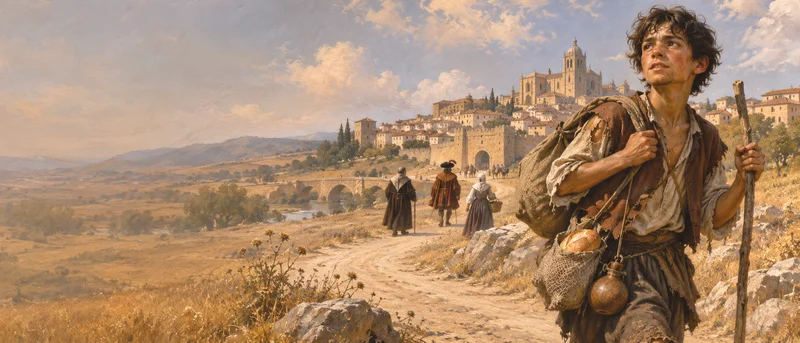
What is a picaresque novel? From Lazarillo de Tormes to Roderick Random
A hungry boy, a series of bad masters, and a narrator who tells you exactly how he cheated them. The picaresque began as a short anonymous book in sixteenth-century Spain and ended up shaping the English novel.
 Did you know? · 4 min read
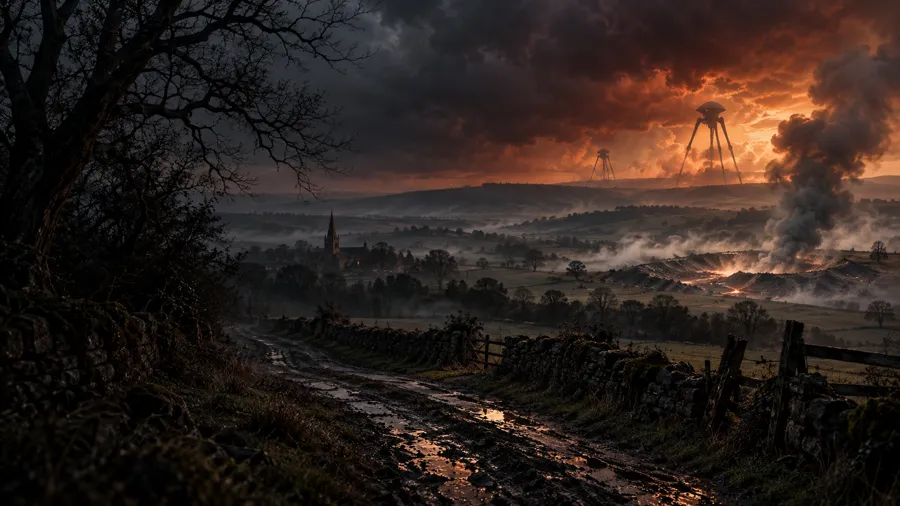
The War of the Worlds radio broadcast: what really happened
On the night before Halloween 1938, Orson Welles turned H. G. Wells’s Martian invasion into a fake news bulletin. The nationwide panic it supposedly caused turns out to be one of the great media myths.
 Young readers · 4 min read
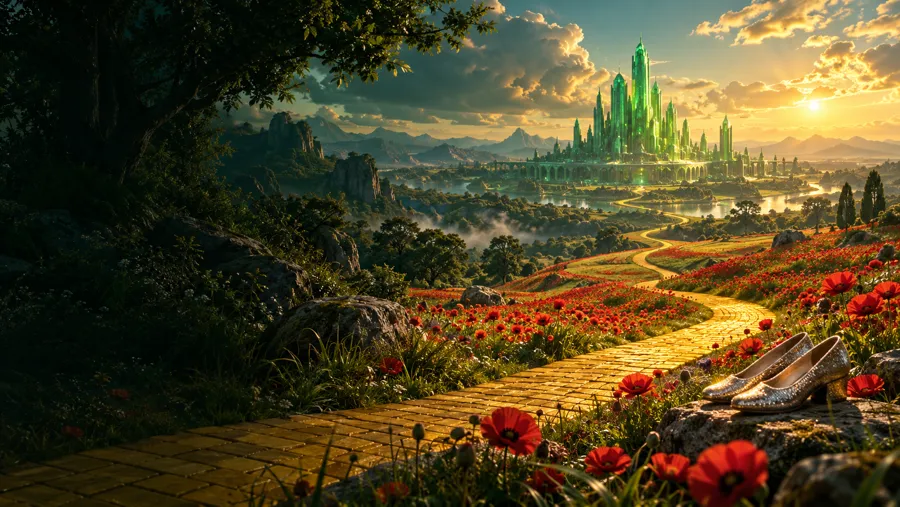
Brave heroines in classic children’s books
Long before anyone used the phrase “strong female character”, children’s books were full of girls who talked back, set off alone and refused to be ignored. Here are the classic heroines worth meeting.
- Reading lists · 4 min read
Classic novels set in New York, from Washington Square to Gatsby
Brownstones on Washington Square, an opera box in the 1870s, a Wall Street office with a clerk who will not work, a hot afternoon in a suite at the Plaza. Read in order, these classic New York novels are a history of the city.
 Books on screen · 4 min read
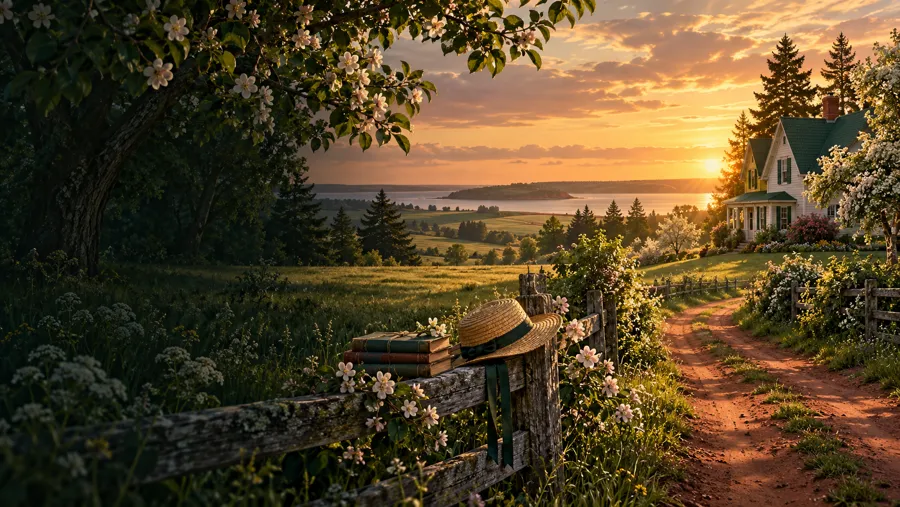
Anne of Green Gables on screen, from the 1919 film Montgomery hated to Anne with an E
L. M. Montgomery lived to see Anne filmed twice, and earned nothing from either version. The first one made her furious. Since then Anne has been played by an actress who took her name, by Megan Follows, in Japanese animation and in a Netflix drama.
 Did you know? · 4 min read
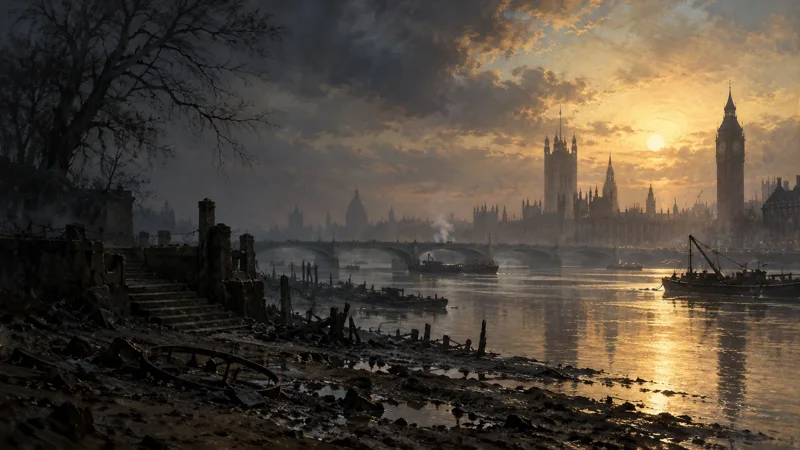
Did you know T. S. Eliot added notes to The Waste Land to fill pages?
The most famous footnotes in modern poetry began as padding. When The Waste Land first appeared in 1922 it had no notes at all, and the ones every student now pores over were added so the poem could fill a book.
 Authors · 4 min read
Did you know George MacDonald inspired both Tolkien and C. S. Lewis?
A Scottish minister who lost his pulpit wrote the fantasy a teenage C. S. Lewis bought on a station platform and the goblins Tolkien admitted owing a debt to. The George MacDonald books are where a great deal of modern fantasy begins.
 Series & reading order · 4 min read
Did you know Leave It to Psmith is a Blandings Castle novel? The early Blandings books in order
The Blandings saga begins with an earl leaving his club with a fork in his pocket. P. G. Wodehouse wrote eleven novels about Lord Emsworth’s castle, and the first two, Something New and Leave It to Psmith, are where the whole world takes shape.
 Reading lists · 4 min read
Classic books about friendship: rivers, rafts and bosom friends
Some friends rescue you, some lead you astray, and some just sit beside you when the water is rising. The great classic books about friendship know the difference.
 Did you know? · 4 min read
Did you know Walt Whitman kept rewriting Leaves of Grass for nearly 40 years?
Most poets publish a book and move on. Walt Whitman published one book, then spent the rest of his life rebuilding it, from twelve untitled poems in 1855 to the deathbed edition of 1892.
 Did you know? · 3 min read
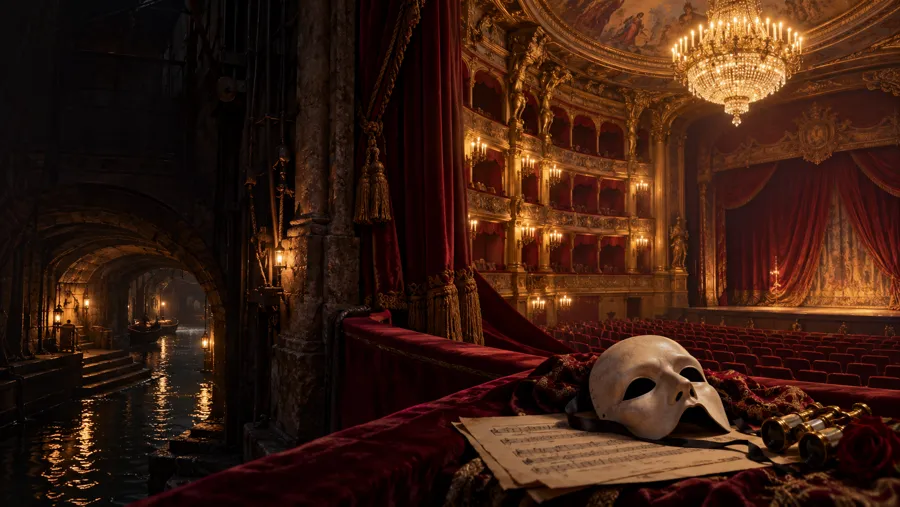
Did you know there really is water under the Paris Opera?
In The Phantom of the Opera, Erik lives beside a dark lake deep beneath the Paris Opera. It sounds like pure Gothic invention, but there really is water under the building, and it has been there since the day it was built.
 Authors · 4 min read
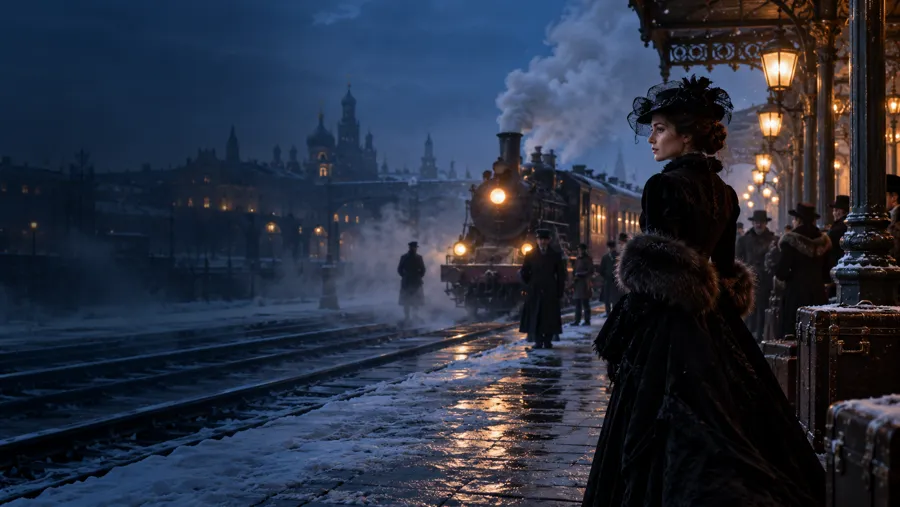
Tolstoy beyond War and Peace
War and Peace is the book everyone means to read. The other Tolstoy books are shorter, stranger and in one case banned from the American post, and several of them are the better place to begin.
 Reading lists · 4 min read
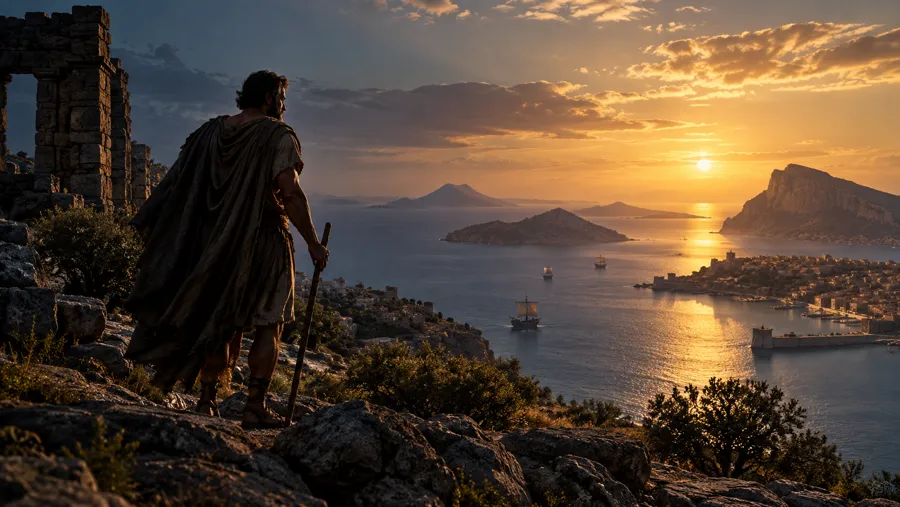
The great epics: where to begin
An angry hero, a long way home, a city founded in blood, a monster in the mead-hall, a journey through Hell and a war in Heaven. These are the great epic poems, and none of them is as forbidding as its reputation.
 Did you know? · 4 min read
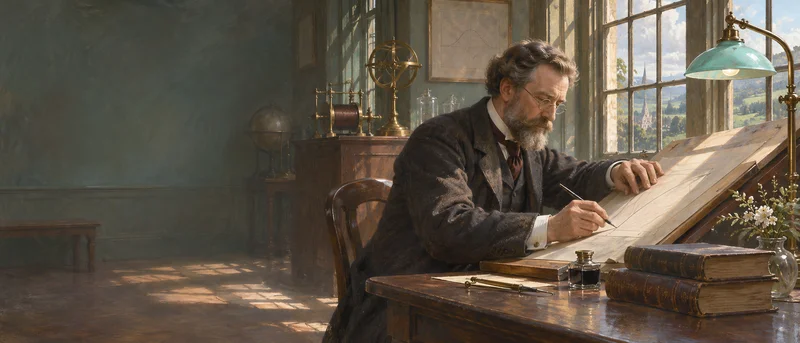
Calculus Made Easy: “What one fool can do, another can”
A Fellow of the Royal Society wrote a calculus book for people who were frightened of calculus, called himself a fool on the first page, and left his name off the cover. It has been in print for more than a century.
 Series & reading order · 3 min read
Did you know Alice in Wonderland has a sequel?
Tweedledum and Tweedledee, Humpty Dumpty, the Jabberwock and the Walrus and the Carpenter are not in Alice in Wonderland at all. They come from its sequel, Through the Looking-Glass, which many readers have half-read without knowing it.
 Young readers · 4 min read
Did you know the original fairy tales were darker? Grimm and Andersen
In the Grimms’ Cinderella, the stepsisters cut off parts of their own feet. In Andersen’s Little Mermaid, every step on land feels like treading on knives. The original fairy tales were never as gentle as their cartoons.
 Reading lists · 4 min read
Irish classics for St Patrick’s Day
For a small island, Ireland has produced an outrageous share of the books the world reads. Here is a St Patrick’s Day shelf of Irish literature classics, from Swift’s satire to Joyce’s Dublin and the myths that came before both.
 Books on screen · 4 min read
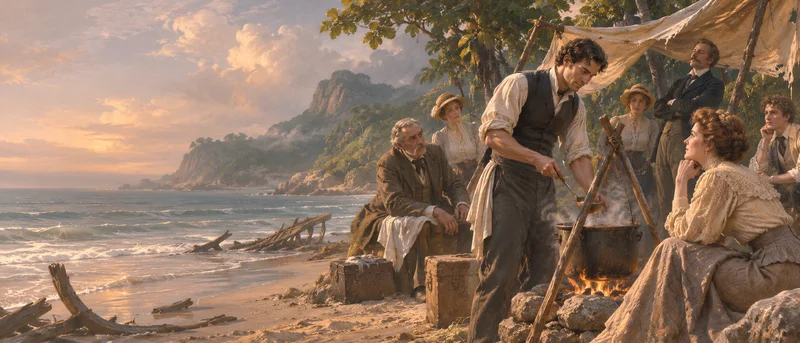
The Admirable Crichton on screen: Barrie’s castaway butler from DeMille to 1957
A butler who believes in class, an earl who pretends not to, and a shipwreck that turns them both inside out. Barrie’s comedy has been filmed under three titles, and neither of its best-known films quite dared to keep his ending.
 Authors · 4 min read
H. G. Wells’s forgotten novels: an angel, a mermaid and a comet
Between the scientific romances that made him famous and the comic novels that followed, H. G. Wells wrote five books almost nobody reads now. They are gentler, odder and funnier than his reputation, and he called one of them a more serious undertaking than anything he had done before.

 Did you know? · 4 min read
Did you know On the Origin of Species sold out to booksellers before it was even published?
The legend says Darwin’s great book sold out on the day it was published. The truth is stranger: every copy had gone before it reached the shops.
 Reading time · 3 min read
How long is Ulysses? Longer than its page count suggests
By our usual rule of thumb, Ulysses is an eight-hour book. When Irish radio performed every word of it in 1982, the broadcast lasted nearly thirty hours. The truth for most readers lies somewhere in between.