A swashbuckler is easy to recognise and hard to define: a historical adventure where the hero is brave, quick-witted and often funny, the plot runs on duels, disguises and narrow escapes, and honour matters more than common sense. Most of the great swashbuckler novels were written between the 1840s and the 1920s, and they gave the cinema of Douglas Fairbanks and Errol Flynn almost all its best stories.
This list gathers eleven of them. We have favoured books with real swordplay, a sense of humour and a pace that does not let up, and we have ranged from medieval England to revolutionary France. Begin anywhere; every one of them opens with a challenge.
Swashbuckler novels: the musketeers and their heirs
The Three Musketeers
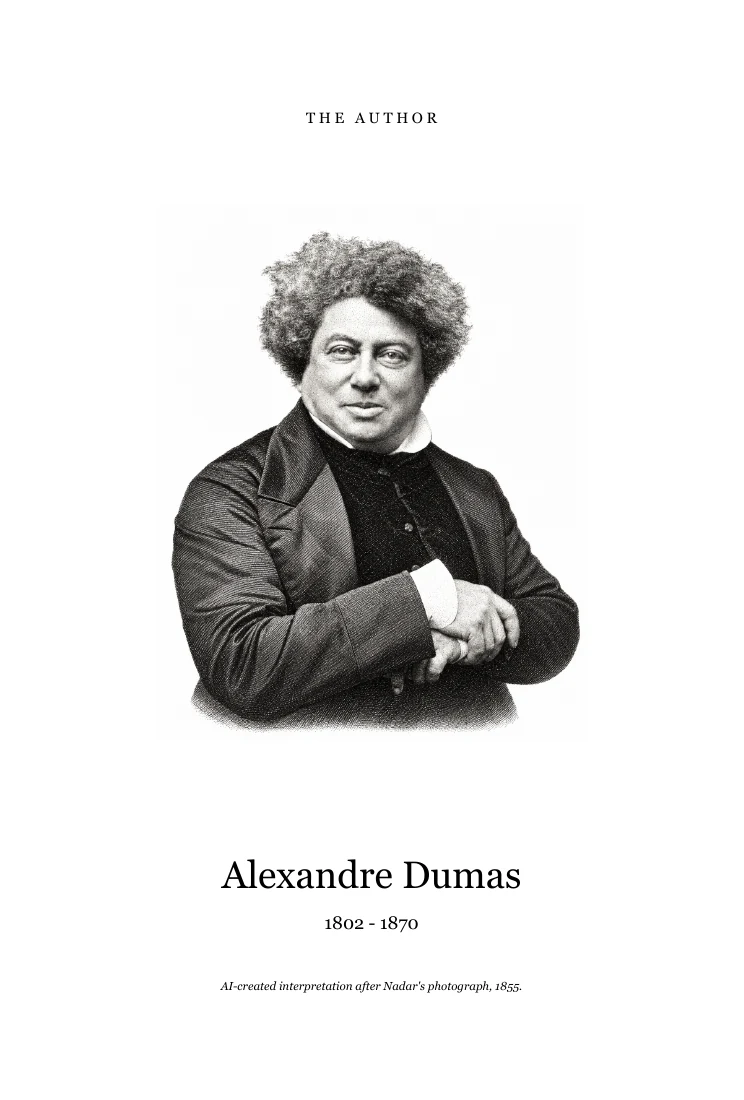
1844. D’Artagnan arrives in Paris from Gascony and manages to arrange duels with all three of the king’s musketeers in a single morning. By evening they are his friends for life. The book that defined the genre.
Scaramouche
1921. A young lawyer swears revenge for a friend killed in a duel, then hides in a troupe of travelling players and becomes a fencing master on the eve of the French Revolution.
Bardelys the Magnificent
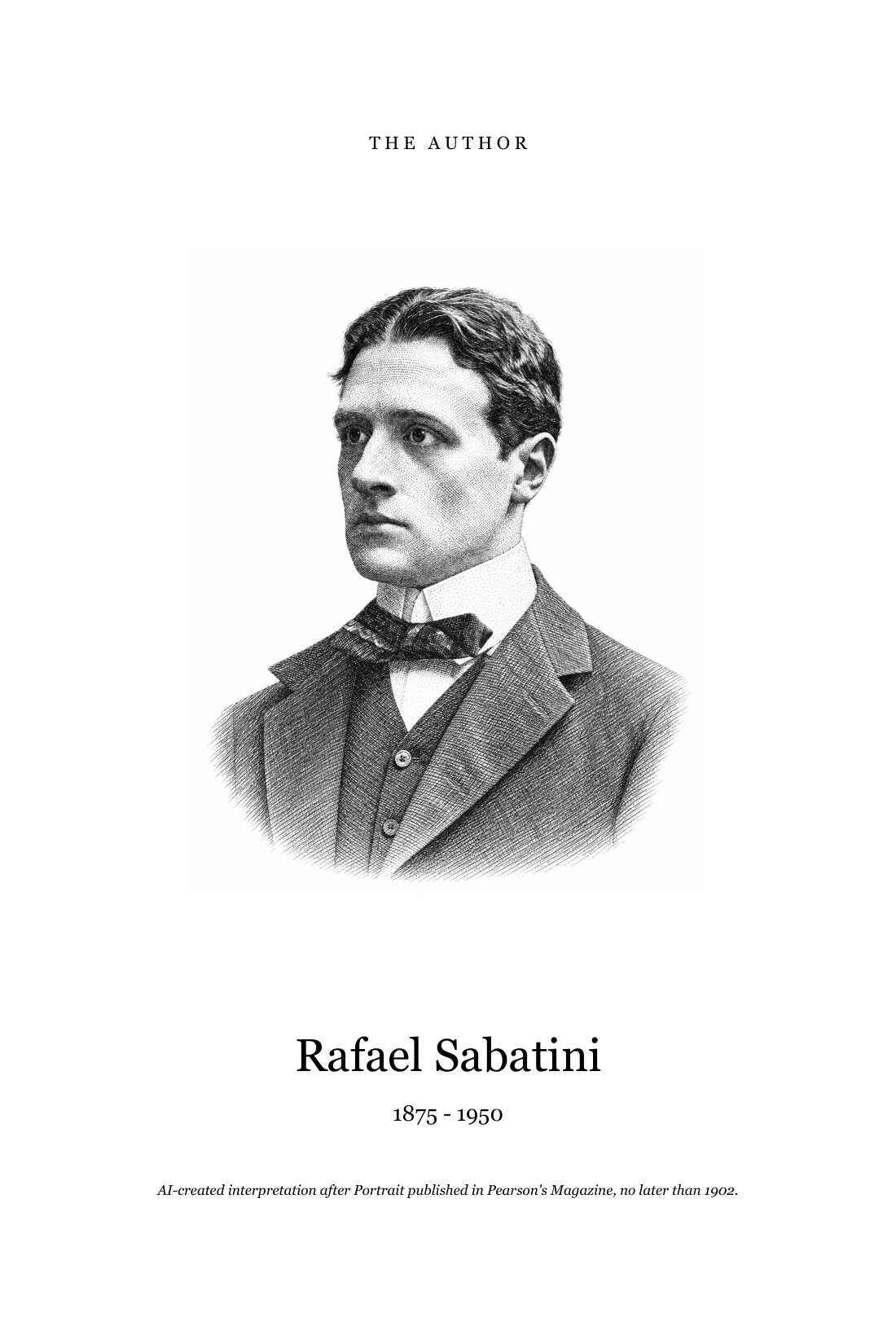
1906. A jaded courtier of Louis XIII wagers his estates that he can win the hand of a lady he has never met, and finds himself caught up in a rebellion. Sabatini at his lightest.
Captain Blood
1922. An Irish doctor, wrongly condemned and shipped to Barbados as a slave, escapes to become a buccaneer captain. Swashbuckling at sea.


Alexandre Dumas based d’Artagnan loosely on a real officer, Charles de Batz de Castelmore, whose supposed memoirs he found in an earlier book. The real man served in the king’s musketeers and, like his fictional double, died in battle. We explore the history in Did you know d’Artagnan was real?
Rafael Sabatini was Dumas’s natural successor, and Scaramouche opens with one of the best first lines in adventure fiction:
He was born with a gift of laughter and a sense that the world was mad.
Rafael Sabatini, Scaramouche (1921)
Masks, doubles and secret identities
Some swashbucklers fight with a sword; others fight with a disguise. These two gave the twentieth century two of its favourite plots.
The Scarlet Pimpernel
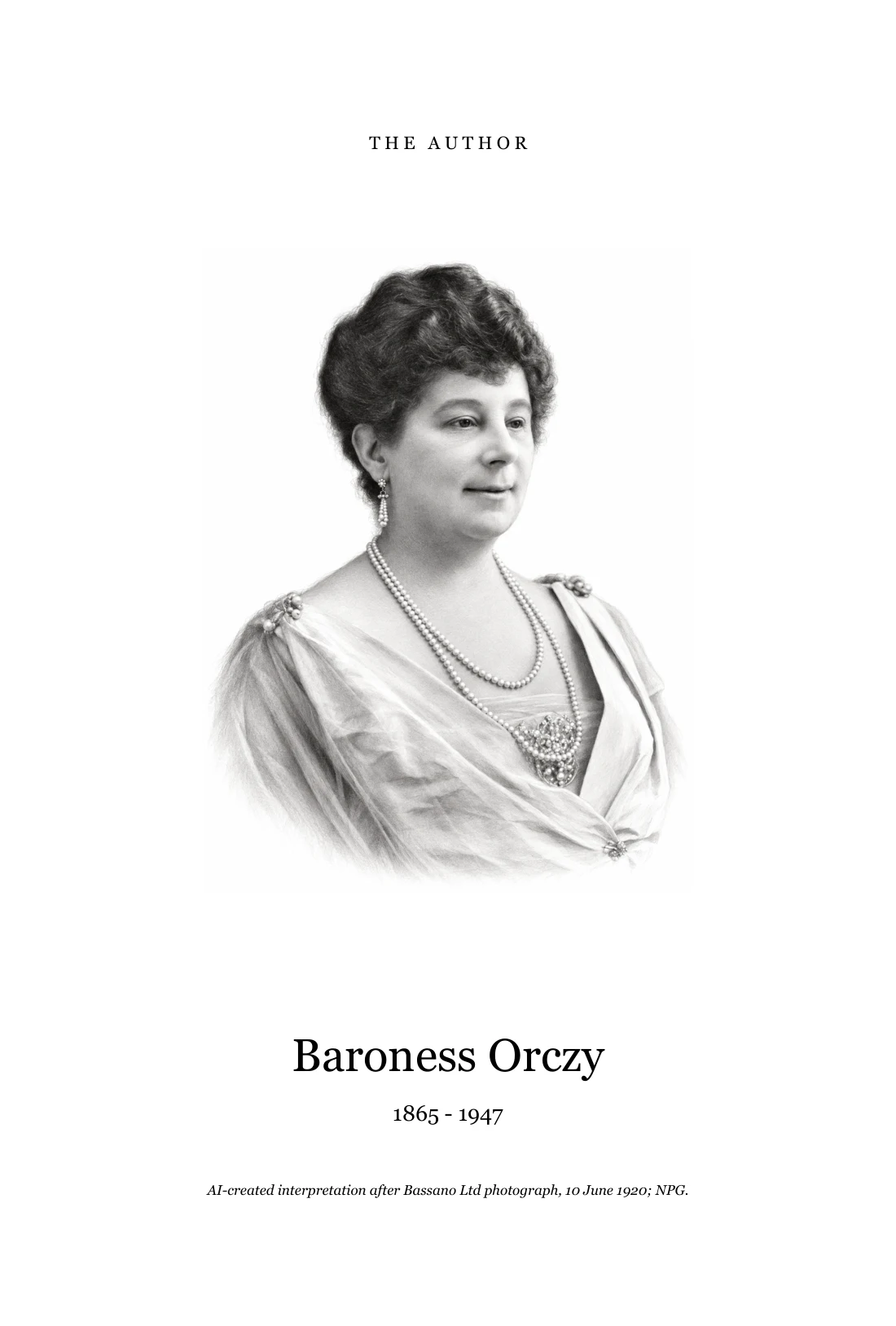
1905. A mysterious Englishman smuggles aristocrats out of revolutionary Paris, leaving only a calling card with a small red flower. Often called the ancestor of every hero with a secret identity.
The Prisoner of Zenda
1894. An idle English gentleman happens to be the double of a king about to be crowned, and is asked to take his place when the king is drugged. It invented the imaginary kingdom of Ruritania.


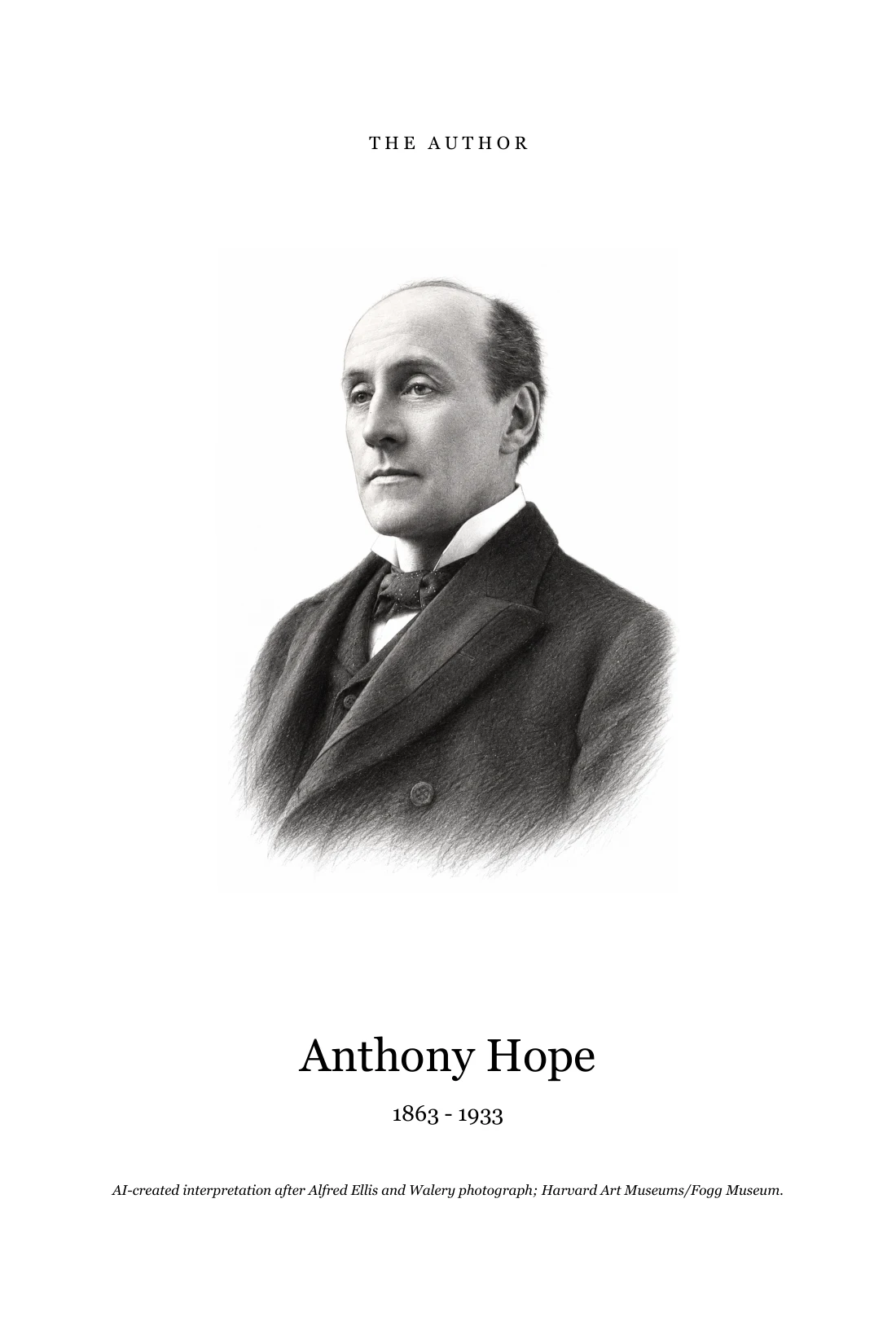
Both were huge popular successes. The Scarlet Pimpernel actually reached the stage before it appeared as a novel, as we explain in Did you know The Scarlet Pimpernel was a play first?, and Anthony Hope’s Ruritania gave its name to a whole genre of adventures in invented European countries. Hope wrote a sequel, Rupert of Hentzau, named after the most charming villain in the first book.
Knights, archers and outlaws
Before the rapier came the longbow and the broadsword. These older settings are just as rich in daring.
The Merry Adventures of Robin Hood
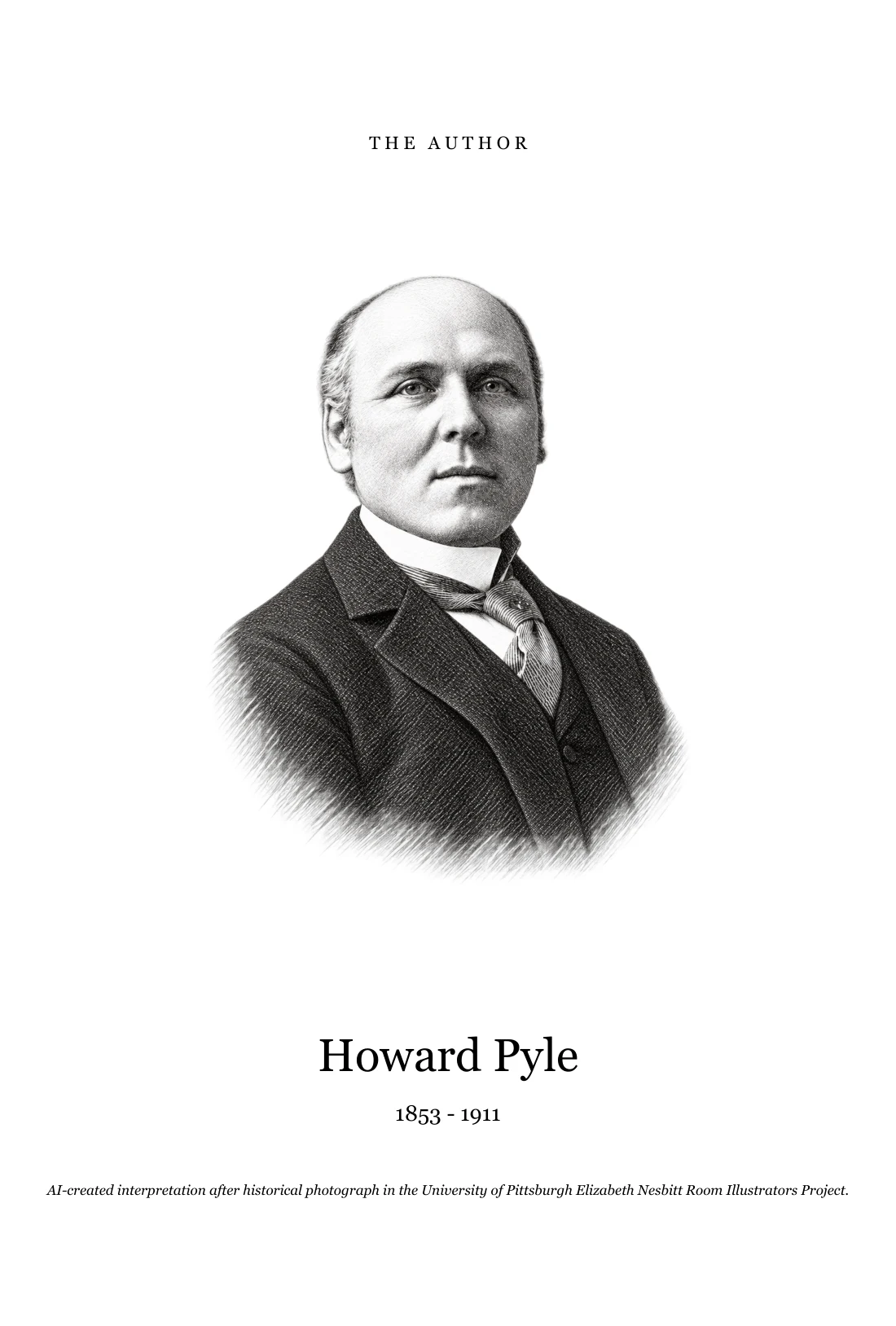
1883. Howard Pyle’s Robin Hood fights with a quarterstaff more often than a sword, but no book has more cheerful brawling, tricking and feasting in the greenwood.
Ivanhoe
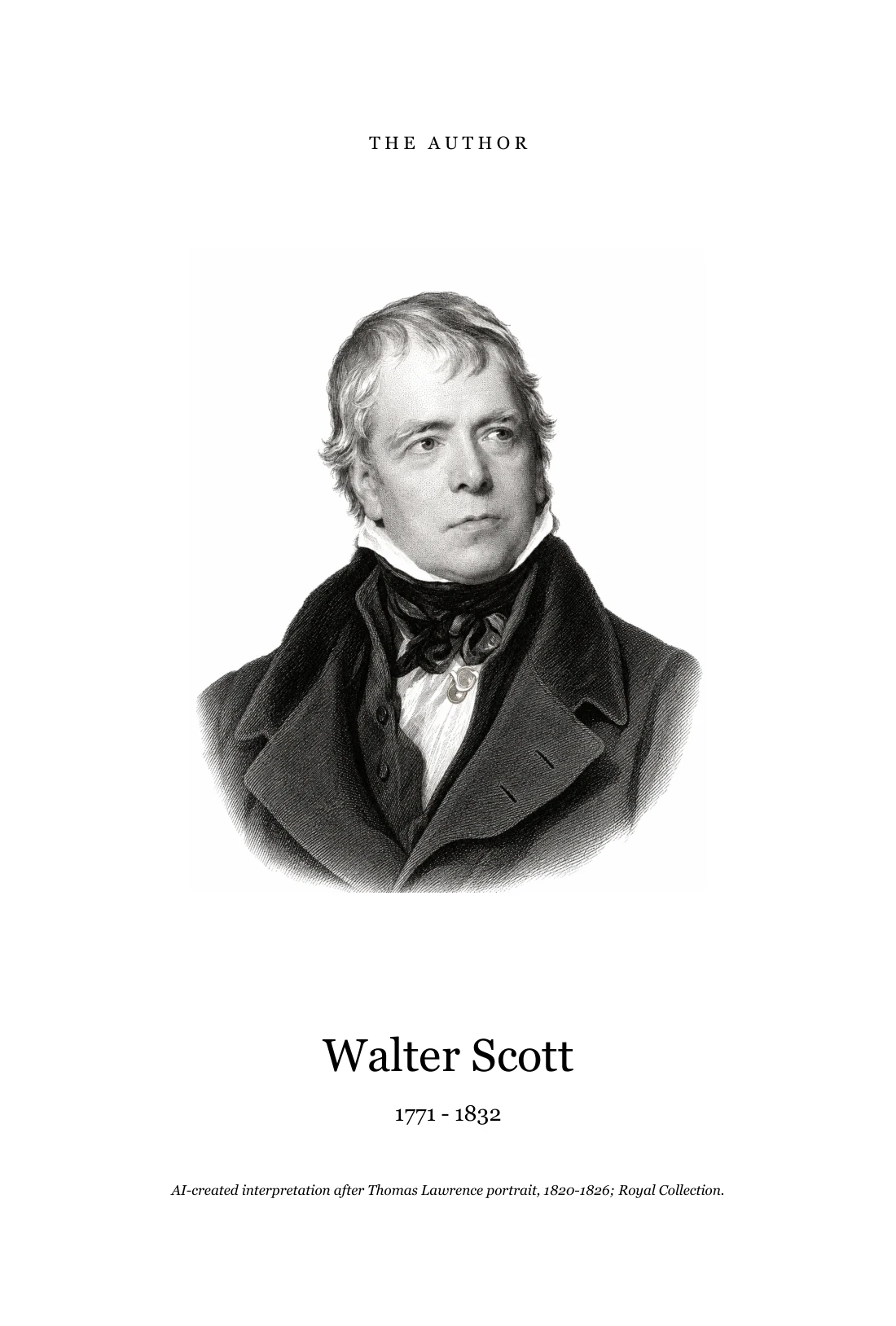
1819. A disinherited knight, a great tournament, a besieged castle and Robin of Locksley among the archers. Scott’s most famous novel, and the grandfather of the genre.
The White Company
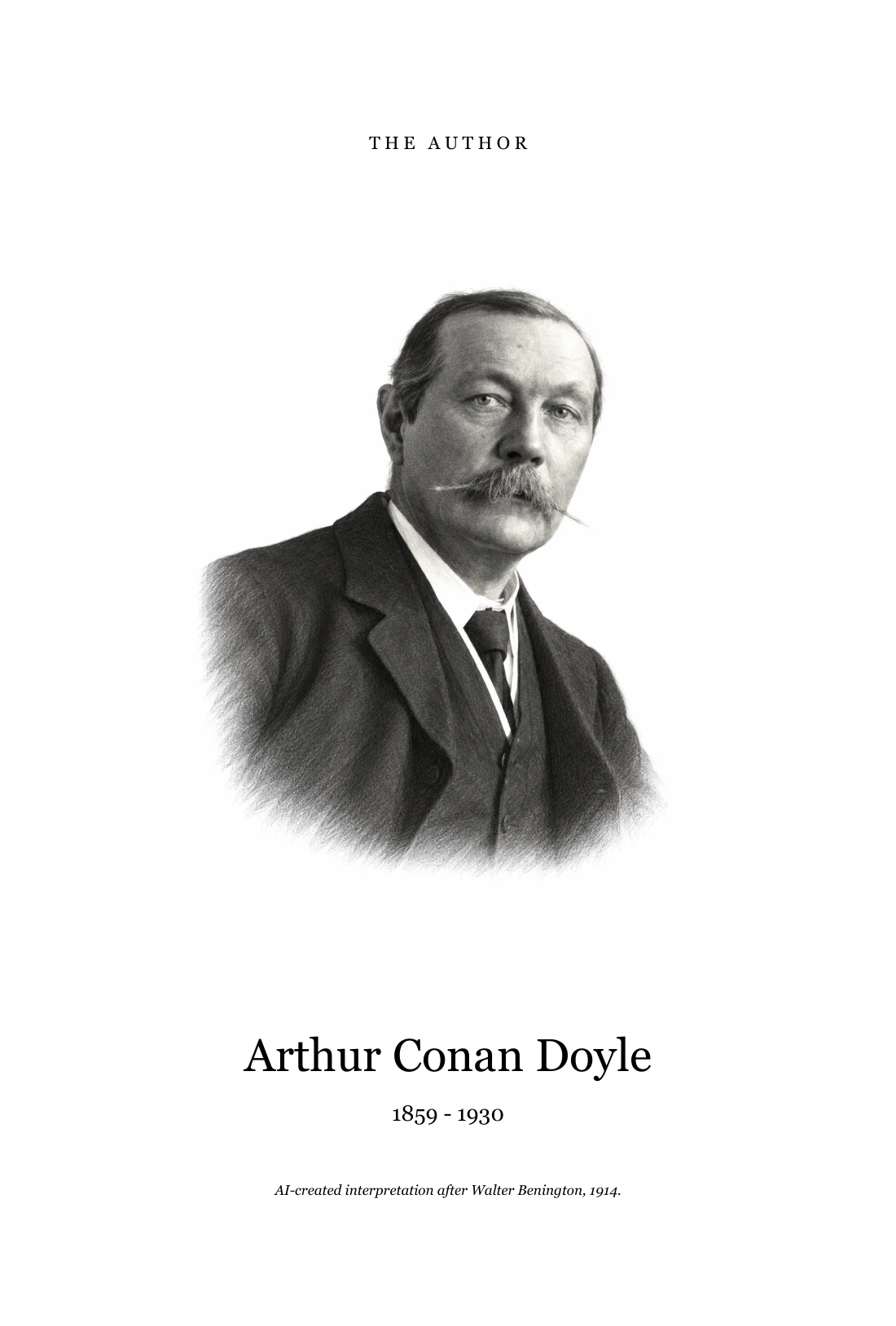
1891. A young man raised in a monastery joins a company of English archers bound for the wars of the fourteenth century in France and Spain. Conan Doyle rated his historical novels above Sherlock Holmes.
The Exploits of Brigadier Gerard
1896. The Napoleonic adventures of a hussar who is magnificently brave, unshakeably vain and never quite as clever as he thinks. Conan Doyle at his funniest.


A sword fight in verse
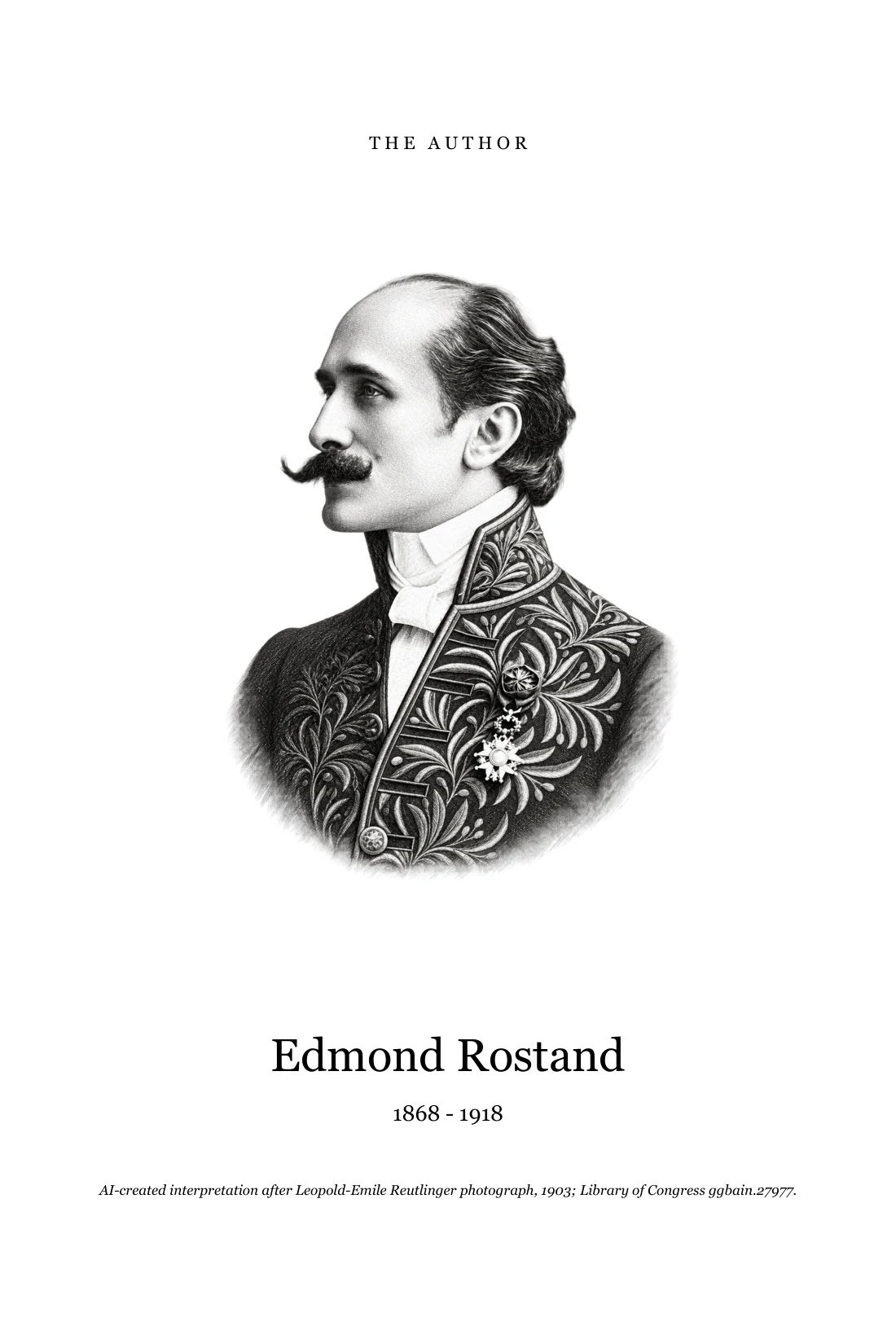
Read more about the real Cyrano in Did you know Cyrano de Bergerac was real?
Which swashbuckler novel should I read first?
If you want the full banquet, read The Three Musketeers; it is long, but it moves like a horse at the gallop. If you want something you can finish in a weekend, The Prisoner of Zenda is short, witty and perfectly constructed. For the purest blend of revenge, romance and swordsmanship, choose Scaramouche.
If your heart is at sea, our list of classic pirate novels has more of Sabatini’s buccaneers, and the rest are on the adventure shelf. Pour something, draw the curtains and let d’Artagnan ride into Meung on his yellow horse.
Questions readers ask
What is a swashbuckler novel?
A swashbuckler is a historical adventure built around a bold, witty hero, sword fights, disguises and daring escapes. The Three Musketeers and The Scarlet Pimpernel are classic examples.
What is the best swashbuckling novel?
The Three Musketeers by Alexandre Dumas is the usual answer, and it set the pattern for the genre. Scaramouche and Captain Blood by Rafael Sabatini are close rivals.
Who wrote the most swashbuckler novels?
Among classic writers of swashbuckler novels, Alexandre Dumas and Rafael Sabatini were the most prolific. Sabatini wrote dozens of historical adventures, including Scaramouche, Captain Blood and The Sea-Hawk.