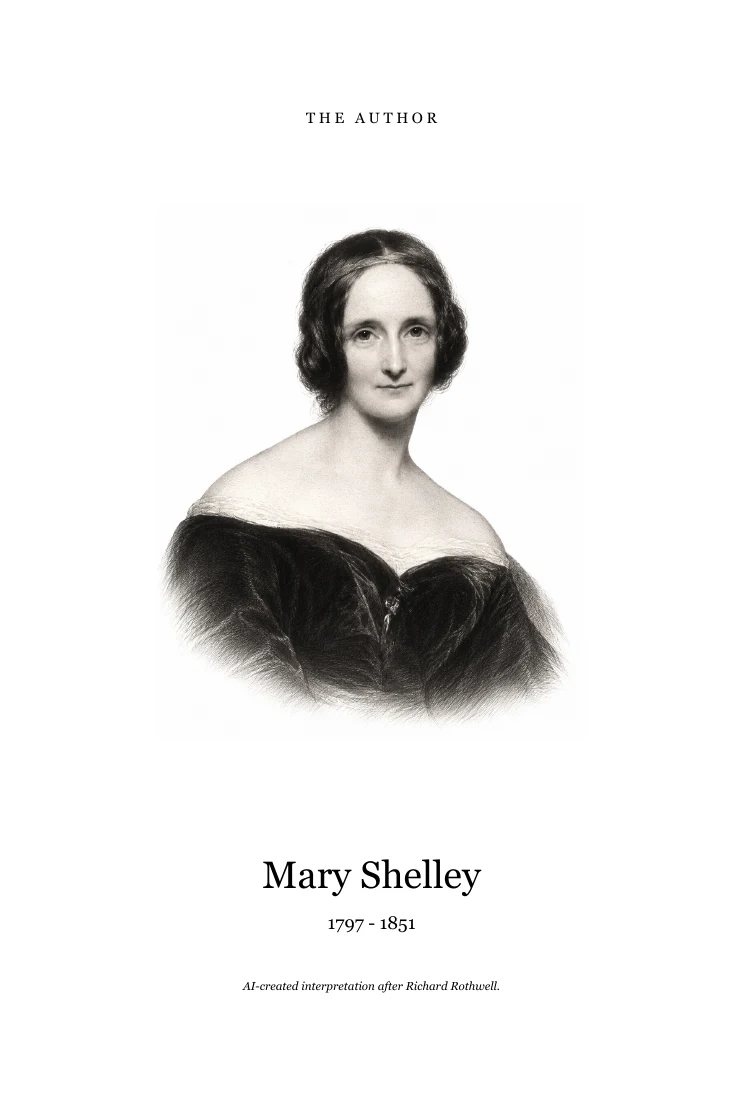
The biggest difference between the Frankenstein book and movie is the creature himself. In James Whale’s 1931 film, Boris Karloff’s monster barely speaks. In Mary Shelley’s 1818 novel, he teaches himself to read and talk, and tells a large part of the story in his own eloquent voice. The novel has no hunchbacked assistant, no stolen criminal brain and no lightning-lit laboratory either.
That does not make the films wrong. The 1931 film is a classic in its own right and created the image the whole world now recognises. But the book is another creature entirely, and most people who pick it up are surprised by how sad and how intelligent it is.
Frankenstein book vs. movie: what changed
- The creature talks. In the novel he learns language by secretly watching a family of cottagers, then reads Paradise Lost, Plutarch’s Lives and Goethe’s The Sorrows of Young Werther.
- No Igor. Victor Frankenstein works alone. The 1931 film gave him a hunchbacked assistant, Fritz, a name borrowed from a servant in an 1823 stage version, and the name Ygor arrived later, for Bela Lugosi’s broken-necked blacksmith in Son of Frankenstein (1939).
- No stolen brain. The film’s mix-up with a criminal’s brain is its own invention, and it changes the story: Shelley’s creature is not born bad.
- No storm-lit creation scene. Shelley is deliberately vague about how the creature is brought to life, and Victor refuses to share his secret. The thunder, lightning and electrical machinery belong to the films.
- Victor, not Henry. In the 1931 film the scientist is Henry Frankenstein and his friend is Victor. The novel has it the other way round: Victor Frankenstein and his friend Henry Clerval.
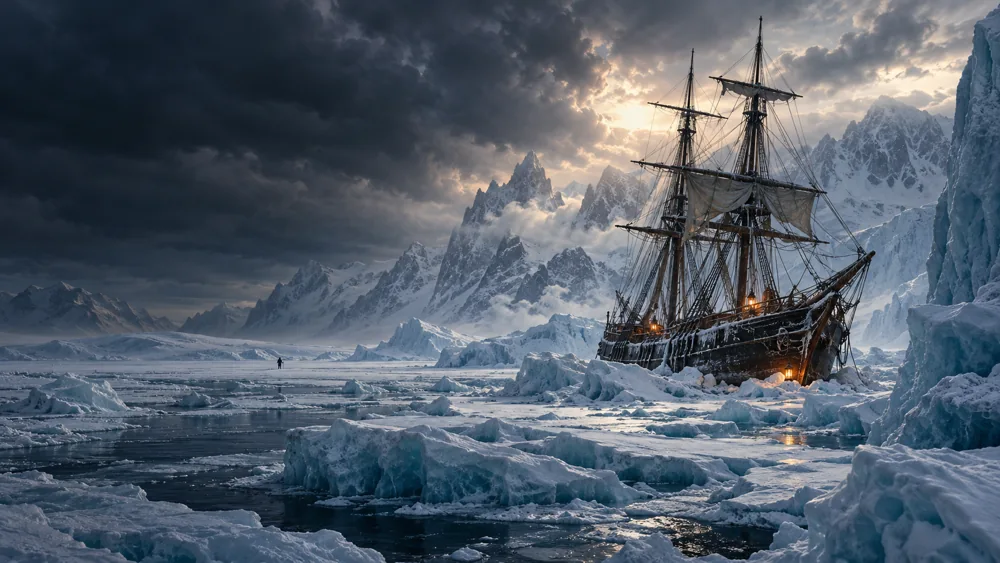
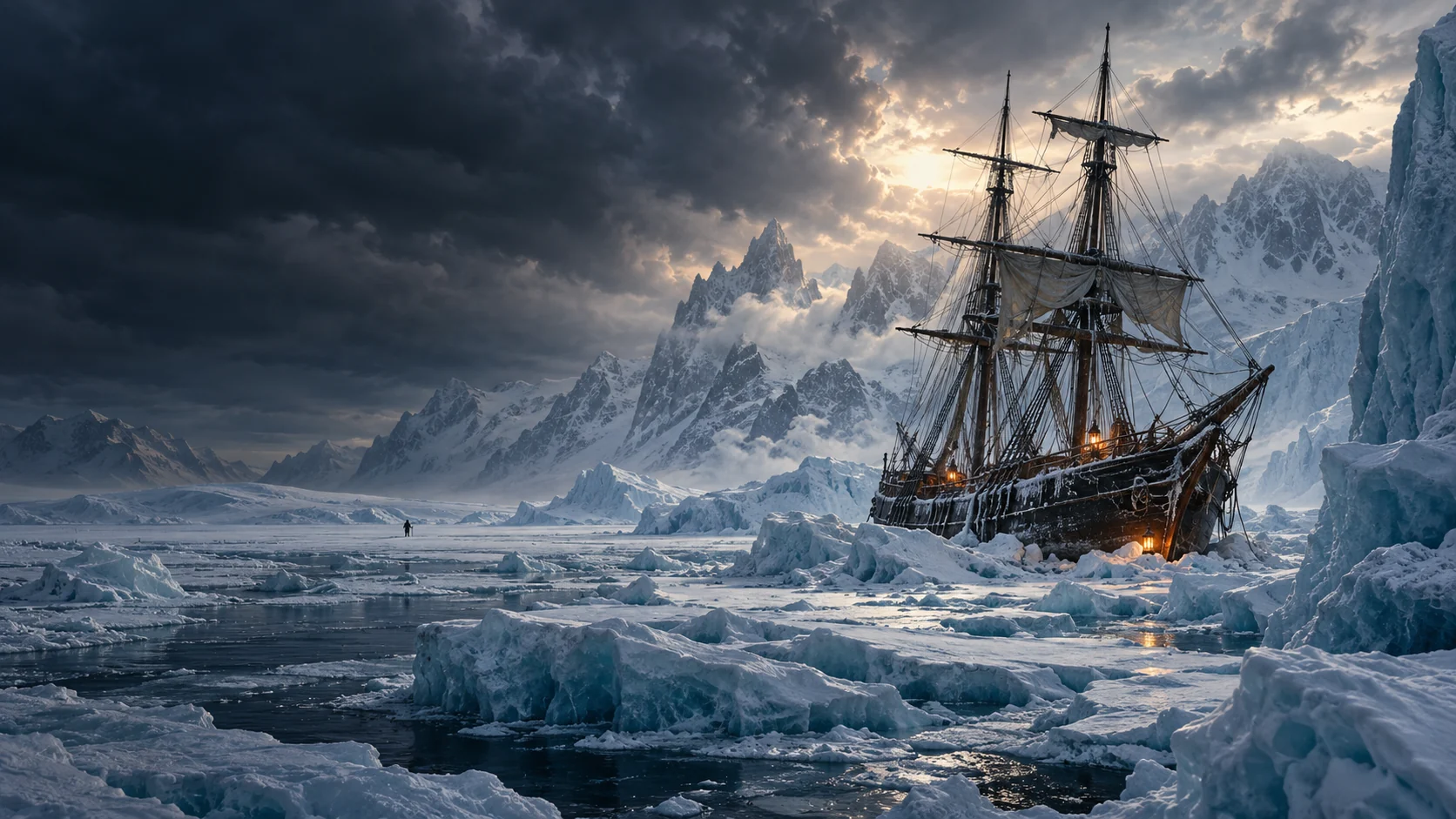
- The Arctic frame. The novel opens and closes with letters from an explorer, Robert Walton, whose ship is trapped in the ice. The 1931 film leaves this out.
Does Frankenstein’s monster talk in the book?
He does, and beautifully. At the centre of the novel, the creature confronts Victor high in the Alps and makes him listen to his story: his first confused sensations, his rejection by every human he meets, and the long winter he spends hidden beside a cottage, learning to speak and read by watching the family inside. It is the part of the book readers remember most.
I was benevolent and good; misery made me a fiend.
The creature, in Mary Shelley, Frankenstein (1818)
That is why the near-silent film monster changes the story so much. Shelley’s creature is not evil by nature; he is made, abandoned and despised, and his violence grows out of that. Karloff’s performance does catch some of this pathos, especially in the scene with the little girl by the lake, and the 1935 sequel gives the creature a handful of words. But the reasoning, arguing creature of the novel has rarely made it to the screen.
Nor is the creature called Frankenstein. That is the scientist’s name. Shelley’s narrators call his creation “the creature”, “the daemon”, “the wretch” and worse, but he is never given a name of his own, which is part of his tragedy.
The 1931 film and where it came from
James Whale’s Frankenstein (1931) was based less on the novel than on a stage adaptation by Peggy Webling, and it shows. The film is tight, theatrical and visual: the gothic laboratory, the angry villagers with torches, and the flat-topped head and neck bolts of Jack Pierce’s make-up. These images were made for the screen and belong to the film, not the book.
Bride of Frankenstein (1935) borrowed more from the novel, including a scene with a blind hermit that echoes the creature’s visit to the blind old man of the cottage. It also stages Shelley’s idea of a female companion, which in the book Victor begins to build and then destroys. Elsa Lanchester played both the Bride and, in a prologue, Mary Shelley herself.
Which Frankenstein film is closest to the book?
None is perfectly faithful. Kenneth Branagh’s Mary Shelley’s Frankenstein (1994), with Robert De Niro as the creature, keeps the Arctic frame and lets the creature speak, though it adds plenty of its own. Guillermo del Toro’s 2025 adaptation, with Jacob Elordi as the creature, also gives him his voice back.
There are many others. A short silent Frankenstein was made as early as 1910; The Curse of Frankenstein (1957), with Peter Cushing as a cold, ruthless Baron, began a long British film series; and Mel Brooks’s Young Frankenstein (1974) is a loving parody of the 1930s films rather than the novel.
Frankenstein
1818. The original: a scientist, an abandoned creature and a pursuit from the Alps to the Arctic. Shorter than you might think, and far more moving.
The Vampyre
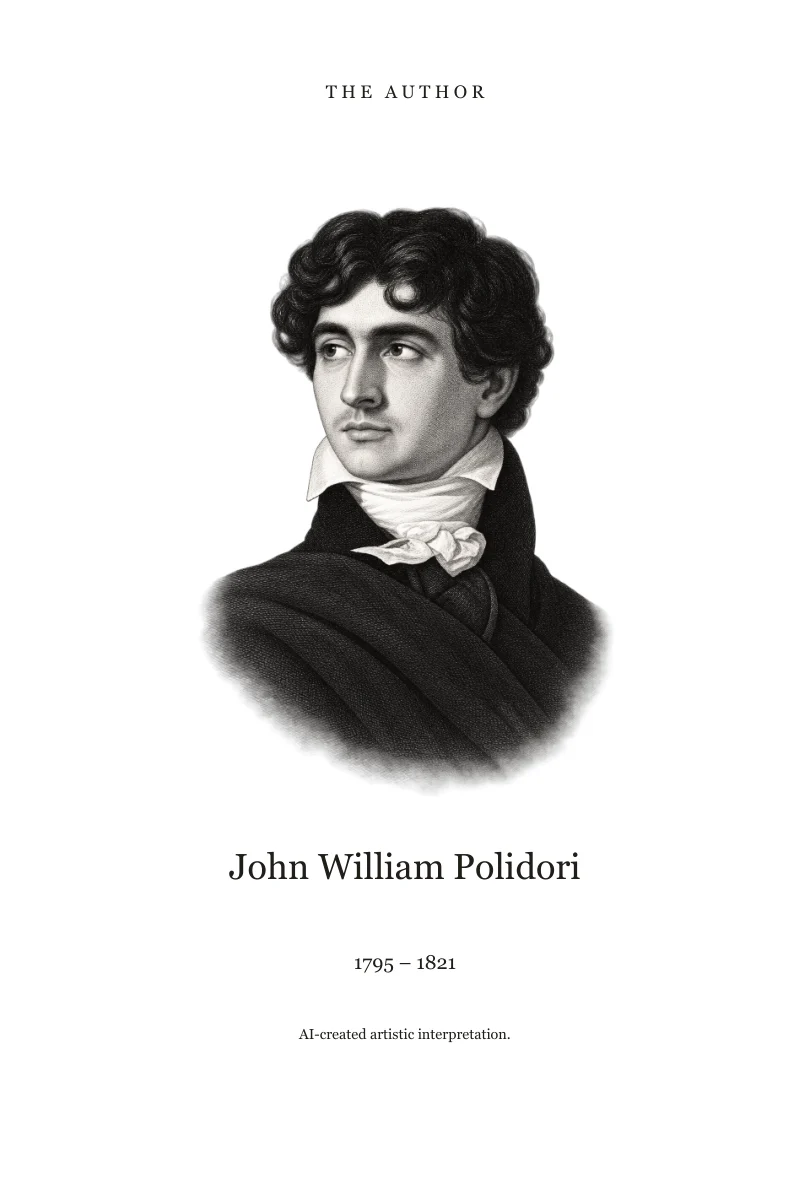
1819. John Polidori’s tale, begun in the same summer of ghost stories by Lake Geneva, and often called the first modern vampire story in English.
The Last Man
1826. Mary Shelley’s later novel of a plague that wipes out humanity, for readers who want more of her.


If you know the films and want the book, the good news is that it is short and gripping. For more, see our best gothic novels, the story of the ghost-story contest behind Frankenstein and The Vampyre, or the whole gothic shelf.
Or simply start with Frankenstein, and wait for the moment the creature begins to speak.
Questions readers ask
Does Frankenstein’s monster talk in the book?
Yes. In Mary Shelley’s novel the creature teaches himself to speak and read, and narrates a large part of the book in his own words. The near-silent monster comes from the 1931 film.
Is there an Igor in the Frankenstein book?
No. Victor Frankenstein works alone in the novel. The 1931 film added a hunchbacked assistant called Fritz, and the name Ygor entered the films with Son of Frankenstein (1939), where he is a blacksmith rather than a lab assistant.
Is Frankenstein the name of the monster?
No. Frankenstein is the scientist, Victor Frankenstein. His creation is never given a name in the novel.
Which Frankenstein movie is most like the book?
Kenneth Branagh’s Mary Shelley’s Frankenstein (1994) is one of the closest, keeping the Arctic frame and the speaking creature, though it still adds and changes a good deal.