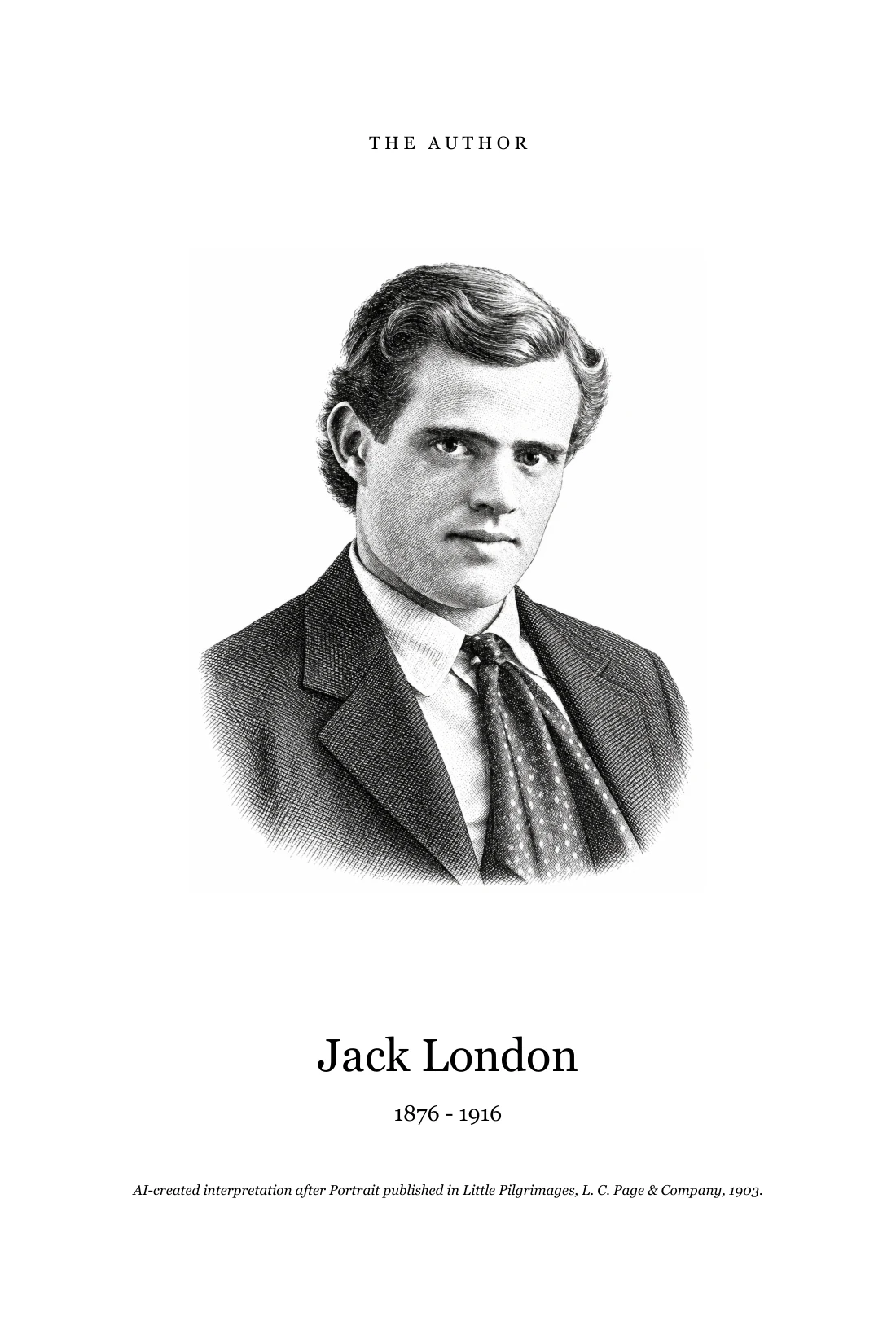
Jack London’s memoir of drink begins on an election day in California. He has had several drinks before casting his ballot and several more after it, and when he rides home his wife Charmian asks how he voted on the women’s suffrage amendment. He voted for it, he tells her, because when women get the vote they will vote for prohibition. By the end of the conversation she has told him to write the whole story down.
That is what the best classic autobiographies do: they begin with a reason. A saint wants to explain his conversion, a printer wants to show his son how a poor boy can rise, a captive wants to give thanks for her survival. The seven books below span more than fifteen hundred years, and each one was written to make a case.
Confessions, 1,400 years apart
Two of the most famous classic memoirs share a title, and they could hardly be more different.
The Confessions of St. Augustine
c. 397–400. Thirteen books addressed to God, the first nine telling the story of Augustine’s restless youth, his years among the Manichees and his conversion in a garden in Milan. One of the earliest and most influential spiritual autobiographies in Western literature.
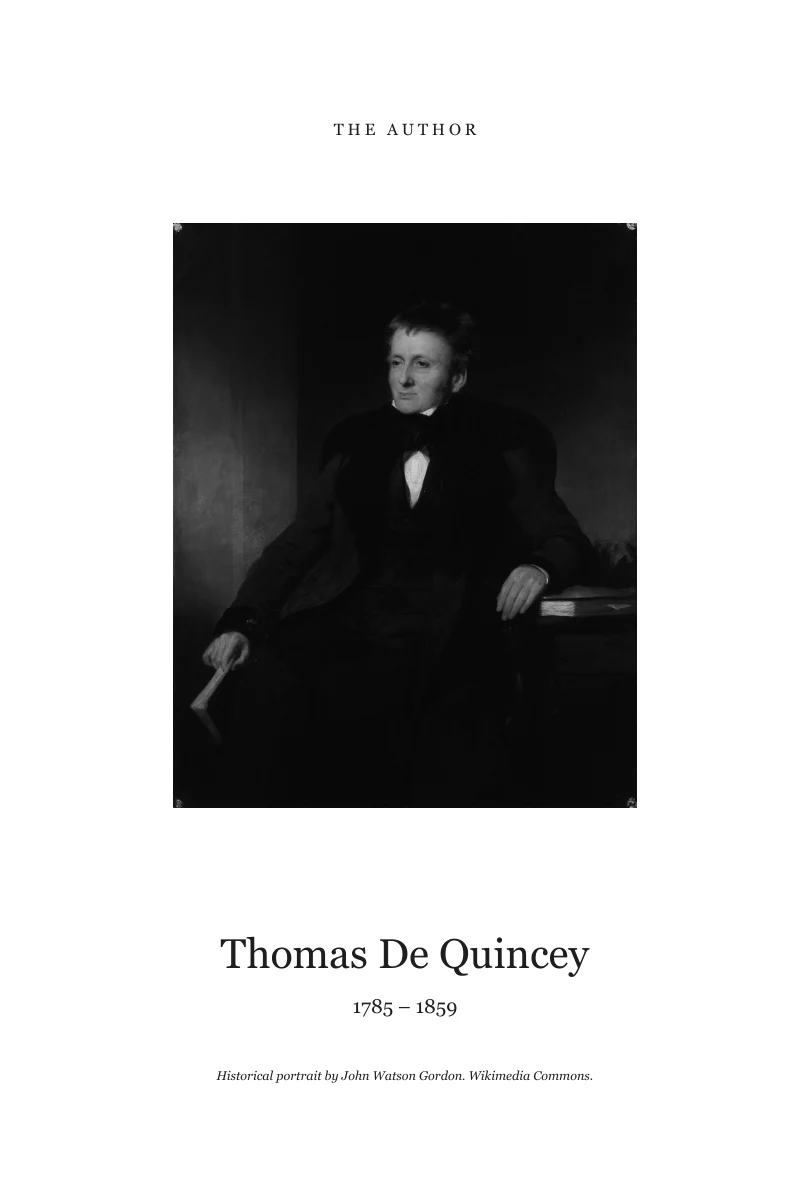
Confessions of an English Opium-Eater
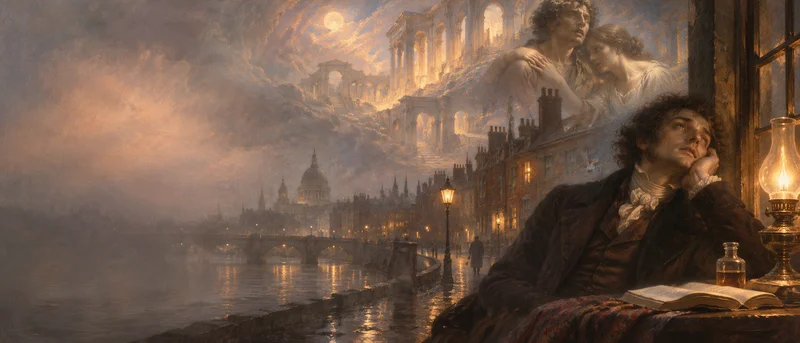
1821. Thomas De Quincey’s account of his years of laudanum addiction, his teenage wanderings in London and the vast, terrifying dreams the drug gave him. It appeared anonymously in two issues of The London Magazine, and the revelation of its author made him famous.


Augustine’s honesty is still startling. He spends pages on a theft of pears he committed as a teenager, which he did not even want to eat, and recalls the prayer he made as a young man:
Give me chastity and continency, only not yet.
Augustine, Confessions, Book VIII, translated by E. B. Pusey
For Augustine’s place in a longer tradition of devotional writing, see Classic spiritual books, from Augustine to Julian of Norwich.
Self-made lives: Franklin and Stanton
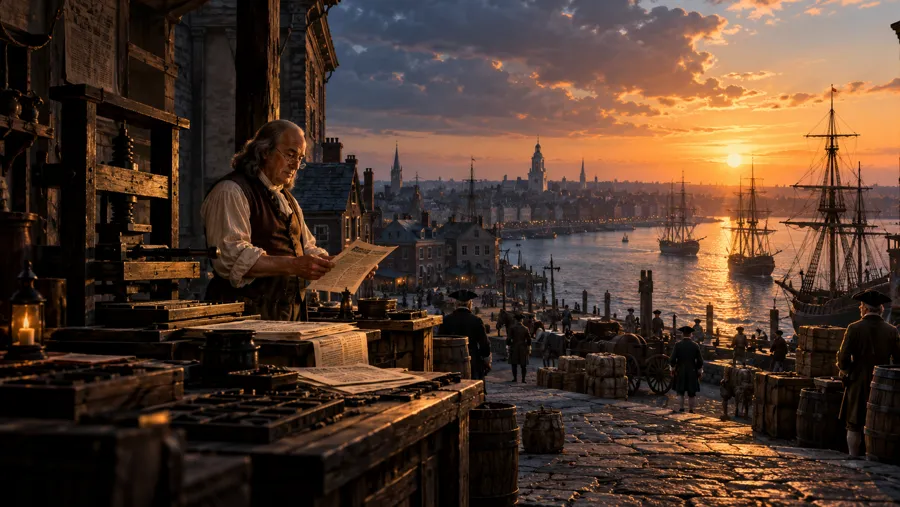
The Autobiography of Benjamin Franklin
Written 1771–90. Begun as a letter to his son, Franklin’s unfinished memoir follows a runaway printer’s apprentice to Philadelphia, fame and public life, and includes his famous plan for moral perfection by thirteen virtues. It breaks off in 1758.
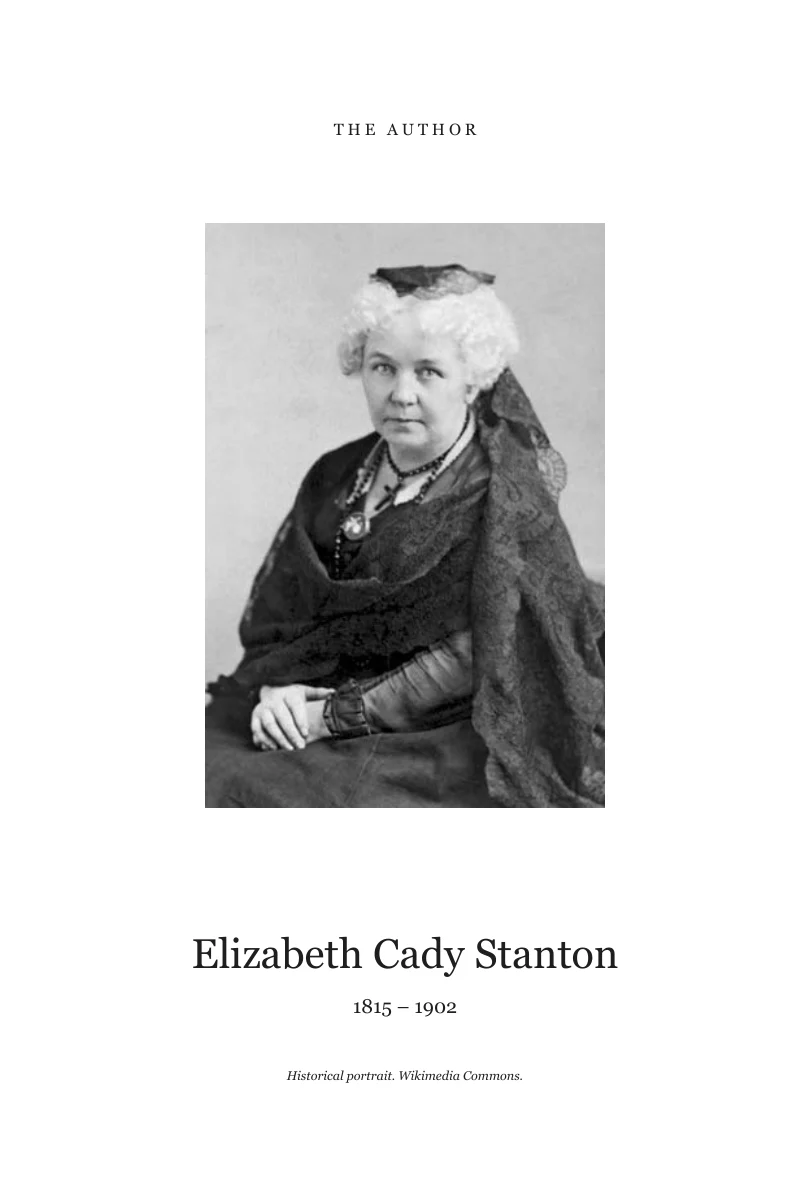
Eighty Years and More
1898. Stanton’s reminiscences, from a childhood in upstate New York to the 1848 Seneca Falls Convention and half a century of campaigning. Dedicated to Susan B. Anthony, “my steadfast friend for half a century”.


Benjamin Franklin never finished his story, and its publishing history is as odd as its author. The first edition, in 1791, was a French translation published in Paris; English readers had to wait until 1793 for a version in their own language.
Survival stories
Some memoirs are written because the writer has come through something most readers never will.
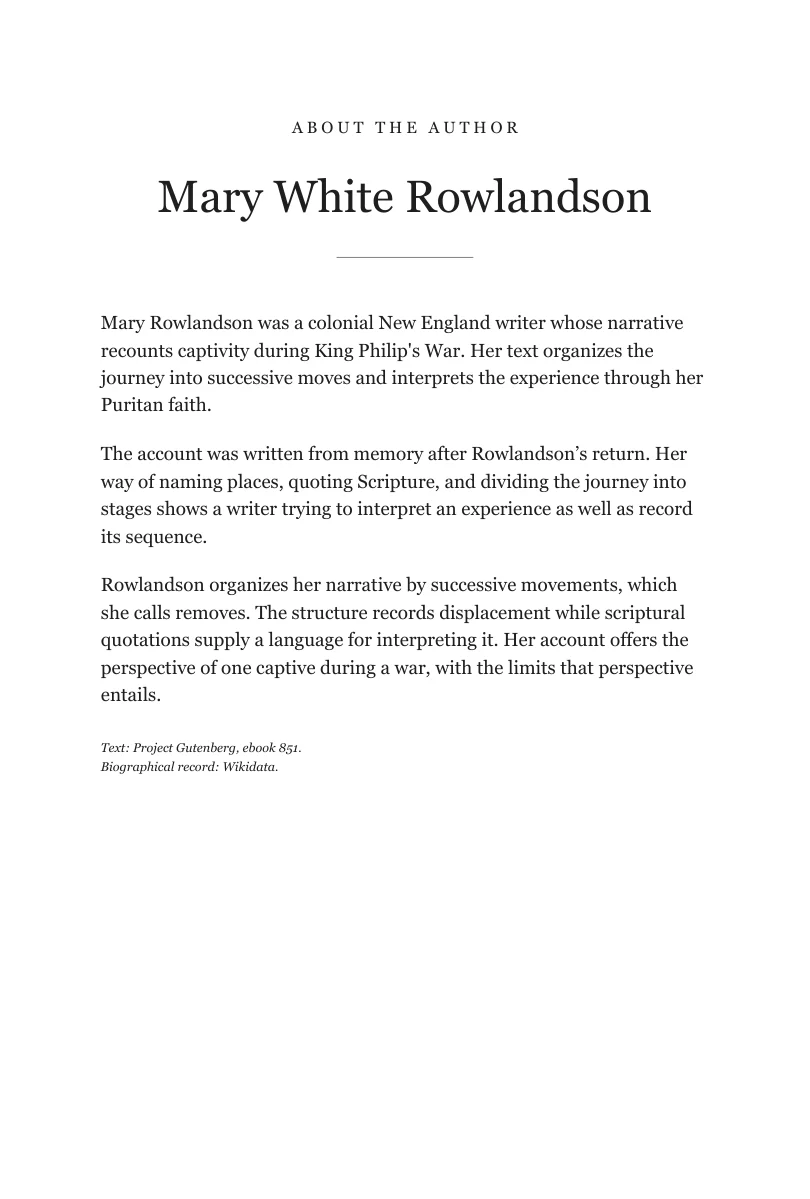
Narrative of the Captivity and Restoration of Mrs. Mary Rowlandson
1682. Mary Rowlandson was taken captive with her three children when Lancaster, Massachusetts, was attacked during King Philip’s War, and was held for eleven weeks and five days. Four editions were printed in the year it came out, and it is often called one of America’s first bestsellers.
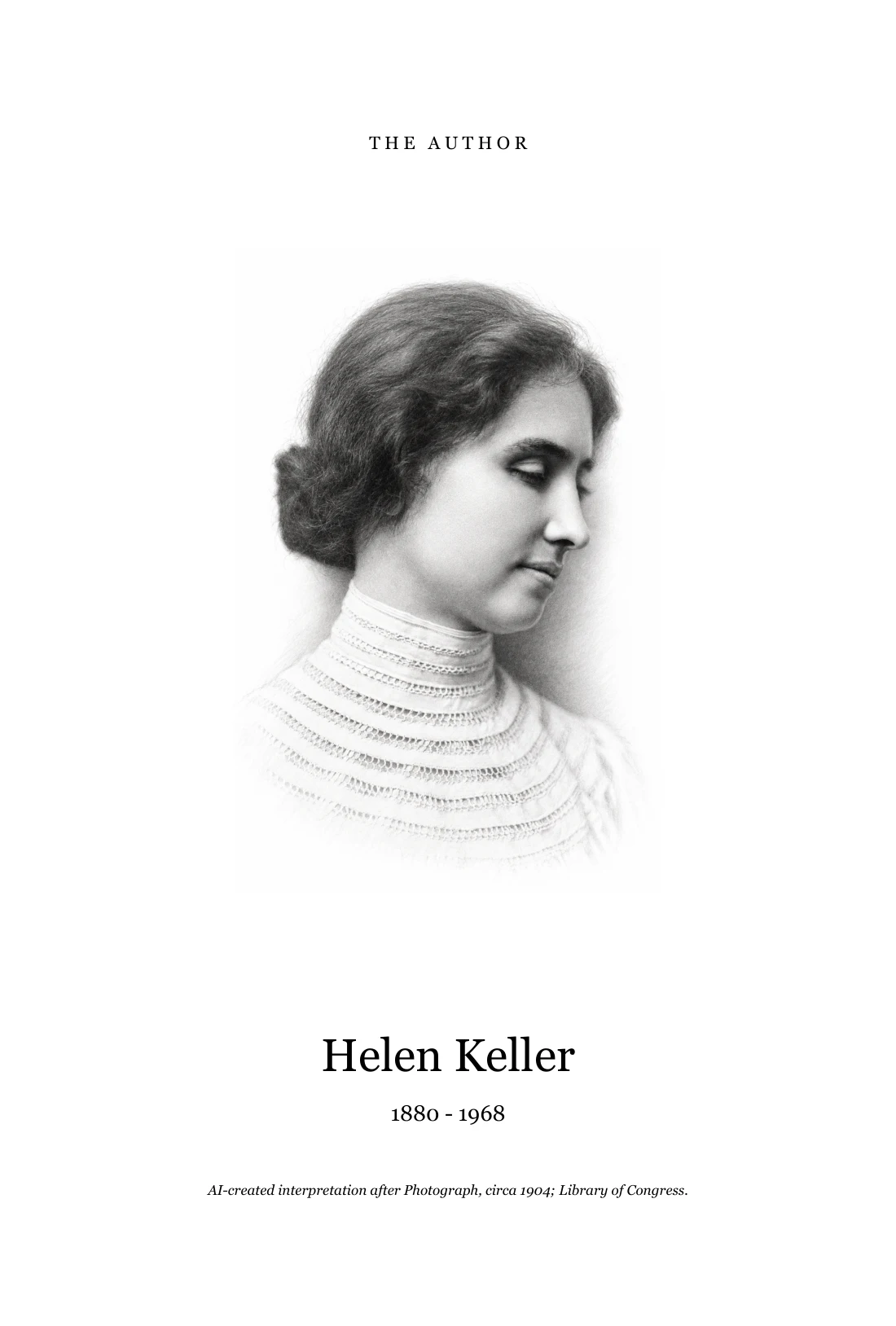
The Story of My Life
1903. Helen Keller’s account of her childhood, the arrival of Anne Sullivan and the day the word “water” made sense, written while she was a student at Radcliffe College. Parts first appeared in The Ladies’ Home Journal.
John Barleycorn
1913. Jack London’s “alcoholic memoirs”, from his first drink as a small boy through the oyster boats and saloons of his youth to the bleak “White Logic” of drink in middle age. Candid, self-mocking and alarming.


Rowlandson’s narrative reflects the Puritan view of the war and of the Native people who held her, and modern readers will notice how little room she gives their side of the story. It remains a vivid first-hand record of a frontier war, and the model for a whole American genre of captivity narratives. Keller’s book has its own story, which we tell in Did you know Helen Keller wrote The Story of My Life as a college student?
Which classic autobiography should you read first?
For drama, start with Keller or Rowlandson; both can be read in a day. For ideas, Augustine and Franklin are the two great opposites, one looking inward at the soul, the other outward at the useful life. And if you want sheer prose, De Quincey’s opium dreams are among the most extraordinary pages the Romantic age produced.
Many of the most powerful American memoirs were written by people who had escaped slavery, and they deserve a shelf of their own: see Did you know Frederick Douglass wrote three autobiographies? and Did you know Olaudah Equiano’s memoir helped end the British slave trade?
To begin at the beginning, though, open The Confessions of St. Augustine and meet a teenager in North Africa, shaking down a pear tree near his family’s vineyard for fruit he didn’t even want.
Questions readers ask
What is considered the first autobiography?
Augustine’s Confessions, written in about 397–400, is widely regarded as one of the earliest and most influential autobiographies in Western literature, though it is a spiritual autobiography addressed to God rather than a full life story.
When was Benjamin Franklin’s autobiography published?
Franklin wrote it between 1771 and 1790 but never finished it. It was first published in French in Paris in 1791, and the first English edition followed in 1793.
What are the best classic memoirs?
Strong choices include Augustine’s Confessions, Franklin’s Autobiography, De Quincey’s Confessions of an English Opium-Eater (1821), Elizabeth Cady Stanton’s Eighty Years and More (1898), Helen Keller’s The Story of My Life (1903) and Jack London’s John Barleycorn (1913).