

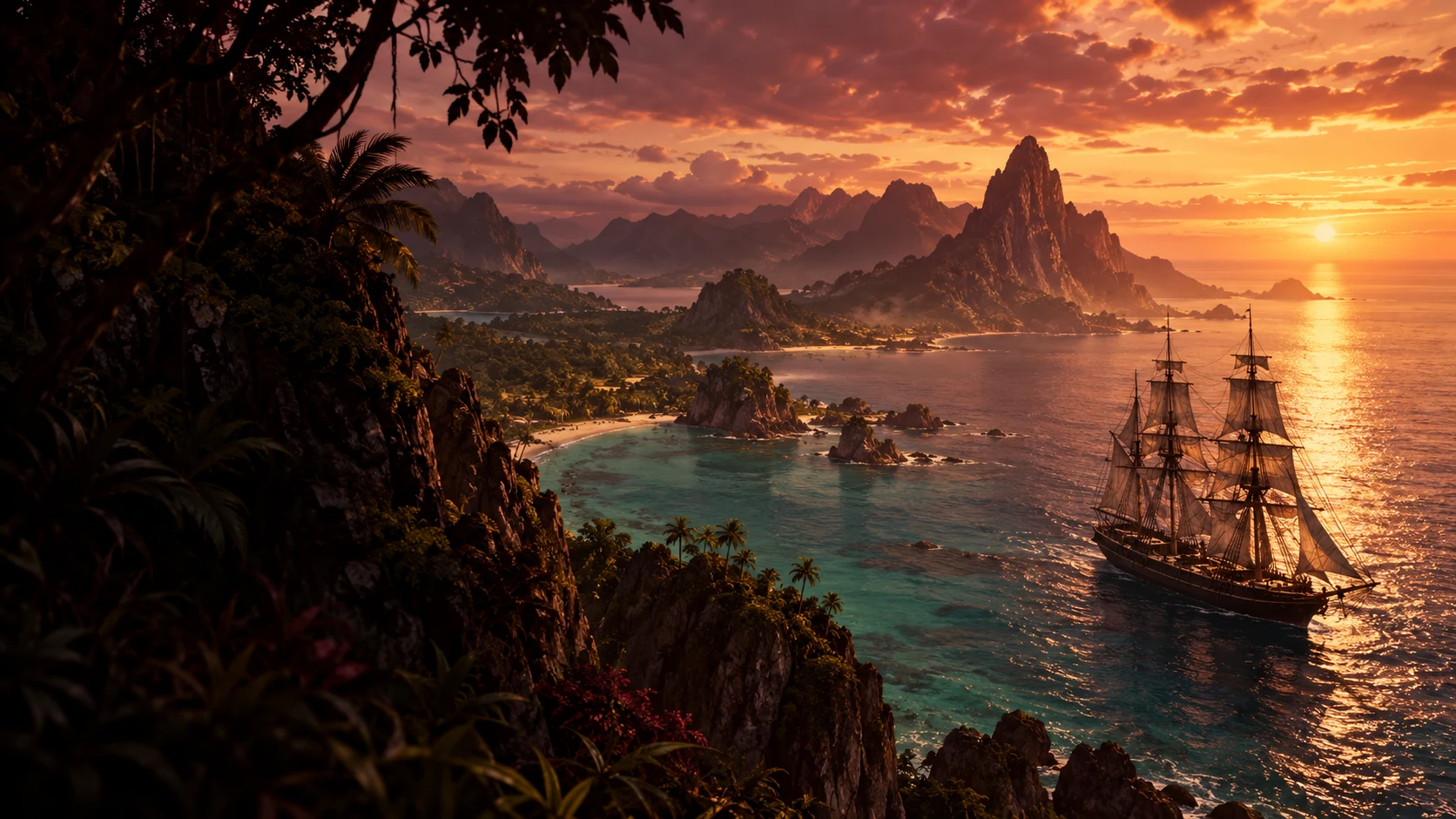
When The Blue Lagoon was filmed on the Fijian island of Nanuya Levu in 1979, the cameras caught an array of animals from several continents. Among them was an iguana that the herpetologist John Gibbons had only just found on a different Fijian island. An associate of his spotted the lizard on screen, and the sighting confirmed a second population of what is now known as the Fiji crested iguana.
It is a fitting footnote, because the novel the film was based on is, above all, a book about looking closely at nature. H. de Vere Stacpoole, an Irish doctor who had worked at sea as a ship’s doctor, published The Blue Lagoon in London in 1908. It was reprinted more than twenty times in the next twelve years, and it has been filmed at least six times since.
What is The Blue Lagoon book about?
Two small cousins, Dick and Emmeline Lestrange, are shipwrecked on a voyage from Boston to San Francisco and cast adrift in a boat with the ship’s cook, an old Irish sailor called Paddy Button. They reach an uninhabited island in the South Pacific, with a reef, a lagoon and everything a child could want. Paddy teaches them to fish, to build, and to keep away from the crimson berries that he calls by a terrible nursery name.
Don’t put thim in your mouth; thim’s the never-wake-up berries.
H. de Vere Stacpoole, The Blue Lagoon
After Paddy is gone, the children grow up alone, with no one to tell them the names for what is happening to them. They fall in love without knowing the word for it, and when a child arrives, they have to work out what a baby is. The novel ends with a scene that has kept readers arguing for more than a century, and which we will not spoil.
Where did the idea come from?
Stacpoole later said the idea came to him one sleepless night early in 1907. He had been thinking about how people without language must have experienced the world, a sunset or a death with no name attached, and he imagined two children growing up in the same state of wonder. As a doctor he had seen many births and deaths. He wanted to give them back their strangeness.
Critics have also noticed the debt to Alice’s Adventures in Wonderland. Emmeline’s brush with the poisonous berries echoes Alice’s “Drink Me” bottle, and the chapter called “The Poetry of Learning” plays with lessons the way Carroll did. There are echoes, too, of Adam and Eve.
How is the book different from the films?
The best-known film, Randal Kleiser’s 1980 version with Brooke Shields and Christopher Atkins, was panned by critics, though its photography by Néstor Almendros earned an Academy Award nomination. Frank Launder’s 1949 British film starred Jean Simmons and Donald Houston, and an even earlier silent version of 1923 is now lost.
- The novel takes its time over childhood. Paddy Button’s years with the children are among its best pages: funny, superstitious and tender, full of his sea stories and Irish speech.
- It is much more about the natural world. Long passages describe the reef, the fish, the birds and the weather, and the island is as much a character as the lovers.
- It is less explicit than the 1980 film. Stacpoole handles the lovers’ awakening frankly for 1908, but with discretion.
- It has a narrator who steps back now and then to reflect on civilisation, instinct and happiness, something no film can easily reproduce.
Read it, too, as a book of its time. A brief episode involving islanders from a neighbouring island, arriving in war canoes, is coloured by the assumptions of a European writer in 1908. It is a small part of the book, but a noticeable one.
Are there sequels?
Yes, two. Stacpoole returned to the island in The Garden of God (1923), which picks up where the first book ends, and finished the trilogy with The Gates of Morning (1925). Neither became as famous as the first book.
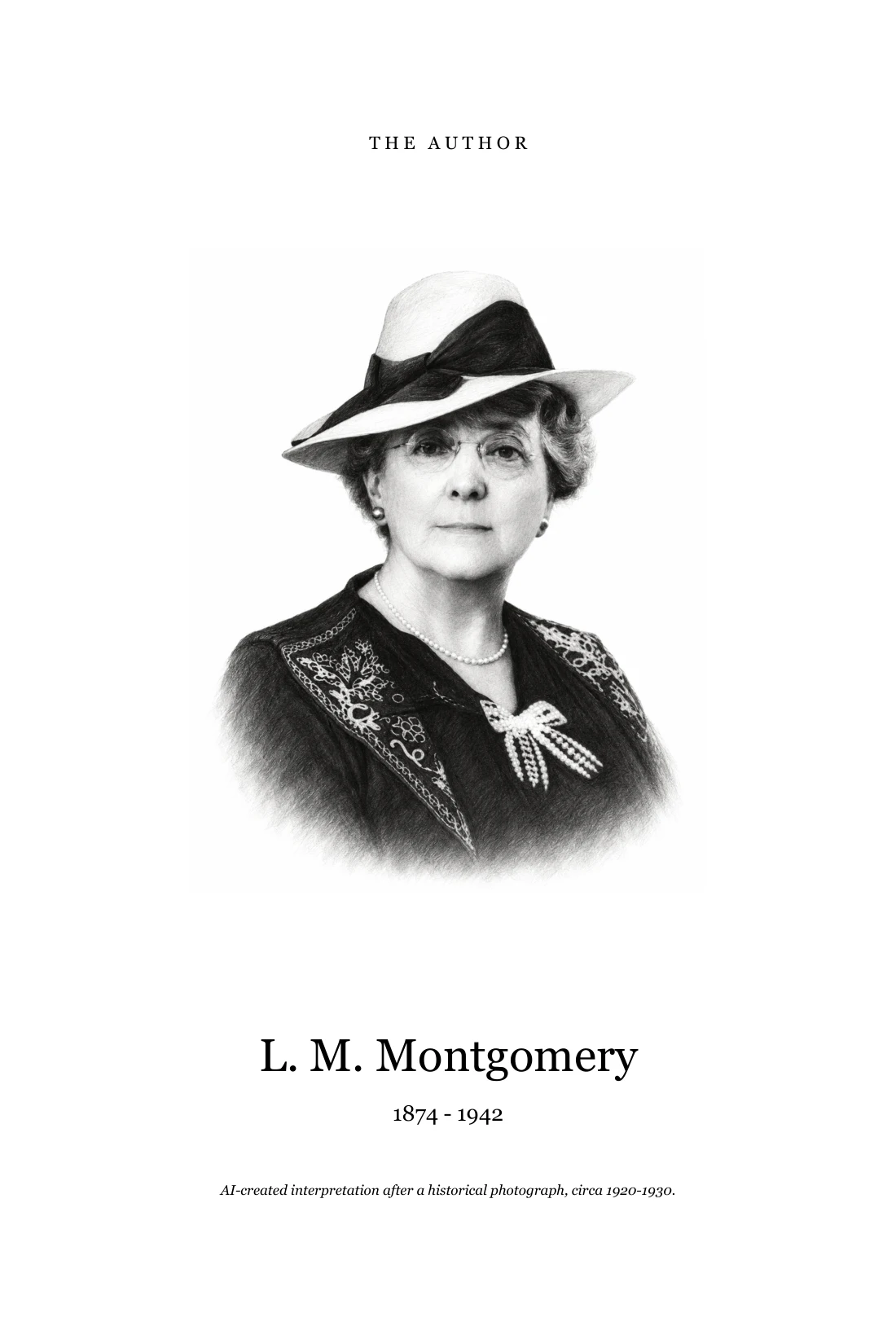
The Blue Lagoon: A Romance
1908. Two shipwrecked children grow up alone on a Pacific island and discover love without a word for it. Lusher, odder and more melancholy than the films.
Anne of Green Gables
1908. The same year’s other great story of a child finding her place in the world, set on a different island altogether: Prince Edward Island.
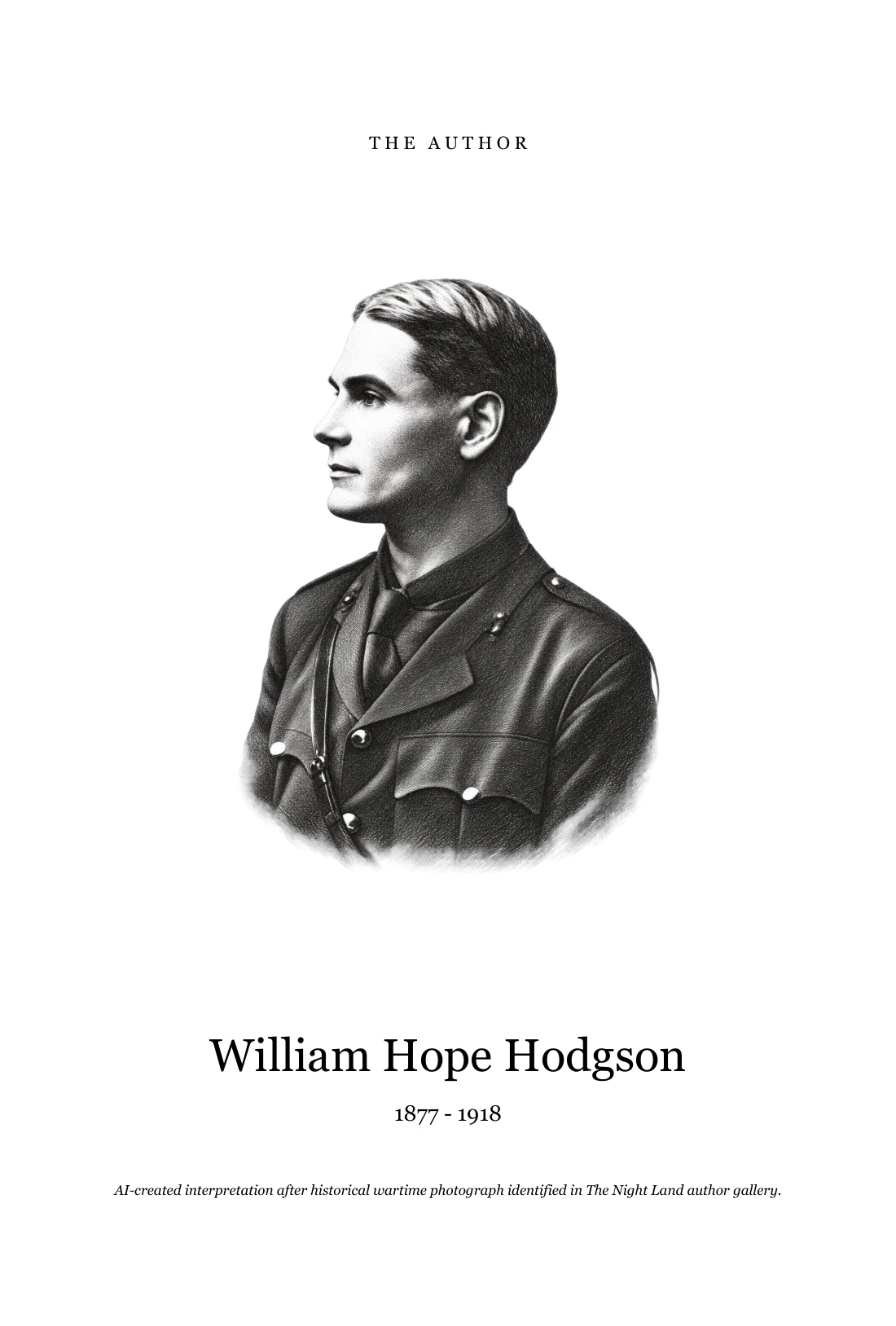
The House on the Borderland
1908. Its exact contemporary and its opposite: where Stacpoole’s island is Eden, Hodgson’s lonely Irish house stands on the edge of hell.


Other islands, other castaways
For other island stories, see Did you know Lord of the Flies was written as an answer to The Coral Island? and Did you know a real castaway may have inspired Robinson Crusoe?. The rest of the year’s strange crop is in The House on the Borderland: the strangest novel of 1908, and for the period as a whole, The Edwardian novel: between Victoria and the war.
The island is waiting where Stacpoole left it. Climb the hill with Paddy and the children in The Blue Lagoon, and look down at the water.
Questions readers ask
Is The Blue Lagoon based on a book?
Yes. The Blue Lagoon films go back to The Blue Lagoon, a 1908 novel by the Irish writer and doctor Henry de Vere Stacpoole.
Is The Blue Lagoon book different from the movie?
Yes. The novel spends much longer on the children’s early years with the sailor Paddy Button, is far more absorbed in the island’s natural world, is less explicit, and has a more ambiguous ending.
Are there sequels to The Blue Lagoon book?
Stacpoole wrote two: The Garden of God (1923) and The Gates of Morning (1925), which together with The Blue Lagoon form a trilogy.
Who wrote The Blue Lagoon?
Henry de Vere Stacpoole, an Irish doctor and novelist who had worked as a ship’s doctor. It was published in London in 1908 and became his best-known book.

