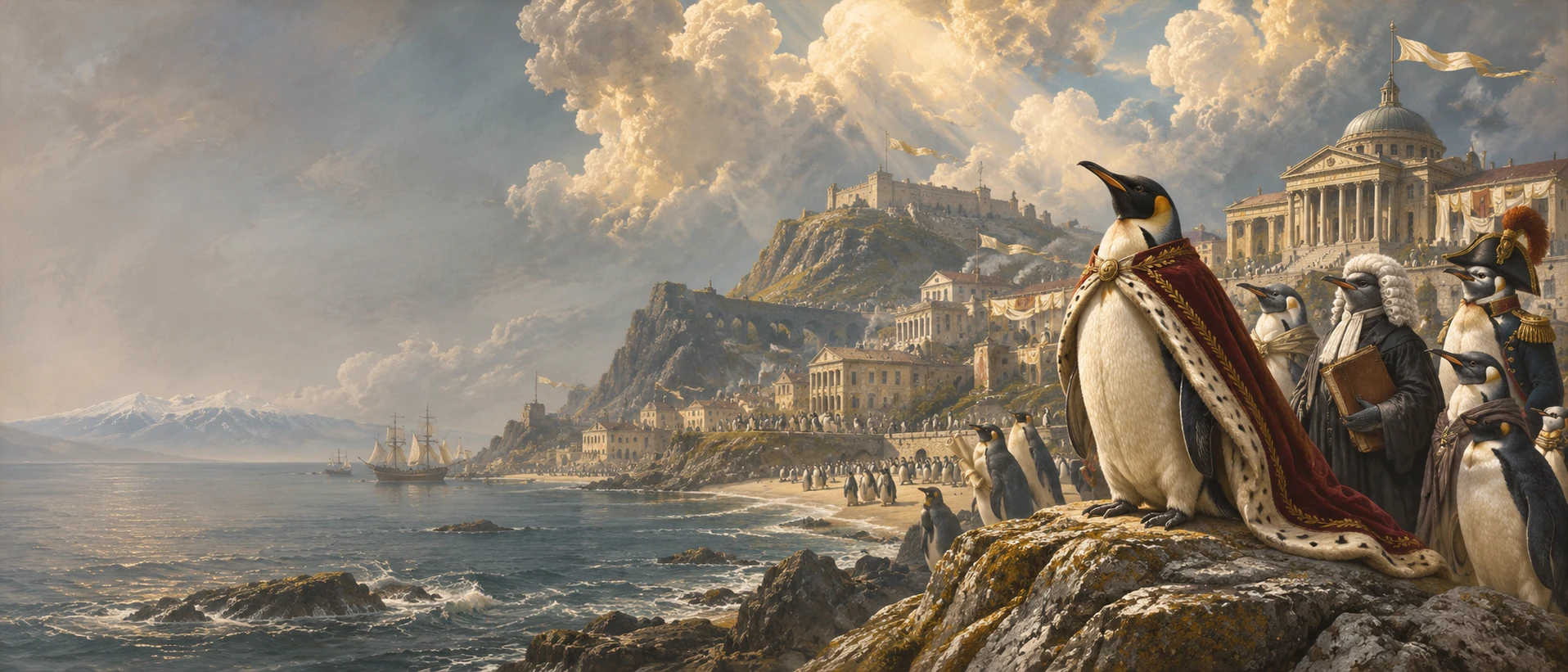
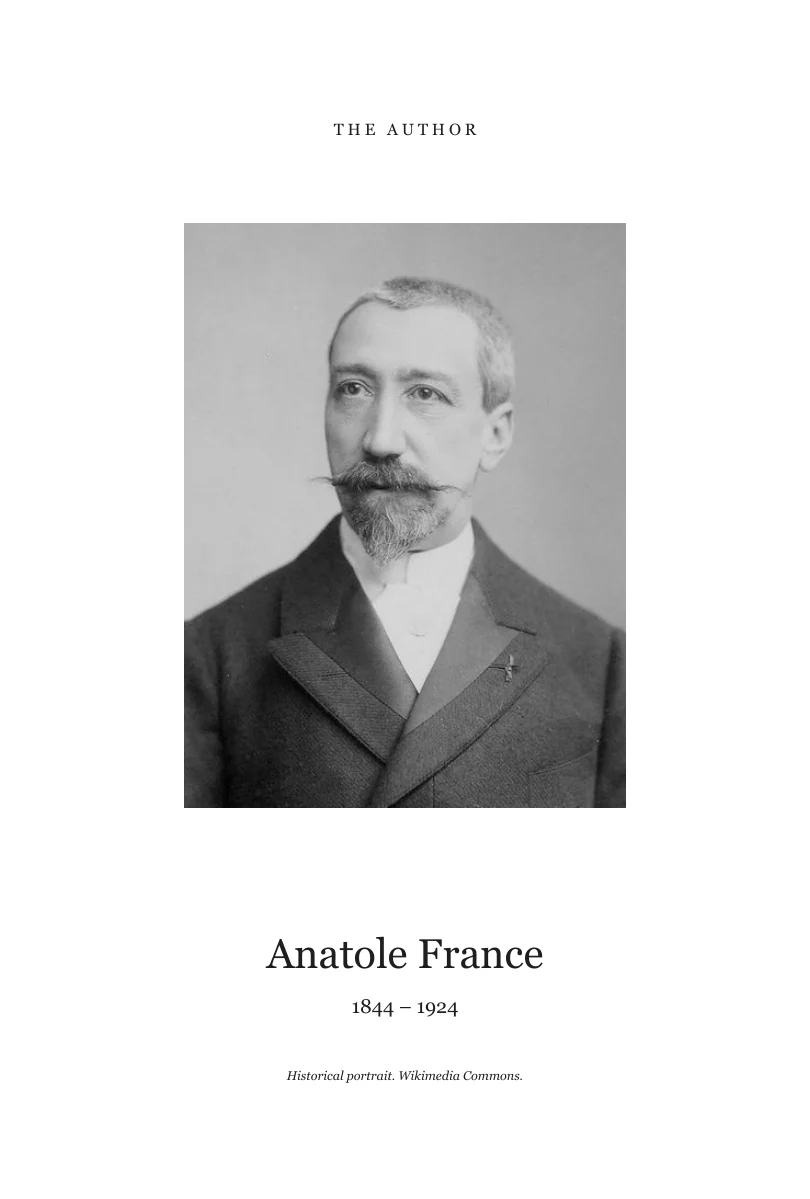
An old monk, carried across the ocean of ice in a floating stone trough, comes ashore on a polar island. The glare of the ice has nearly blinded him and the roar of the sea has half deafened him, so when he finds a crowd of upright figures on the rocks he takes them for people, preaches to them, and baptises them all. They are great auks. An assembly in Paradise debates what to do about it, the sacrament is allowed to stand, and the birds are turned into human beings.
So begins the history of Penguinia, in Anatole France’s Penguin Island (1908), and it is a perfect example of why novelists invent countries. A made-up nation can be anything its author needs: a mirror, a playground, a warning. The seven novels set in fictional countries below range from 1759 to 1915, and between them they cover most of the reasons.
- 1759
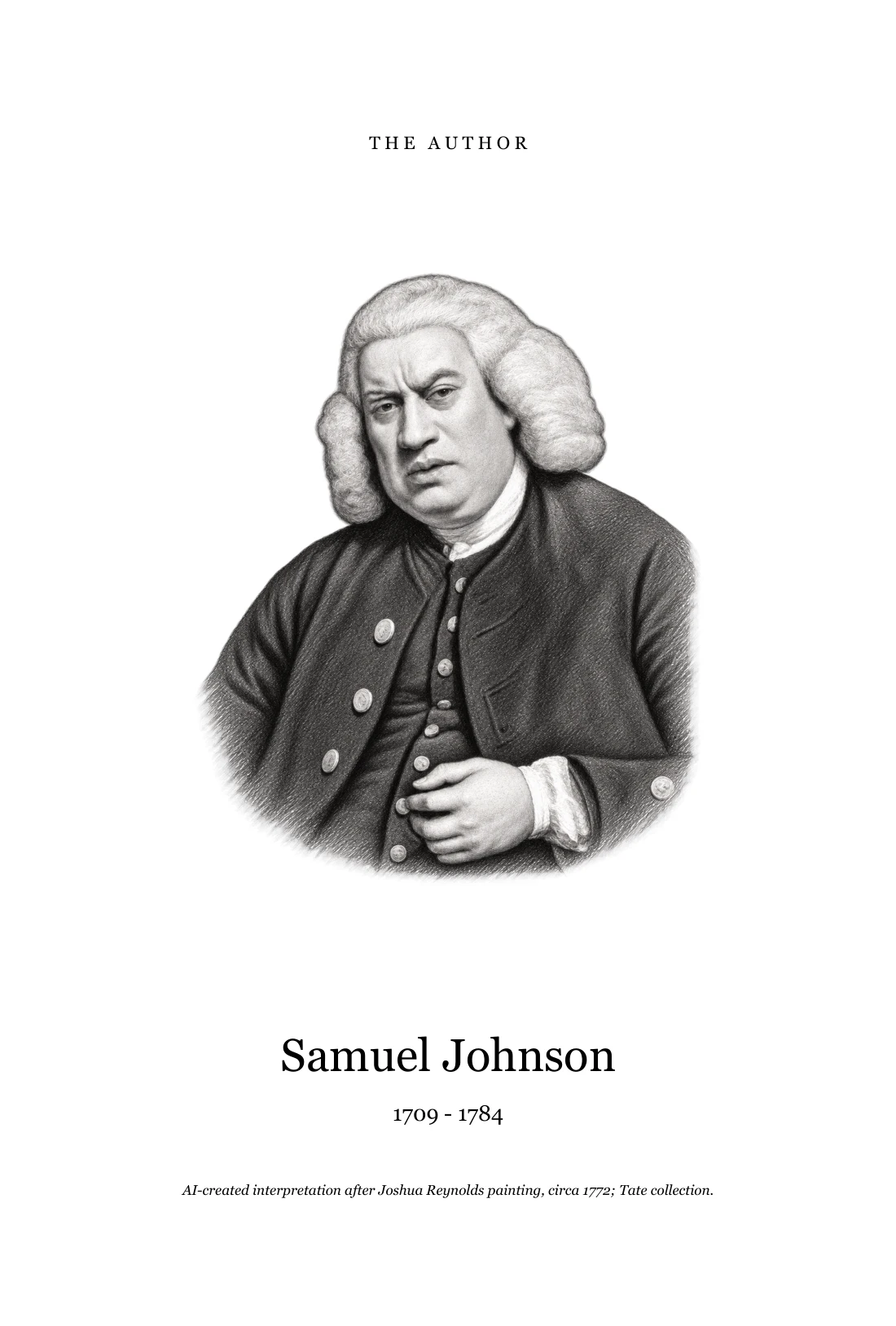
Samuel Johnson’s Rasselas begins in the Happy Valley, a sealed paradise in Abyssinia.
- 1868
Arthur Helps publishes Realmah, set among the Sheviri, an ancient lake people of southern Europe.
- 1885
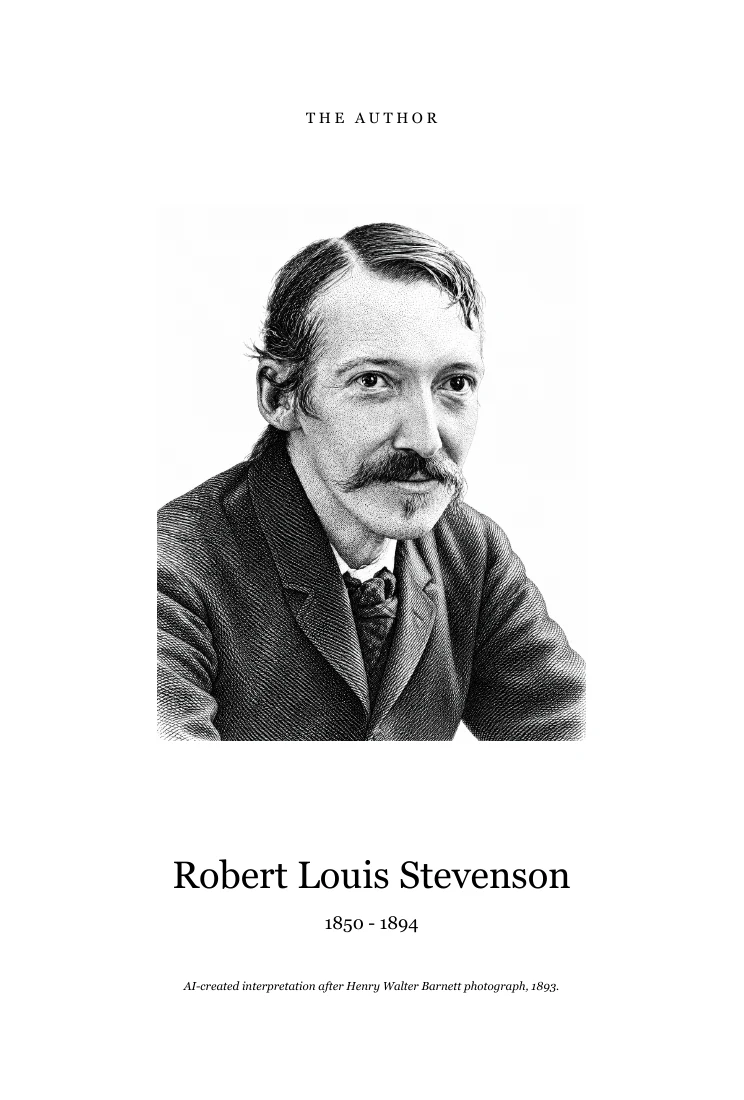
Stevenson’s Prince Otto is set in Grünewald, a toy principality in Germany.
- 1894
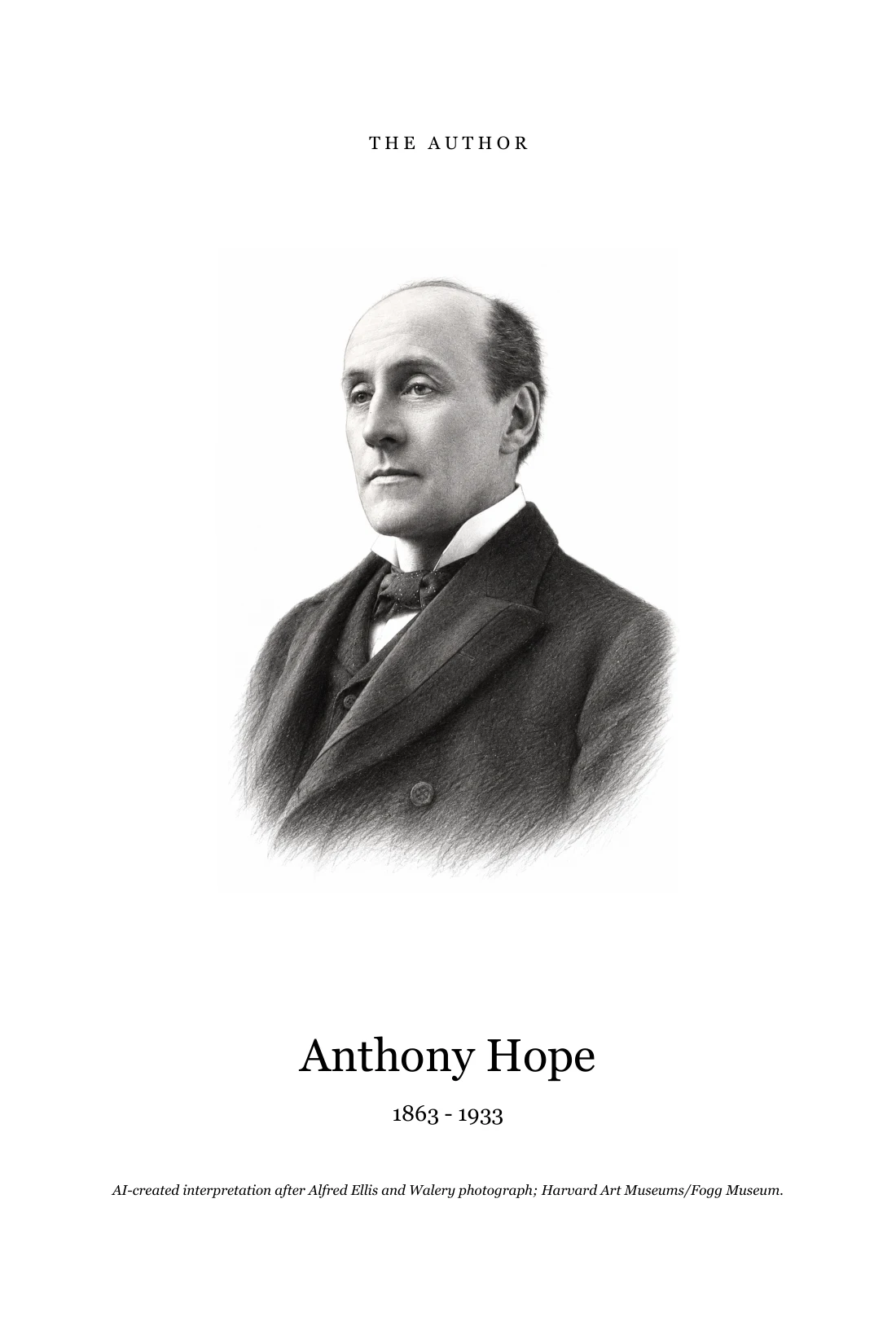
Anthony Hope invents Ruritania in The Prisoner of Zenda.
- 1905
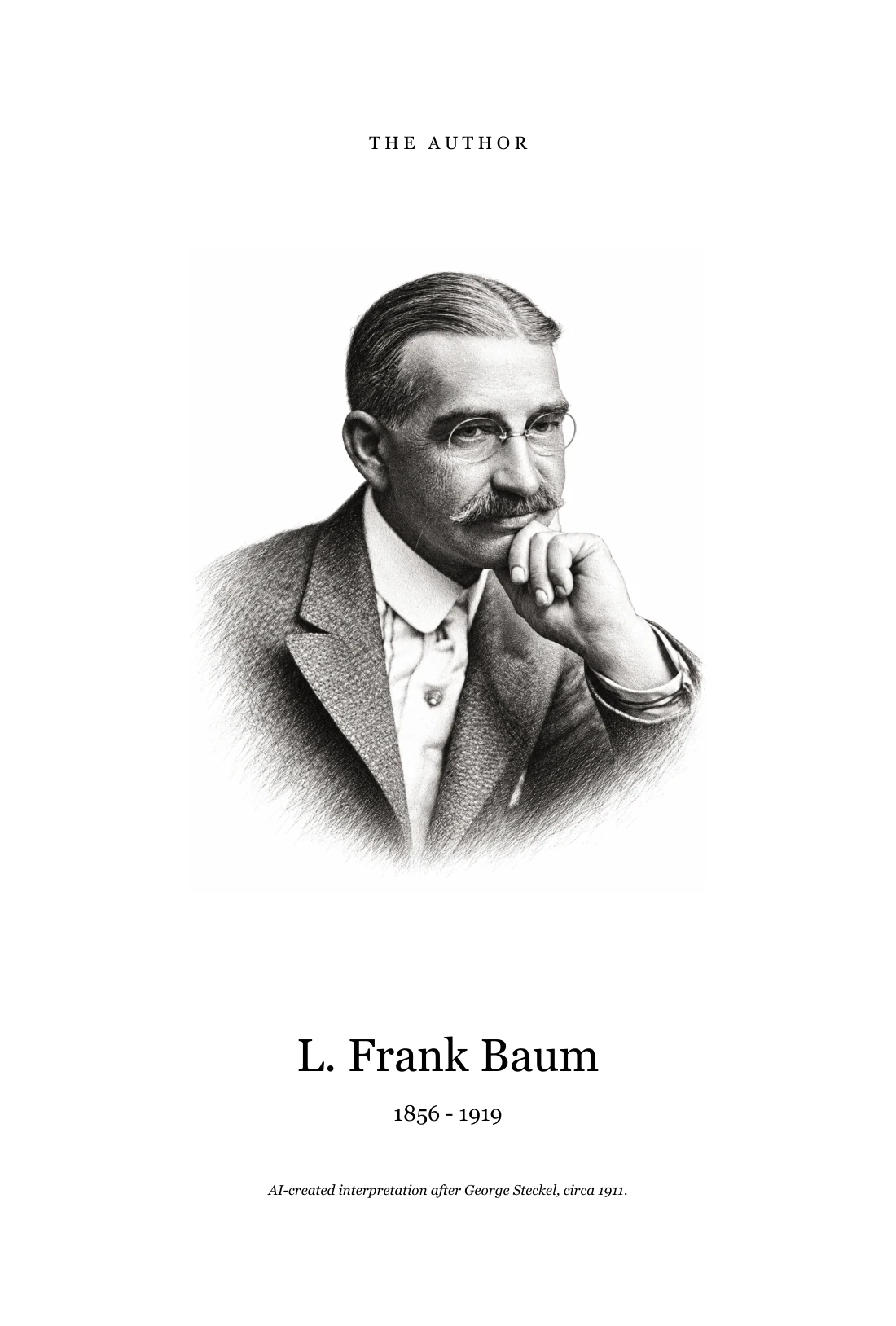
L. Frank Baum’s Queen Zixi of Ix takes readers to Ix and Noland, across the desert from Oz.
- 1908
Anatole France’s Penguin Island tells the whole history of Penguinia.
- 1915
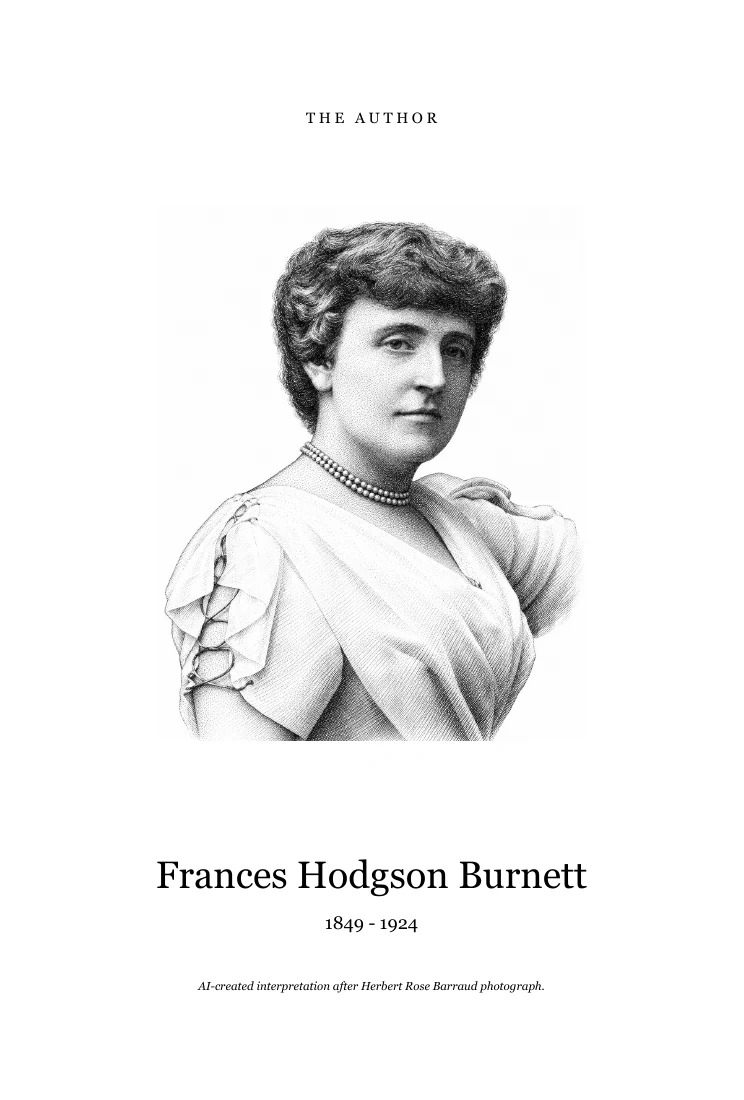
Frances Hodgson Burnett’s The Lost Prince imagines Samavia, a small nation torn by civil war.
Imaginary kingdoms for adventure
The most famous made-up country in English fiction is Ruritania, and it was built for excitement. Its success started a whole genre of Ruritanian romance, which we explore in Did you know “Ruritania” comes from The Prisoner of Zenda?
The Prisoner of Zenda
1894. Rudolf Rassendyll, an idle Englishman, discovers that he looks exactly like the king of Ruritania, just as the king is drugged on the eve of his coronation. Anthony Hope’s swashbuckler gave the language a word for any small, operetta-ish kingdom.
The Lost Prince
1915. Twelve-year-old Marco Loristan lives in shabby London lodgings with his father, an exile from Samavia, a country Marco has never seen. When Samavia’s long civil war reaches its crisis, the boy is given a secret mission across Europe. Burnett’s adventure for young readers, published in 1915, during the First World War.


Invented countries for satire
A fictional country lets a writer mock a real one without naming it. Anatole France, who won the Nobel Prize in Literature in 1921, used Penguinia to retell French history from its legendary origins to his own day.
Penguin Island
1908. The baptised birds become a nation, and France follows their history through saints, dragons, kings, revolution and a modern scandal over eighty thousand missing trusses of army hay, a thinly disguised Dreyfus affair. Witty, irreverent and surprisingly dark.
Prince Otto, a Romance
1885. Prince Otto of Grünewald, a charming, idle ruler of a tiny German state, discovers that his wife, Princess Seraphina, and his ambitious prime minister are plotting a war of conquest behind his back. Stevenson’s elegant comedy of a court too small for its own pretensions.


Imaginary lands for big questions
Before the adventure story, the invented country was a philosopher’s tool. Put people somewhere free of our particular customs, and you can ask what a good life, or a good government, might be.
Rasselas, Prince of Abyssinia
1759. Prince Rasselas grows up in the Happy Valley, a paradise among the mountains of Abyssinia where every pleasure is supplied and no one may leave. He escapes with his sister, Nekayah, and the poet Imlac to discover what will make a life truly happy. Abyssinia is real; the valley is Johnson’s invention.
Realmah
1868. The story of Realmah, the wisest man of the Sheviri, a people living in a city built on piles in a lake in ancient southern Europe, like the prehistoric lake villages then being discovered in Switzerland. Helps sets it inside the fireside conversations of his Friends in Council, so the tale and the arguments about it alternate.


Helps was a senior civil servant, clerk of the Privy Council, and Realmah was published without his name, as by “the Author of Friends in Council”. It is the rarest book on this list and the slowest, but the debates between his friends Milverton and Ellesmere are often sharp, and the Sheviri make a curious early example of the lost-race tale. Johnson’s Rasselas has its own legend about speed of writing, which we examine in Did Samuel Johnson really write Rasselas in a week?
Fairy-tale countries next door to Oz
Baum thought Queen Zixi of Ix his best book up to that time, and told his son it was nearer to the old-fashioned fairy tale than anything he had yet done. Noland and Ix lie across the desert from Oz, but no one from Oz appears. More in Did you know L. Frank Baum wrote far more than Oz?
Why do novelists invent countries?
Mostly for freedom. A real country brings real history, and real readers ready to complain. An invented one lets Hope stage a coup without offending a single government, lets France satirise a scandal that had divided his nation, and lets Johnson remove every practical obstacle to happiness and see whether people are happy anyway.
If you enjoy these, the next step is the perfect commonwealth: see utopian classics and Gulliver’s Travels as political satire. Begin with Penguin Island. The baptism of the penguins takes a few pages, the debate in heaven a few more, and by then you will want to know what becomes of a nation founded by mistake.
Questions readers ask
What novels are set in fictional countries?
Classic examples include The Prisoner of Zenda (Ruritania), Stevenson’s Prince Otto (Grünewald), Anatole France’s Penguin Island (Penguinia), Burnett’s The Lost Prince (Samavia), Baum’s Queen Zixi of Ix (Ix and Noland) and Helps’s Realmah (the land of the Sheviri).
What is the most famous fictional country in literature?
Ruritania, from Anthony Hope’s The Prisoner of Zenda (1894), is one of the most famous. Its name became a word for any small, romantic, made-up European kingdom.
What is Penguin Island about?
Anatole France’s Penguin Island (1908) begins when a near-blind monk baptises a colony of great auks, which are turned into people. Their nation’s history is a satire of French history, including the Dreyfus affair.
Is the Happy Valley in Rasselas a real place?
No. Rasselas is set in Abyssinia, the old name for Ethiopia, but the Happy Valley where the prince grows up is Samuel Johnson’s invention.