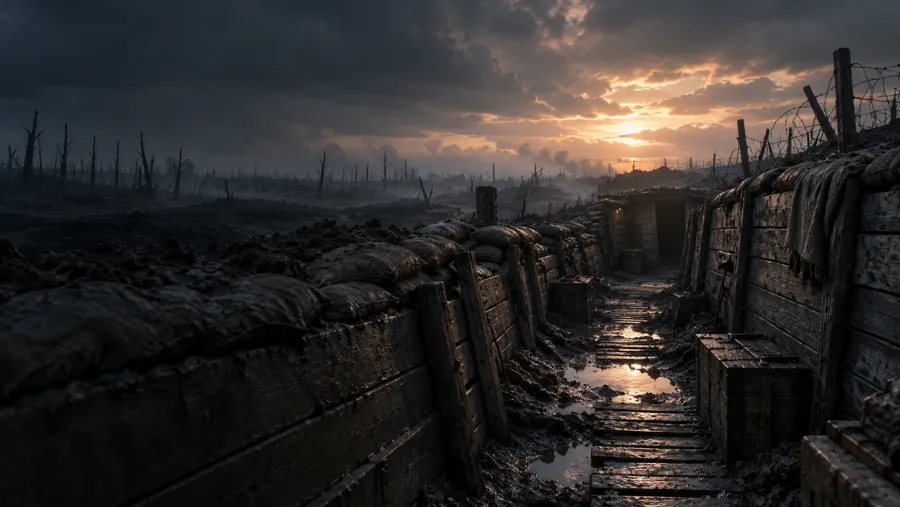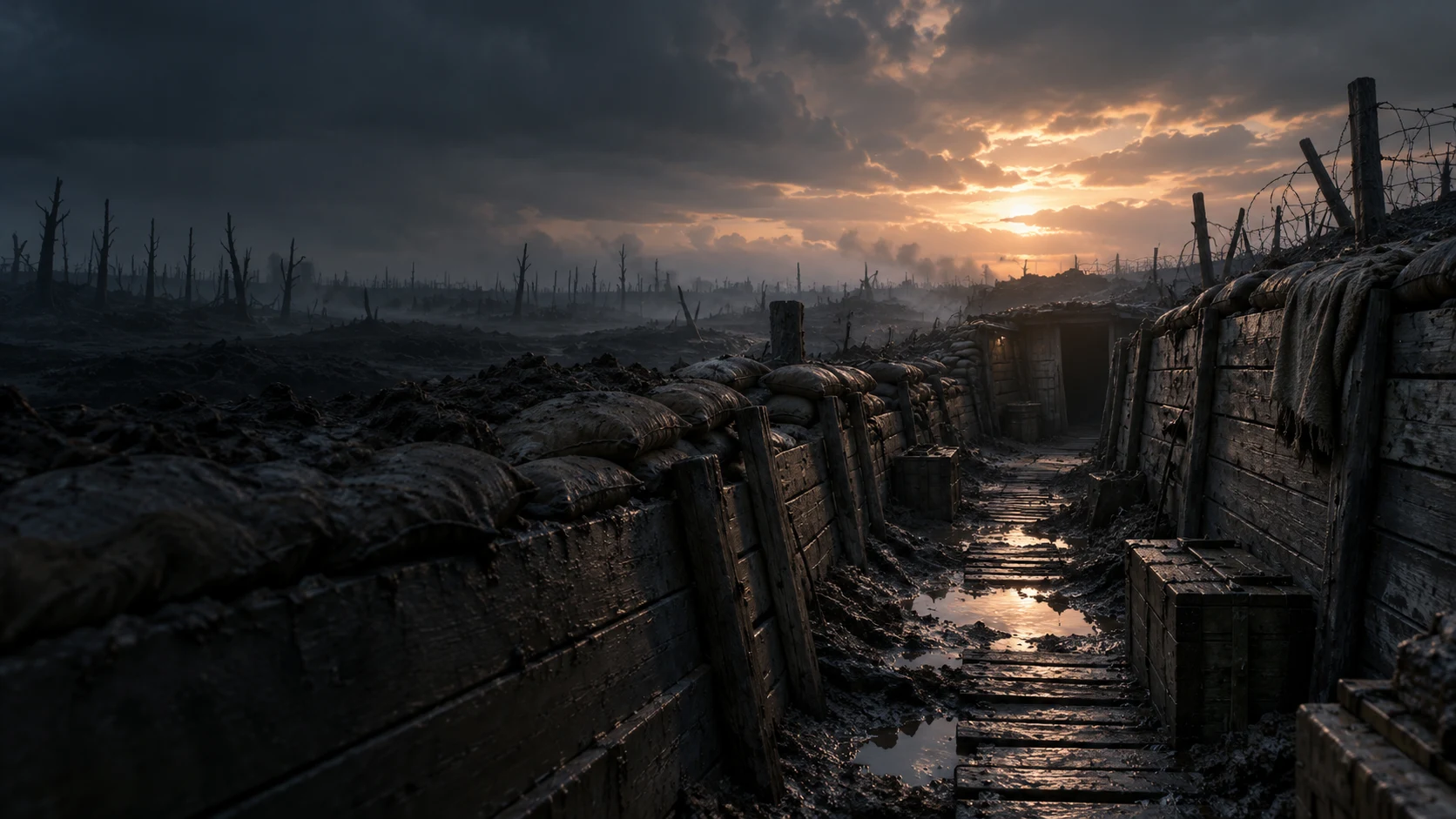
Why was All Quiet on the Western Front banned? Because it told the truth about the First World War in a way the Nazis could not tolerate. Erich Maria Remarque’s novel showed German soldiers not as heroes dying gloriously for the Fatherland but as frightened, exhausted young men destroyed by a war they barely understood. When Hitler came to power, the book was banned, and on 10 May 1933 it was among the books burned in public across Germany.
By then it had already been the target of Nazi anger for years. The story of how a war novel became an enemy of the state says a great deal about the book — and about why it still matters.
Why did the Nazis burn All Quiet on the Western Front?
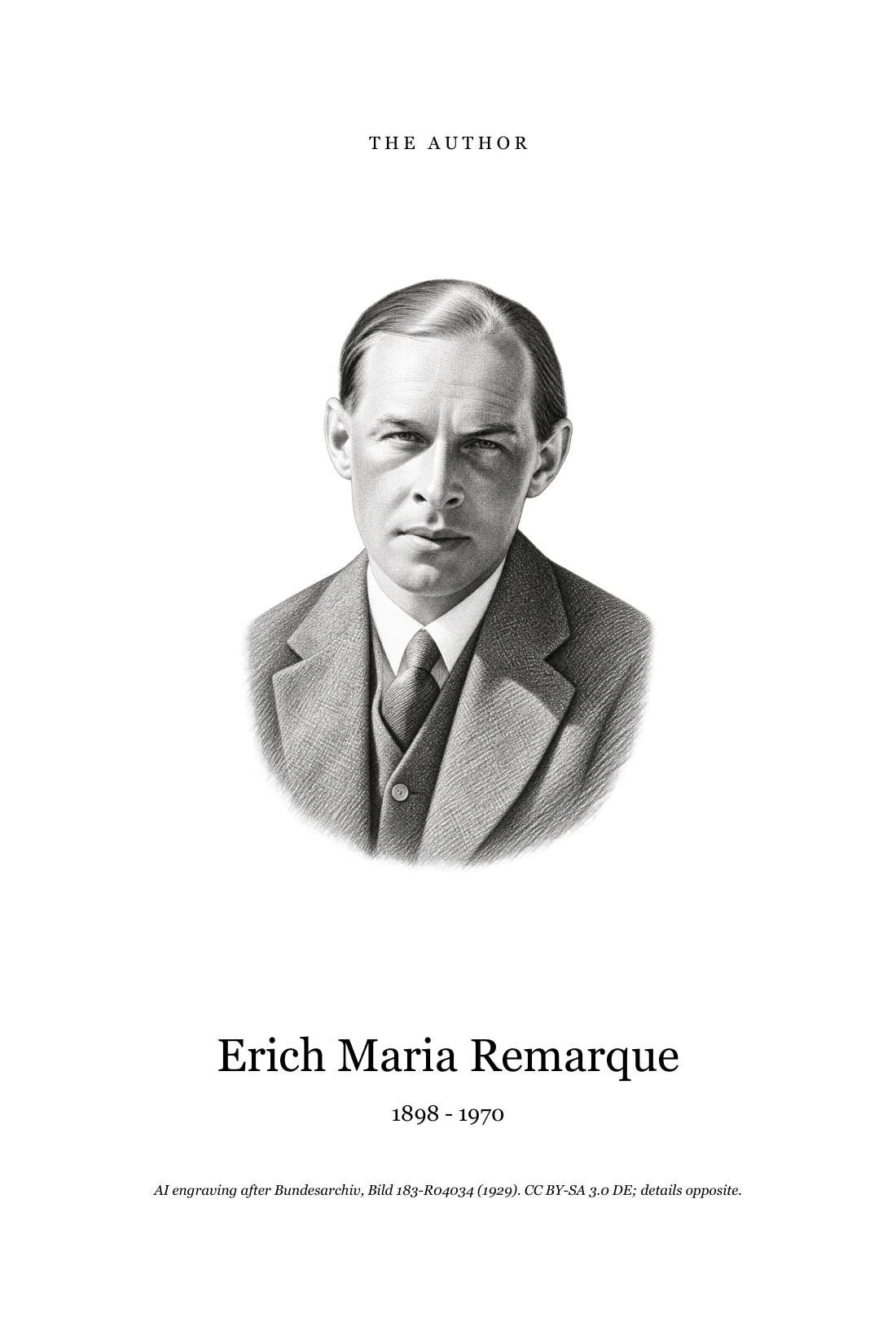
Remarque had served on the Western Front himself. Conscripted at eighteen, he was sent to the front in 1917 and badly wounded by shell fragments that summer, spending much of the rest of the war in hospital. His novel, first serialised in a Berlin newspaper at the end of 1928 and published as a book in January 1929, follows Paul Bäumer, a young soldier who enlisted straight from school with his classmates at the urging of their teacher.
To millions of readers who had lived through the war, it rang true. To German nationalists, it was an insult. They wanted the war remembered as a noble sacrifice betrayed at home, a myth the Nazis made central to their politics. A book in which soldiers doubt the cause, mock their officers and see their enemies as fellow victims was, to them, defeatism. They accused Remarque of slandering the German soldier.
The book burnings of May 1933
On the night of 10 May 1933, student groups across Germany staged bonfires of “un-German” books. In Berlin, thousands gathered on the square beside the university as books were carried out and thrown into the flames, and Goebbels addressed the crowd. As authors’ works went into the fire, slogans were read out naming them and their supposed crimes. Remarque was named for betraying the soldiers of the World War.
He was already out of reach. Remarque had bought a house in Switzerland in 1931 and had left Germany for it by the time of the burnings; he never lived in Germany again. In 1938 he was stripped of his German citizenship. The regime’s revenge fell on his family instead: in 1943 his younger sister, Elfriede Scholz, was tried for making defeatist remarks and executed.
All quiet on the Western Front
1929. Paul Bäumer and his classmates go from the schoolroom to the trenches. Plain, devastating and still one of the great anti-war novels.
A Farewell to Arms
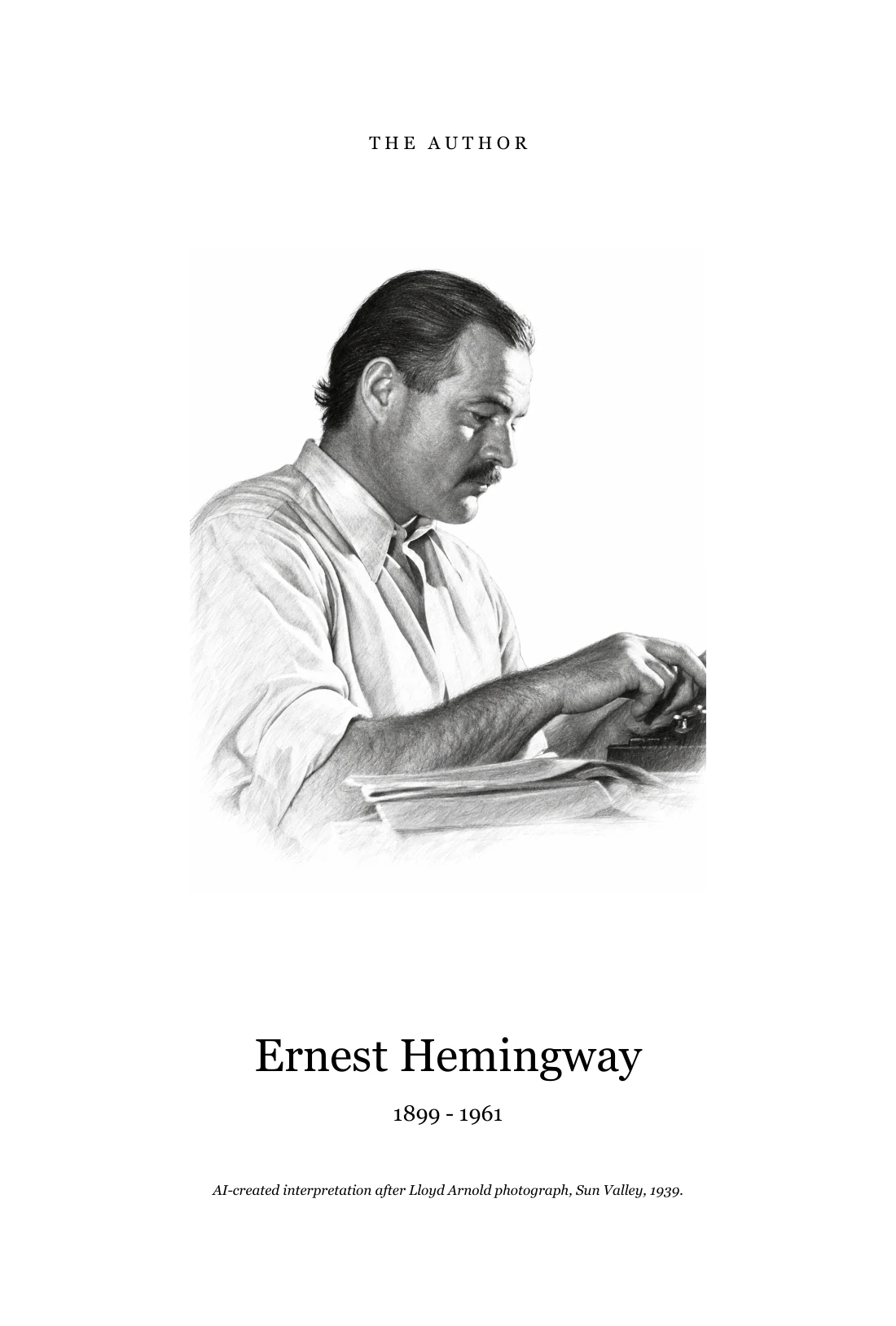
Published the same year. Hemingway’s American ambulance driver on the Italian front, and a love story the war will not leave alone.
The Red Badge of Courage
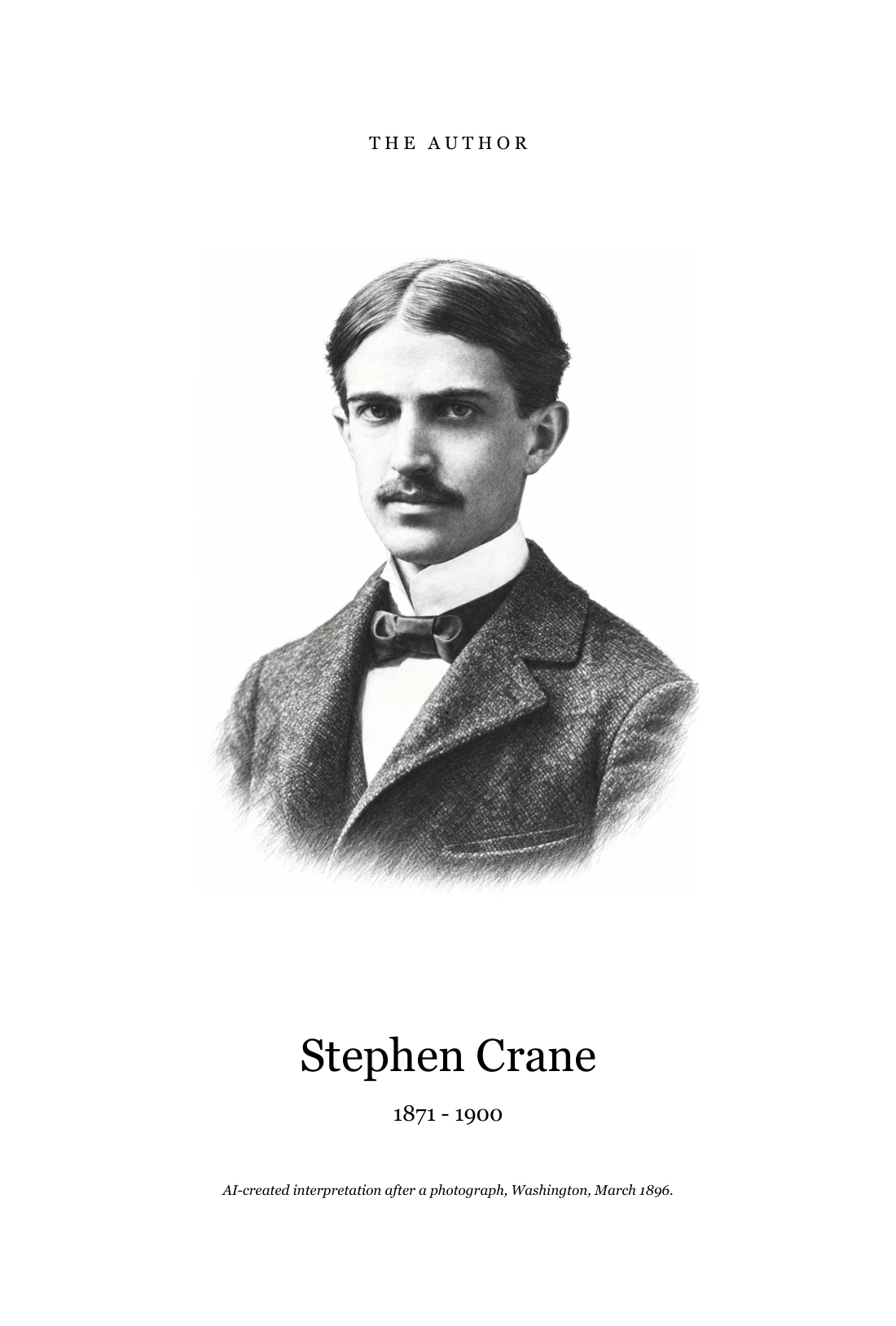
A young Union soldier’s first battle in the American Civil War, written by a man who had never been in one.
The Collected Poems of Rupert Brooke
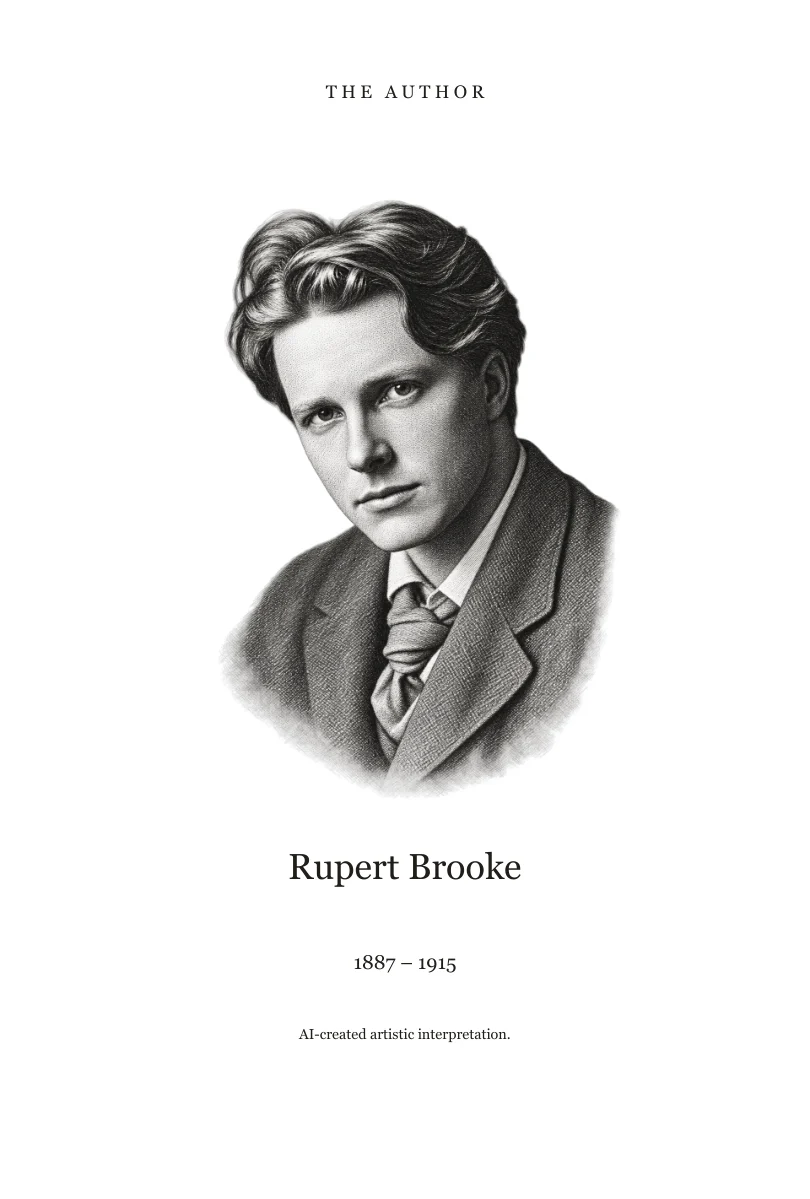
Rupert Brooke’s poems, including the famous war sonnets of 1914 — the idealism that Remarque’s generation saw destroyed.


What is All Quiet on the Western Front like to read today?
Short, direct and very hard to put down. Remarque writes in Paul’s voice, in the present tense, in plain sentences that describe hunger, boredom, rats, shellfire and comradeship without decoration. There is surprising humour — the soldiers’ schemes for getting food are comic set pieces — and moments of great tenderness, as in Paul’s strained leave at home, where he finds he can no longer talk to his family.
It is also, unavoidably, harrowing. Remarque does not spare the reader the physical reality of the war. The book’s opening note says it is meant to be neither an accusation nor a confession, but an account of a generation destroyed by the war even when they survived the shells. Many readers meet it at school; it rewards a second reading as an adult.
The German title, Im Westen nichts Neues, borrows the dry wording of an army communiqué: nothing new in the west. You will understand its full weight by the last page.
For more on the novels that shaped how we remember war, see Classic war novels and Did you know Stephen Crane had never seen a battle when he wrote The Red Badge of Courage? Remarque’s book also appears in our list of banned and challenged classics, and in why so many classic books are in the public domain.
Begin behind the lines, where Paul and his company have just come back from the front and, for once, there are double rations for everyone. All Quiet on the Western Front opens with a full stomach — and the reason for it is the first thing the war teaches them.
Questions readers ask
Why was All Quiet on the Western Front banned?
The Nazis considered it defeatist and an insult to German soldiers because it portrayed the First World War as futile and brutal. It was banned in Germany after 1933 and burned in the book burnings of 10 May 1933.
Was Erich Maria Remarque a soldier?
Yes. He was conscripted into the German army in 1916, served on the Western Front in 1917 and was wounded by shrapnel that summer.
What happened to Remarque after the book burnings?
He had already left for Switzerland and never returned to live in Germany. The Nazis revoked his citizenship in 1938, and he later moved to the United States before settling again in Switzerland.
Is All Quiet on the Western Front based on a true story?
It is fiction, but Remarque drew on his own experience as a soldier on the Western Front and on the experiences of men he served with.