“Poison.” That was the verdict of one newspaper in Kate Chopin’s own city, St. Louis, when The Awakening came out in April 1899. Others called it morbid, unpleasant, unhealthy and sordid. The Nation regretted “one more clever writer gone wrong”. Even the young Willa Cather, reviewing it in Pittsburgh, compared it to Madame Bovary and wished its author would spend her gifts on a better cause.
So did The Awakening end Kate Chopin’s career as a novelist? In one sense, yes: it was her second novel and her last. She lived another five years and never published a novel again. But the story usually told about it, of a book banned by libraries and an author shunned by her city, is more legend than fact. What really happened was quieter, and in some ways sadder.
Who was Kate Chopin?
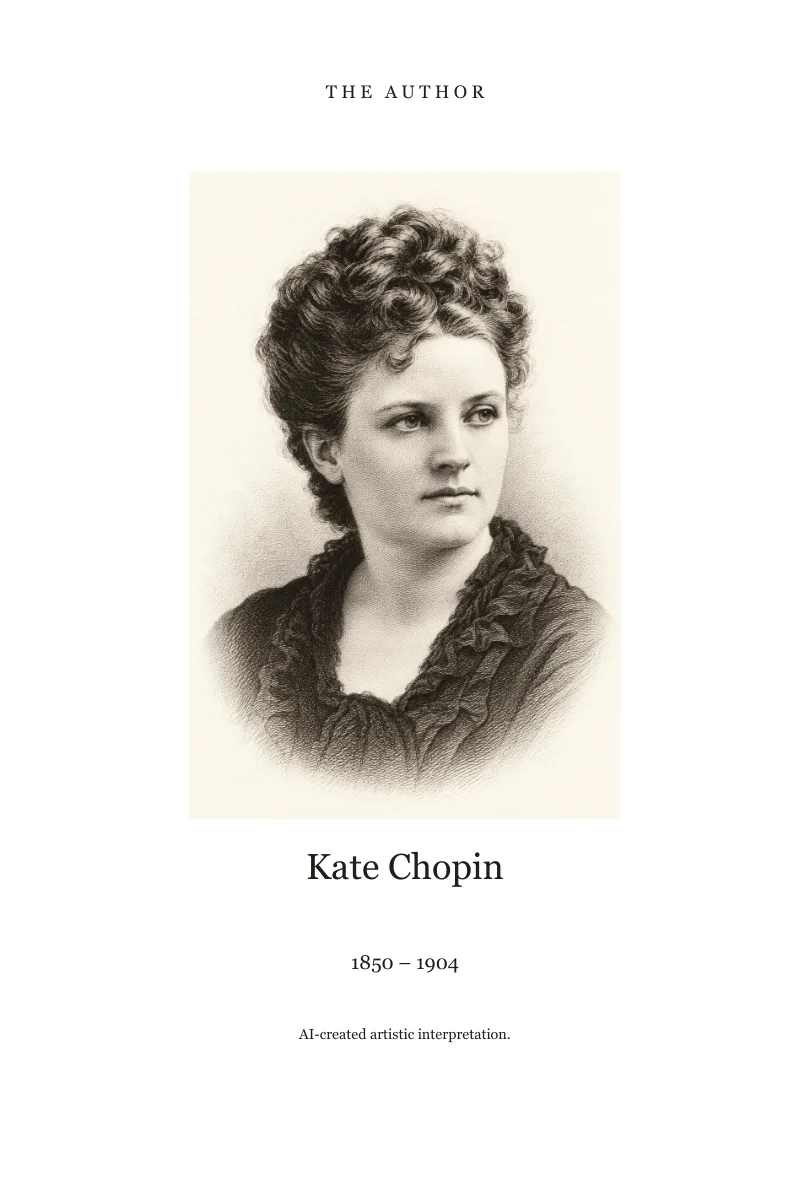
She was born Katherine O’Flaherty in St. Louis in 1850, married a Louisiana cotton merchant, Oscar Chopin, and lived with him in New Orleans and then in rural Natchitoches Parish, where they raised six children. When Oscar died in 1882 he left her deep in debt. She ran his business for a time, then moved back to St. Louis and, in her late thirties, began to write.
She was good at it, and quickly successful. Her stories of Creole and Cajun Louisiana appeared in The Atlantic Monthly, Vogue and The Century, and her collections Bayou Folk (1894) and A Night in Acadie (1897) were warmly reviewed across the country. By the late 1890s she was a well-known regional writer, admired for local colour and charm. That reputation is what The Awakening put at risk.
Why was The Awakening so shocking?
Edna Pontellier is twenty-eight, married to a prosperous New Orleans businessman, with two small sons. One summer at the resort of Grand Isle she begins to wake up to her own desires: to swim, to paint, to be alone, to love someone else. She does not repent. Chopin, who had first called the novel A Solitary Soul, tells it without passing moral judgement, and that was what most reviewers could not forgive.
The voice of the sea is seductive; never ceasing, whispering, clamoring, murmuring, inviting the soul to wander for a spell in abysses of solitude
Kate Chopin, The Awakening (1899)
Chopin’s reply to the critics, as it is usually quoted, was a short, wry statement claiming that she had never dreamt Mrs Pontellier would make such a mess of things. It is a joke at the expense of anyone who thought an author ought to keep her characters in line.
Was The Awakening banned?
Not in the way the legend says. It has often been claimed that libraries in St. Louis removed the book, but Chopin’s biographer Emily Toth looked for evidence and could not find any. What is documented is smaller: in 1902 the public library in Evanston, Illinois, took it off its open shelves. Toth has also argued that many St. Louis women admired the novel, and that the condemnation came mostly from male critics.
What happened to Kate Chopin after The Awakening?
The real blow came from her publisher. Herbert S. Stone & Company, which had issued the novel, cancelled its contract for her next book, a third collection of stories called A Vocation and a Voice. The reason is not known for certain; one account blames the firm’s finances, and it is often assumed that the novel’s reception played a part. The collection did not appear as a book until 1991.
She kept writing stories, though fewer, and some were published, but her health declined. In August 1904, after a day at the St. Louis World’s Fair, she suffered what her doctors believed was a brain haemorrhage, and she died two days later, aged fifty-four. Within a few decades she was remembered, if at all, as a minor writer of Louisiana sketches.
Her revival came late and fast. A Norwegian scholar, Per Seyersted, published her Complete Works and a biography in 1969, and within a few years The Awakening was being read as one of the founding novels of American feminist fiction.
The Awakening, and Selected Short Stories
1899. One summer on Grand Isle, Edna Pontellier stops pretending, and New Orleans society cannot follow her. Short, lucid and still unsettling, with a selection of Chopin’s Louisiana stories.
The Yellow Wallpaper
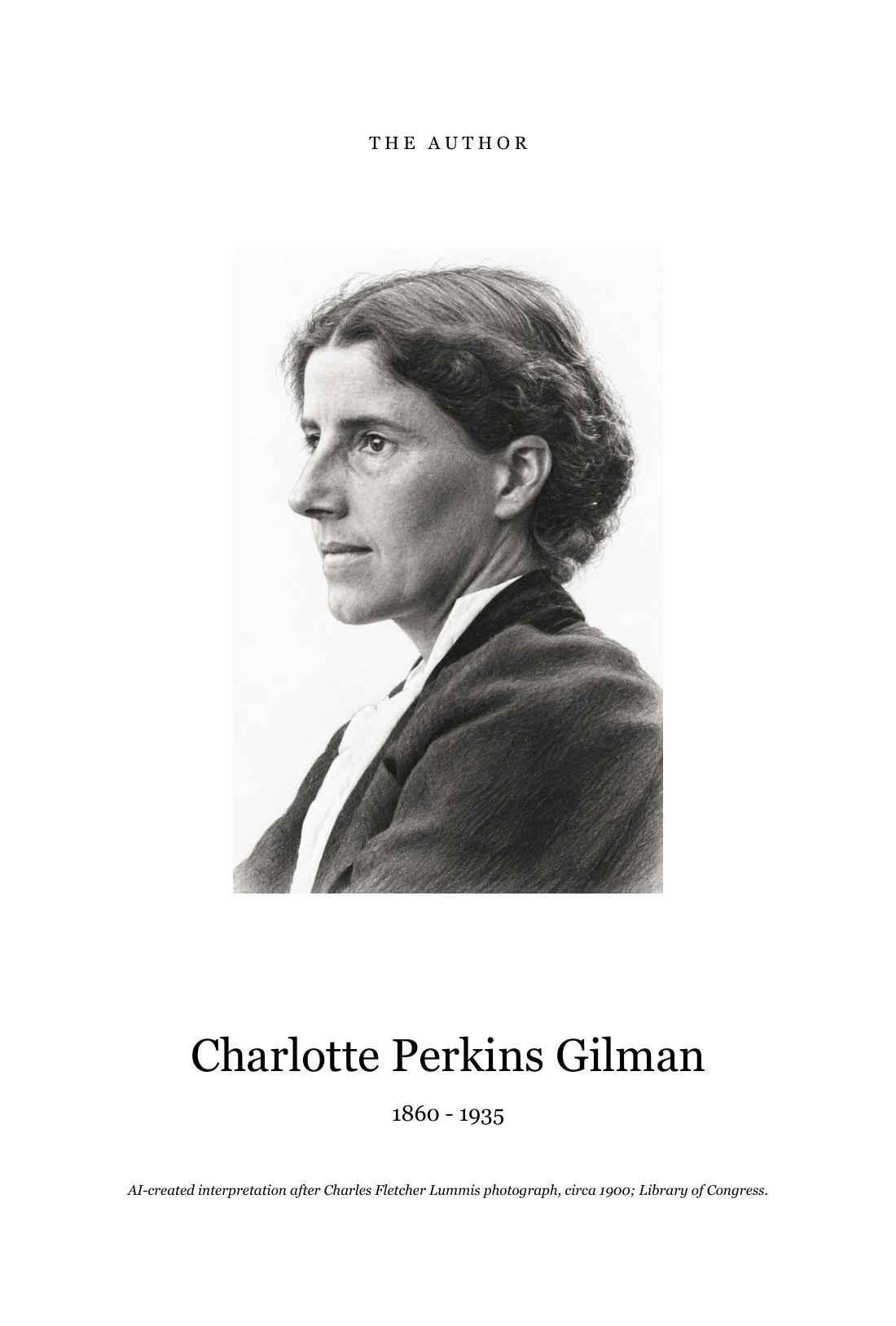
1892. Charlotte Perkins Gilman’s tale of a doctor’s wife ordered to rest, and the wallpaper she cannot stop studying. The natural companion to Chopin.


How to read The Awakening now
In a weekend, and slowly. It is short, the chapters are brief, and Chopin’s prose is clear and musical. Notice how often she puts Edna near water, and how carefully she lets you see the people around her, the devoted mother Adèle Ratignolle and the prickly pianist Mademoiselle Reisz, as two different answers to the question Edna is asking. The ending is famous, and we will not spoil it here.
For more novels that shocked their first readers, see Banned and challenged classics and Did you know Madame Bovary was put on trial?. Chopin belongs beside the writers in Feminist classics everyone should read, and Gilman’s life and books are covered in Charlotte Perkins Gilman: from The Yellow Wallpaper to Herland.
The novel opens on Grand Isle with a parrot in a cage outside a summer cottage, shouting in French at nobody in particular. Open The Awakening and listen to it.
Questions readers ask
Did Kate Chopin write another novel after The Awakening?
No. The Awakening (1899) was her second and last novel. Her publisher cancelled her next book, a collection of stories, and she published only a handful of stories before her death in 1904.
Was The Awakening banned?
Not officially. The story that St. Louis libraries banned it has never been verified, but in 1902 the Evanston Public Library in Illinois removed it from its open shelves.
Why was The Awakening controversial?
Its heroine, a married mother, pursues her own desires and independence, and Chopin refuses to condemn her. Most reviewers in 1899 found that immoral.