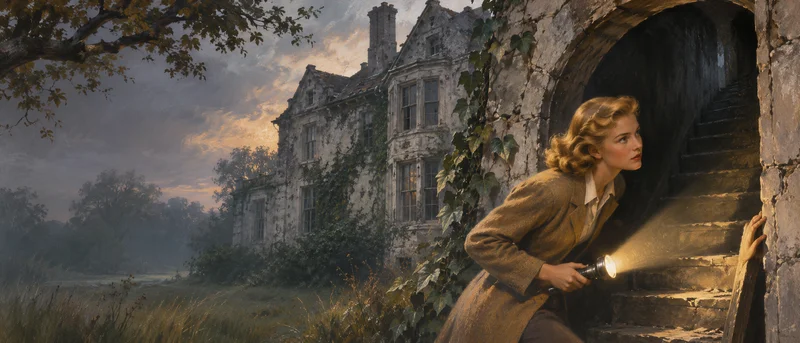
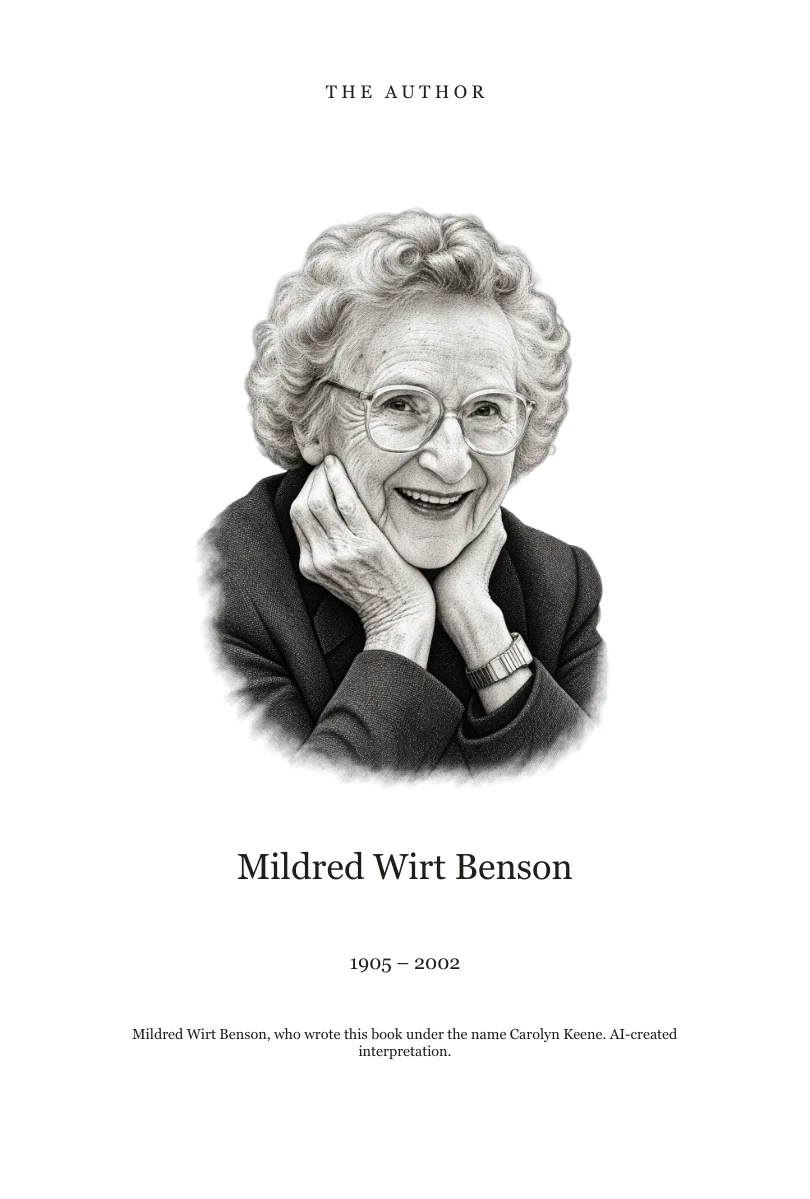
If you have ever wondered who wrote Nancy Drew, the honest answer is: a team. Carolyn Keene was a pen name owned by the Stratemeyer Syndicate, a New York company that planned children’s series, hired writers to draft them and published the results under shared names. No one called Carolyn Keene ever sat down at a typewriter.
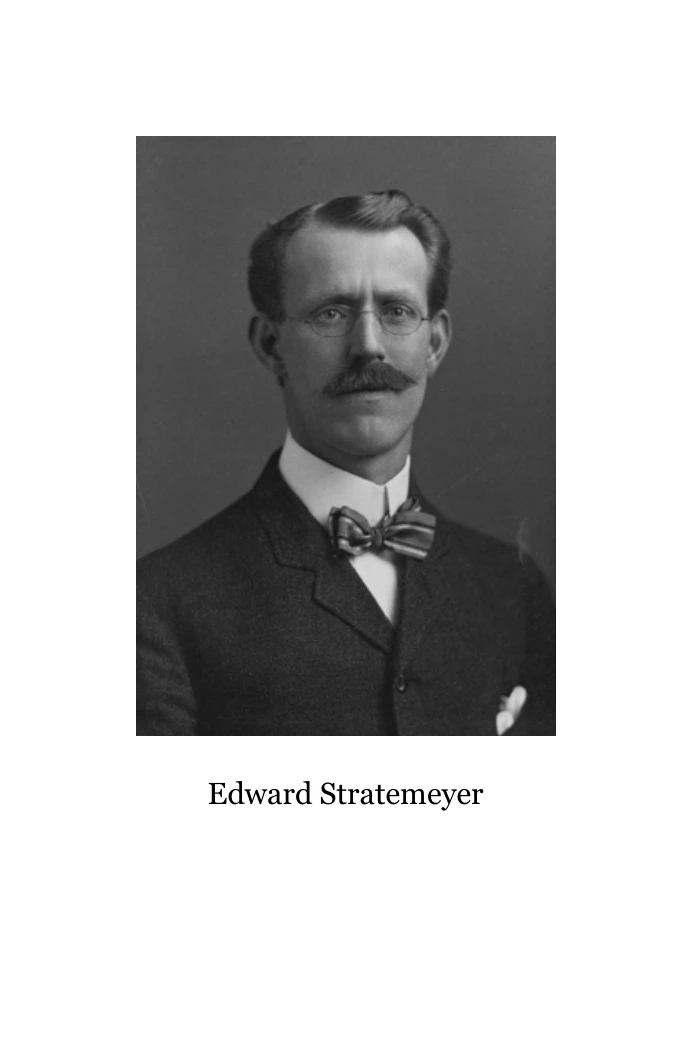
The girl detective was the idea of Edward Stratemeyer, the syndicate’s founder, who sketched the character and plotted the early books. The words of the first one, The Secret of the Old Clock, were written by a young journalist named Mildred Wirt, later Mildred Wirt Benson. It appeared in 1930, alongside the next two titles, and Nancy has been in print ever since.
Who wrote Nancy Drew, then?
Mildred Wirt Benson wrote most of the early Nancy Drew books, working from outlines the syndicate supplied and handing over all rights to the name. After Stratemeyer’s death, his daughters Harriet Stratemeyer Adams and Edna Stratemeyer Squier took over the business. Harriet went on to write and revise many later volumes herself, and for decades she was the person most often presented to the public as Carolyn Keene.
Ghostwriters were part of the bargain. They were usually paid a flat fee, received no royalties and were expected to keep quiet. Benson’s central role only became widely known in 1980, when she gave evidence in a court case over the series’ publishing rights. By then millions of readers had grown up with a woman who did not exist.

How the Stratemeyer Syndicate worked
Stratemeyer had begun as a writer himself, turning out boys’ adventure and school stories at speed. Founded in 1905, the syndicate scaled that up. Stratemeyer or his staff wrote a plot outline, a contract writer turned it into a manuscript, and an editor checked it against the rules of the series: the same characters, the same tone, a cliffhanger at the end of each chapter.
The same method produced the Hardy Boys under the name Franklin W. Dixon, the Bobbsey Twins under Laura Lee Hope and Tom Swift under Victor Appleton. Some series went out under Stratemeyer’s own name, including the Dave Porter school stories, which give a good taste of the brisk, chapter-ending-on-a-hook style that Nancy inherited.
The Secret of the Old Clock
1930. Nancy, sixteen and at the wheel of her blue roadster, hunts for a missing will that could rescue a family of struggling relatives from their snobbish cousins. The first Nancy Drew mystery.
Dave Porter and His Rivals
One of Edward Stratemeyer’s own school stories, published under his real name. Rivalries, sport and pranks at Oak Hall, written with the pace he later built into the syndicate’s series.


What is the first Nancy Drew book like to read today?
Quicker and sharper than you might expect. The Secret of the Old Clock is a short book, and its heroine is remarkably independent for 1930: she drives herself about, questions adults, ignores advice to stay home and works out most of the puzzle alone. Her father, the lawyer Carson Drew, is proud rather than protective. It is easy to see why generations of girls found her thrilling.
It is also a period piece. The early Nancy Drew books reflect the attitudes of their time, and in 1959 the syndicate began revising the whole series, shortening the stories, updating the details and removing ethnic stereotypes that appeared in some volumes. Nancy aged from sixteen to eighteen in the process. The 1930 original is the version that entered the US public domain in 2026.
It suits confident readers of eight and up, and it makes a lively read-aloud. Adults who grew up on the revised texts often enjoy meeting the original Nancy, who is a little bolder and a little less polished.
Other famous pen names
Carolyn Keene is far from the only invented author in classic fiction. Lewis Carroll, Mark Twain and Saki were all real writers hiding behind other names; Carolyn Keene simply took the idea one step further by hiding several people at once. We gather the best examples in Famous pen names in classic literature, and look closer at the first case in The Secret of the Old Clock: the first Nancy Drew mystery.
If school stories are your thing, Boarding school stories before Hogwarts follows the tradition Stratemeyer wrote in, and the mystery shelf has plenty more puzzles for readers who finish Nancy’s first case and want another.
Whoever wrote her, Nancy Drew has outlasted almost every detective of her generation. Start where she did, with The Secret of the Old Clock, and see how much of the legend was there from the very first chapter.
Questions readers ask
Was Carolyn Keene a real person?
No. Carolyn Keene was a pen name owned by the Stratemeyer Syndicate. Several different writers produced the Nancy Drew books under it.
Who wrote the first Nancy Drew book?
Mildred Wirt Benson wrote The Secret of the Old Clock (1930) from an outline by Edward Stratemeyer. She wrote most of the early books in the series.
Who wrote Nancy Drew after Mildred Wirt Benson?
Edward Stratemeyer’s daughter Harriet Stratemeyer Adams wrote and revised many later books, and other ghostwriters contributed over the decades, all under the name Carolyn Keene.
Why were the Nancy Drew books rewritten?
From 1959 the syndicate revised the series to shorten the books, modernise details and remove ethnic stereotypes found in some of the original texts.
 The Hidden Staircase140 pages · $12.99
 The Bungalow Mystery138 pages · $12.99
 The Mystery at Lilac Inn140 pages · $12.99