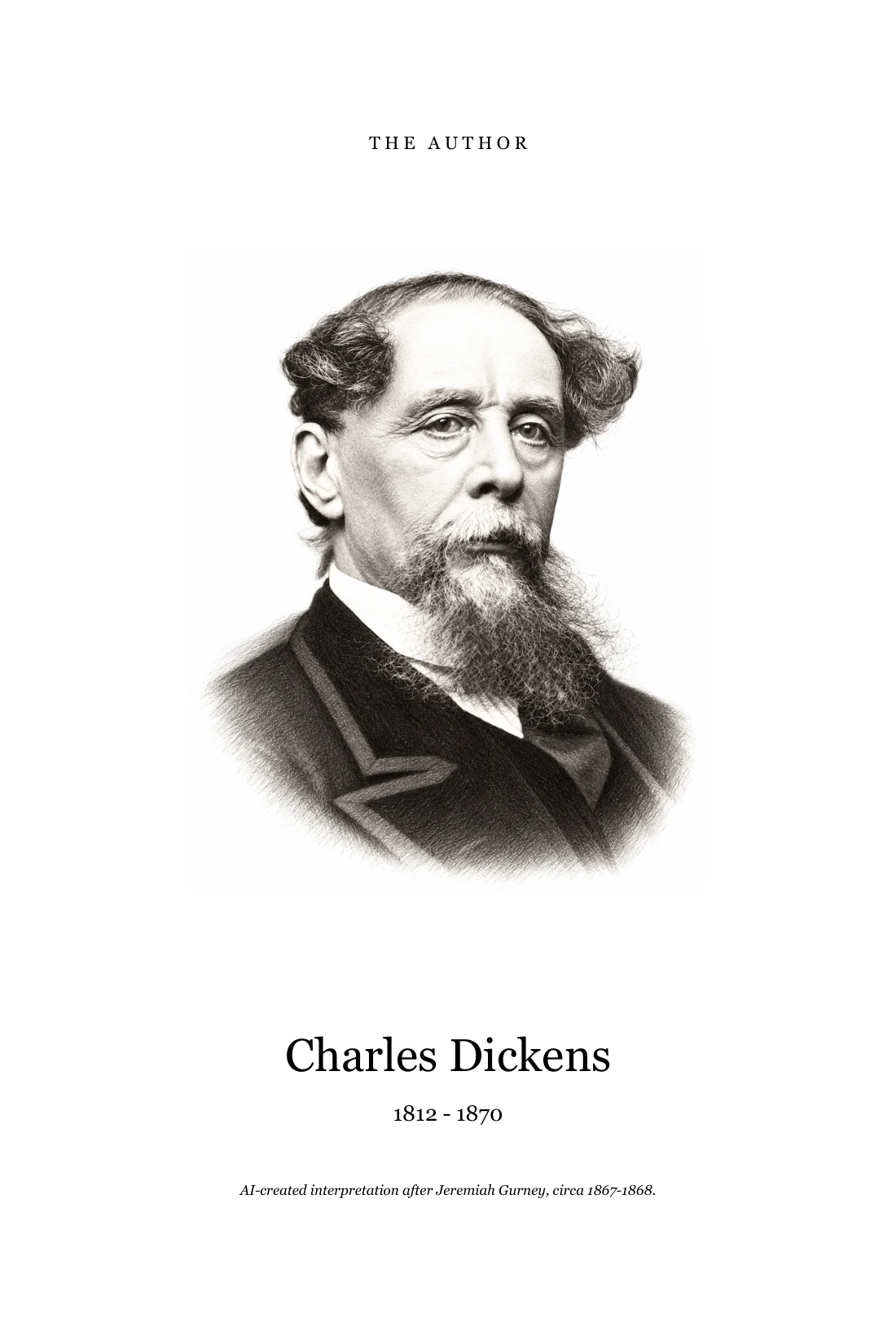
If you had wanted to read David Copperfield when it was new, you would have bought it in nineteen monthly parts, a shilling at a time, between 1849 and 1850. The same was true of most of Dickens’s novels, of many of Thackeray’s and Trollope’s, and of Wilkie Collins’s The Woman in White, which ran week by week in a magazine. Victorian serial novels were the television dramas of their day.
Not every Victorian novel was serialised; many went straight into expensive three-volume editions for the circulating libraries. But serial publication was everywhere, and it explains a great deal about the books we now read in one volume: their length, their cliffhangers, their huge casts and their habit of reminding you who everyone is.
How did Victorian serial novels work?
There were two main forms. The first was the monthly part: a slim paper-covered booklet of about thirty-two pages, with two illustrations and pages of advertisements, sold for a shilling. A long novel ran to twenty parts over nineteen months, the last a double number. Once the run was complete, the same text was bound up and sold as a book.
The second was the magazine serial. Novels ran in weekly or monthly periodicals alongside essays, poems and news, a chapter or two at a time. Dickens edited two weekly magazines of his own, Household Words and All the Year Round, and used his own novels and those of his friends to sell them.
How Pickwick started the craze
The form took off with Charles Dickens’s first novel. The Pickwick Papers began in 1836 as text to accompany a series of comic sporting prints. Early sales were modest. Then, in the fourth number, Dickens introduced Sam Weller, Mr Pickwick’s quick-witted Cockney servant, and sales soared. By the end of its run Pickwick was a national sensation, and publishers rushed to copy the formula.
Five novels that first appeared in instalments
The Pickwick Papers
1836–37, monthly parts. The book that made Dickens famous and turned serial fiction into a mass phenomenon.
Oliver Twist
1837–39, in Bentley’s Miscellany. Dickens’s second novel, written in monthly chunks for a magazine he was also editing.
David Copperfield
1849–50, monthly parts. Dickens’s most autobiographical novel, and the one he said he loved best.
The Woman in White
1859–60, weekly in All the Year Round. The sensation novel that left readers hungry for each new number.
Middlemarch
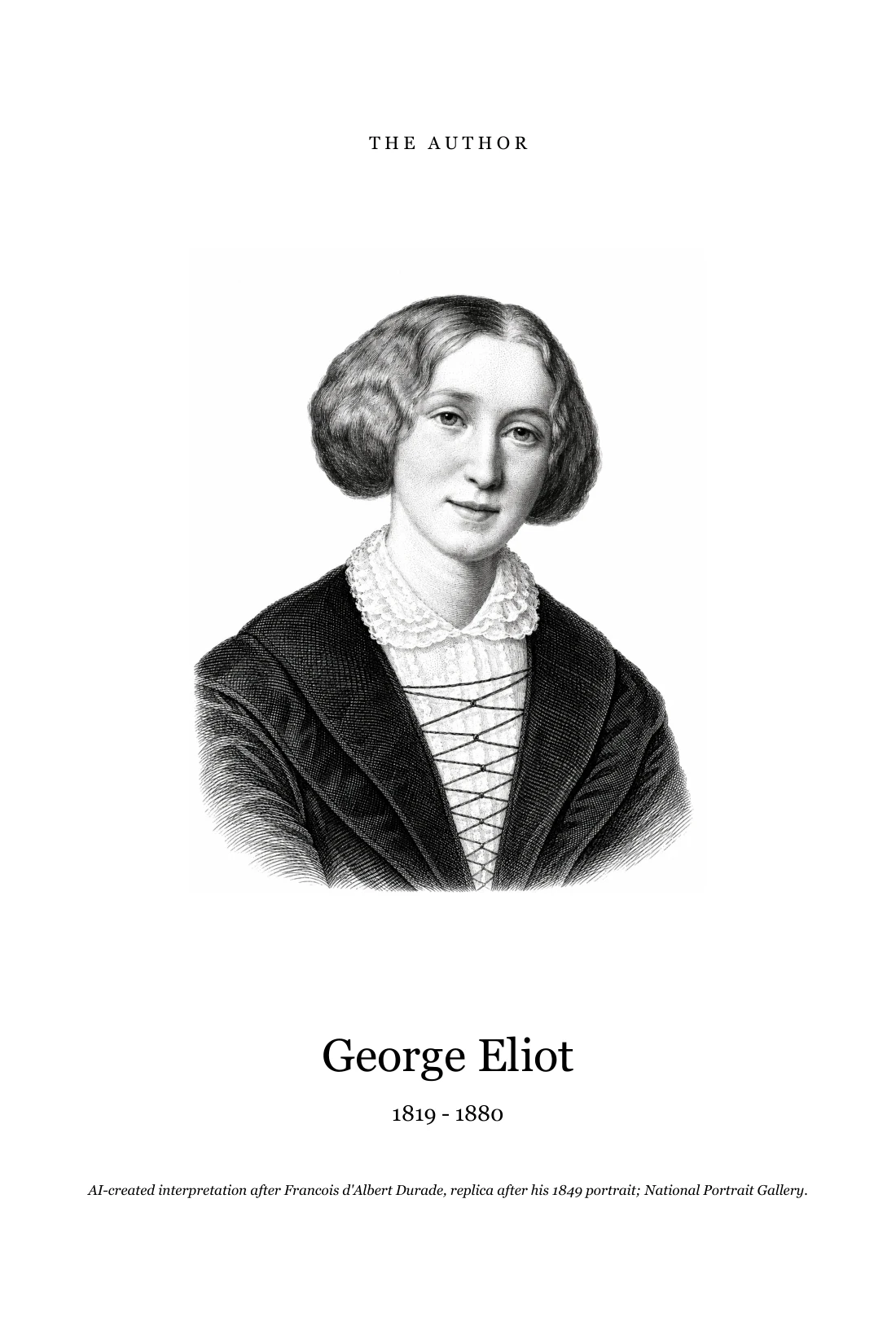
1871–72, in eight parts. George Eliot and her partner devised a new format for her longest novel, issued in separate books over a year.



How serialisation shaped the novels
Writing in instalments changed the way novels were built. Each part had to stand on its own and end with a reason to buy the next. Characters needed memorable names, catchphrases and quirks, so that readers who had waited a month could recognise them at once. Plots sprawled, because a successful serial could be extended and a long one earned more money.
Serialisation also meant that authors often wrote only a little ahead of publication, and readers could respond as the story went along. In David Copperfield, Dickens drew a comic character, Miss Mowcher, so obviously on a real woman that she complained, and he reshaped the character in later numbers. It is a famous example of a living audience changing a novel mid-flow.
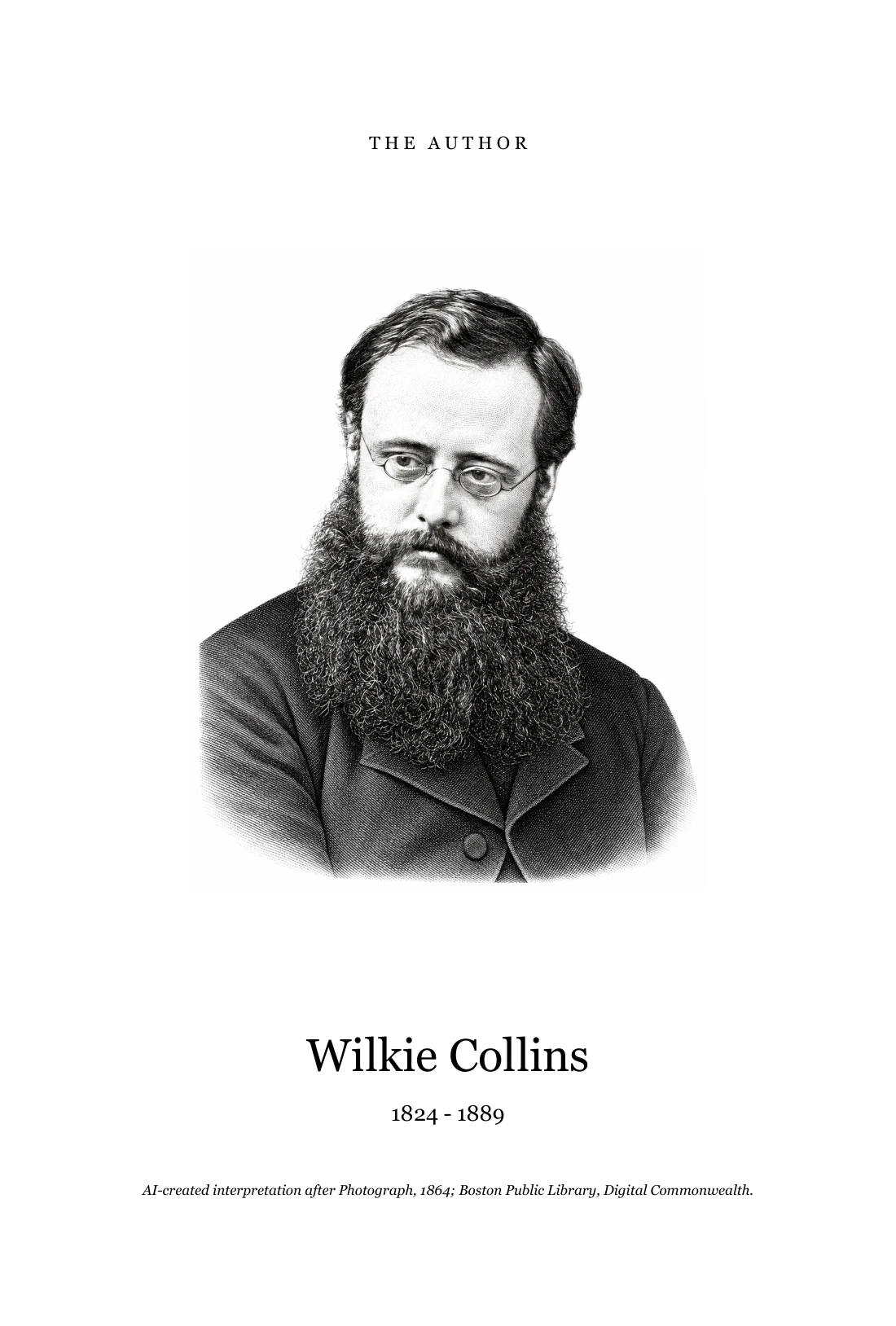
Suspense became an art form. A motto often attributed to Wilkie Collins, though its origin is uncertain, sums up the method: make ’em laugh, make ’em cry, make ’em wait. The Woman in White was the great proof. It is said that its success inspired all kinds of merchandise, from perfumes to dance music, as readers waited for each weekly part.
The waiting crowds
The most famous story about serial suspense concerns The Old Curiosity Shop. Readers in New York are said to have gathered at the docks as a ship arrived from Britain, calling to the passengers to ask whether Little Nell was still alive. The tale may have grown in the telling, but it captures something real: for the first time, a whole nation, and readers far beyond it, could follow a story together, month by month.
It also had a darker side. When Dickens died in 1870, The Mystery of Edwin Drood was only half written, and its ending died with him. We explore the puzzle in Edwin Drood, Dickens’s unfinished mystery. And a friend’s late advice is why Great Expectations has two endings.
How to read a Victorian serial novel today
Knowing how these books were first published makes them easier to read now. Long novels like Middlemarch by George Eliot or David Copperfield feel far less daunting when you treat them as their first readers did, a part or a few chapters at a time, with time between to wonder what happens next. Recaps and repeated descriptions that seem slow in one sitting suddenly make sense.
For a place to begin, see where to start with Charles Dickens, or try another serial sensation in The Moonstone. Better still, choose The Pickwick Papers, read one part’s worth of chapters a week, and see how quickly you start looking forward to the next instalment.
Questions readers ask
Were Victorian novels published in instalments?
Many were. Novels by Dickens, Thackeray, Trollope, Collins, Gaskell, George Eliot and Hardy first appeared in monthly parts or as serials in magazines before being published as complete books.
How much did a Dickens monthly part cost?
Most of Dickens’s novels issued in monthly parts sold for one shilling per part, with a double number at the end of the run.
Why were Victorian novels serialised?
Serialisation spread the cost for readers, who could pay a little at a time, and brought publishers steady sales and advertising revenue. It also built suspense and a loyal audience for each new number.
Which was the first Victorian serial novel to be a hit?
Dickens’s The Pickwick Papers (1836–37) is usually credited with making serial publication in monthly parts hugely popular.
 Great Expectations532 pages · $23.99
 A Christmas Carol86 pages · $10.99
 A Tale of Two Cities360 pages · $18.99
 Bleak House754 pages · $29.99