
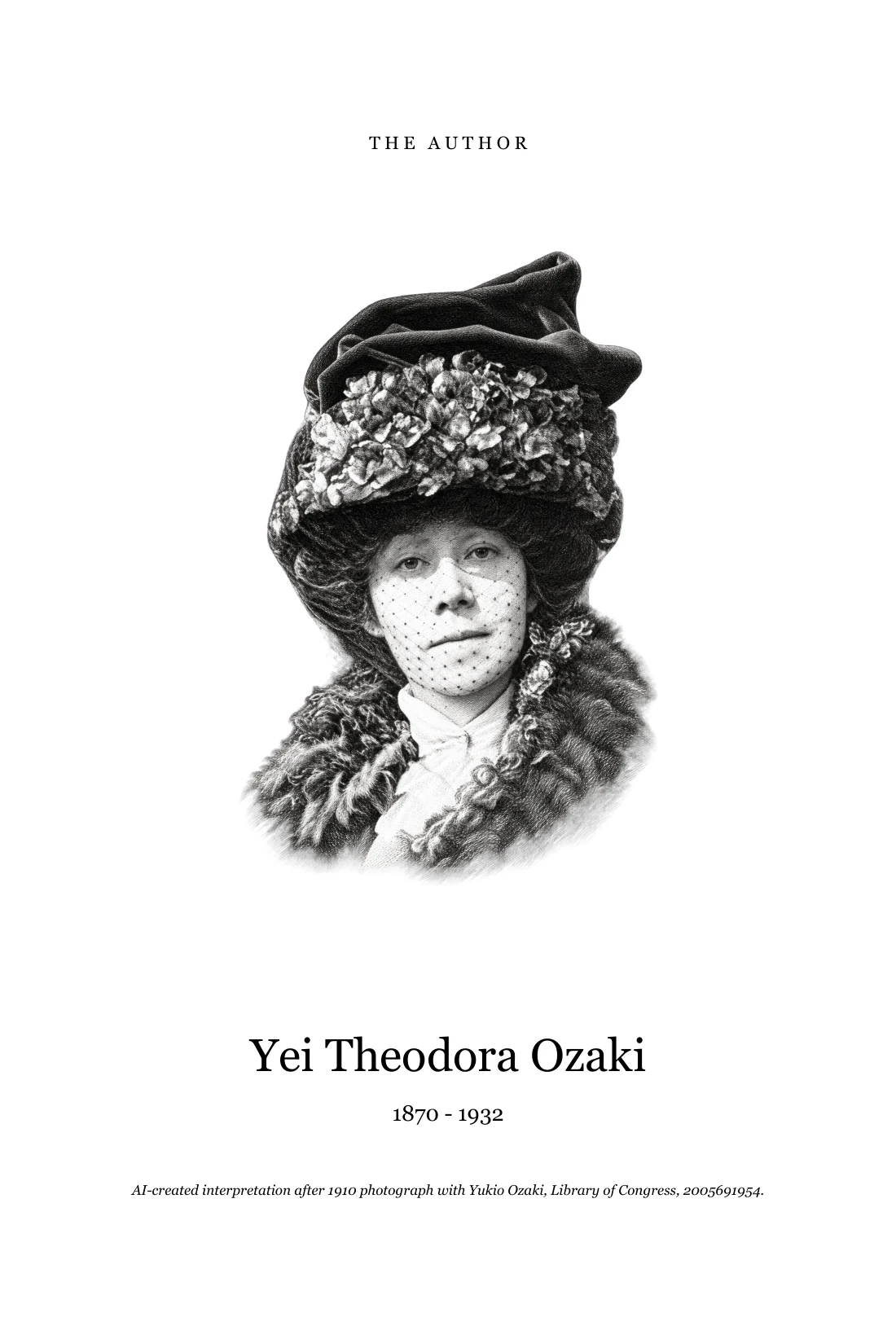
Again and again, letters meant for Yei Theodora Ozaki were delivered to Ozaki Yukio, a politician who served as mayor of Tokyo, and his letters kept arriving at her door. The two were not related; they simply shared a surname. When they eventually met, they married. By then she had already published the book that made her name in English.
That book is Japanese Fairy Tales, first published in 1903 as The Japanese Fairy Book. It holds twenty-two tales (the last of them, by Ozaki’s own label, an old Chinese story), among them nearly every story a Japanese child grows up with: Momotaro, the boy found inside a peach; Urashima Taro, the fisher lad who visits the palace under the sea; Kintaro, the golden boy who wrestles bears; and the old man whose wen is taken away by a party of dancing demons. It is still one of the simplest ways to share these stories with children who read in English.
Who was Yei Theodora Ozaki?
Ozaki was the daughter of a Japanese father and an English mother, and grew up between London and Japan. She turned down an arranged marriage, worked as a tutor and secretary, and began placing translated stories in English magazines around 1900. Her preface says the collection began with a suggestion passed to her, through a friend, from Andrew Lang, the editor of the coloured Fairy Books.
She was frank about her method. These are retellings, not word-for-word translations, and she added colour and description wherever she felt an English child needed it.
These stories are not literal translations, and though the Japanese story and all quaint Japanese expressions have been faithfully preserved, they have been told more with the view to interest young readers of the West than the technical student of folk-lore.
Yei Theodora Ozaki, preface to Japanese Fairy Tales (1908 edition)
That is why the book reads aloud so well. Japanese words are kept and explained as they come, so children learn that the magic box Urashima carries home is a tamate-bako and that the sparrow is addressed as Suzume San, without the story ever stopping for a lesson.

The best Japanese fairy tales to read first
The tales vary a great deal in length. The shortest, “The Sagacious Monkey and the Boar”, runs to under a thousand words; “The Happy Hunter and the Skillful Fisher” passes six thousand. For a first evening, choose from these:
- “Momotaro, or the Story of the Son of a Peach”: an old woman finds a giant peach floating down the river, and the boy inside grows up to sail for the Island of Devils with a dog, a monkey and a pheasant he has recruited with rice-cakes. The quarrelling animals are the comic heart of it. Ages 5 and up.
- “How an Old Man Lost His Wen”: an old man hides in a tree, watches hundreds of demons hold a feast, and dances so well that they keep his wen as a pledge he will come back. His jealous neighbour tries the same trick, with very different results.
- “The Tongue-Cut Sparrow”: a kind old man, a scolding wife and a pet sparrow. The contest between a small basket and a large one is a perfect lesson in greed, and the sparrow recovers.
- “The Jelly Fish and the Monkey”: the Dragon King of the Sea needs a monkey’s liver, the jellyfish is sent to fetch one, and the monkey talks his way out. It explains, with a straight face, why jellyfish have no bones.
- “The Bamboo-Cutter and the Moon-Child”: a tiny girl is found inside a stalk of bamboo and grows into a princess who sets her suitors impossible tasks. Ozaki took it from one of the oldest stories in Japanese literature. Gentle, and quietly sad at the end.
Are Japanese fairy tales scary for young children?
Some are, and Ozaki does not soften them. Japanese folk tales share the European habit of punishing the wicked thoroughly, and several stories in this book are stronger than anything in a modern picture book. Read these yourself before reading them aloud to a child under eight:
- “The Farmer and the Badger”: the captured badger tricks the farmer’s wife into untying him, kills her and makes her into soup. A rabbit then avenges her at length. It is the grimmest story in the book.
- “The Goblin of Adachigahara”: a traveller shelters with an old woman who turns out to eat people, and finds a room full of bones and blood.
- “The Ogre of Rashomon”: the warrior Watanabe cuts off an ogre’s arm, and the ogre comes back for it.
- “The Story of the Old Man Who Made Withered Trees to Flower”: the greedy neighbour kills the old couple’s dog, Shiro, with a spade, though the dog’s goodness lives on in what grows from it.
- “The Story of Urashima Taro”: the ending is famous for a reason. Urashima opens the forbidden box, ages three hundred years in a moment and falls dead on the beach.
Ozaki also ends some tales with a moral addressed straight to the reader. Urashima’s closes with “Little children, never be disobedient to those who are wiser than you”, which modern families may want to read with a raised eyebrow. None of this makes the book unsuitable; it simply rewards an adult choosing the order.

Where to go after Ozaki
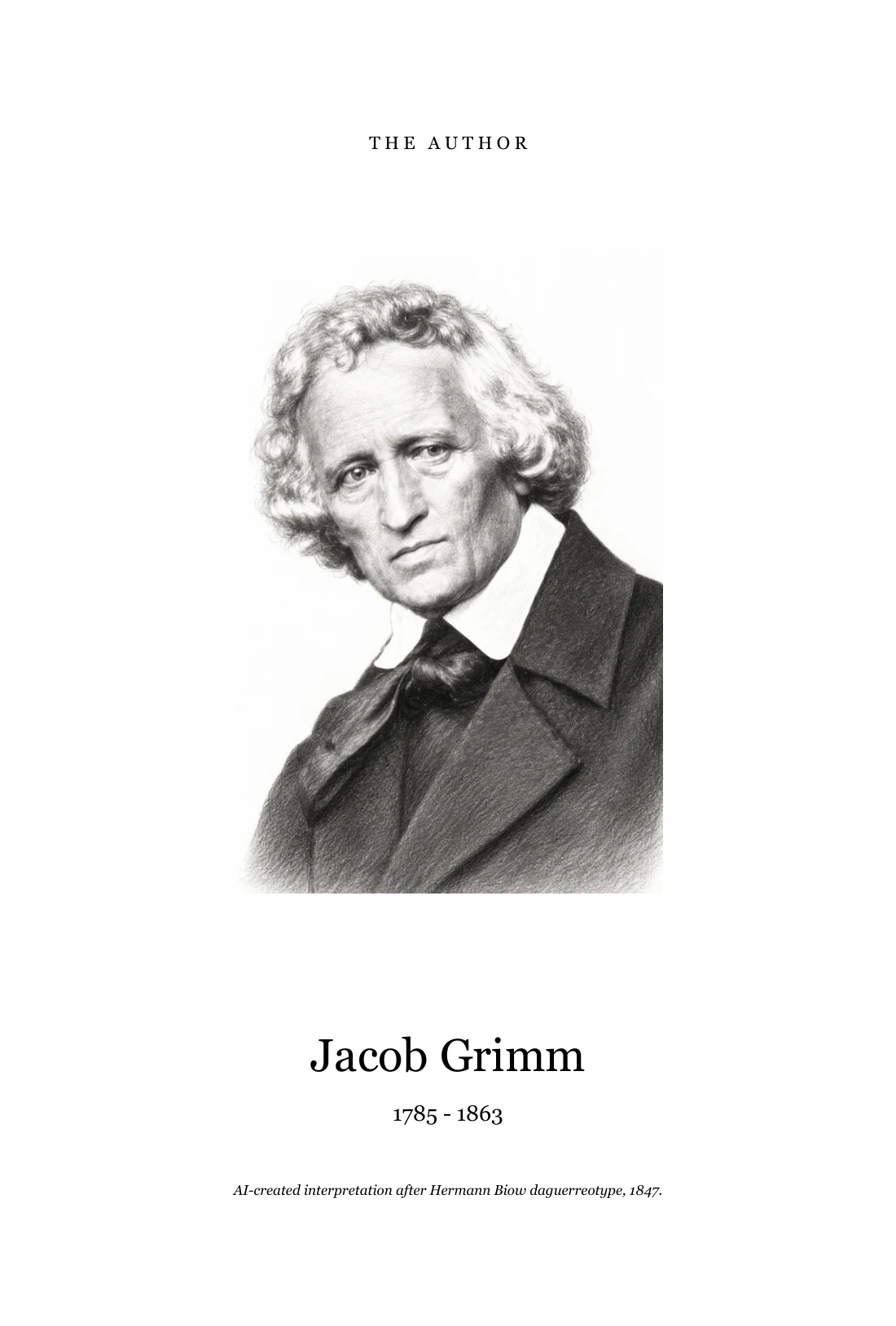
Children who love these stories often go looking for the same patterns elsewhere: kind and greedy neighbours, animal helpers, a forbidden box or door. Grimm and Andersen are full of them, and we trace the connections in fairy tales from around the world and in the darker originals of familiar fairy tales. Andrew Lang, who set Ozaki going, has his own guide in the coloured Fairy Books in order.
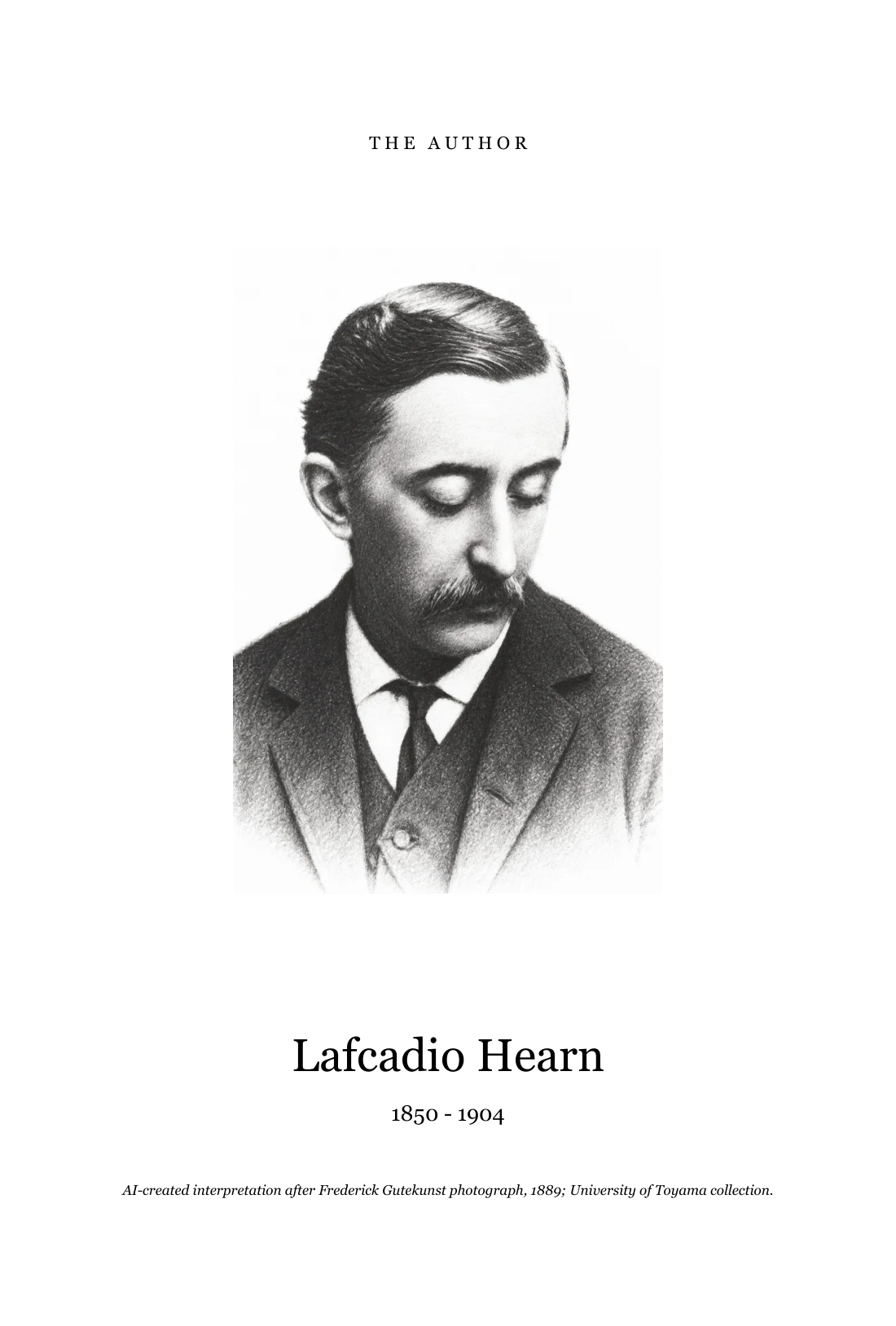
For teenagers, the natural next step is Lafcadio Hearn’s Kwaidan (1904), a book of Japanese ghost stories that is not for small children at all. Its snow woman and its faceless ghosts are unsettling in the best way; read more in Kwaidan and Lafcadio Hearn.
Kwaidan: Stories and Studies of Strange Things
1904. Lafcadio Hearn’s Japanese ghost stories, from the snow woman to a blind musician who sings for the dead. Ages 12 and up.
Grimms' Fairy Tales
The European cousins of Ozaki’s tales, with their own greedy neighbours and animal helpers. Read ahead: some are just as grim.


Start with the peach. Japanese Fairy Tales opens with a warrior and a giant centipede, but Momotaro is the story to read first: a boy, three bickering animals and a boat to an island of devils is a bedtime that tends to get asked for again.
Questions readers ask
What are the most famous Japanese fairy tales?
The best known include Momotaro (the peach boy), Urashima Taro, Kintaro, The Tongue-Cut Sparrow, The Bamboo-Cutter and the Moon-Child, and the story of the old man who made withered trees flower. All of them are in Yei Theodora Ozaki’s Japanese Fairy Tales.
Are Japanese fairy tales suitable for young children?
Many are, especially Momotaro, The Tongue-Cut Sparrow and How an Old Man Lost His Wen. A few, such as The Farmer and the Badger and The Goblin of Adachigahara, are violent enough that parents may prefer to save them for children of eight or older.
Is Japanese Fairy Tales the same as The Japanese Fairy Book?
Yes. Yei Theodora Ozaki’s collection was first published in 1903 as The Japanese Fairy Book; later editions appeared as Japanese Fairy Tales, the title it usually carries today.
Who wrote Japanese Fairy Tales?
Yei Theodora Ozaki, a translator with a Japanese father and an English mother. She retold the stories in English from modern Japanese versions, adding detail for Western children.