
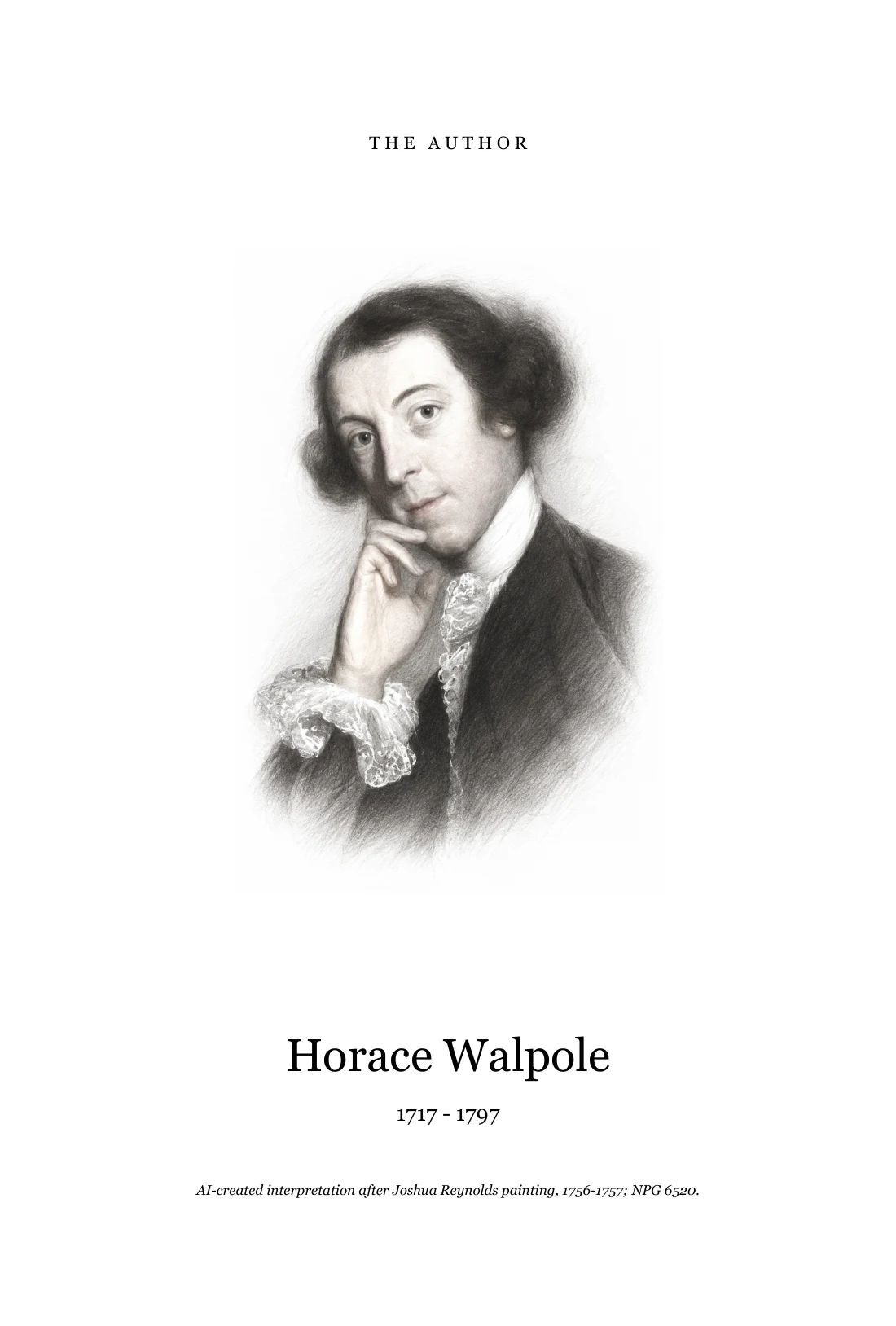
Ask what the first Gothic novel was and almost every literary historian will give the same answer: The Castle of Otranto by Horace Walpole, published at the end of 1764. It was the first novel to bring together the ingredients that define the genre: a medieval castle, a tyrant with a guilty secret, a family curse, persecuted young women, secret passages and supernatural events that cannot be explained away.
Earlier writers had put the odd ghostly scene in their fiction, and some critics point to moments in Tobias Smollett’s Ferdinand Count Fathom of 1753. But Walpole was the first to build a whole novel out of the Gothic, and to call it so. When the second edition appeared in 1765, he added the subtitle “A Gothic Story”, and the name stuck.
Why is The Castle of Otranto called the first Gothic novel?
Partly because of what it contains, and partly because of the trick Walpole played. The first edition claimed to be a translation of an old Italian book, printed in Naples in 1529 and rediscovered in the library of an ancient Catholic family in the north of England. Walpole’s name appeared nowhere. Readers took it as a genuine relic of the Middle Ages, and many loved it.
When Walpole confessed in the second edition, some of those readers felt cheated. But he used his new preface to explain what he had been trying to do: to blend the old romance, full of wonders, with the modern novel, full of realistic characters. That blend is the recipe for every Gothic novel that followed.
Walpole had the perfect setting for the experiment. At Strawberry Hill, his house near Twickenham, he had spent years rebuilding a modest villa into a miniature Gothic castle, with battlements, painted glass and a gallery of curiosities. Otranto is, in a sense, the novel of the house.
What is The Castle of Otranto like to read?
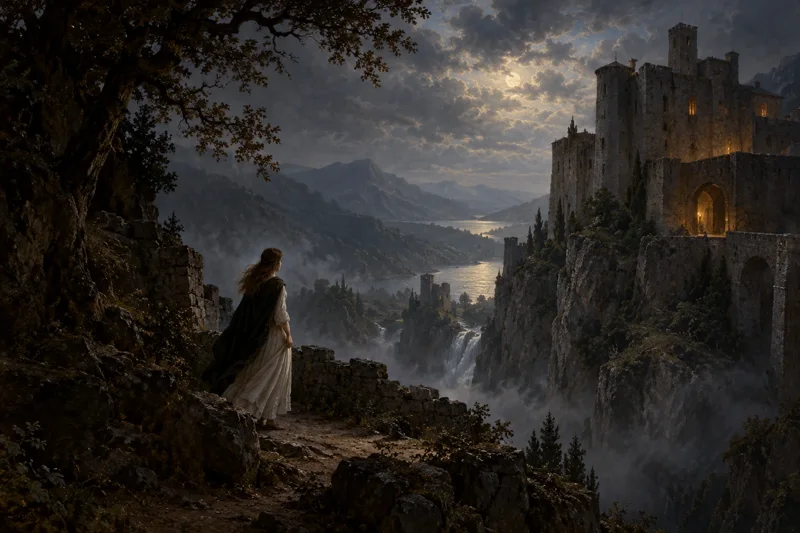
Fast, short and frankly bizarre. The first chapter opens with the son of Prince Manfred crushed to death on his wedding day by a giant helmet that falls from the sky, and the book never slows down from there. Portraits walk out of their frames, statues bleed and a monstrous armoured figure seems to be assembling itself piece by piece around the castle.
Modern readers often find it funny, sometimes more than Walpole intended, though the chattering servants are comic on purpose: he said he was following Shakespeare’s mix of tragedy and comedy. But it is a quick read and a fascinating one, the seed from which a whole literature grew. Read it in an evening and you will spot its fingerprints everywhere.
What came after Otranto?
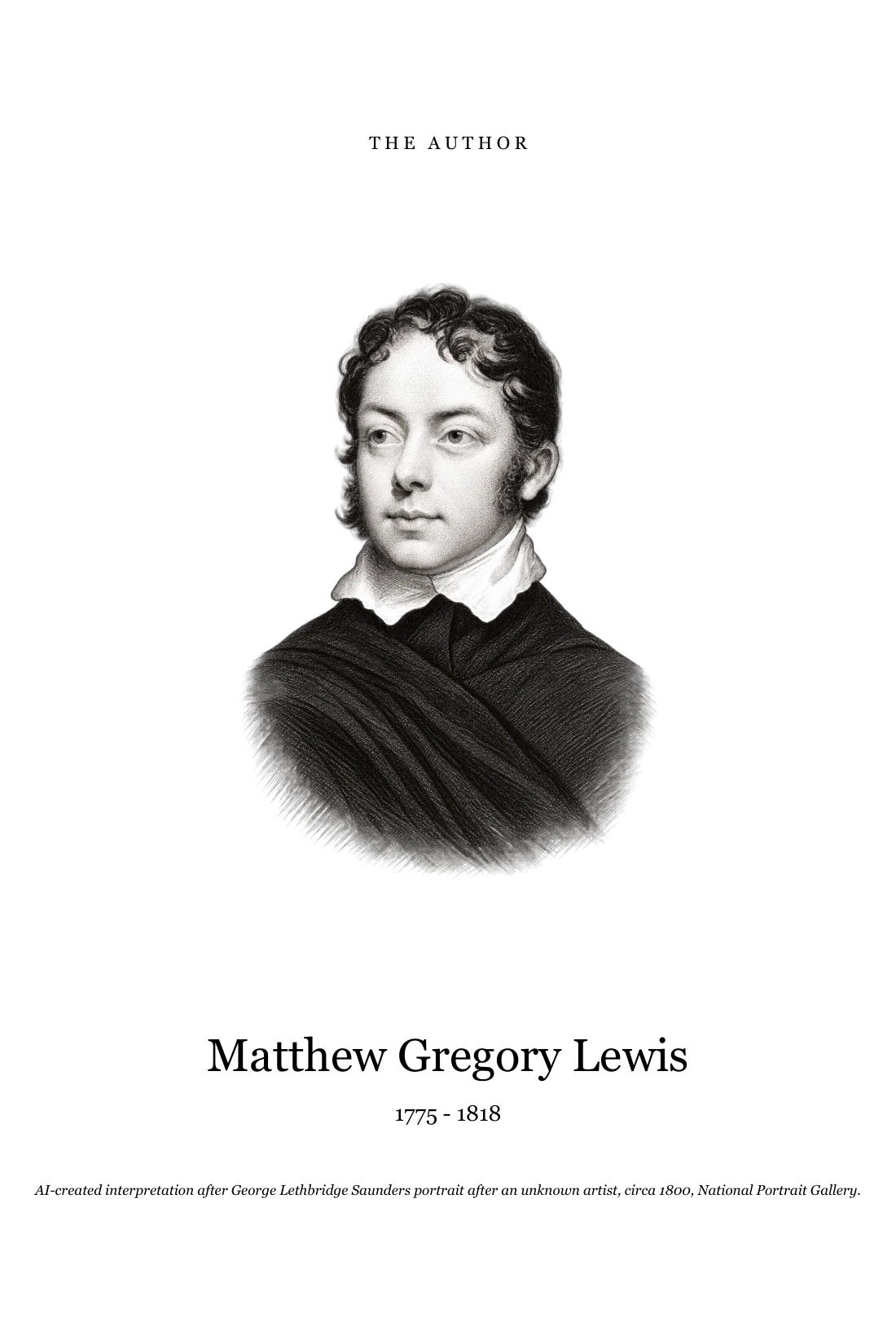
For years Walpole had only a handful of followers, Clara Reeve among them. Then, in the 1790s, the Gothic exploded. Ann Radcliffe made it respectable and hugely popular with novels of suspense in which every terror is finally given a rational explanation. Matthew Lewis, still only around twenty, answered with a novel that explained nothing and shocked everyone.
The Castle of Otranto
1764. A tyrant prince, a cursed castle and a giant helmet from the sky. The book that started the Gothic, short enough to read in one sitting.
The Mysteries of Udolpho
1794. Ann Radcliffe’s heroine Emily is carried off to a brooding castle in the Apennines. The most famous Gothic novel of its day, and a long, immersive read.
The Monk
1796. Matthew Lewis’s story of a revered Madrid abbot’s fall into vice and the supernatural. Notorious in its time, and still strong stuff, with scenes of violence and sexual assault.
Frankenstein
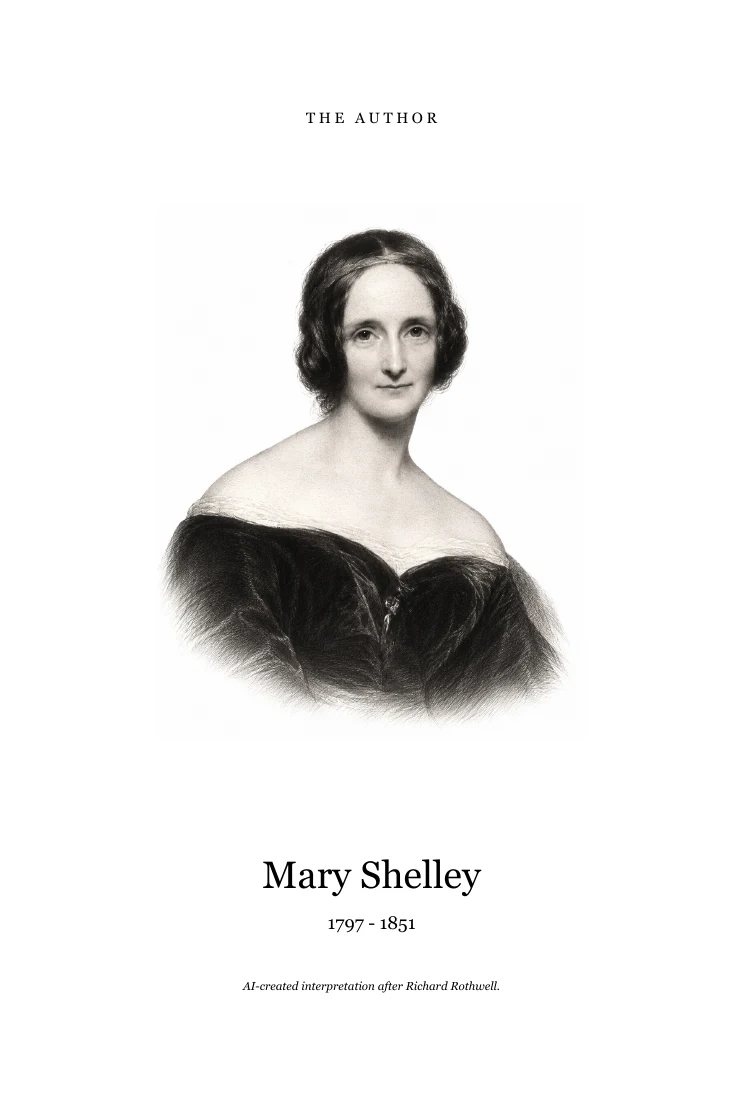
1818. Mary Shelley carried the Gothic into science, and gave it its most famous creature.


From there the line runs through Frankenstein and The Vampyre to the Brontës, Poe, Dracula and beyond. Every one of them owes something to Walpole’s strange little hoax.
Where to go next
We trace the full line in The best Gothic novels, from Otranto to Dracula. Jane Austen’s loving parody of the genre is the subject of Did you know Northanger Abbey pokes fun at The Mysteries of Udolpho?, and the night that gave us Frankenstein is told in The ghost story contest that gave us Frankenstein and The Vampyre. For more dark reading, browse the Gothic shelf.
But the obvious place to start is the beginning. Pick up The Castle of Otranto, wait for the helmet to fall, and watch a genre being born.
Questions readers ask
What was the first Gothic novel?
The Castle of Otranto by Horace Walpole, published in 1764, is generally considered the first Gothic novel. Its second edition was subtitled “A Gothic Story”.
Why did Walpole pretend The Castle of Otranto was a translation?
The first edition claimed to be a translation of an Italian book printed in 1529. Walpole later explained that he had been unsure how such a new kind of story would be received. He admitted authorship in the second edition in 1765.
What are the main Gothic novels after Otranto?
The key early Gothic novels include Ann Radcliffe’s The Mysteries of Udolpho (1794), Matthew Lewis’s The Monk (1796) and Mary Shelley’s Frankenstein (1818).