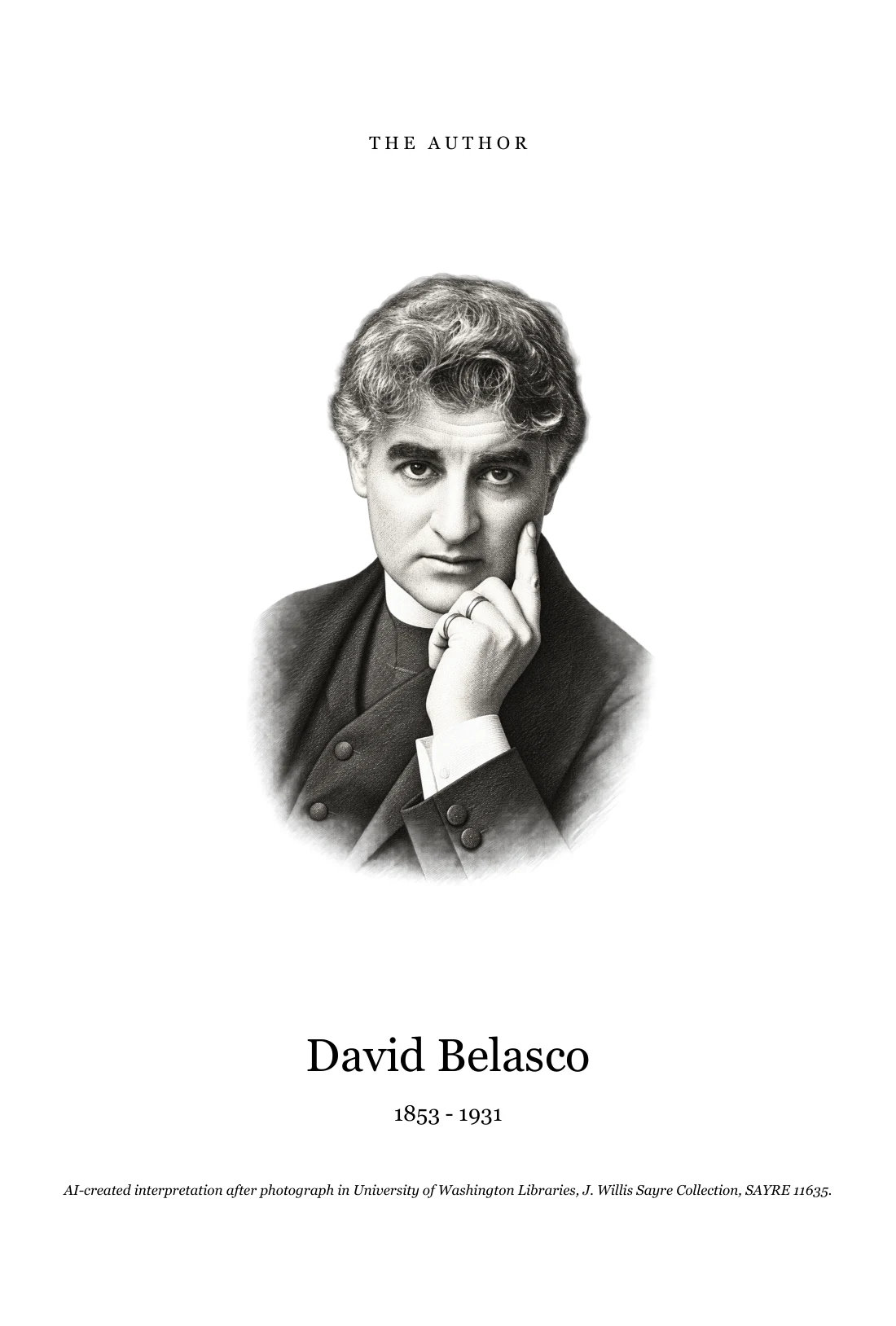
On 10 December 1910 one of the most publicised westerns of its day opened at the Metropolitan Opera in New York. It was sung in Italian, its composer was Giacomo Puccini, and its hero was played by Enrico Caruso. La fanciulla del West was based on The Girl of the Golden West, a Gold Rush melodrama that the producer David Belasco had staged on Broadway in 1905. A year after the opera, Belasco turned his own play into a novel.
That journey, from stage to opera house to bookshop, says a lot about the early western. It was not yet a genre with fixed rules. It was a set of ideas about the frontier, about freedom, honour and violence, passed between journalists, playwrights and novelists until it hardened into the shape we know. The classic western novels below cover that whole process, from the gold-camp stories of the 1860s to the cattle drives of Texas.
The gold camps: where the western began
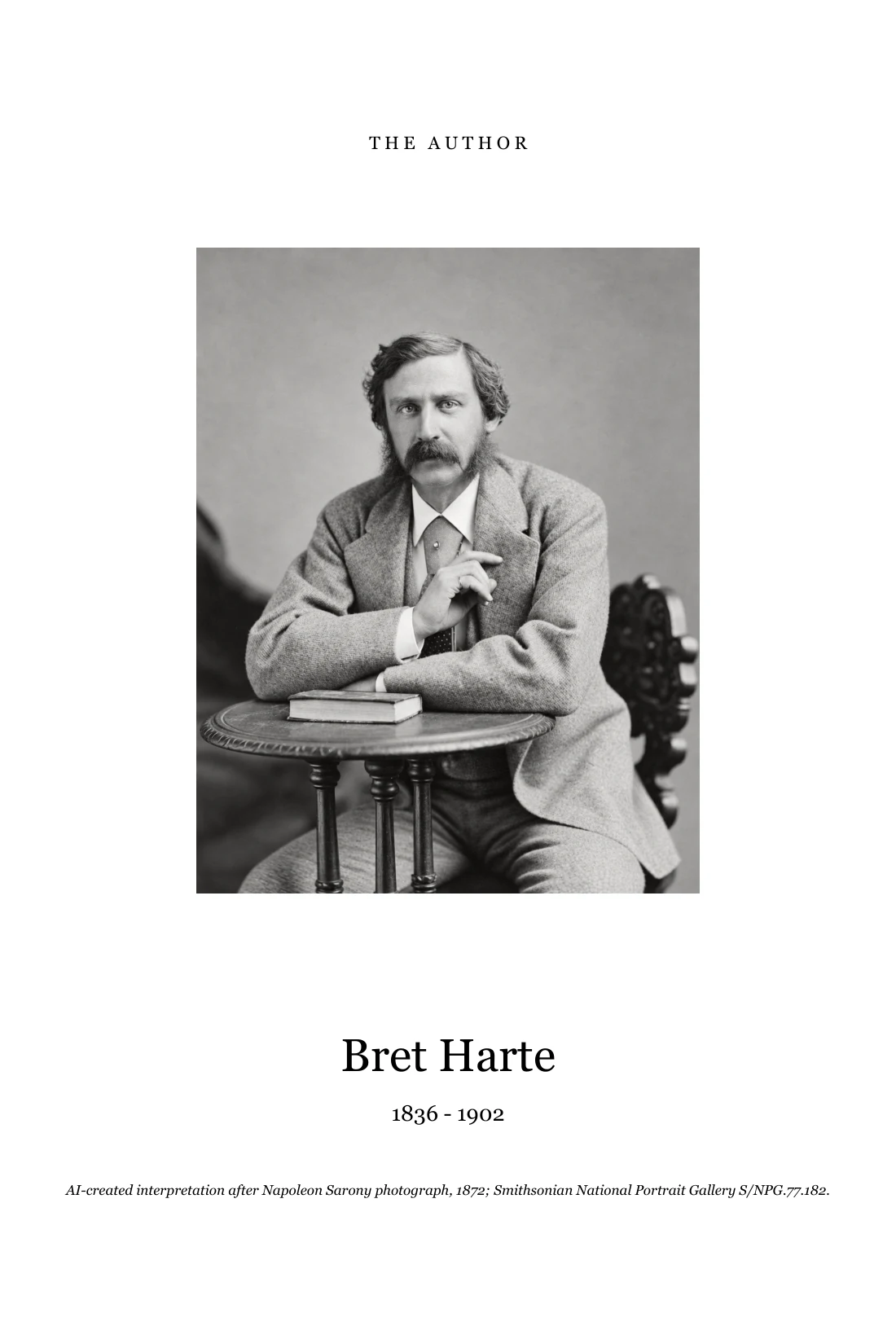
Selected Stories of Bret Harte
Gamblers, miners and outcasts in the California hills of the 1850s. “The Luck of Roaring Camp” and “The Outcasts of Poker Flat” invented the tough men with soft hearts that every later western borrowed.
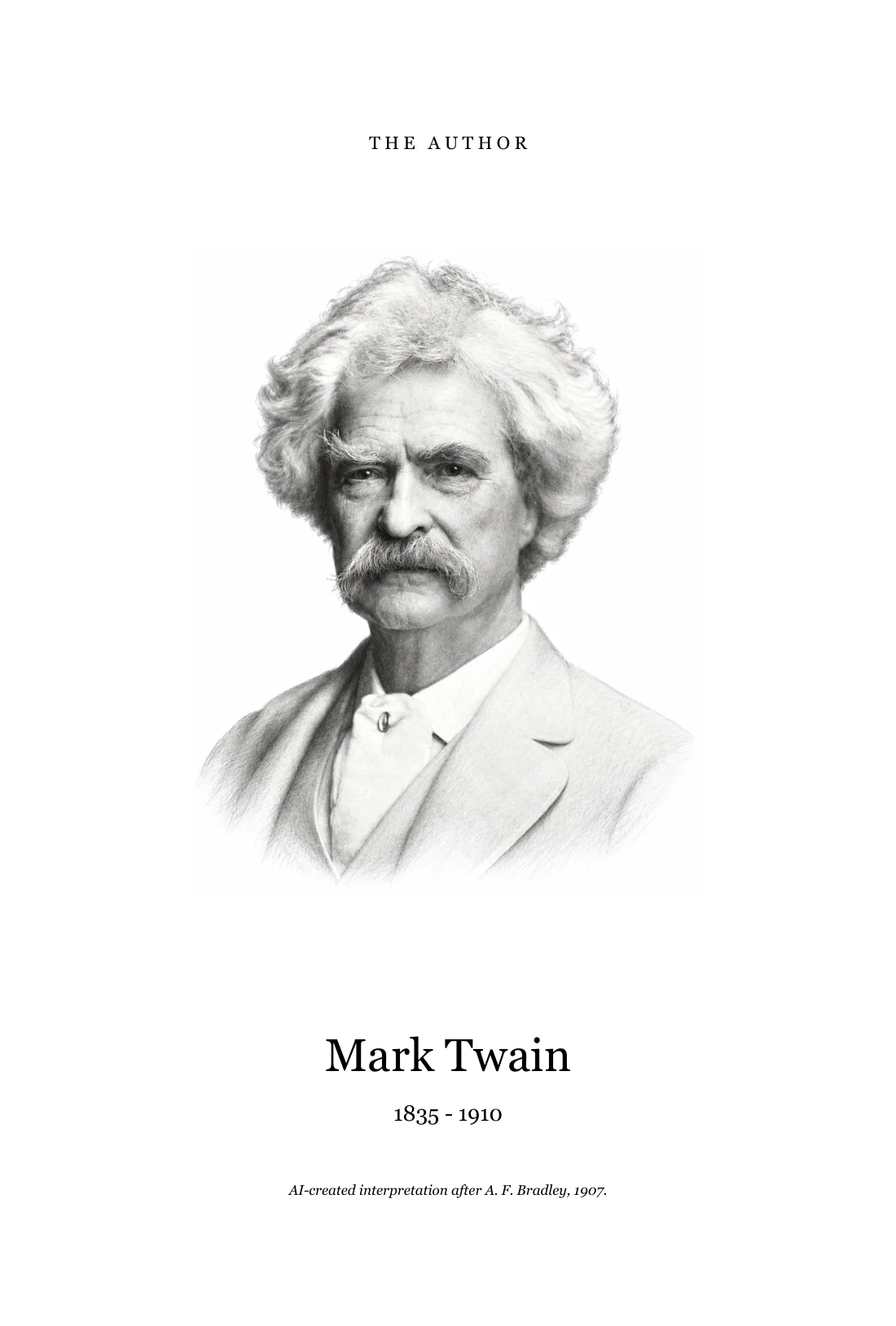
Roughing It
1872. Twain goes west in 1861 with his brother, the new Secretary of the Nevada Territory, and stays to try silver mining and journalism. The real frontier, told by a man who could not resist improving it.
The Girl of the Golden West
1911. The Girl runs the Polka Saloon in a mining camp, keeps a protective eye on the rough miners who adore her, and falls for a stranger with a price on his head. Includes the famous card game.


Bret Harte was the writer who turned the mining camps into literature. “The Luck of Roaring Camp”, about a camp of hard cases who adopt an orphaned baby, appeared in the second issue of the Overland Monthly in 1868 and made him famous across America almost overnight. He was soon offered $10,000 a year to write for The Atlantic Monthly, an unheard-of sum, though his popularity faded fast. His stories, like many on this list, also contain caricatures of Chinese and Native American characters that modern readers will find hard going.
The cowboy arrives
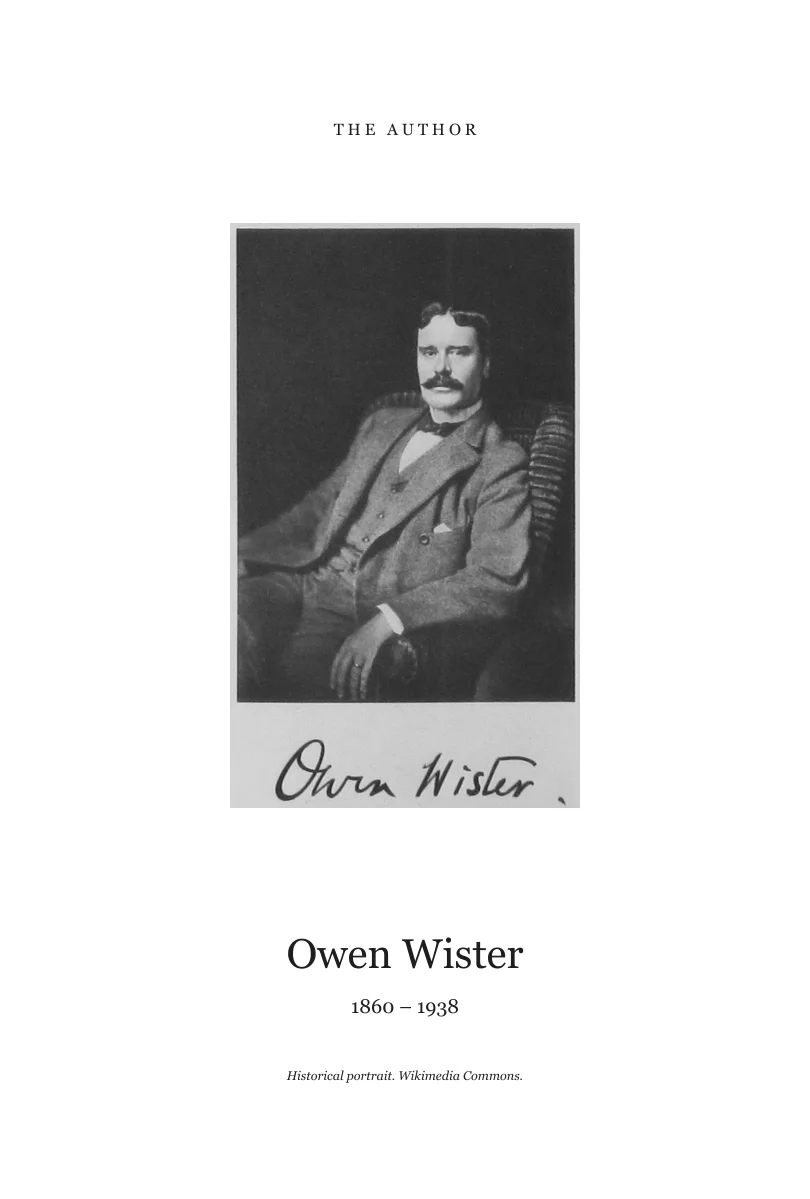
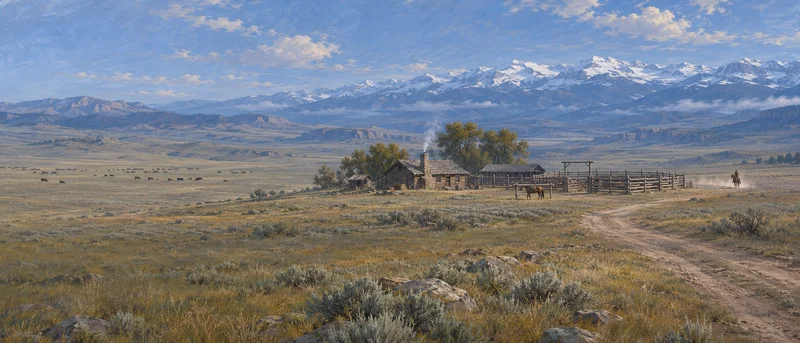
By 1900 the cattle ranch had replaced the gold camp, and the cowboy became the West’s hero. The most influential moment of all came in a novel of 1902. In a Wyoming saloon, Owen Wister’s nameless Virginian is insulted across a card table, lays his pistol on the table and answers:
When you call me that, SMILE.
Owen Wister, The Virginian (1902)
The Virginian
1902. A tall, soft-spoken ranch hand in 1880s Wyoming, a schoolteacher from Vermont and an enemy called Trampas. The novel that fixed the cowboy hero, the code and the showdown.
Heart of the West
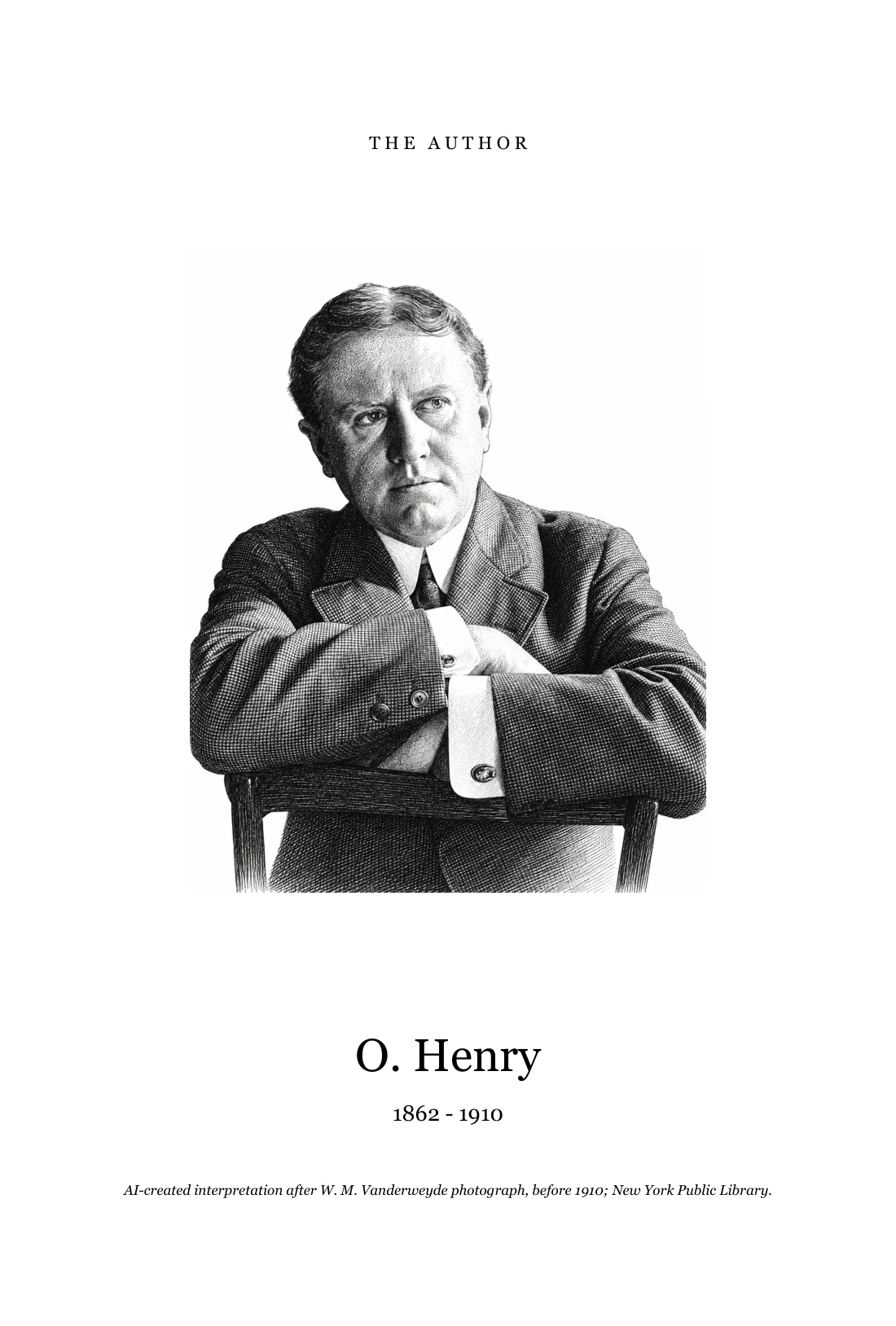
1907. O. Henry spent two years on a Texas sheep ranch, and these nineteen stories are full of ranchers, rangers and border bandits. “The Caballero’s Way” introduced the Cisco Kid.
Riders of the Purple Sage
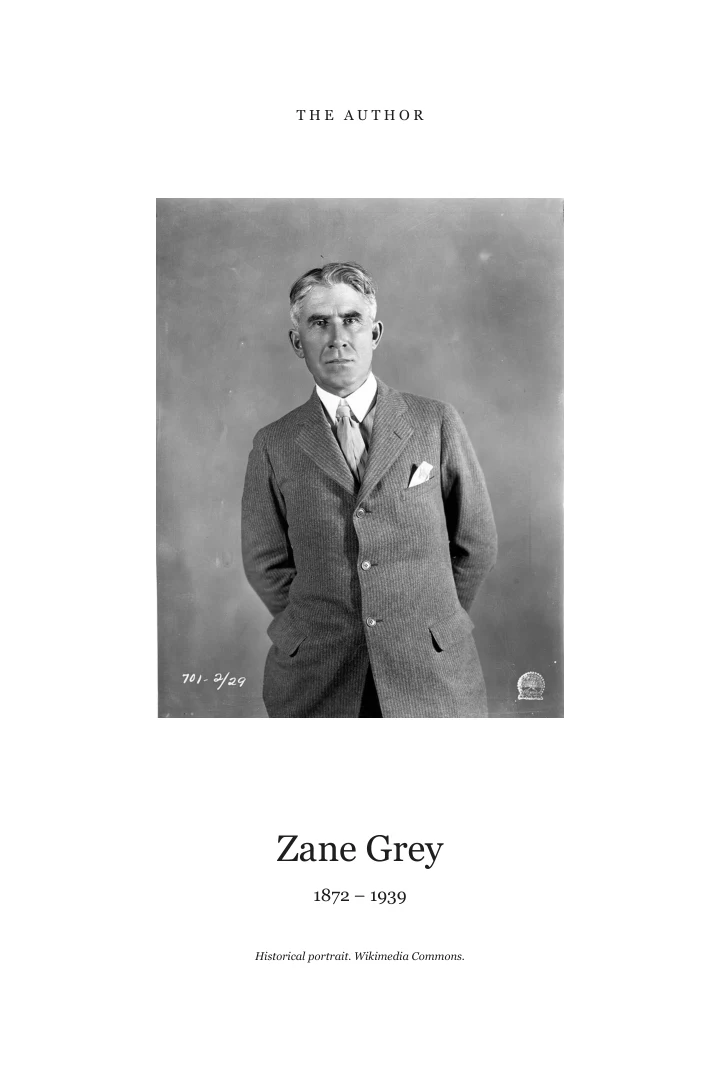
1912. Zane Grey’s Utah: a woman rancher pressured by her church elders, a gunman in black and a hidden valley. The book that taught the western to be operatic.


Grey trained as a dentist before turning to fiction, a detour told in Did you know Zane Grey was a dentist before he wrote Riders of the Purple Sage? For Wister’s hero on film, see The Virginian on screen.
Forgotten western romances worth finding
The western was never only a man’s world on the page. Some of the most interesting early westerns were romances, several by women, and they put a heroine at the centre who can ride and shoot as well as anyone.
That Girl Montana
1901. Montana Rivers escapes a crooked father who made her dress as a boy, finds shelter with a band of Indians in the far Northwest and is suspected of a killing. Filmed in 1921 with Blanche Sweet.
The Forester's Daughter
1914. A sickly young Easterner comes to recover in the Colorado mountains and falls for Berrie McFarlane, daughter of a forest supervisor. Garland drew the ranch and the lonely ranger stations from his own trips.
Oh, You Tex!
1920. Jack Roberts, a young line-rider nicknamed Texas, rides the Panhandle among rustlers, Kiowa raiders and burnt brands. Raine dedicated it to a cattle inspector from the days of the longhorn drives.


Marah Ellis Ryan later lived among the Hopi in Arizona and set novels among them, and her interest in Native American life is already there in That Girl Montana. Hamlin Garland made his name with harsh stories of Midwestern farm life, so The Forester’s Daughter, with its rain-soaked trails and conservation-minded rangers, is the work of a realist on holiday. William MacLeod Raine, a former Denver newspaperman, went on writing westerns for decades.
Where to start with classic western novels
Start with The Virginian if you want the founding text, and with Harte if you want the West at its most sentimental and its most sharply observed. For pure page-turning, Riders of the Purple Sage has not lost its pull in more than a century. And if you only have an evening, O. Henry’s Heart of the West will give you a whole frontier in short, sly stories.
But for the one that shows how far the western travelled, read The Girl of the Golden West. Belasco wrote it as a novel after it had already conquered Broadway and the opera house, and the card game at its heart is still one of the tensest scenes the genre ever produced.
Questions readers ask
What is considered the first western novel?
Owen Wister’s The Virginian (1902) is often called the first modern western novel, because it fixed the cowboy hero and the showdown. Earlier frontier fiction includes James Fenimore Cooper’s novels and Bret Harte’s gold-camp stories of the 1860s and 1870s.
What are the best classic western novels?
The Virginian by Owen Wister and Riders of the Purple Sage by Zane Grey are the two great early westerns. Bret Harte’s stories, Mark Twain’s Roughing It and O. Henry’s Heart of the West are essential shorter reading.
Was The Girl of the Golden West a book or a play?
Both. David Belasco’s play opened on Broadway in 1905, Puccini turned it into the opera La fanciulla del West in 1910, and Belasco published a novel version in 1911.