
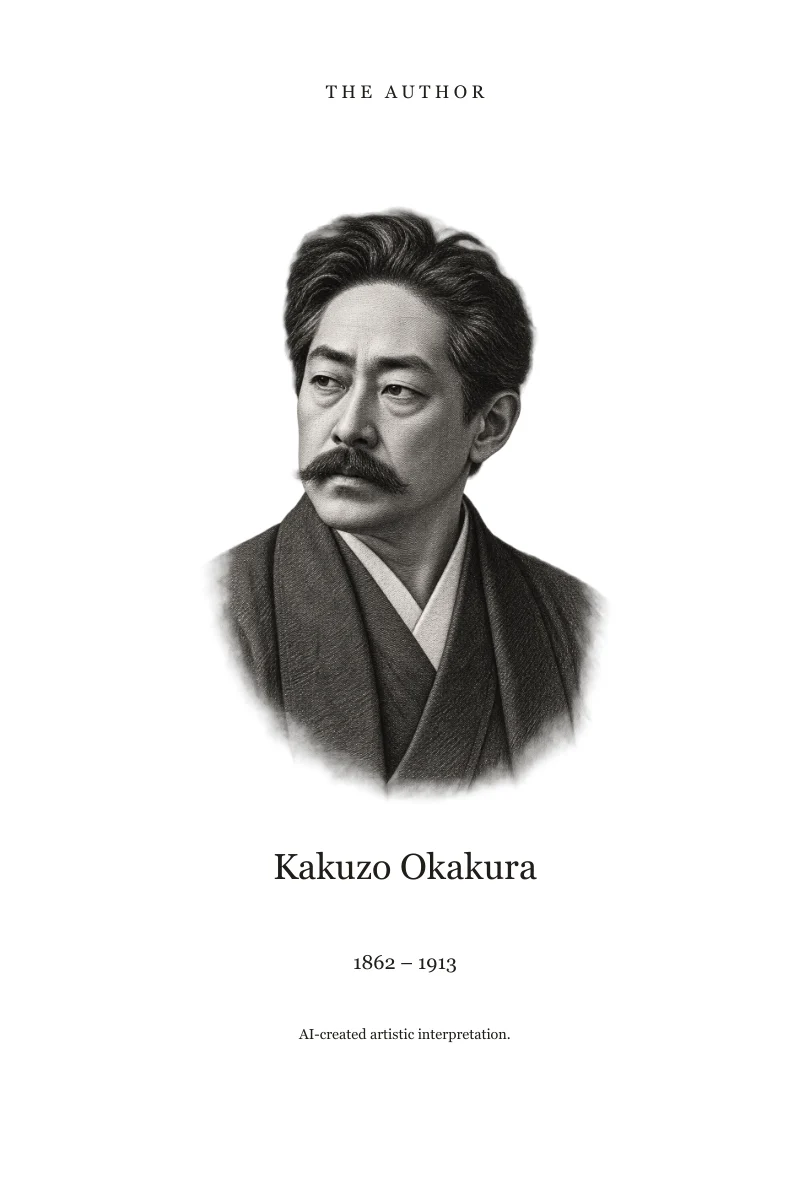
One evening in 1905, at Fenway Court in Boston, the collector Isabella Stewart Gardner and her guests sat down by candlelight to a Japanese tea ceremony. Their host was Okakura Kakuzō, a Japanese scholar of Asian art then spending long periods in Boston. A year later he published a short book that explained to Western readers what that evening had meant.
The Book of Tea, which Okakura wrote in English, is a short book of seven chapters. It explains the Japanese tea ceremony, but it uses the ceremony as a window onto a whole way of seeing: one that prizes simplicity, imperfection and the beauty of things that do not last. That is the philosophy in the teacup.
Tea began as a medicine and grew into a beverage. In China, in the eighth century, it entered the realm of poetry as one of the polite amusements. The fifteenth century saw Japan ennoble it into a religion of aestheticism—Teaism.
Okakura Kakuzō, The Book of Tea, “The Cup of Humanity”
What is The Book of Tea about?
It runs to seven short chapters, and each one widens the frame. “The Cup of Humanity” makes the case for taking tea seriously at all. “The Schools of Tea” traces how the drink was boiled, then whipped, then steeped in different Chinese dynasties. “Taoism and Zennism” finds the roots of the ceremony in those two traditions. Then come chapters on the tea-room, on looking at art, and on flowers, before the last, “Tea-Masters”, which ends with a death.
Okakura defines what he calls Teaism in a phrase people still quote: “a cult founded on the adoration of the beautiful among the sordid facts of everyday existence.” It is, he says, “essentially a worship of the Imperfect”. The tea-room is deliberately bare and asymmetrical, its decoration left a little unfinished, so that the guest’s imagination can complete it.

Why did Okakura write it in English?
Because it was an argument addressed to the West. Okakura had learned English as a boy, wrote all his major books in it, and moved between Tokyo and Boston. The Book of Tea appeared in New York from Fox, Duffield & Company in 1906, in the aftermath of the Russo-Japanese War, and it has a sharp edge under its courtesy.
The West, he observes, had long looked on Japan as barbarous while it practised the arts of peace, and only began to call it civilised once it had won its battles. His question, “When will the West understand, or try to understand, the East?”, is asked with irony as well as hope. The rest of the book offers a different measure of civilisation: how a culture pours a cup of tea, arranges a single flower or builds a room for quiet conversation.
Who was Okakura Kakuzō?
Born in 1863, Okakura was one of the key figures in Meiji-era Japan’s effort to value its own artistic traditions while the country modernised at speed. He helped found the Tokyo School of Fine Arts in 1887 and became its director a year later. His earlier English books, The Ideals of the East (1903) and The Awakening of Japan (1904), made bolder political claims about Asia and the West. In 1910 he became curator of Chinese and Japanese art at the Museum of Fine Arts in Boston. He died in 1913, aged fifty.
- 1863
Okakura Kakuzō is born, the son of a former domain treasurer turned silk merchant
- 1887
He helps found the Tokyo School of Fine Arts
- 1903
The Ideals of the East is published
- 1905
He hosts a candlelit tea ceremony for Isabella Stewart Gardner in Boston
- 1906
The Book of Tea is published in New York
- 1910
He becomes curator of Chinese and Japanese art at the Boston Museum of Fine Arts
- 1913
Okakura dies at his mountain villa at Akakura, in Japan

How does The Book of Tea end?
With Rikyu again. In 1591 the warlord Toyotomi Hideyoshi, once Rikyu’s close friend and patron, ordered the tea master to take his own life. Historians are still not sure why; Okakura gives the version in which enemies accused Rikyu of plotting to poison Hideyoshi’s tea. Either way, Okakura’s Rikyu holds a final tea ceremony for his disciples, gives each of them one of the utensils as a keepsake, breaks his own cup so that no one will drink from it again, and dies with composure. It is a startling way to close a book about tea, and a fitting one. The ceremony was always about attention to the moment, and the last moment most of all.
The Book of Tea
1906. Seven short chapters on tea, Taoism, Zen, flowers and art, written in English for the West. An hour to read, and a book to keep.
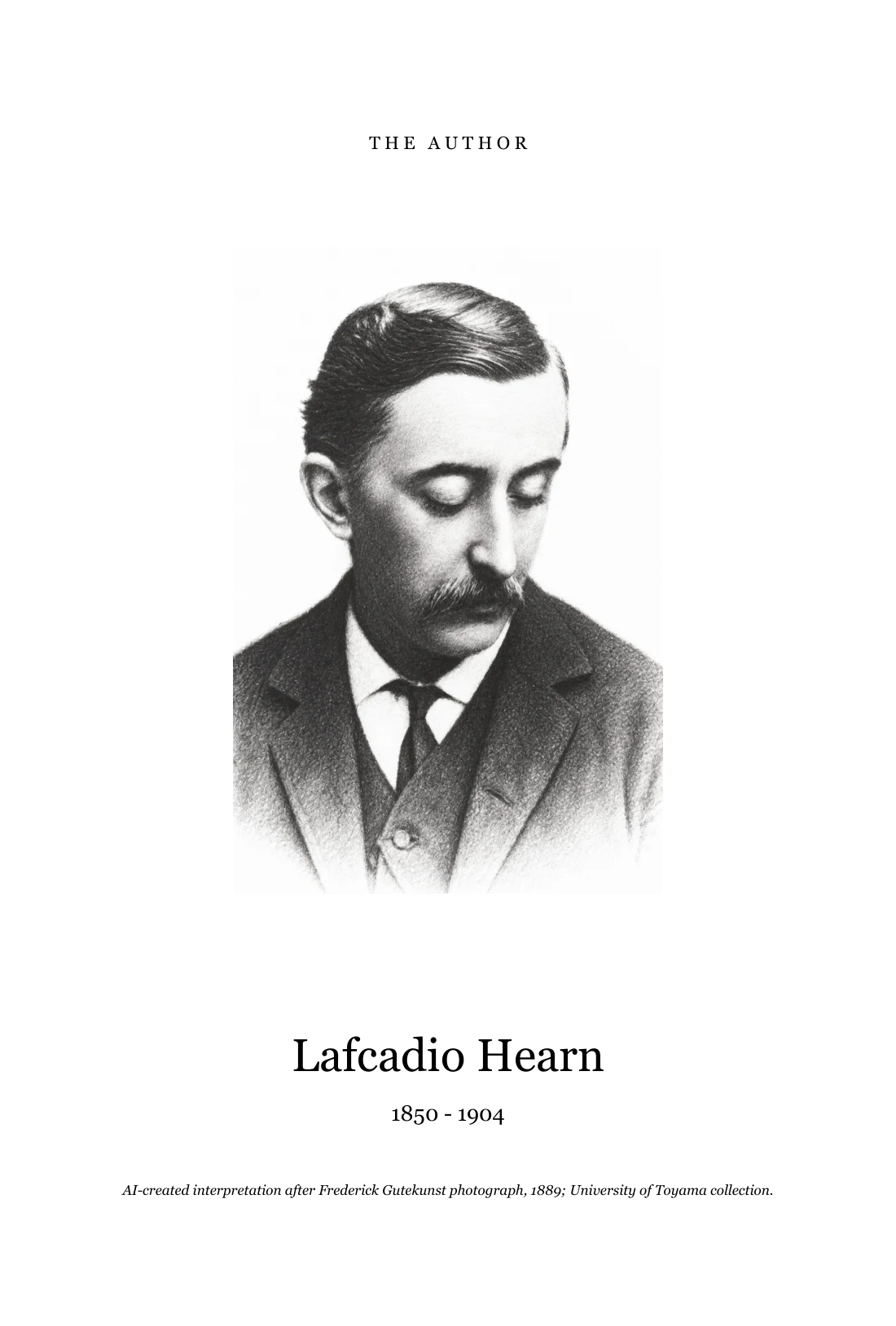
Kwaidan: Stories and Studies of Strange Things
1904. Lafcadio Hearn’s retellings of Japanese ghost stories, published the same decade for the same curious Western readers. Eerie where Okakura is serene.
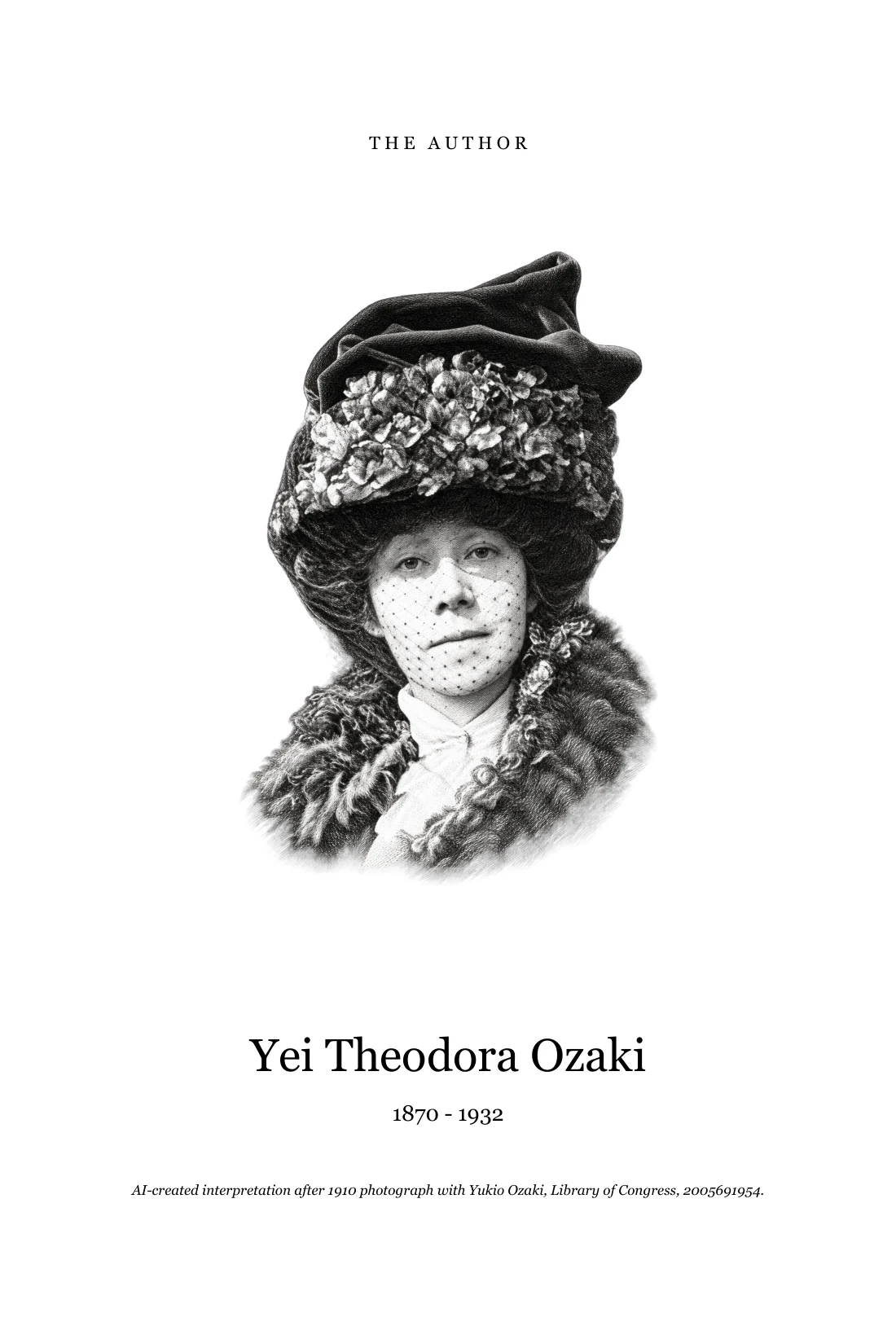
Japanese Fairy Tales
Yei Theodora Ozaki’s English versions of traditional Japanese tales, from the boy born from a peach to the fisherman Urashima Taro.


Japan in English, and more
Hearn’s ghost stories are the subject of Kwaidan: the Japanese ghost stories collected by a Greek-Irish writer, and the wider shelf is in Classics from Asia to read in English. For younger readers, try Japanese fairy tales for children. And if Okakura leaves you wanting more slow, thoughtful reading, see Philosophy books for beginners.
Best of all, put the kettle on. Open The Book of Tea while it brews, and see whether the cup looks any different by the time you reach the end.
Questions readers ask
What is The Book of Tea by Okakura about?
It is a short essay, published in 1906, that uses the Japanese tea ceremony to explain a wider philosophy of simplicity, imperfection and beauty, drawing on Taoism and Zen, and arguing for a deeper Western understanding of Asian culture.
Was The Book of Tea written in English?
Yes. Okakura Kakuzō wrote it in English for Western readers, and it was first published in New York by Fox, Duffield & Company in 1906.
What is Teaism?
Okakura’s word for the philosophy behind the tea ceremony, which he calls “a cult founded on the adoration of the beautiful among the sordid facts of everyday existence”, and “essentially a worship of the Imperfect”.
How long does it take to read The Book of Tea?
About an hour or two. It has seven short chapters and can comfortably be read in a single sitting.