
Which classic mystery should you read first? The honest answer is not the most famous one, and not necessarily the first ever written. It is the one that hooks you quickly, plays fair, and leaves you wanting a second. That is what this ladder is for.
We have arranged six books from the gentlest step to the longest climb, with notes on what each one teaches a new reader. Nothing below gives away a solution. Begin at the bottom rung, or jump in wherever the description tempts you.
Classic mysteries for beginners, in order
- $15.99
The Adventures of Sherlock Holmes
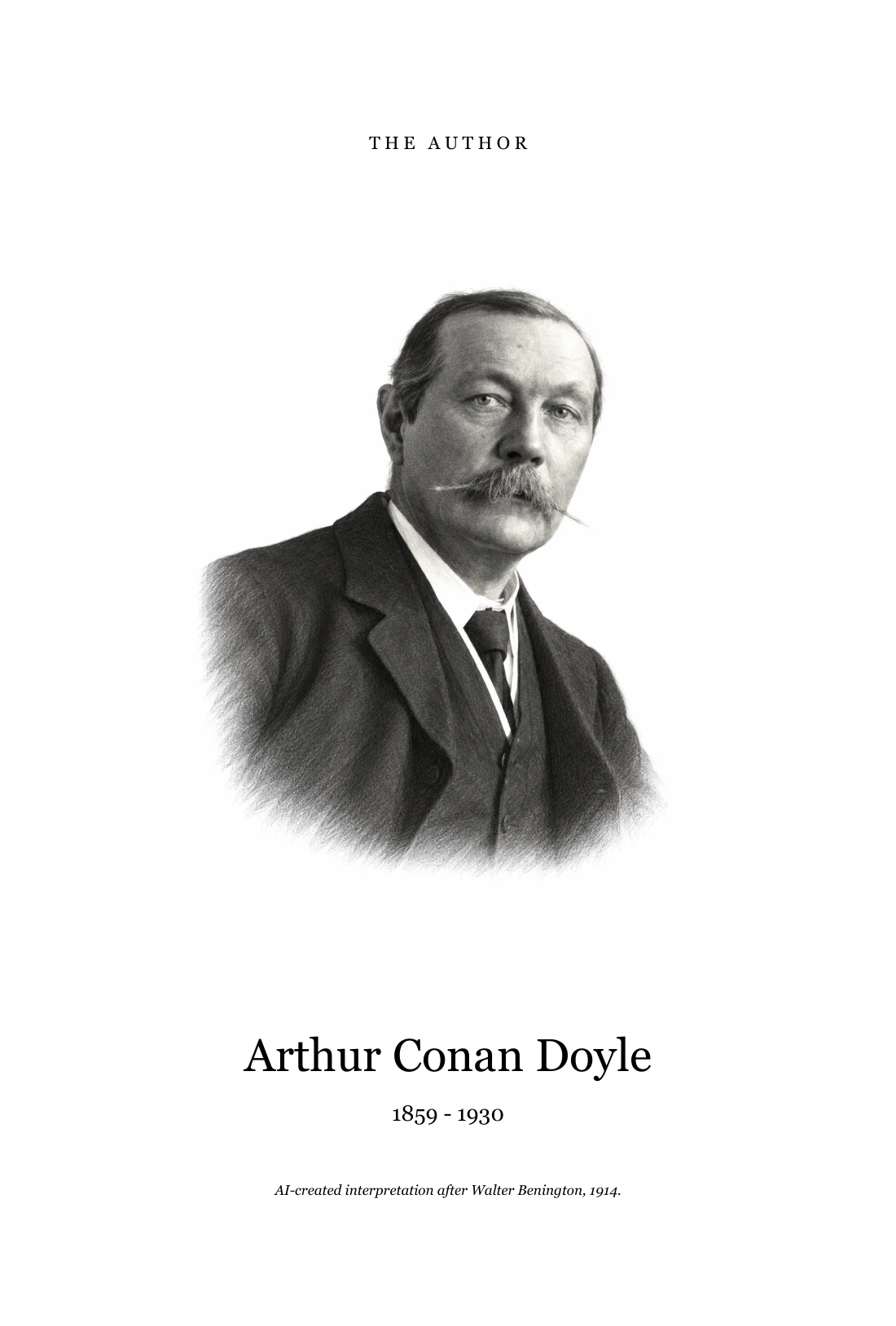
Step one: twelve short cases, first printed in The Strand Magazine in 1891–92. Each takes under an hour, which makes this the perfect way to learn how Holmes thinks. Conan Doyle named “The Speckled Band” his favourite.
- $12.99
The Hound of the Baskervilles
Step two: a full-length Holmes. A family curse, a fog-bound Dartmoor and a hound that may or may not be supernatural. Short, atmospheric and perhaps the most famous detective novel in English.
- $13.99
The Mysterious Affair at Styles
Step three: the wealthy mistress of an Essex country house is poisoned with strychnine, and a Belgian refugee in the village is asked to help. Hercule Poirot’s first case teaches you how a fair-play puzzle works.
- $13.99
The Red House Mystery
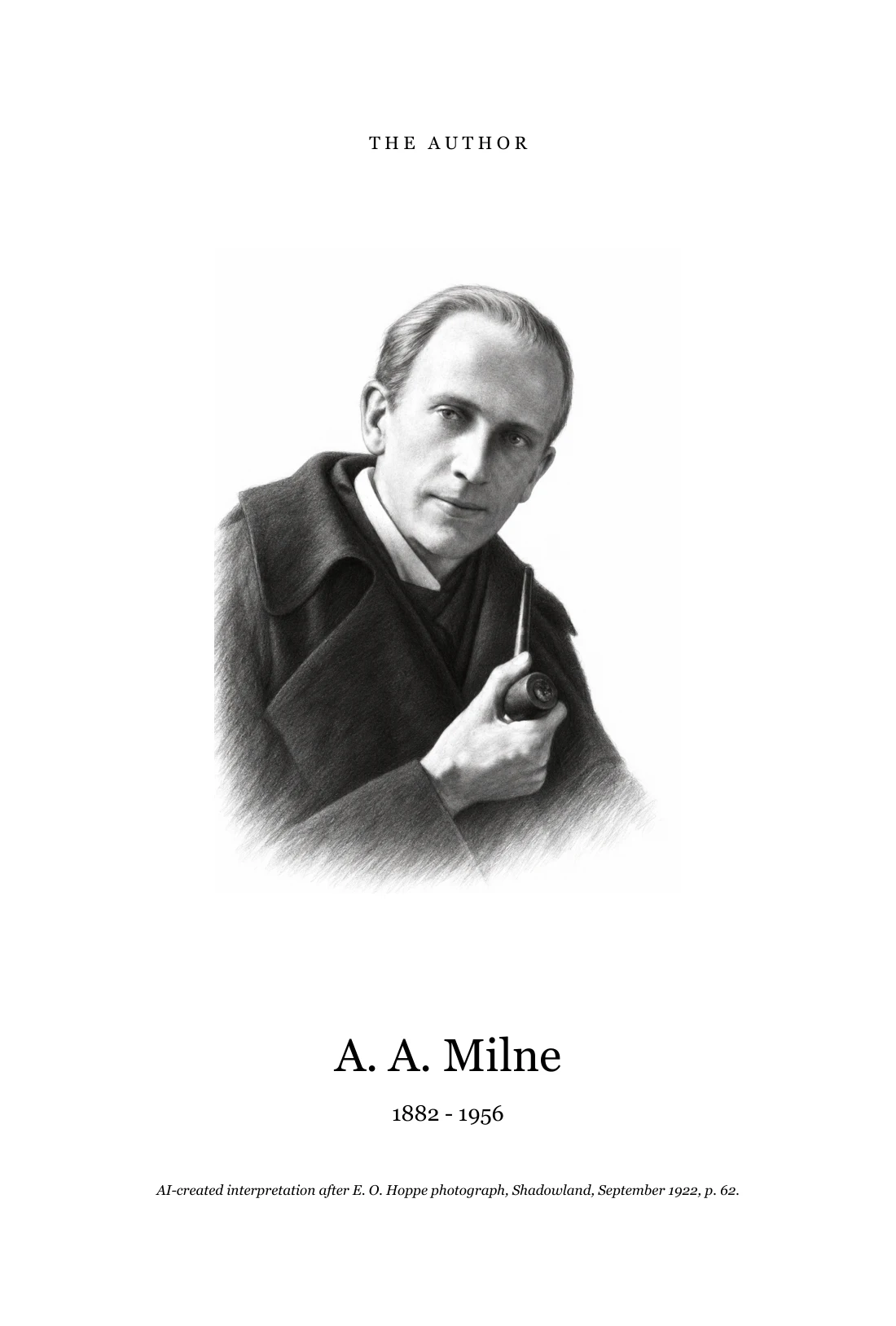
Step four: a black-sheep brother back from Australia is found shot in a country house, and a cheerful stranger appoints himself detective. Written by A. A. Milne before Winnie-the-Pooh, it is light, quick and pure game.
- $13.99
The Maltese Falcon
Step five: a different world. San Francisco, a private eye with his own code, and a jewelled statuette everyone will lie, cheat and kill for. The book that showed how tough and fast a mystery could be.
- $21.99
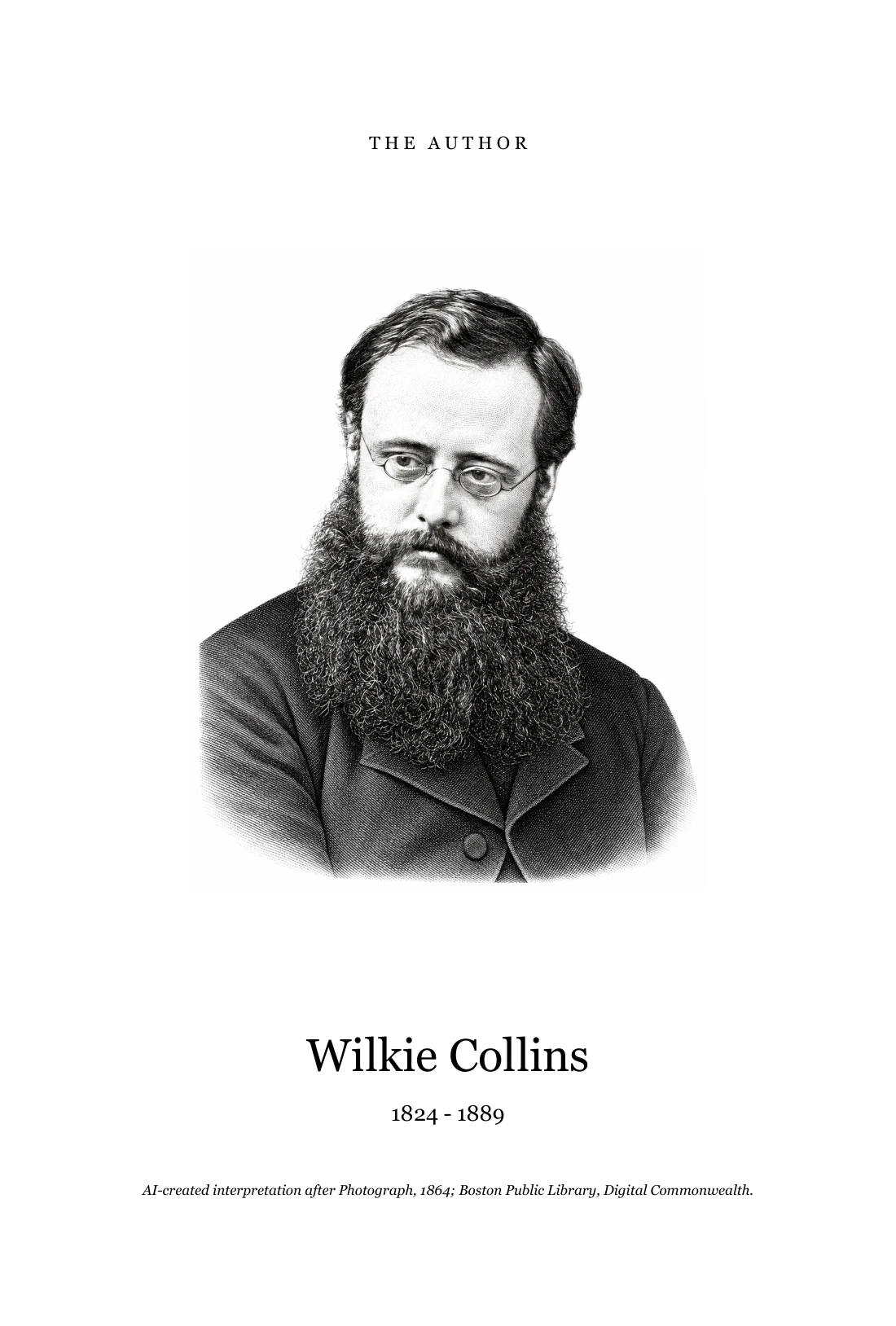
The Moonstone
Step six: a sacred Indian diamond vanishes from a Yorkshire country house the night after a birthday party, and the story is told by a succession of witnesses. Long, funny and gripping; save it until you are hooked.



Why start with short Sherlock Holmes stories?
Because they are the ideal training ground. The Holmes stories collected in The Adventures of Sherlock Holmes were written to be read in a single sitting, and each one shows you the classic pattern: a client with a strange problem, a trail of small details, and an explanation at the end that makes you wish you had noticed them. Once you know that pattern, every other mystery on this list opens up.
The Hound of the Baskervilles, serialised in The Strand from 1901 to 1902, then shows how the same detective works at novel length. It also contains Holmes’s best advice to any mystery reader:
“The world is full of obvious things which nobody by any chance ever observes.”
Sherlock Holmes, in Arthur Conan Doyle, The Hound of the Baskervilles (1902)
For the full Holmes sequence, see The Sherlock Holmes books in order.
The puzzle mystery: Christie and Milne
Agatha Christie wrote The Mysterious Affair at Styles in 1916, in the middle of the First World War. Two publishers, Hodder and Stoughton and Methuen, turned it down before John Lane of the Bodley Head accepted it; it appeared in the United States in 1920 and in Britain in January 1921. It is a model beginner’s book: one house, a small cast, a timetable, and a solution you could in principle work out. We tell the story of its rejections in Did you know Agatha Christie’s first novel was rejected?

The hard-boiled mystery: The Maltese Falcon
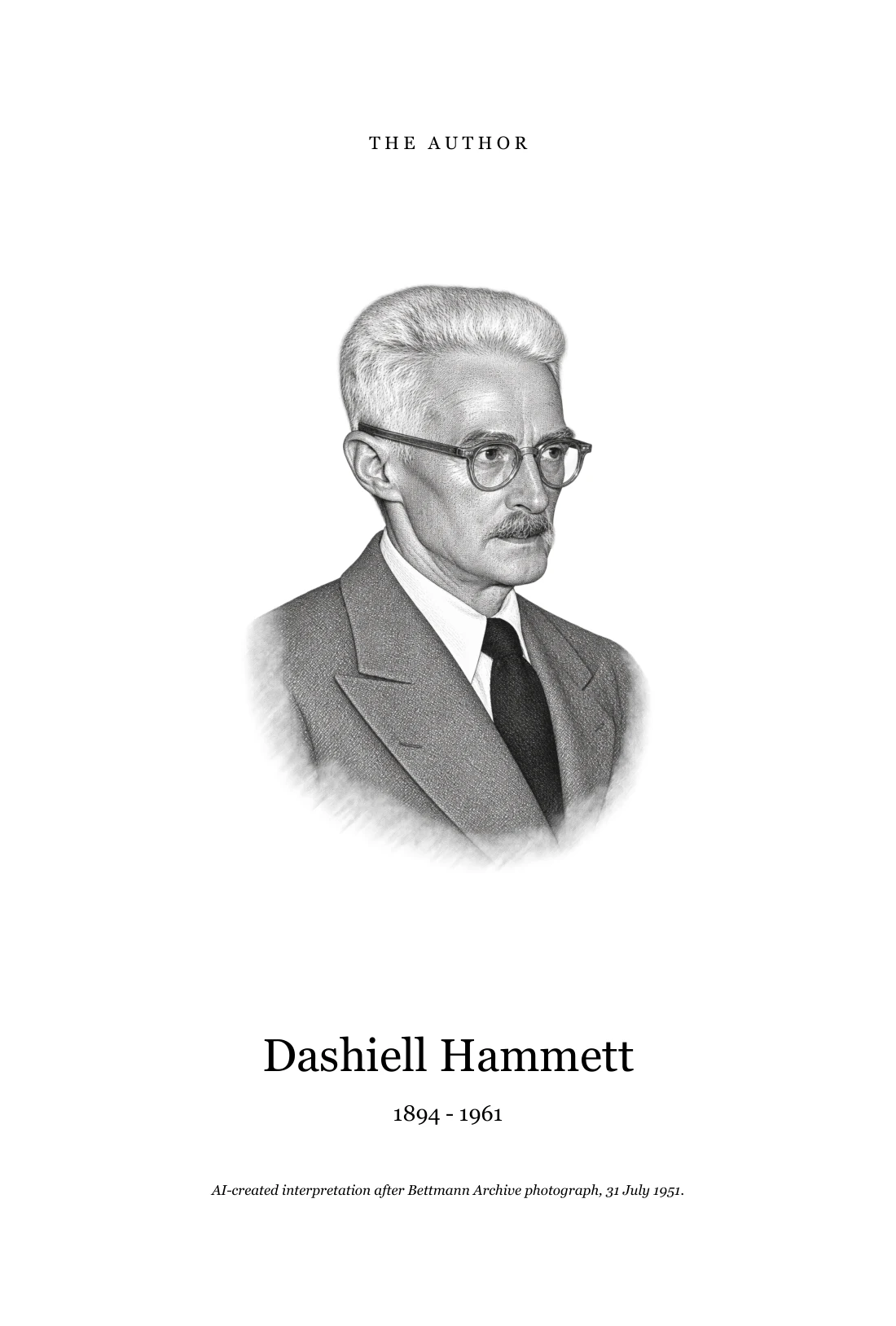
Dashiell Hammett had worked as an operative for the Pinkerton National Detective Agency, on and off, from 1915 to 1922, and gave Sam Spade his own first name, Samuel. The Maltese Falcon began as a serial in the pulp magazine Black Mask in September 1929 and appeared as a book in 1930. John Huston’s 1941 film, with Humphrey Bogart as Spade, made it immortal. For beginners it is a revelation: fewer clues to tabulate, more dialogue, more danger. More in Did you know Sam Spade appears in only one novel?
The grand old mystery: The Moonstone
The Moonstone ran in Charles Dickens’s magazine All the Year Round from January to August 1868. T. S. Eliot called it “the first, the longest, and the best of modern English detective novels”. It introduces Sergeant Cuff of Scotland Yard, a country-house theft, bungling local police, and a mystery reconstructed from several narrators’ accounts. It is the longest book here, so we put it last, but many readers find it the most entertaining of all. Read why it matters in Did you know The Moonstone is often called the first English detective novel?
How to read your first classic mystery
- Keep a note of names. Country-house mysteries can introduce a dozen suspects in a chapter.
- Notice what is mentioned casually. Classic writers love hiding a clue in a description of the furniture.
- Do not skip to the end. The pleasure is in being wrong in an interesting way.
- If one style does not suit you, switch: puzzle readers and hard-boiled readers are often different people.
When you have climbed the ladder, the next step is our guide to Golden Age detective novels to start with, or the ingenious locked-room mysteries. But the first rung is the best one. Open The Adventures of Sherlock Holmes, choose a story, and see whether you can beat Holmes to it.
Questions readers ask
What is a good classic mystery for beginners?
The Adventures of Sherlock Holmes is the easiest start, because each story is short and self-contained. For a first novel, try The Hound of the Baskervilles or Agatha Christie’s The Mysterious Affair at Styles.
What was the first detective novel?
Wilkie Collins’s The Moonstone (1868) is often called the first full-length detective novel in English, though earlier books have rival claims. Edgar Allan Poe’s short stories of the 1840s came before it.
Should I read Sherlock Holmes in order?
Not necessarily. The short stories can be read in any order, and The Hound of the Baskervilles stands alone. Starting with The Adventures of Sherlock Holmes is a good compromise.