Golden Age detective fiction is the name usually given to the classic puzzle mysteries written between the two World Wars, roughly the 1920s and 1930s. Their authors treated the detective story as a game played fairly with the reader: every clue on the page, the solution hidden in plain sight, and a final chapter that makes you want to turn back to the beginning.
The best Golden Age detective novels to start with are the ones that introduced its great detectives. This list gathers eleven, from three forerunners to the debuts of Hercule Poirot, Lord Peter Wimsey, Philo Vance and Charlie Chan. We will not spoil a single solution.
The forerunners of Golden Age detective fiction
The Golden Age did not spring from nowhere. In the years after Sherlock Holmes, a few writers began to treat the detective story as a fair puzzle, and to poke fun at the all-knowing sleuth.
Trent's Last Case
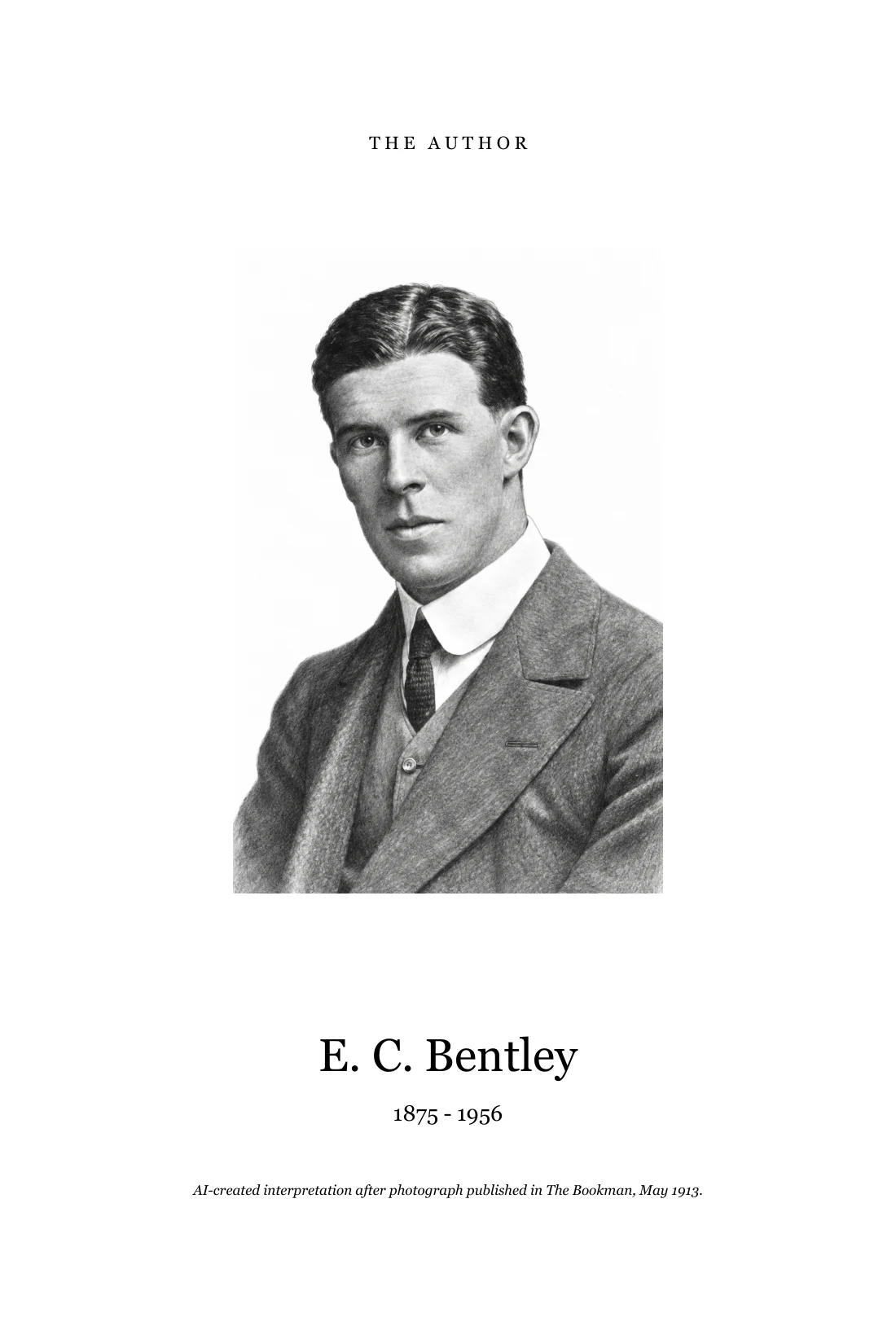
1913. A journalist and painter investigates the shooting of a ruthless American financier at his English country house. Bentley is said to have meant it partly as a send-up of the infallible detective, and it is sometimes called the first modern detective novel.
The Eye of Osiris
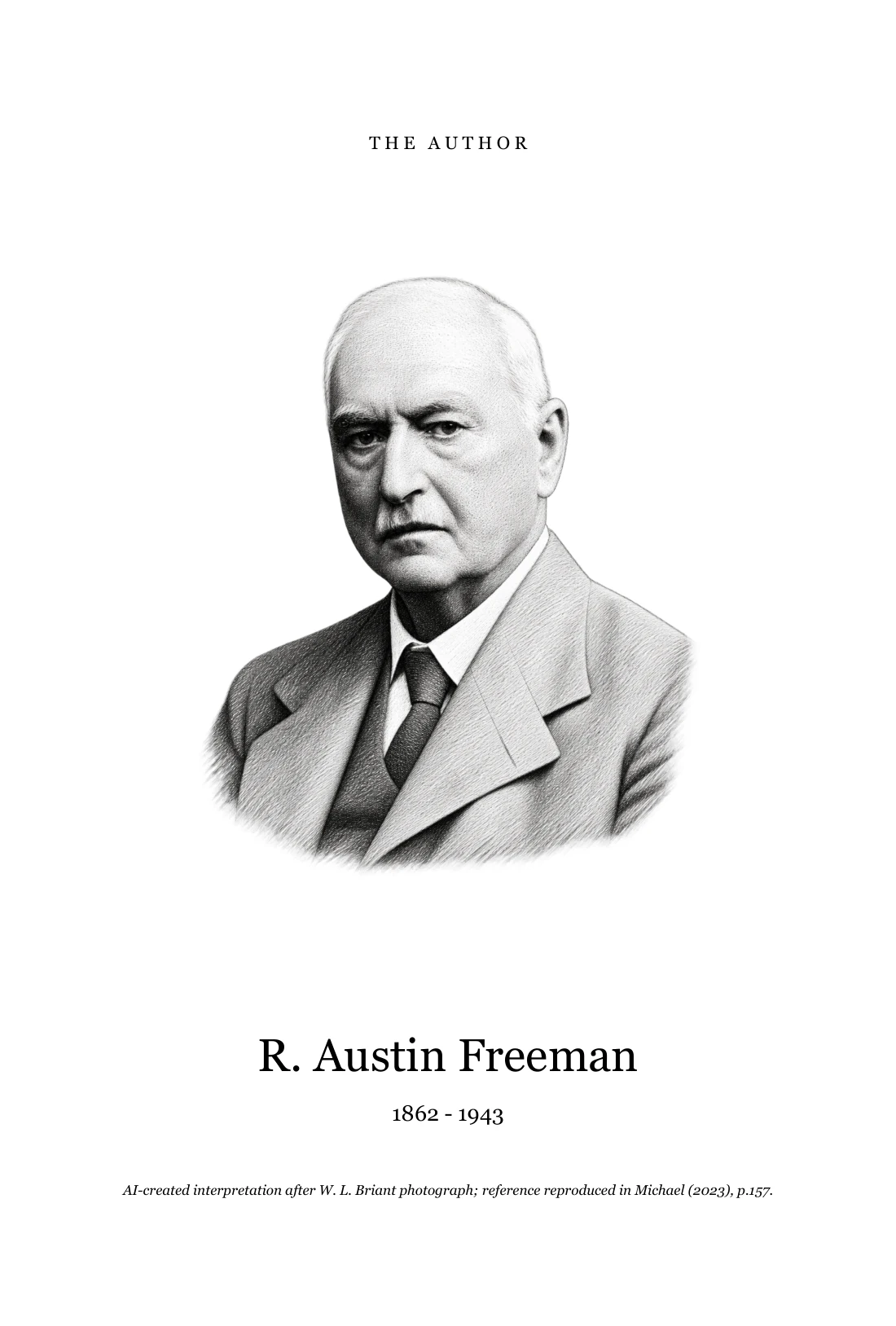
1911. An Egyptologist vanishes without trace, and his will cannot be settled until he is found. Dr Thorndyke, the forensic scientist, solves it with a microscope and patience.
The Middle Temple Murder
1919. A man is found dead in a lane beside London’s Middle Temple with few clues to who he was, and a young newspaperman follows the trail. Brisk, twisty and very readable.


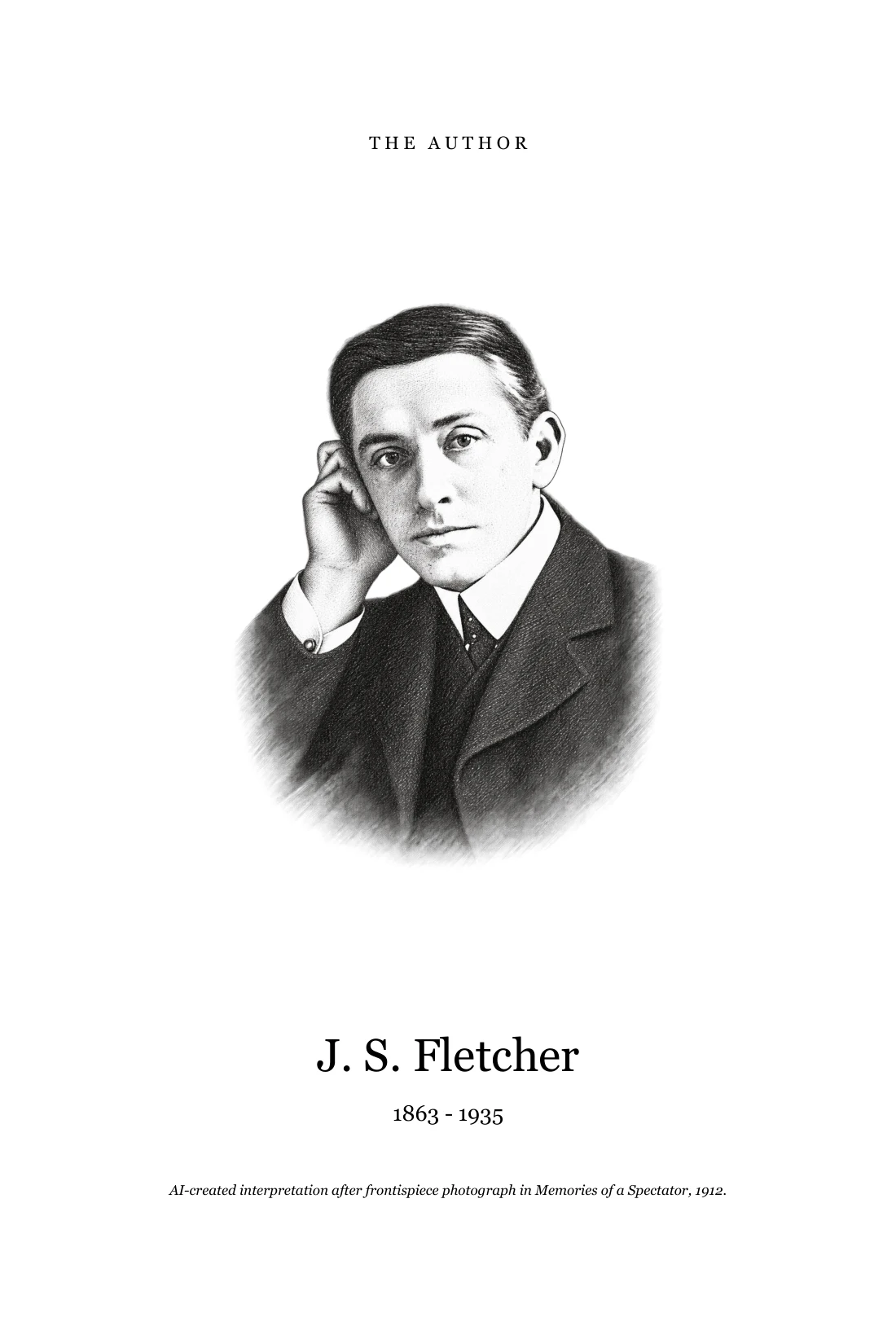
R. Austin Freeman was a doctor, and his Dr Thorndyke was one of the first fictional detectives to rely on laboratory science. E. C. Bentley was a close friend of G. K. Chesterton, and dedicated Trent’s Last Case to him.
The queen of crime
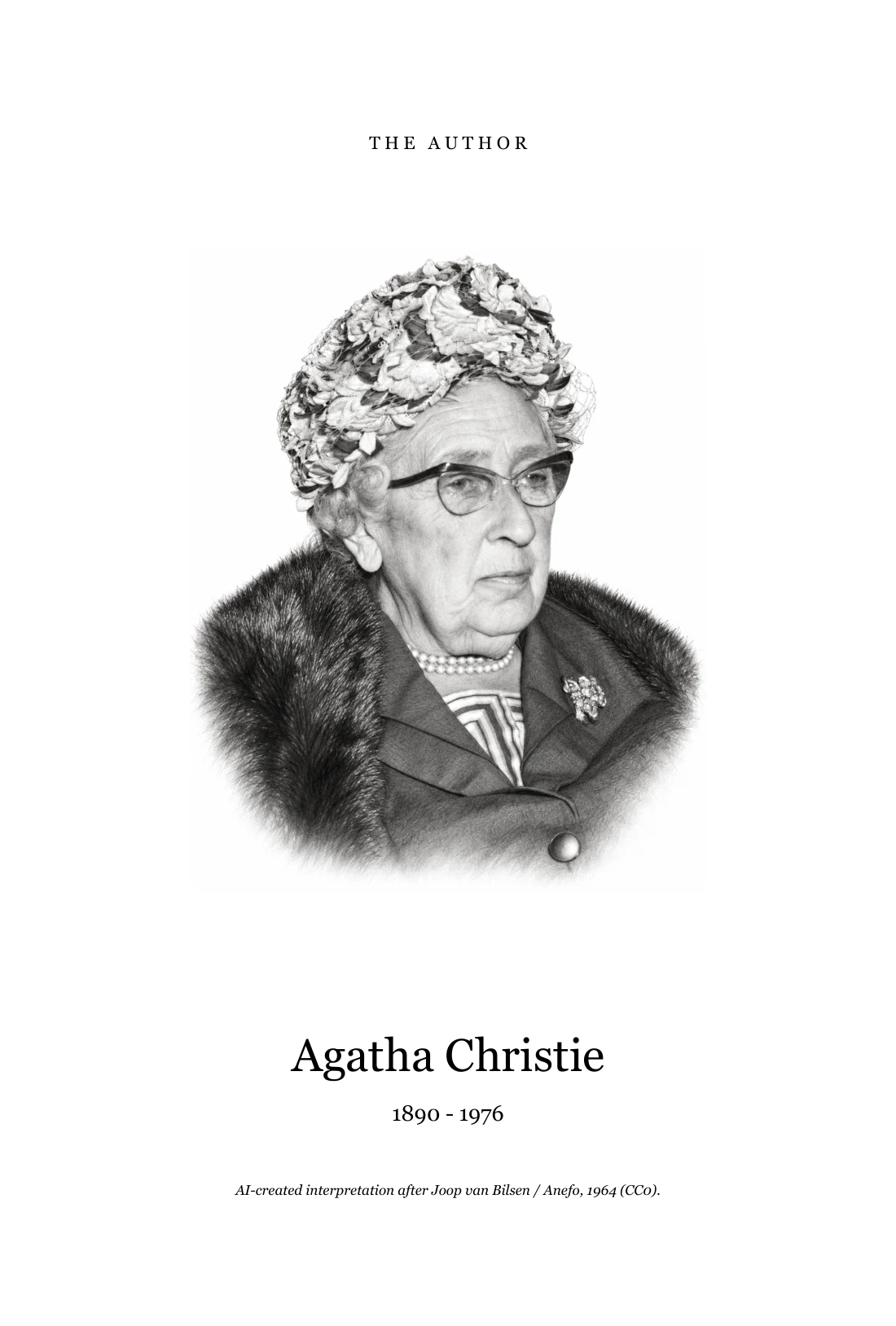
No one defined the Golden Age more than Agatha Christie. She learned about poisons while working in a hospital dispensary during the First World War, and put that knowledge to use in her very first book.
The Mysterious Affair at Styles
1920. The wealthy mistress of an Essex country house is poisoned, and a Belgian refugee staying in the village is asked to help. The debut of Hercule Poirot and Captain Hastings.
The Murder of Roger Ackroyd
1926. A wealthy man is found stabbed in his study in a quiet English village, and Poirot, newly retired there to grow vegetable marrows, is drawn back into the game. The book that made Christie famous. Go in knowing as little as possible.
The Murder at the Vicarage
1930. A thoroughly unpopular churchwarden is shot in the vicar’s study, and an elderly spinster next door notices everything. Miss Marple’s first novel.


For the full sequence of early Poirot books, see The Hercule Poirot books in order.
Golden Age gentlemen detectives
The amateur sleuth with money, leisure and a sharp tongue was a Golden Age speciality.
Whose Body?
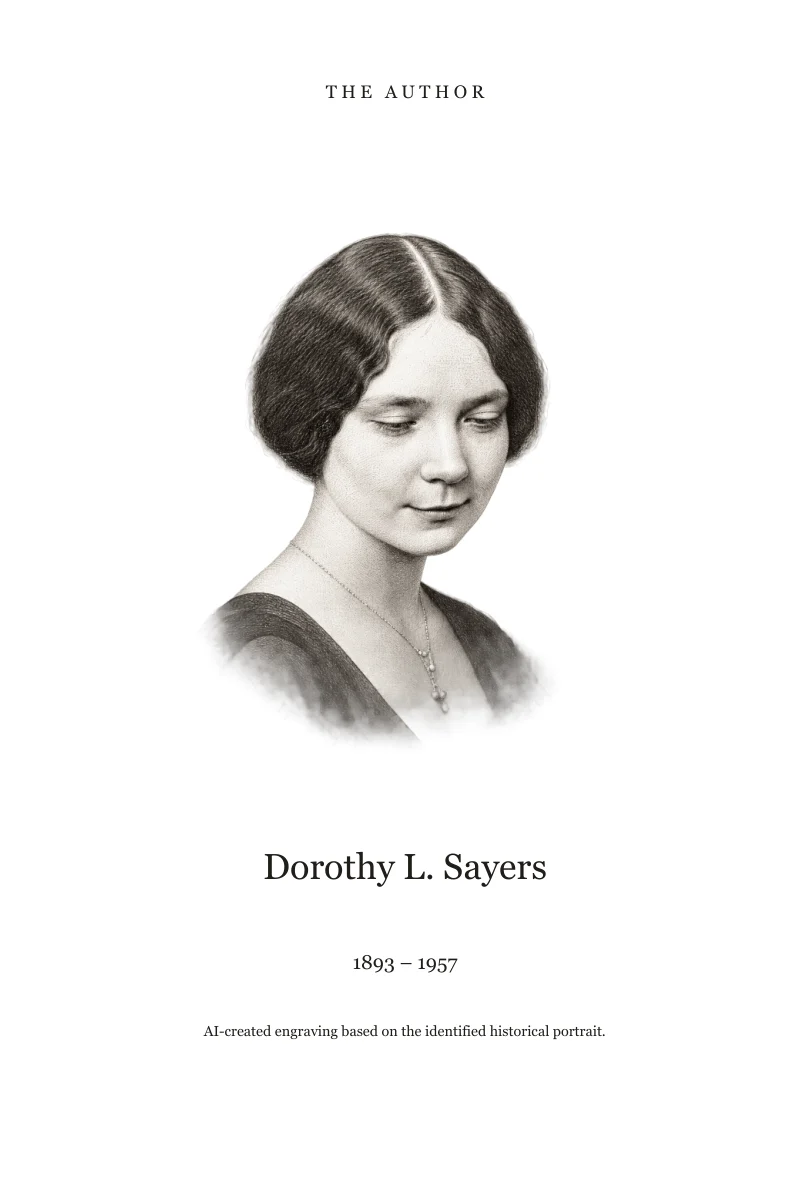
1923. A respectable architect finds a stranger dead in his bath, wearing nothing but a pair of gold pince-nez. Lord Peter Wimsey’s first appearance, and Dorothy L. Sayers’s first novel.
Clouds of Witness
1926. Wimsey’s own brother, the Duke of Denver, is accused of murder and must be tried by the House of Lords. Wimsey has to clear the family name.
The Red House Mystery
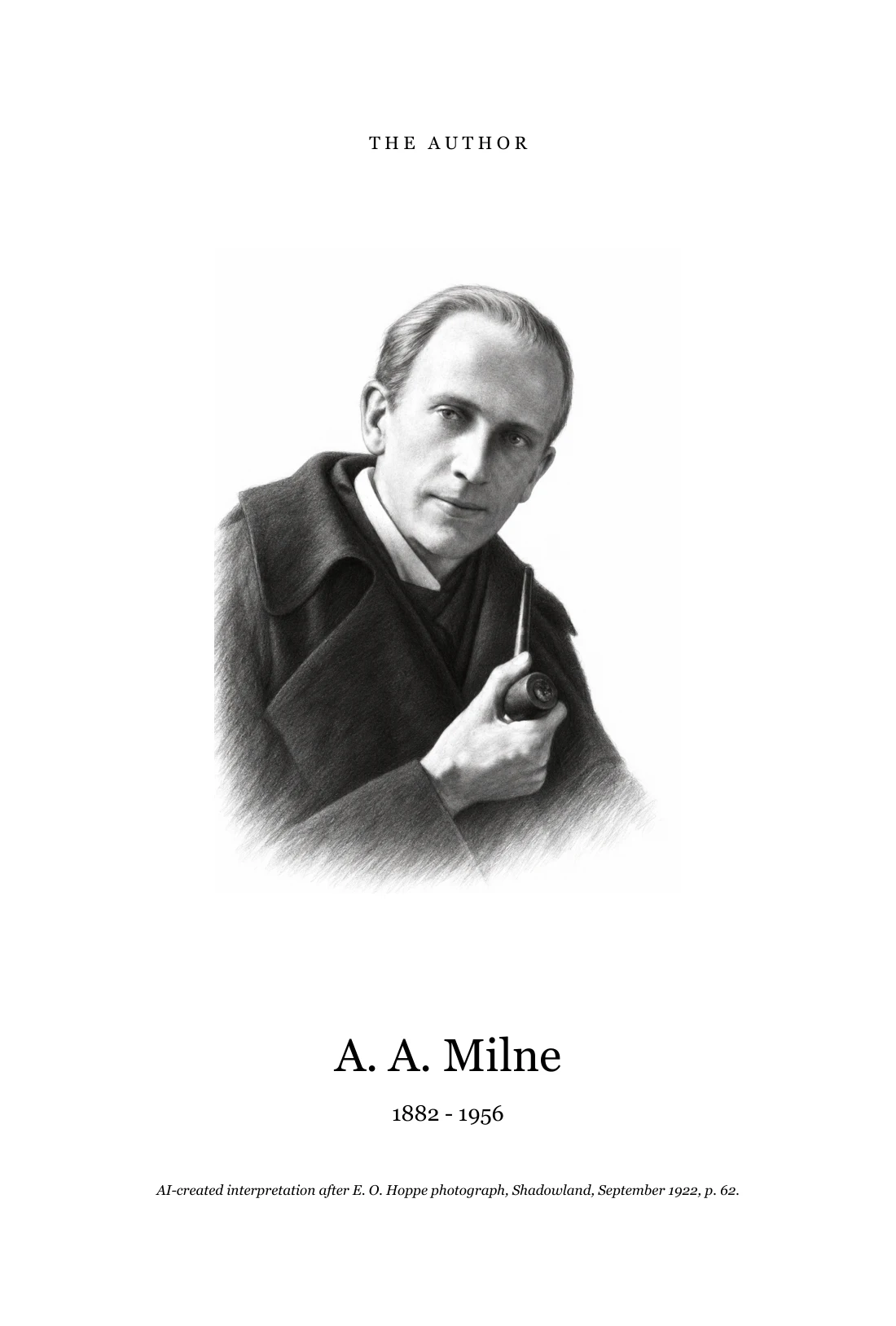
1922. A visitor arrives at a country house just after a fatal shot is fired, and appoints himself detective, with a cheerful friend as his Watson. A. A. Milne’s only detective novel, written before Winnie-the-Pooh.


Milne loved detective stories and wrote his as a pure game. We tell the story in Did you know A. A. Milne wrote a detective novel?
The American Golden Age
The Benson Murder Case
1926. A Wall Street broker is shot in his own home, and the languid, very erudite Philo Vance runs rings round the police. The book that launched the Philo Vance series.
The House Without a Key
1925. A wealthy New Englander is murdered in Honolulu, and a quiet, courteous detective of the local police takes the case. The first Charlie Chan novel.


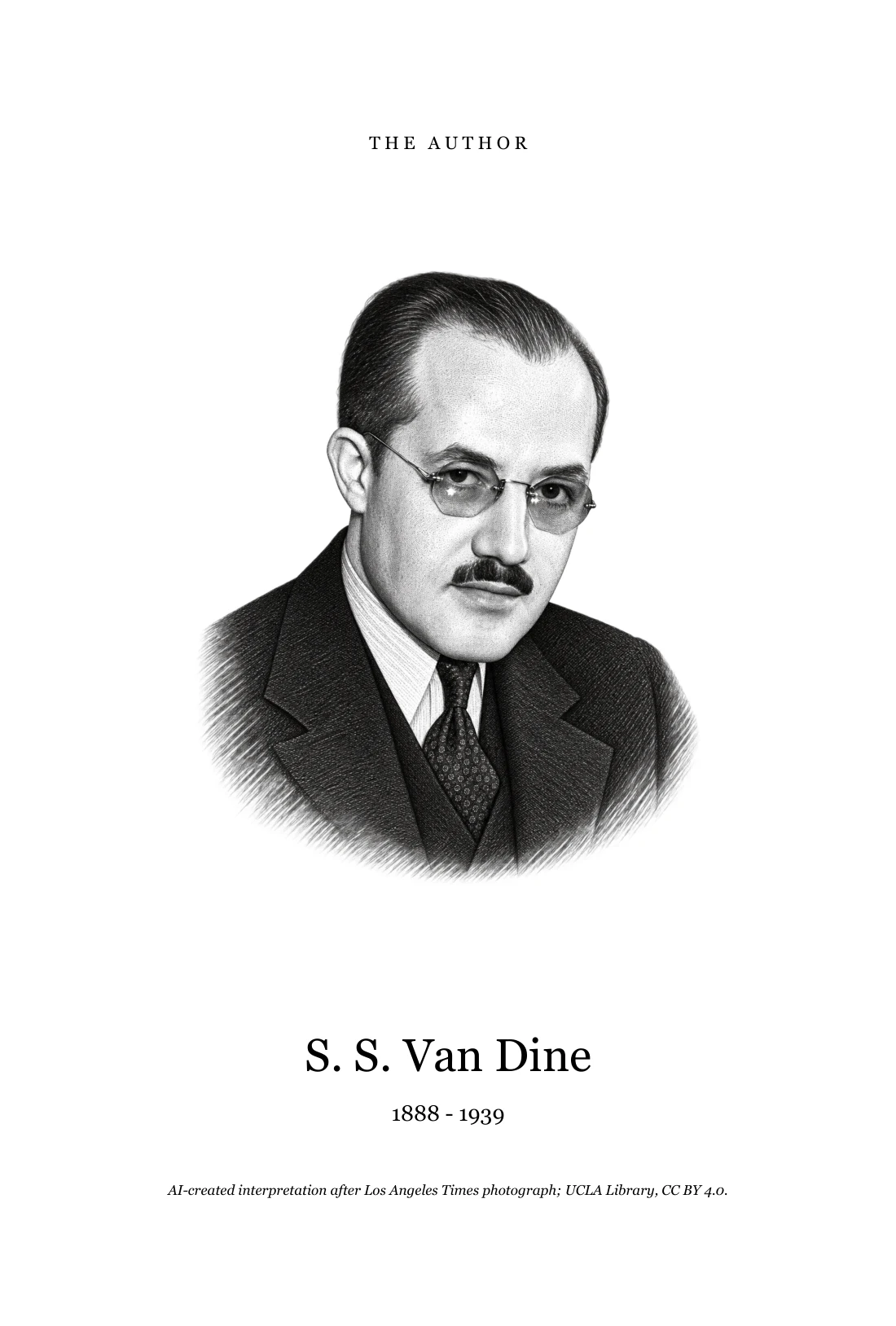
S. S. Van Dine was the pen name of the art critic Willard Huntington Wright, and The Benson Murder Case is often said to be loosely based on a real unsolved New York murder of 1920. In 1928 he published “Twenty Rules for Writing Detective Stories”, a famous attempt to set out the fair-play game in writing.
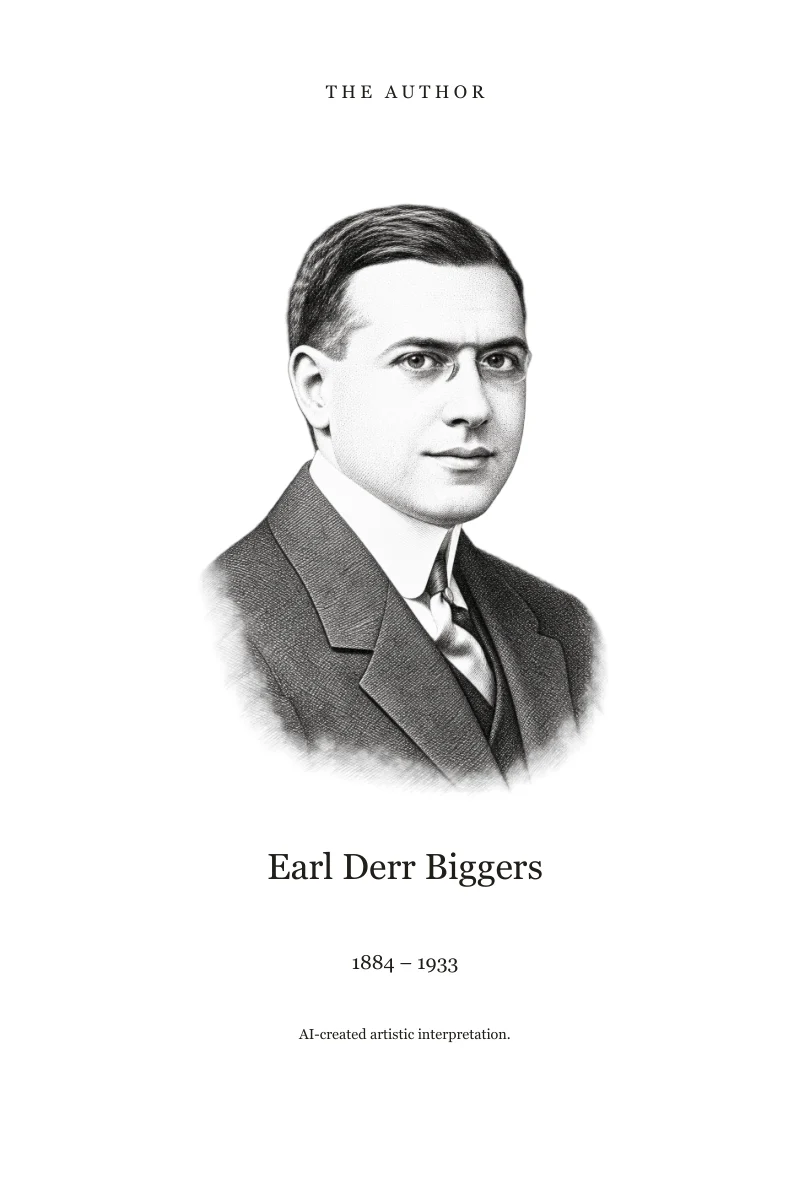
Earl Derr Biggers is said to have based Charlie Chan partly on a real Honolulu detective. Chan was conceived as a sympathetic hero at a time when Chinese characters in popular fiction were usually villains, though some of his portrayal now reads as stereotyped.
How to choose your first Golden Age mystery
If you want to start where the Golden Age started, read The Mysterious Affair at Styles. If you want wit and dash, go to Whose Body?. If you want a light, clever puzzle you can finish in an evening or two, choose The Red House Mystery. And if you enjoy impossible crimes, our list of locked-room mysteries is the next door to open.
Fans of the great Victorian detective will find more in Books like Sherlock Holmes, and the whole mystery shelf is waiting. But a body in the bath with nothing on but a pair of pince-nez is hard to resist. Start there.
Questions readers ask
What is Golden Age detective fiction?
It is the classic puzzle mystery written mainly between the two World Wars, in which a detective solves a crime using clues that are fairly shown to the reader. Agatha Christie, Dorothy L. Sayers and S. S. Van Dine are typical Golden Age writers.
What was the first Golden Age detective novel?
There is no single answer, but Christie’s The Mysterious Affair at Styles (1920) is often taken as the start. E. C. Bentley’s Trent’s Last Case (1913) is usually named as an important forerunner.
Which Agatha Christie book should I read first?
The Mysterious Affair at Styles introduces Poirot and is a good place to begin. The Murder of Roger Ackroyd is her most celebrated early novel.