

Did you know?
The surprising stories behind famous books.
All did you know? articles
49–72 of 192

 Did you know? · 3 min read
Did you know Dostoevsky wrote The Gambler in 26 days to keep the rights to his books?
In the autumn of 1866 Fyodor Dostoevsky was in the middle of writing Crime and Punishment when a deadline he had ignored came due. If he did not deliver a whole new novel within a month, he stood to lose the rights to his own work for years. So he dictated The Gambler in twenty-six days.

 Did you know? · 3 min read
Did you know Treasure Island began with a map?
The history of Treasure Island starts not with a pirate but with a painted map, drawn to amuse a schoolboy on a wet holiday in the Highlands. Stevenson wrote the novel afterwards, to explain it.
 Did you know? · 4 min read
Did you know The Sound and the Fury takes its title from Macbeth?
Faulkner found his title in one of the darkest speeches Shakespeare ever wrote, and then built the first section of his novel to fit it almost literally.
 Did you know? · 3 min read
Did you know a real reporter raced Phileas Fogg around the world?
Phileas Fogg went around the world in eighty days on paper. In 1889 a young American reporter named Nellie Bly set out to do it faster for real, and stopped in France on the way to meet the man who had invented him.

 Did you know? · 4 min read
Did you know Death Comes for the Archbishop is based on a real archbishop?
Bishop Jean Marie Latour never existed. Jean-Baptiste Lamy, a French priest from the Auvergne who became the first Archbishop of Santa Fe, very much did, and Willa Cather built her most serene novel from his life.

 Did you know? · 3 min read
Did you know Rabindranath Tagore was the first non-European to win the Nobel Prize in Literature?
In November 1913 the Nobel Prize in Literature went, for the first time, to a writer from outside Europe — a Bengali poet whose prize-winning book most of the committee could only read in his own English translation.
 Did you know? · 4 min read
Up from Slavery: Booker T. Washington’s own story
Booker T. Washington did not know his own birthday, chose his own surname and passed his entrance exam with a broom. Up from Slavery is the book in which he told that story himself, and it remains one of the most read American autobiographies.
 Did you know? · 4 min read
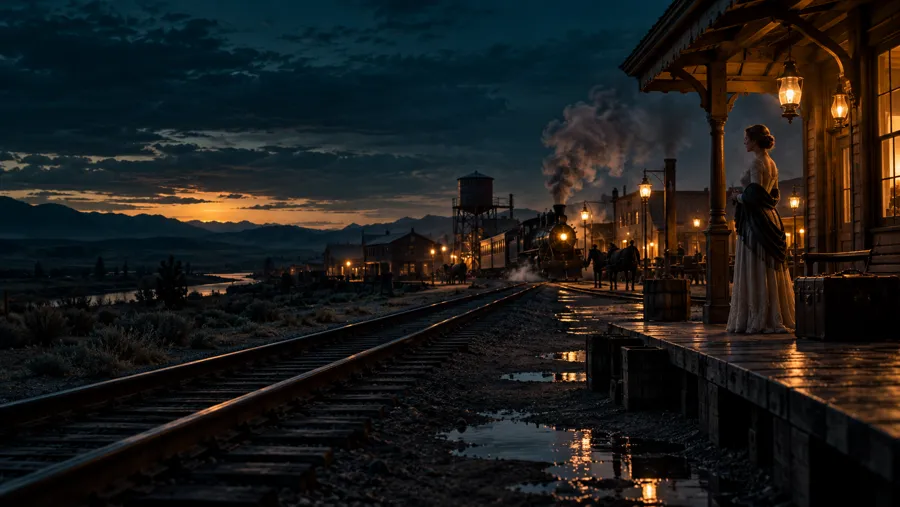
Did you know Anna Katharine Green is called the mother of the detective novel?
Nine years before Sherlock Holmes, a Brooklyn poet who could not get her verse noticed wrote a murder mystery instead. It made her famous almost overnight.
 Did you know? · 4 min read
Did you know F. Scott Fitzgerald wrote to Willa Cather about A Lost Lady and Gatsby?
Just after The Great Gatsby came out, its author wrote to Willa Cather in some anxiety. A passage about Daisy, he feared, looked like a borrowing from Cather’s A Lost Lady. Her answer is one of the kindest letters one novelist ever sent another.
 Did you know? · 3 min read
Did you know the creator of “The Thinking Machine” died on the Titanic?
In April 1912 one of America’s most inventive mystery writers was sailing home from Europe on the Titanic. Jacques Futrelle did not survive, but his detective, the Thinking Machine, still sets the best locked-room puzzle of its age.
 Did you know? · 3 min read
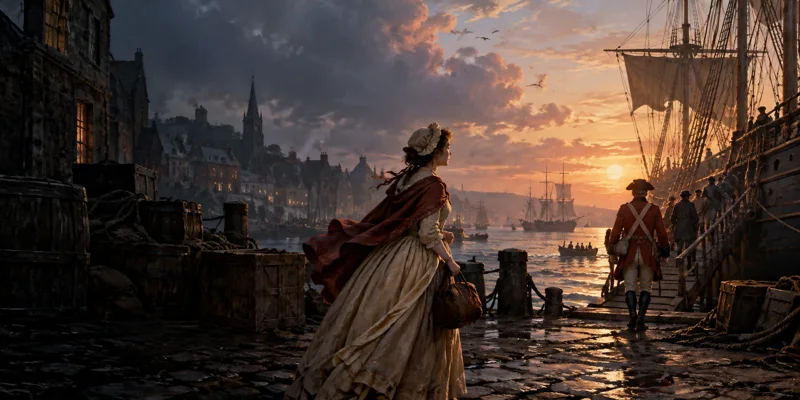
Did you know Charlotte Temple was one of America’s first best-sellers?
A short, tearful novel about a fifteen-year-old seduced and abandoned in New York became one of the first true best-sellers in America. Its readers even made a shrine of a gravestone bearing her name.
 Did you know? · 4 min read
Did you know Louisa May Alcott didn’t want to write Little Women?
One of the best-loved family stories in American fiction began as a job its author did not want. The history of Little Women is a story of reluctance, speed and a writer who knew her material better than she thought.
 Did you know? · 3 min read
Did you know Doctor Dolittle began as letters from the trenches?
The gentle doctor who talks to animals was born in one of the worst places on earth. Hugh Lofting created Doctor Dolittle in letters home to his children from the Western Front.
 Did you know? · 4 min read
Did you know a raven in Barnaby Rudge helped inspire Poe’s The Raven?
Charles Dickens kept a talking raven that bit his children’s ankles. He put her in a novel, Edgar Allan Poe reviewed it, and four years later Poe published the most famous poem ever written about a talking bird.

 Did you know? · 3 min read
Did you know We inspired Nineteen Eighty-Four?
Nearly thirty years before Big Brother, a Russian engineer imagined a glass city ruled by a Benefactor, where citizens have numbers instead of names. George Orwell read it, reviewed it, and then wrote Nineteen Eighty-Four.
 Did you know? · 3 min read
Did you know Charlie Chan first appeared in The House Without a Key?
One of the most famous detectives of the twentieth century walks into his first novel a quarter of the way through, as a supporting player. It is a Honolulu murder mystery from 1925, and it is rather good.
 Did you know? · 3 min read
Did you know Dickens died halfway through his last mystery?
Charles Dickens planned The Mystery of Edwin Drood in twelve monthly parts. He had finished six when he died in June 1870, and he took the solution with him.

 Did you know? · 3 min read
Did you know “Ruritania” comes from The Prisoner of Zenda?
When people call a place “Ruritanian”, they mean a small, picturesque, slightly absurd kingdom of castles, uniforms and court intrigue. The word comes from one novel: Anthony Hope’s The Prisoner of Zenda, published in 1894.
 Did you know? · 4 min read
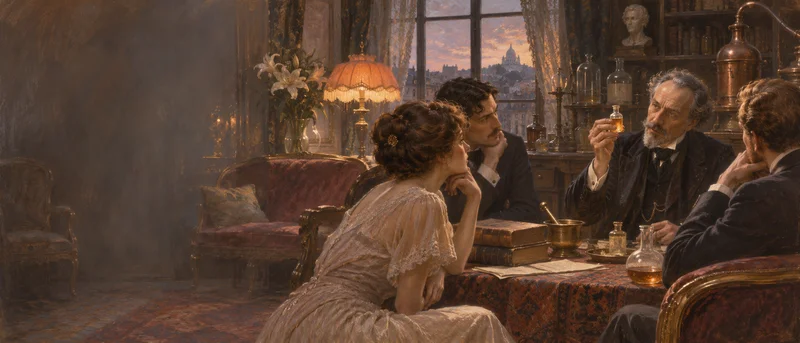
Did you know Somerset Maugham based The Magician on Aleister Crowley?
Maugham met the occultist in a Paris restaurant, disliked him on sight and put him in a novel. Crowley recognised himself at once, and answered under the villain’s own name.
 Did you know? · 4 min read
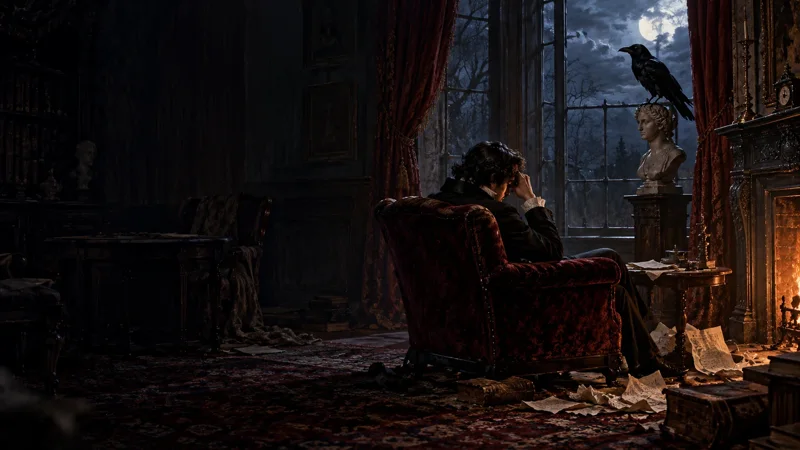
Did you know The Raven made Poe famous overnight?
In January 1845 Edgar Allan Poe was a hard-up magazine critic. By the spring, people were reciting his poem at parties and parodying it in newspapers. The Raven made him famous almost at once, though it never made him rich.
 Did you know? · 3 min read
Did you know The Picture of Dorian Gray was used against Oscar Wilde in court?
Few novels have been read aloud in a courtroom as evidence against their author. In 1895 The Picture of Dorian Gray was, and the trial that followed changed Oscar Wilde’s life for ever.
 Did you know? · 4 min read
Did you know The Way of All Flesh was published only after Samuel Butler died?
Samuel Butler stopped work on his novel about a bullying clergyman father in 1884 and never published it. It came out a year after his death, and the Edwardians read it as a declaration of war on the Victorians.
 Did you know? · 4 min read
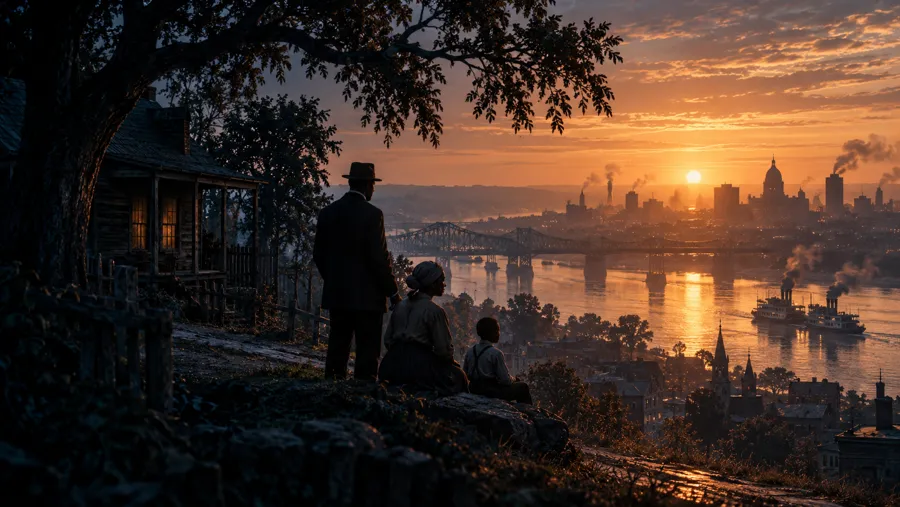
The Souls of Black Folk and the idea of double consciousness
One unasked question opens The Souls of Black Folk, and Du Bois spends the rest of the book answering it. His answer gave the twentieth century one of its most enduring ideas.
 Did you know? · 4 min read
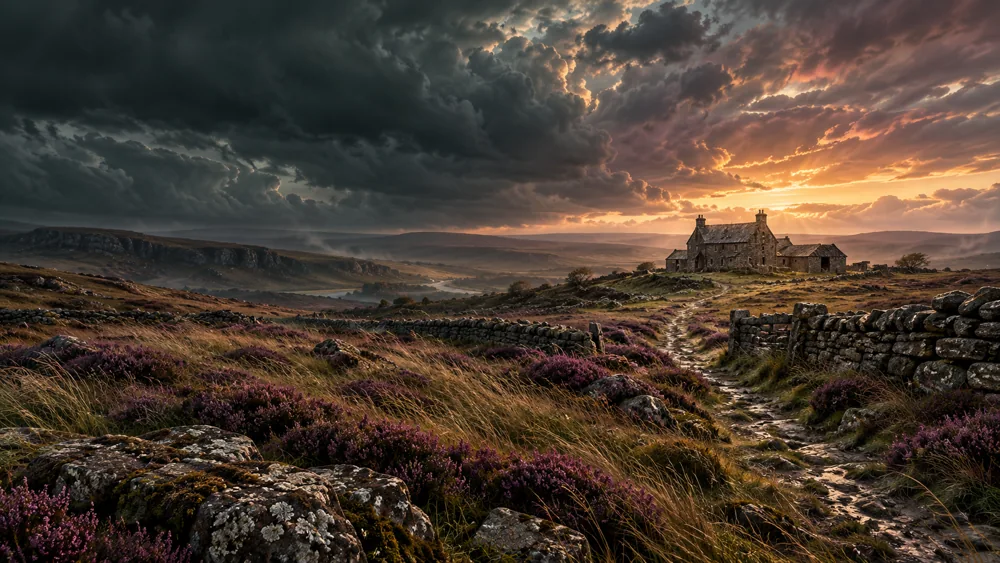
Did you know Wuthering Heights baffled its first reviewers?
“This is a strange book,” wrote the Examiner in January 1848. Critic after critic who read Wuthering Heights that winter agreed, and few of them could say what to make of it.