


On the third floor of the Parkway Central Library in Philadelphia, in a glass case, sits a stuffed raven. She has been dead since 1841, and she has had an eventful afterlife: sold at Christie’s, passed between collectors on two continents, stored for years in a closet under a canvas labelled “The Most Famous Bird in the World”. Her name is Grip, and she belonged to Charles Dickens.
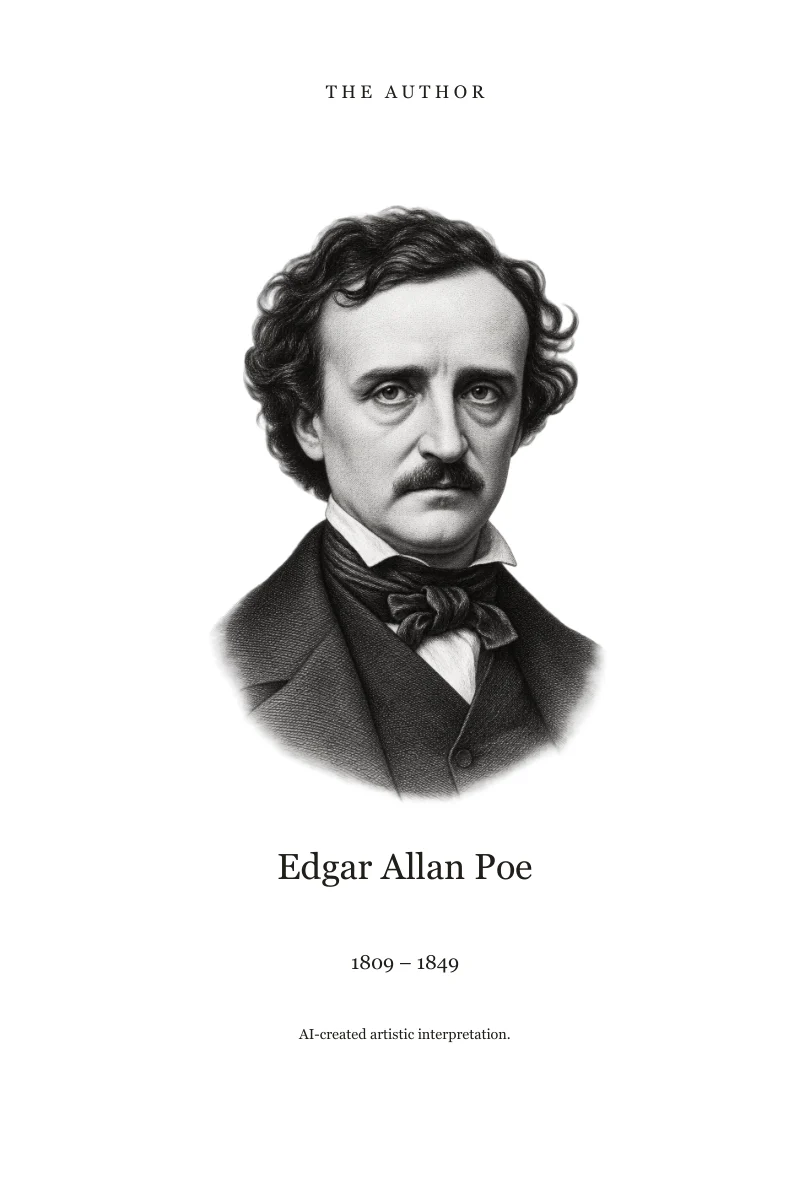
Grip is the model for the raven of the same name in Dickens’s novel Barnaby Rudge (1841), and she is generally considered one of the inspirations for Edgar Allan Poe’s poem “The Raven” (1845). Poe reviewed Barnaby Rudge twice, met Dickens in Philadelphia in 1842, and complained in print that Dickens had wasted his bird. Then he wrote a poem that did not.
Who was Grip the raven?
A real, and rather alarming, family pet. Grip lived with the Dickens household at 1 Devonshire Terrace, near Regent’s Park, from about 1840. She could say several phrases, buried halfpence and cheese in the garden, stole the dinner of the family’s Newfoundland dog, and bit people, the children’s ankles included, until she was banished to the coach-house. In 1841 she fell ill, possibly from eating lead paint, and died on 12 March. Dickens had her stuffed and mounted, and promptly acquired another raven, also called Grip.
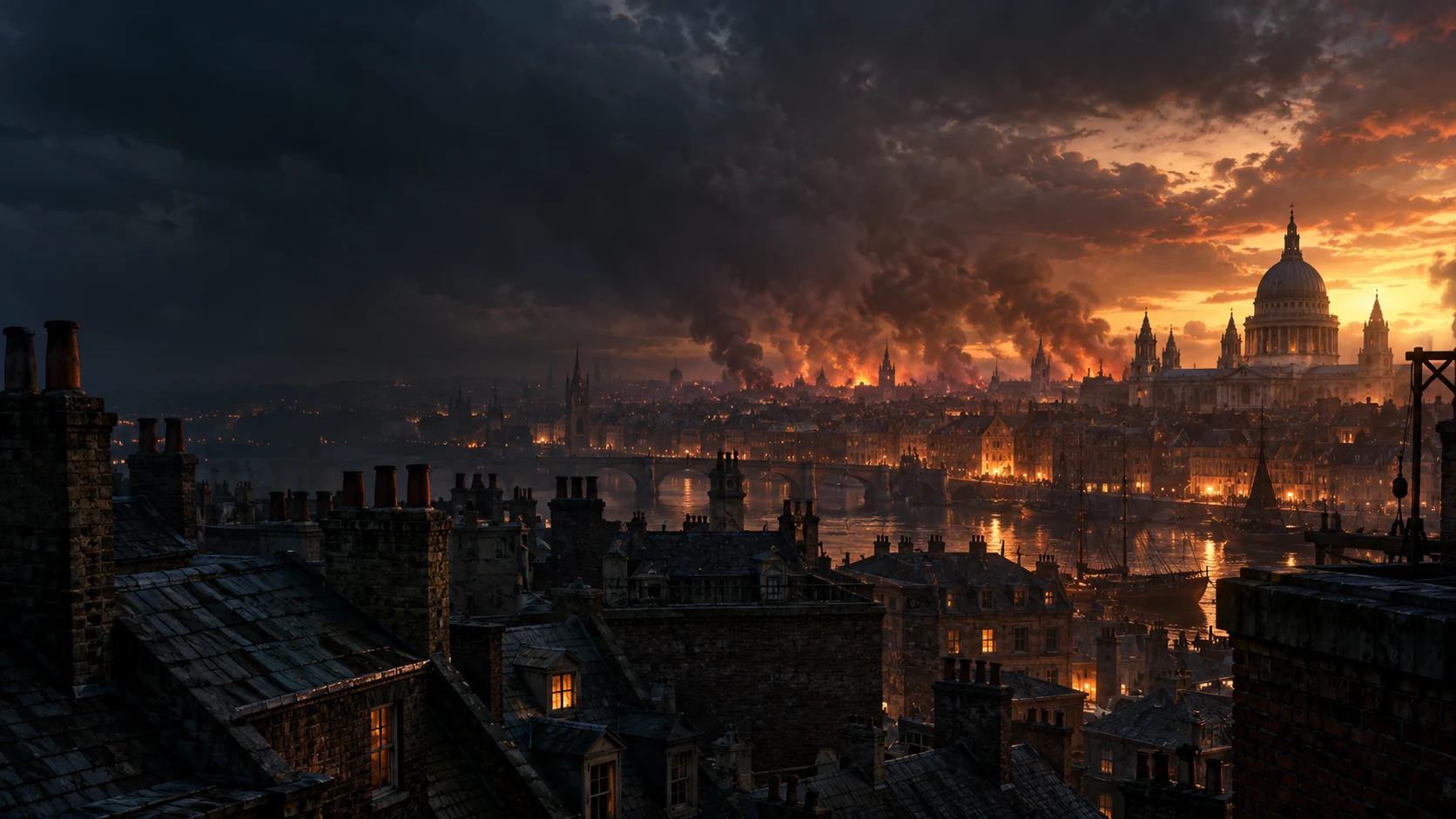
By then she was already in print. Barnaby Rudge, a historical novel set during the anti-Catholic Gordon Riots of 1780, had begun appearing in weekly parts in Dickens’s magazine Master Humphrey’s Clock in February 1841. Its hero is Barnaby, a simple-minded young man, and his constant companion is a raven far shrewder than he is. Dickens had told a friend he had been studying his own bird for the part.
What does Grip say in Barnaby Rudge?
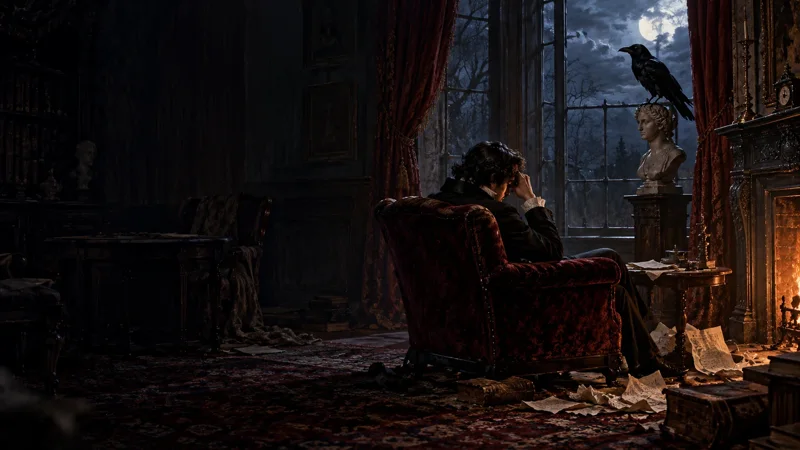
He talks a great deal. His catchphrases include “Keep up your spirits”, “Never say die”, “Bow wow wow” and “I’m a devil”, and he can manage “Polly put the kettle on, we’ll all have tea” when the mood takes him. Poe scholars have noticed one scene in particular. At the end of the fifth chapter, the locksmith Gabriel Varden hears a noise and asks, “What was that? Him tapping at the door?”, and Mrs Rudge replies that it is “some one knocking softly at the shutter”. Four years later Poe’s narrator, nodding, nearly napping, heard “a tapping, As of some one gently rapping, rapping at my chamber door.”
How did Barnaby Rudge inspire Poe’s The Raven?
Poe was a working critic in Philadelphia, and he followed the serial closely. On 1 May 1841, when only the opening numbers had appeared, he reviewed it in the Saturday Evening Post and announced that he had already worked out the secret behind the novel’s central mystery. (He printed his solution; we will not.) When the book was complete, he reviewed it again in Graham’s Magazine in February 1842, and this time he had a complaint about the bird.
The raven, too, intensely amusing as it is, might have been made, more than we now see it, a portion of the conception of the fantastic Barnaby. Its croakings might have been prophetically heard in the course of the drama.
Edgar Allan Poe, review of *Barnaby Rudge*, *Graham’s Magazine*, February 1842
A raven whose croaking is heard prophetically, repeating a single dark refrain at the moments that matter most, is a fair description of the poem Poe went on to write. “The Raven” was first published under his name in the New York Evening Mirror on 29 January 1845 and made him famous. In “The Philosophy of Composition” (1846) Poe explained that he had wanted a creature that could speak without reasoning, and that he had chosen a raven over a parrot for its tone. Dickens’s bird never said “Nevermore”, but its favourite line was “Never say die”.
How did Grip end up in Philadelphia?
After Dickens died in 1870, Grip was sold at Christie’s with the rest of his effects and fetched 120 guineas. She changed hands several more times, crossed to New York, and was eventually bought by the American collector Richard Gimbel, whose great passion was Poe. When Gimbel died in 1970, his Poe collection, raven included, went to the Free Library of Philadelphia, the city where Poe and Dickens had met. She was restored in 1993 and is now on public display.
Barnaby Rudge
1841. Dickens’s first historical novel: a long-unsolved murder, the Gordon Riots burning London, and Barnaby with Grip on his shoulder. Darker and wilder than his comic novels.
The Raven
1845. The midnight visitor, the bust of Pallas and the one-word refrain. The poem Grip helped hatch.


Barnaby Rudge is one of Dickens’s less-read novels, which is a shame, because the riot chapters are among the most powerful things he wrote and Grip steals every scene he appears in. Our guide to where to start with Charles Dickens shows where it sits among his novels, and Did you know many great Victorian novels first came out in instalments? explains the weekly format Poe was reviewing. For the poem’s side of the story, see Did you know The Raven made Poe famous overnight? and Did you know Edgar Allan Poe invented the detective story?
Read The Raven first; it takes ten minutes. Then open Barnaby Rudge and wait for the tapping at the end of chapter five.
Questions readers ask
Did Barnaby Rudge inspire The Raven?
It is generally thought to have done so in part. Poe reviewed Barnaby Rudge in 1841 and 1842, singled out its talking raven, and published The Raven in 1845; there are also verbal echoes between the two.
Was Grip the raven real?
Yes. Grip was Charles Dickens’s pet raven. She died in 1841, was stuffed, and is now displayed at the Free Library of Philadelphia.
What does Grip say in Barnaby Rudge?
Grip’s catchphrases include “Never say die”, “Keep up your spirits”, “Bow wow wow”, “I’m a devil” and “Polly put the kettle on, we’ll all have tea”.
Did Dickens and Poe ever meet?
Yes. They met in Philadelphia during Dickens’s American tour in 1842.
 Great Expectations532 pages · $23.99
 A Christmas Carol86 pages · $10.99
 A Tale of Two Cities360 pages · $18.99
 Oliver Twist420 pages · $20.99




