The verdict of one weekly paper sums up the whole first season of Wuthering Heights. It was, said Douglas Jerrold’s Weekly Newspaper in January 1848, “a strange sort of book,—baffling all regular criticism; yet, it is impossible to begin and not finish it”. The reviewers were shocked, fascinated and confused all at once, and many were not even sure who had written it.
That is the short answer to how Wuthering Heights was received. Most critics admitted its power and almost all of them recoiled from its cruelty. They called it wild, coarse, savage and disagreeable. What they could not do was fit it into any of the categories they used for novels, and so the word that recurs, review after review, is “strange”.
The Wuthering Heights reception: what critics said in 1848
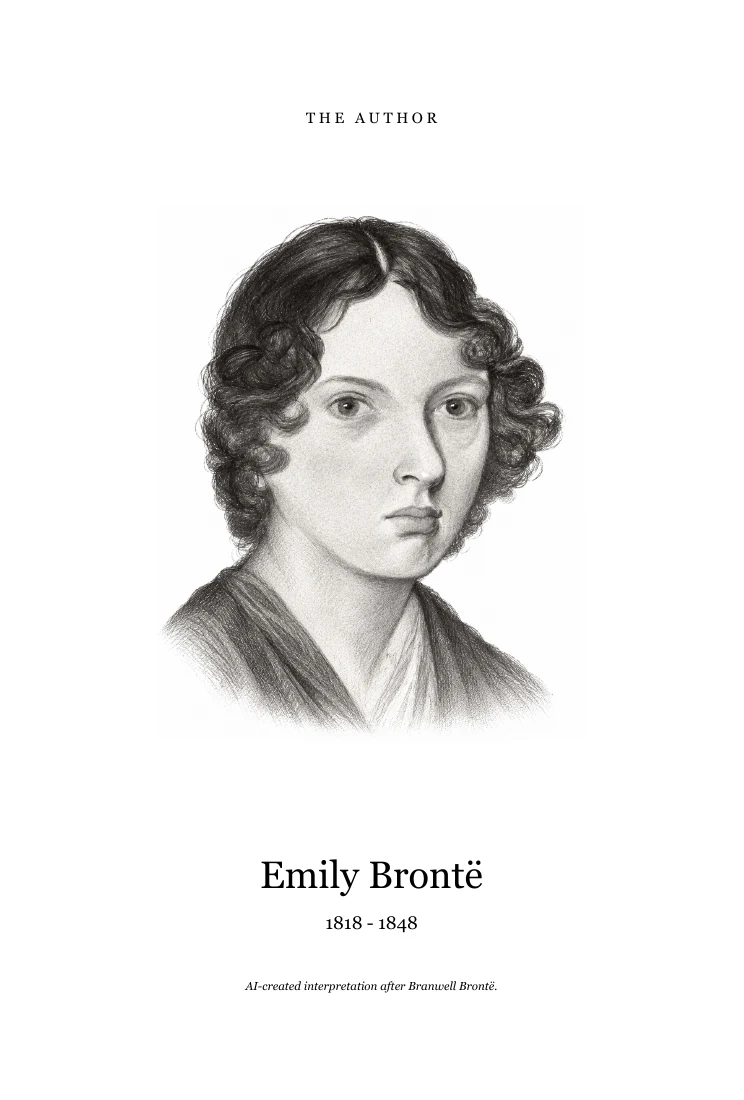
Wuthering Heights came out at the end of 1847 from the London publisher Thomas Cautley Newby, bound in three volumes with Anne Brontë’s Agnes Grey. Its author was given as Ellis Bell. Charlotte’s Jane Eyre, by Currer Bell, had appeared from another publisher two months before and was already a sensation, which shaped almost everything the critics said.
- The Examiner found “evidences of considerable power”, but judged the whole “wild, confused, disjointed, and improbable”, its people “savages ruder than those who lived before the days of Homer”.
- The Atlas called it “a strange, inartistic story”, while granting that every chapter had “a sort of rugged power”.
- Douglas Jerrold’s reader was “shocked, disgusted, almost sickened” by its cruelty, yet found the book impossible to put down.
- One American magazine was blunter still, wondering how anyone could have written such a book “without committing suicide before he had finished a dozen chapters”.
Notice the “he”. Reviewers generally assumed Ellis Bell was a man, and several thought something worse: that Ellis and Currer Bell were the same writer, and that Wuthering Heights was a rough early effort by the author of Jane Eyre, rushed out to cash in on its success. Charlotte remembered later that the sisters laughed at the idea at first, and came to regret it deeply.
Why did the first reviewers find it so baffling?
Partly because of its people. Victorian readers expected a novel to offer someone to admire, and Emily offered almost no one. Heathcliff is brutal, Catherine is wilful, and the decent characters are weak or blind. Critics who wanted moral guidance found a book that refused to give any.
Partly because of its shape. The story is told by a conceited visitor, Lockwood, who hears most of it from the housekeeper, Nelly Dean, who is herself repeating what others told her. The time scheme loops back over two generations, and much of the strongest speech is in thick Yorkshire dialect. Readers used to a single, steady narrator found the book, in the Examiner’s word, “disjointed”.
And partly because nothing quite like it existed. It borrowed the haunted house and the brooding outcast from the Gothic, but set them on a working farm, among accounts, inheritances and quarrels over land. There was no shelf to put it on.
What did Charlotte Brontë say?
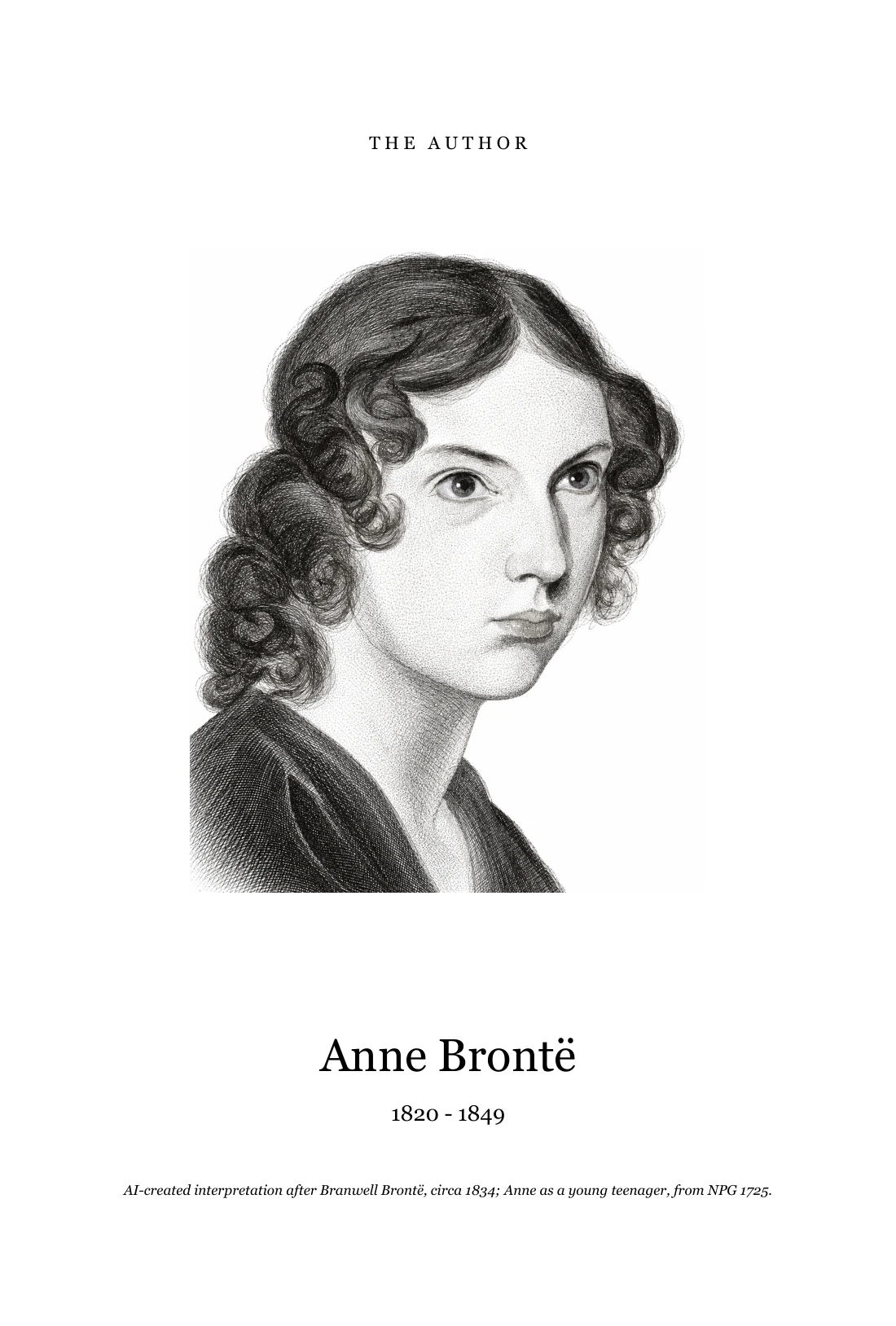
Emily died in December 1848, aged thirty, a year after the book appeared. In 1850 Charlotte prepared a new edition, softening Joseph’s dialect, and added a short memoir of her sisters that named them as Ellis and Acton Bell for the first time. In it she answered the reviewers directly.
Critics failed to do them justice. The immature but very real powers revealed in “Wuthering Heights” were scarcely recognised; its import and nature were misunderstood; the identity of its author was misrepresented.
Charlotte Brontë, “Biographical Notice of Ellis and Acton Bell”, 1850
She was not an uncritical defender. In a separate preface she admitted the book was “rustic all through”, “moorish, and wild, and knotty as a root of heath”, and confessed of Emily’s great creation: “Whether it is right or advisable to create beings like Heathcliff, I do not know: I scarcely think it is.”

When did critics change their minds?
Slowly, and first among writers. In 1854 the painter and poet Dante Gabriel Rossetti told a friend that it was the first novel he had read for an age and, with one exception, the best for two, and in the same letter called it “a fiend of a book — an incredible monster”, adding that “the action is laid in hell”. Algernon Swinburne praised Emily warmly in an essay of 1883. By the twentieth century the book that had puzzled its reviewers was being read as one of the great English novels, and that is broadly where it has stayed.
Wuthering Heights
1847. Two families, two houses and one consuming passion on the Yorkshire moors, told at second and third hand. The book the critics could not classify.
Agnes Grey
1847. The quieter novel that shared its first printing, a governess’s plain account of difficult employers. Read the two together to see how far apart the sisters could be.
Jane Eyre
1847. The runaway success that made every reviewer compare the Bells. Its heroine’s fierce first-person voice was the sound critics thought they recognised in Emily.


More on the Brontës
The story of the three pseudonyms is told in Did you know the Brontë sisters first published as Currer, Ellis and Acton Bell?, and the family behind them in The Brontës of Haworth: one family, seven novels. If you are planning a first reading, How long is Wuthering Heights? will help, and the novel’s darker cousins are gathered in The best Gothic novels, from Otranto to Dracula.
Then read it the way the reviewers of 1848 had to, without anyone telling you what it is. Open Wuthering Heights, follow Lockwood up to the farmhouse in the snow, and decide for yourself.
Questions readers ask
How was Wuthering Heights received when it was first published?
Reviews were mixed and often bewildered. Most critics acknowledged its power, but many found it coarse, cruel and confusing, and one called it “a strange sort of book,—baffling all regular criticism”.
Did critics know Emily Brontë wrote Wuthering Heights?
No. It was published under the name Ellis Bell, reviewers assumed the author was a man, and some believed it was an early work by Currer Bell, the author of Jane Eyre. Charlotte publicly identified her sisters in 1850.
When did Wuthering Heights become a classic?
Its reputation grew gradually after Emily’s death in 1848, helped by admirers such as Dante Gabriel Rossetti and Algernon Swinburne. By the early twentieth century it was widely regarded as one of the greatest novels in English.