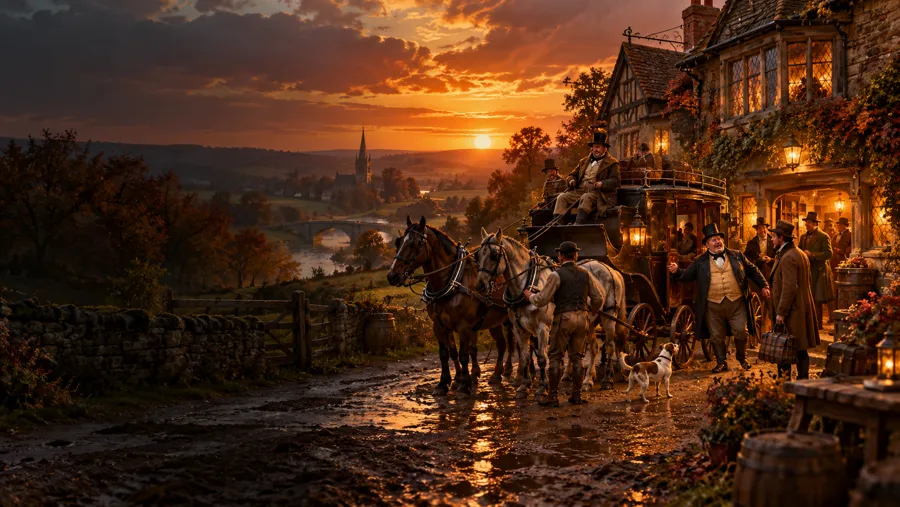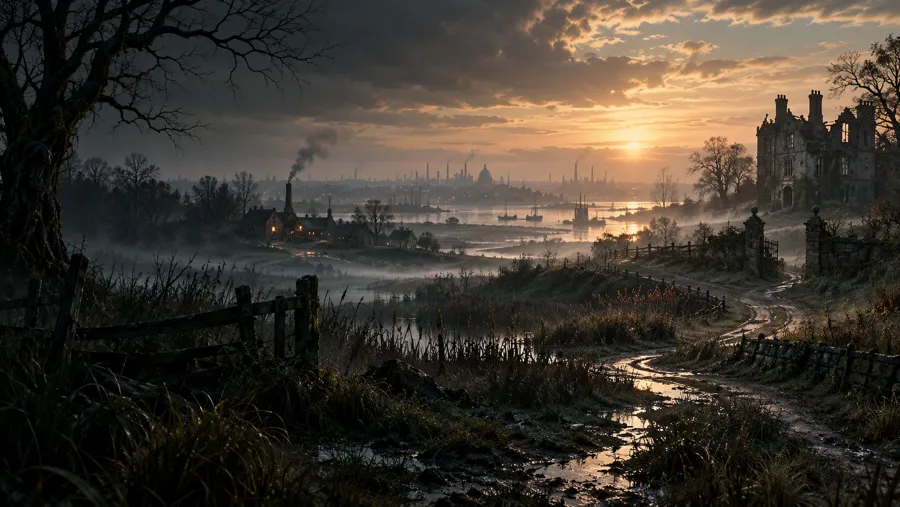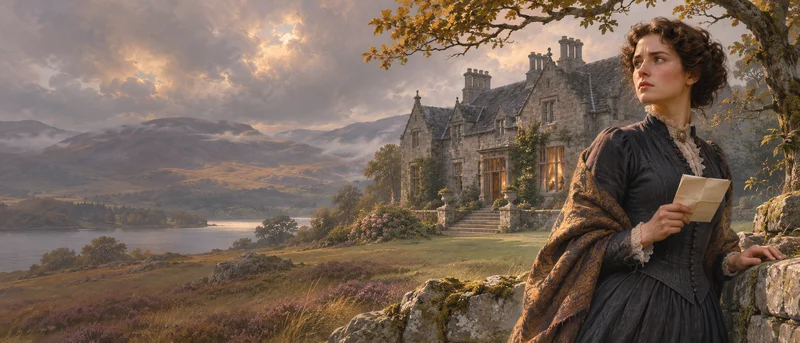
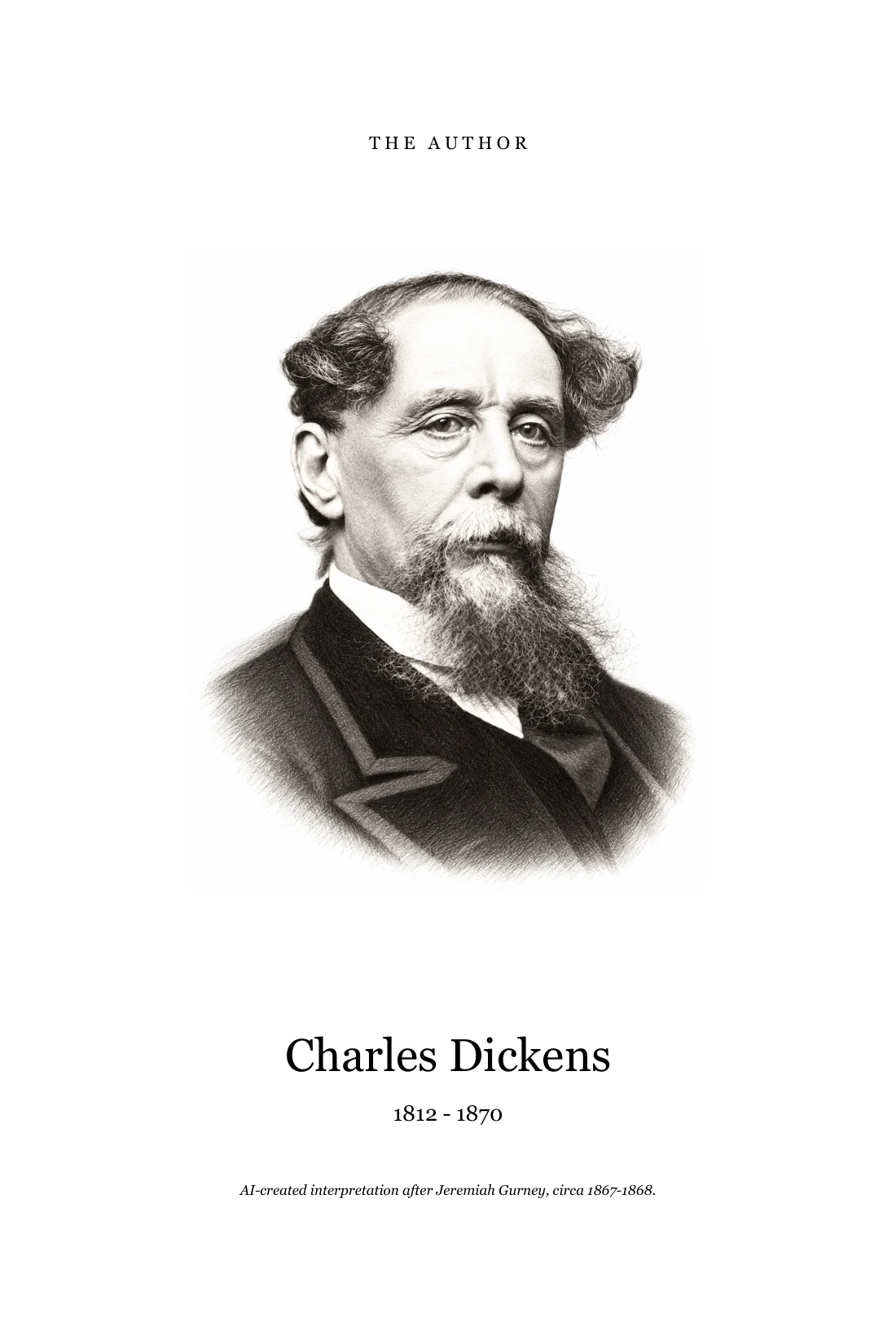
The Mystery of Edwin Drood is the only novel Charles Dickens ever left unfinished. It began appearing in monthly instalments in April 1870, planned to run to twelve parts. On 8 June, after a day’s work on the book at his home at Gad’s Hill in Kent, Dickens collapsed. He died the next day, with six parts complete.
So there is no Mystery of Edwin Drood ending, at least not one by Dickens. He left working notes for the parts he had written, but no outline of the solution, and the half of the novel that survives stops before the mystery is resolved. More than 150 years later, readers are still trying to work out what he intended.
What is The Mystery of Edwin Drood about?
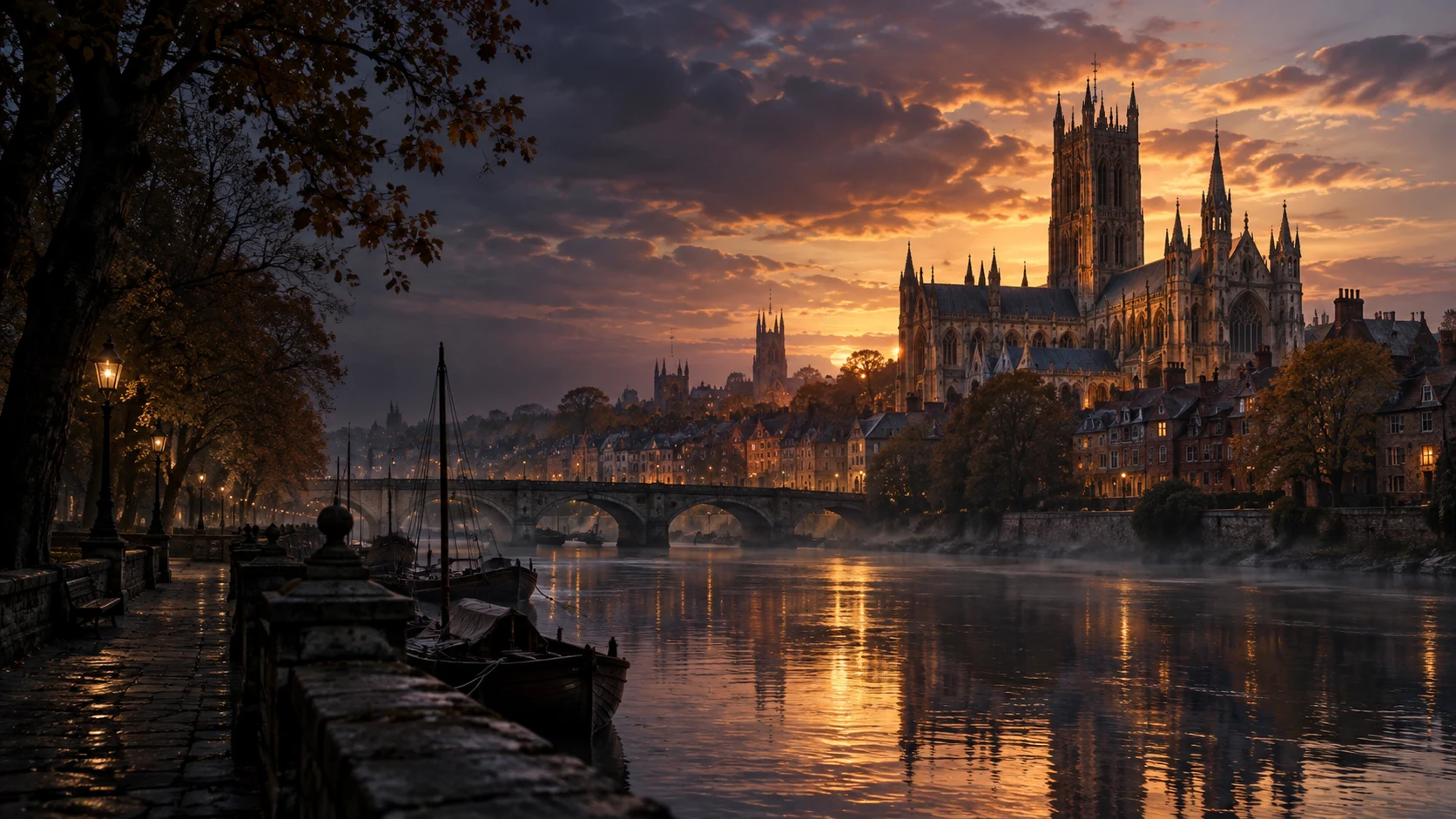
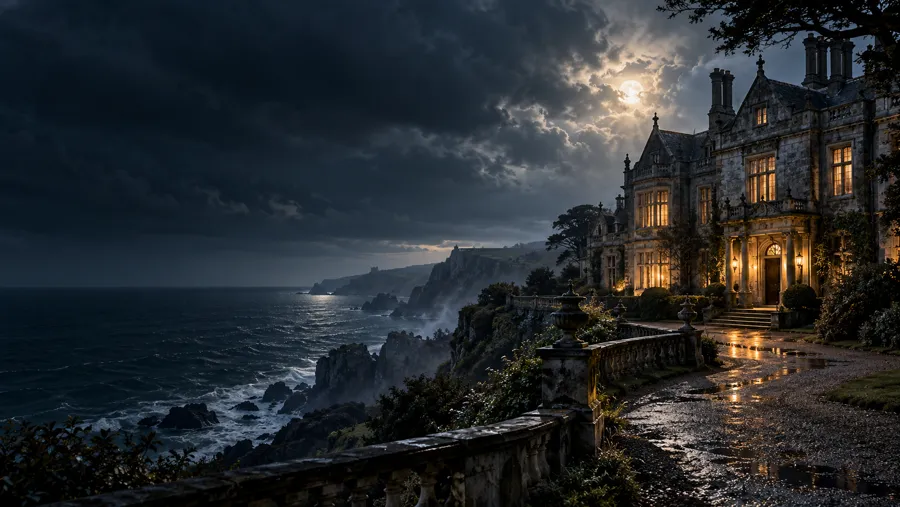
The story is set in Cloisterham, a sleepy cathedral city closely modelled on Rochester, near where Dickens lived. Edwin Drood is a young man engaged, by arrangement of their late fathers, to Rosa Bud, a girl neither of them is sure they love. His uncle and guardian, John Jasper, is the cathedral choirmaster, devoted to his nephew, and leading a secret life that opens the novel in a London opium den.
Into this tense little world come the twins Neville and Helena Landless, newly arrived from Ceylon, and Neville and Edwin take a dislike to one another at once. Then, on a stormy Christmas Eve, Edwin disappears.
That is about as far as anyone can safely go. The surviving chapters follow the search, the suspicions and the arrival of a mysterious stranger in Cloisterham, and then they stop. Whether Edwin is dead, and if so who is responsible, is left open.
The Mystery of Edwin Drood ending: the theories
Because the book stops halfway, almost every question about it is open, and readers have been answering them ever since. Was there a murder at all? Is the stranger who appears in the later chapters someone we have already met? What part would the cathedral, the opium den and a ring Edwin carries have played in the end?
Dickens’s friend and biographer John Forster later wrote that Dickens had told him something of the plan, and the illustrator of the parts, Luke Fildes, recalled being asked to draw certain details in particular ways. But Dickens loved surprising his readers, and many scholars doubt he had shared the whole of his solution with anyone. No theory has been proved, and we are not going to pretend one has.
That has not stopped people trying. Within a few years of Dickens’s death a printer in Brattleboro, Vermont, published a completion he claimed had been dictated to him by Dickens’s spirit. In 1914 the Dickens Fellowship staged a mock trial of one suspect, with G. K. Chesterton as judge and George Bernard Shaw as foreman of the jury. In 1985 a Broadway musical version let the audience vote each night on how the story should end.
The Mystery of Edwin Drood
1870. A choirmaster, his nephew, a cathedral city and a disappearance on Christmas Eve. Dickens’s last novel, left half written at his death.
The Moonstone
1868. Wilkie Collins’s great country-house mystery of a stolen diamond, published in Dickens’s own magazine. Often called the first full-length English detective novel.
Weir of Hermiston: An Unfinished Romance
1896. Robert Louis Stevenson’s last novel, also cut off by its author’s death, and thought by many to have been heading for his best.


Is it worth reading an unfinished novel?
Yes, and this one more than most. The half Dickens finished is full of his late, dark brilliance: the fog and stone of the cathedral close, the opium-dream opening, the comic figures such as the pompous auctioneer Mr Sapsea, and a growing sense of menace. It is shorter than his other mature novels, and far more atmospheric.
Going in knowing it stops halfway changes the experience, but not for the worse. You read as a detective, weighing every clue, and you become part of a long conversation among readers that Dickens could never have foreseen. Just be ready for the moment the story breaks off; it is genuinely haunting.
If you would like to see how other great writers left books unfinished, read Unfinished classic novels and how they might have ended. For a Dickens novel with two endings instead of none, see Did you know Great Expectations has two endings?, and for his best entry points, Where to start with Charles Dickens.
Where to begin
Begin in the opium den, with a cathedral tower rising out of a dream and a man waking slowly to a squalid London room. Then follow him back to Cloisterham and see what you make of him. Open The Mystery of Edwin Drood, and add your own theory to a century and a half of others.
Questions readers ask
Did Dickens finish The Mystery of Edwin Drood?
No. Dickens planned twelve monthly parts and had completed six when he died on 9 June 1870. The novel breaks off before the mystery is solved.
How does The Mystery of Edwin Drood end?
Nobody knows. Dickens left no written solution, and while many writers and scholars have proposed endings, the Mystery of Edwin Drood ending remains unsolved.
Is The Mystery of Edwin Drood worth reading?
Yes. The finished half is atmospheric, funny and full of clues, and reading it means joining a debate about its solution that has lasted more than 150 years.