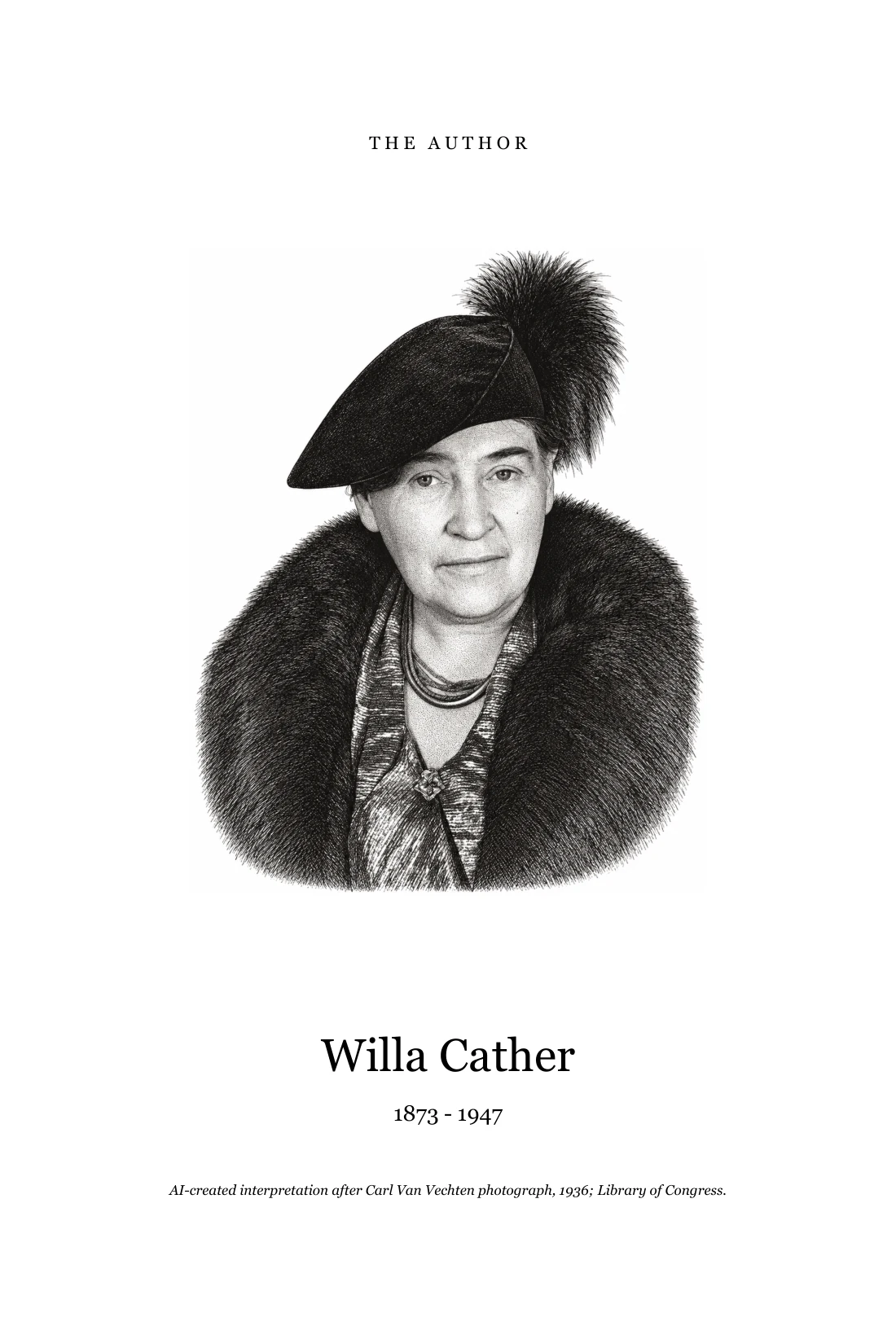
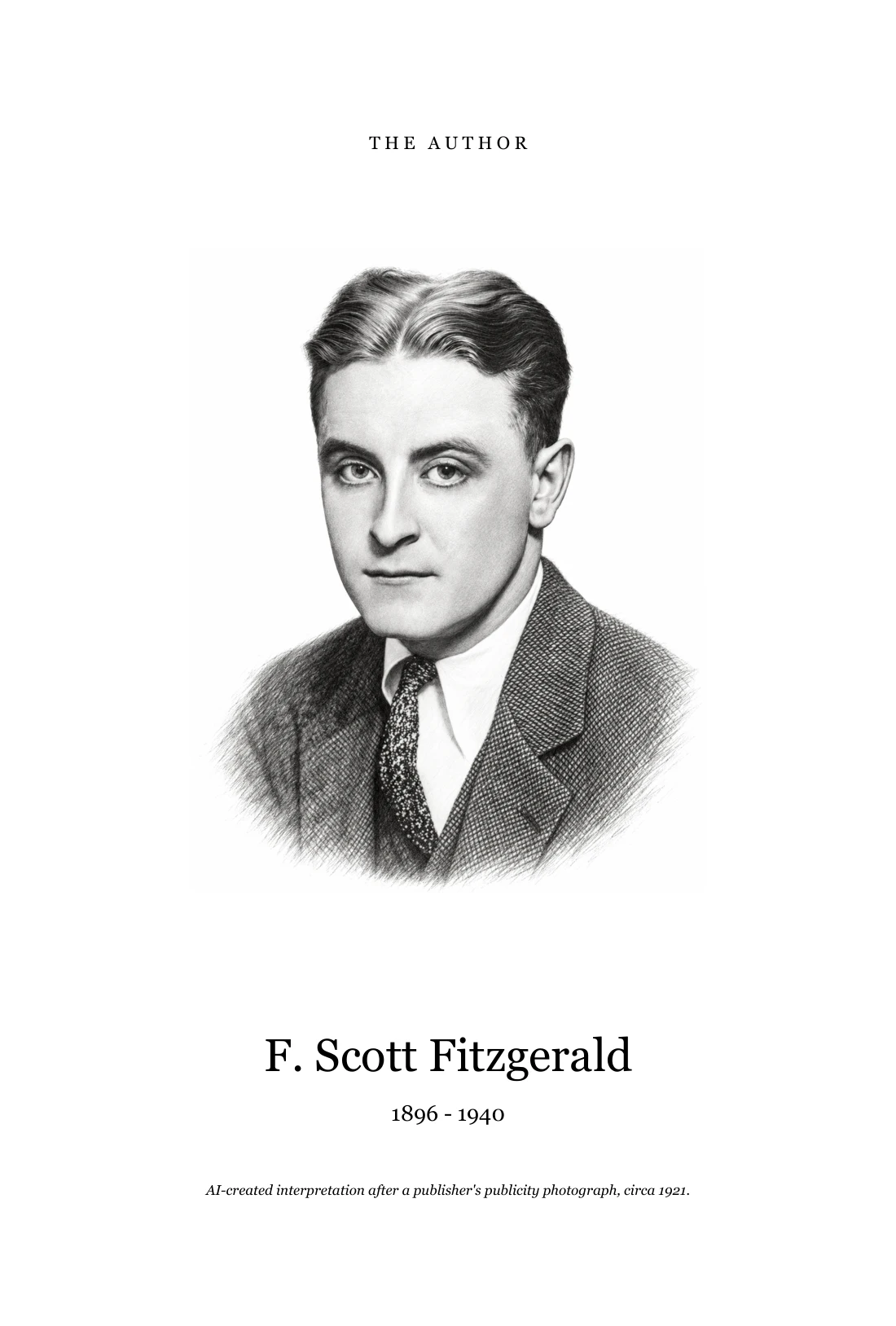
“I had read and hugely enjoyed your book before I got your letter.” So begins a short typewritten note that Willa Cather sent from New York on 28 April 1925. Its recipient was F. Scott Fitzgerald, whose third novel, The Great Gatsby, had been published a little over two weeks earlier, and who had written to her in some anxiety about it.
Fitzgerald had read Cather’s A Lost Lady (1923) while he was working on Gatsby, and he admired it. Then he noticed something awkward. A passage in his book about the charm of Daisy Buchanan seemed to echo a passage near the end of hers about her heroine, Marian Forrester. He quoted Cather’s lines to her from memory and enclosed pages of his manuscript to show that he had written his own version before he ever read A Lost Lady. He did not want her to think he had stolen from her.
What was the passage in A Lost Lady?
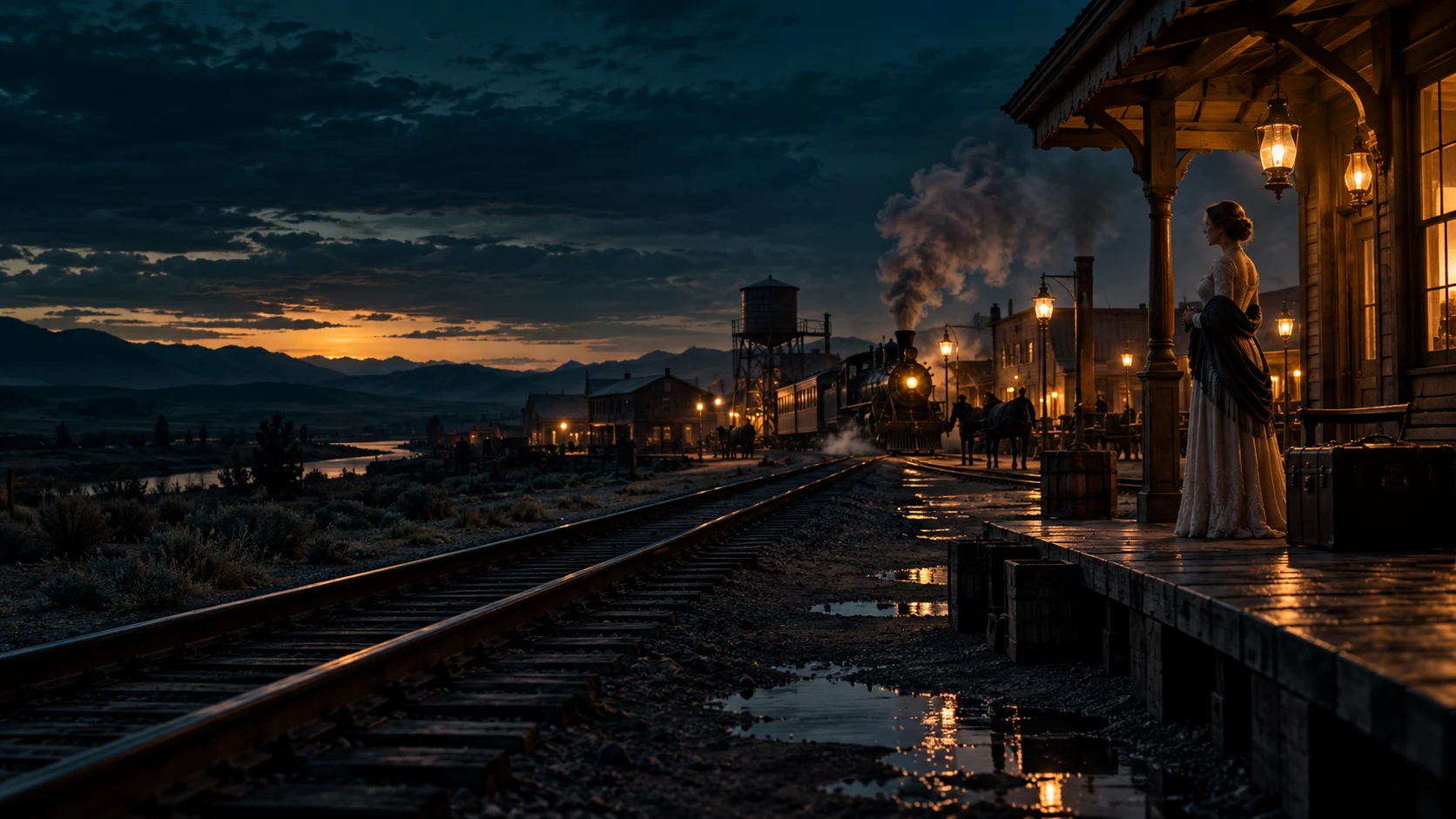
A Lost Lady is set in Sweet Water, a small railroad town on the plains, and follows the fortunes of Mrs Forrester, the much younger wife of a pioneer railroad builder, as the boy Niel Herbert sees her: first as an enchantress, later as a disappointment, finally as a memory. In the closing pages, Niel thinks back on her years after she has gone out of his life.
Probably she had found no more than another; but she had always the power of suggesting things much lovelier than herself, as the perfume of a single flower may call up the whole sweetness of spring.
Willa Cather, *A Lost Lady* (1923)
Fitzgerald’s Daisy has the same gift. She is less a person than an effect on the people around her, and Nick Carraway, like Niel, keeps describing what she does to him rather than what she is. The passage that worried Fitzgerald concerned the charm of her voice. The best known of those descriptions comes in the first chapter, when Nick hears “a promise that she had done gay, exciting things just a while since and that there were gay, exciting things hovering in the next hour.”

What did Cather reply?
She told him she had not thought of A Lost Lady at all when she read his passage. So many people had tried to say the same thing, she wrote, and nobody had managed it yet. Everyone who has been swept away by someone’s charm ends up writing about the effect rather than the person, because there is nothing else to write about. Her letter closes on a line that would serve as a motto for both books: “After all, about the only thing one can tell about beauty, is just how hard one was hit by it.”
The reply survives among Fitzgerald’s papers at Princeton, and the Willa Cather Archive publishes a transcription. Fitzgerald’s own letter is undated. There is no evidence that the two writers ever met.
Did A Lost Lady influence The Great Gatsby?
Most critics think so, though not in the way Fitzgerald feared. The scholar Tom Quirk, in a well-known essay on the two novels, and Matthew Bruccoli, who studied Fitzgerald’s first Gatsby manuscript, both traced the connection, and it is now usual to say that Marian Forrester was one of Daisy’s ancestors. The resemblance runs deeper than one sentence. Both books are short, both are told through a young man watching a woman he cannot quite see clearly, and both are about the passing of an American dream: the pioneer West in Cather, the gilded hopes of Long Island in Fitzgerald.
The differences matter as much. Cather’s heroine is a survivor, adapting to every loss of fortune, while Daisy retreats into her money. Cather writes with calm, almost classical restraint; Fitzgerald is all shimmer and music. Reading them side by side is the best way to see what each writer did with the same idea.
A Lost Lady
1923. A railroad baron’s charming wife in a fading prairie town, seen through the eyes of the boy who adores her. Spare, rueful and over in an evening or two.
The Great Gatsby
1925. Nick Carraway’s summer on Long Island, next door to the mysterious Jay Gatsby and across the bay from Daisy. Read it straight after A Lost Lady and the echoes are unmistakable.


Gatsby, for all its later fame, sold disappointingly in 1925, as we explain in Did you know The Great Gatsby disappointed in Fitzgerald’s lifetime? Cather, meanwhile, was at the height of her reputation, and two years later published the novel about the real archbishop of Santa Fe that many readers think her finest. Our guide to Willa Cather’s novels in order places A Lost Lady in her career, and F. Scott Fitzgerald’s early books in order does the same for Gatsby.
Begin with A Lost Lady, then go straight on to The Great Gatsby. You will hear the conversation between them that Fitzgerald’s letter only began.
Questions readers ask
Did Fitzgerald copy A Lost Lady in The Great Gatsby?
No. Fitzgerald worried that a passage about Daisy looked like a borrowing and sent Cather manuscript pages to show he had written it first. Cather replied that she had not even thought of her own book when she read his.
When did Fitzgerald write to Willa Cather?
In the spring of 1925, shortly after The Great Gatsby was published. His letter is undated; Cather’s reply is dated 28 April 1925.
What is A Lost Lady about?
It follows Marian Forrester, the charming wife of a pioneer railroad builder in a small Western town, as her husband’s fortune and the frontier world around her decline, seen through the eyes of a young admirer, Niel Herbert.
Did Willa Cather and F. Scott Fitzgerald ever meet?
There is no evidence that they did. Their only known exchange is this pair of letters from 1925.
 O Pioneers!156 pages · $12.99
 My Ántonia222 pages · $14.99
 Death Comes for the Archbishop182 pages · $13.99
 The Song of the Lark444 pages · $20.99