

THE PIPCUB BLOG · 656 ARTICLES
Stories behind the stories.
Reading orders, author guides, hand-picked lists and the surprising histories of the books we love.
Every article
265–288 of 656
 Did you know? · 4 min read
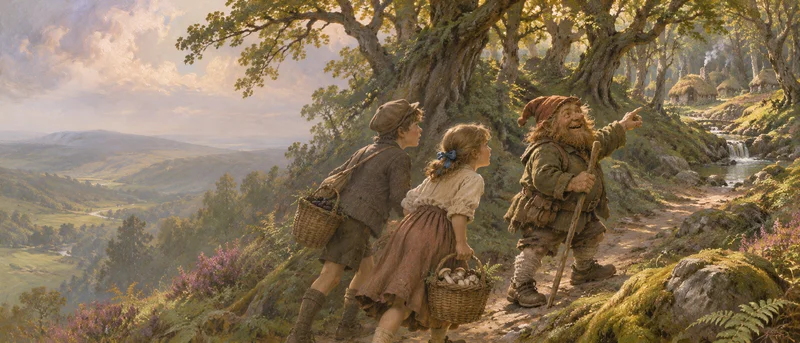
Did you know Tolkien called The Marvellous Land of Snergs a probable unconscious source for his hobbits?
A children’s book from 1927 about a race of small, sturdy, feast-loving people with a bumbling hero called Gorbo. Tolkien and his children loved it, and he later suspected that some of it had crept, unconsciously, into the hobbits.
 Series & reading order · 4 min read
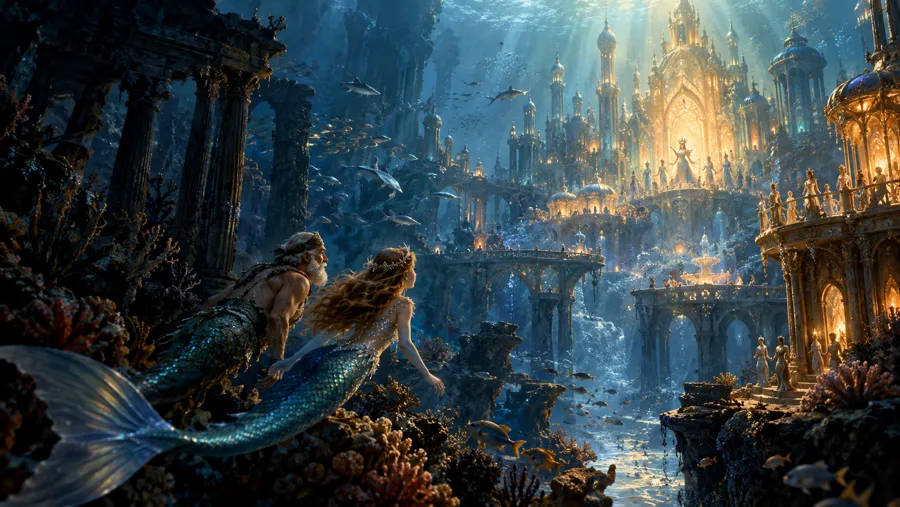
Trot and Cap’n Bill: L. Frank Baum’s other heroes
L. Frank Baum created a little girl and a one-legged sailor to lead him out of Oz. Readers had other ideas, and within four years both of them were living in Ozma’s palace.
 Authors · 3 min read
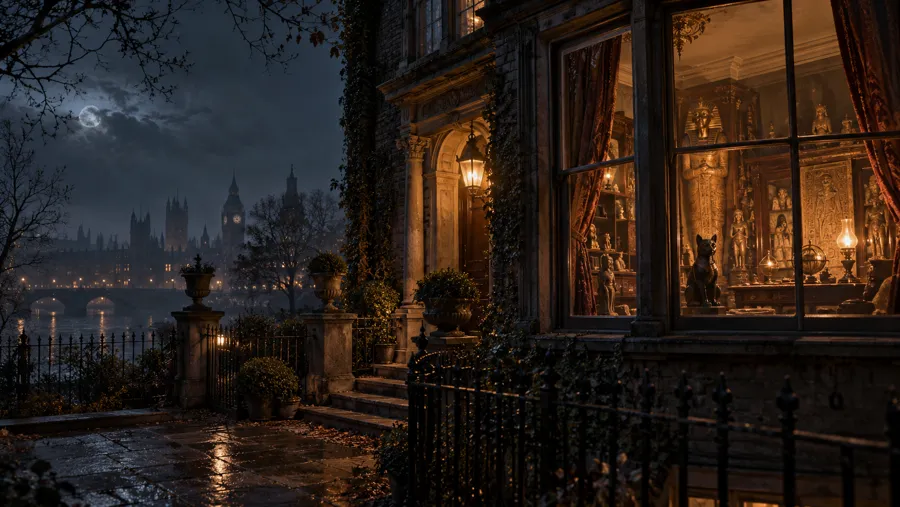
Bram Stoker wrote much more than Dracula: where to go next
Dracula was far from Bram Stoker’s only novel. Before and after it came Irish bogs, Egyptian tombs, Scottish ciphers and one of the strangest horror novels ever published.

 Did you know? · 4 min read
Did you know an 1888 novel imagined the credit card?
Six decades before Diners Club, Edward Bellamy sent a Boston gentleman to sleep in 1887 and woke him in the year 2000, where nobody carried money and everybody carried a card.
 Young readers · 4 min read
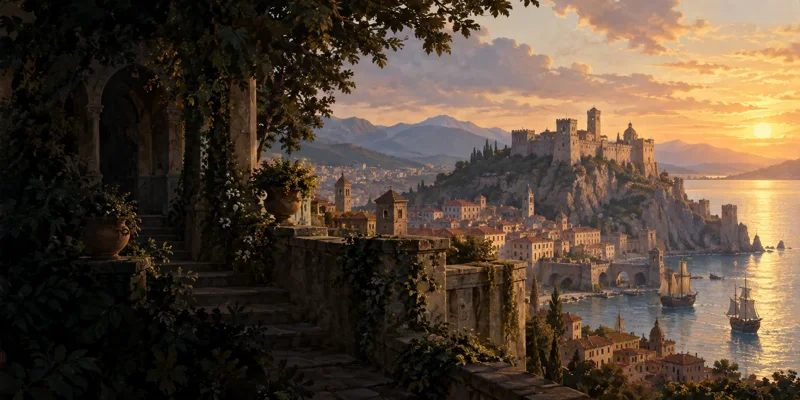
Shakespeare for children: E. Nesbit’s Beautiful Stories from Shakespeare
The author of The Railway Children turned Shakespeare’s plots into bedtime stories, and her version still makes the best first meeting with the plays for children of seven and up.
 Reading lists · 3 min read
A classics reading challenge for 2027
One classic a month, twelve months, no homework. This classics reading challenge for 2027 mixes short books with long ones and comfort reads with stretches, so the year never stalls.
 Books on screen · 4 min read
Every English-language Little Women film, and what each one changes
Little Women has been filmed seven times for the cinema in English, and every version has had to answer the same question Louisa May Alcott’s first readers kept asking her: what happens to Jo?
 Did you know? · 4 min read
Did you know The Enchanted April begins with a newspaper advert?
One wet February afternoon, a bored woman in a London club reads the small ads in The Times. Four lines later, her whole life has begun to change.
 Reading time · 3 min read
How long is Crime and Punishment? Six parts, one epilogue, about ten hours
Its first readers took a whole year over Crime and Punishment, one monthly instalment at a time. In our 496-page edition you need about ten hours, and the six parts still make natural resting points.
 Authors · 4 min read
Where to start with P. G. Wodehouse
More than ninety books, and almost none of them a dud. That is the problem with P. G. Wodehouse: the best Wodehouse book to start with is whichever one you can lay hands on, but some doors open faster than others.

 Reading lists · 4 min read
Utopian classics: perfect worlds on paper, from More’s island to Herland
The word ‘utopia’ began as a joke: it means ‘no place’. For four centuries afterwards, writers kept drawing maps of it anyway, and the classic utopian novels are funnier, stranger and more argumentative than their reputation suggests.
 Did you know? · 4 min read
Did you know The Woman in White caused a merchandise craze?
In 1860 you could wear a Woman in White cloak, dab on Woman in White perfume and dance a Woman in White waltz. Wilkie Collins had started one of the first literary crazes of the modern kind.
 Series & reading order · 4 min read
Tommy and Tuppence: Agatha Christie’s forgotten detective duo
Poirot never seemed to age, and Miss Marple was born old. Agatha Christie’s other detectives, a pair of broke young adventurers, grew up, married, raised children and retired, all on the page.

 Did you know? · 4 min read
Did you know a real castaway may have inspired Robinson Crusoe?
Ten years before Robinson Crusoe appeared, a ship off the coast of Chile picked up a wild-looking Scotsman dressed in goatskins. He had been alone on an island for more than four years.
 Authors · 4 min read
Did you know Walter Scott is credited with inventing the historical novel?
Walter Scott began a novel about the Jacobite rising, showed a friend the first chapters, got a poor review and put it away in an old desk. Years later he went looking for fishing tackle and found it again. The book was Waverley, and historical fiction has never been the same.

 Reading lists · 3 min read
The best classic pirate novels
Treasure maps marked with an X, one-legged sea cooks and parrots that squawk about pieces of eight: much of what we think we know about pirates comes from a single novel. Here is that book, and the best classic pirate books that sailed in its wake.
 Did you know? · 4 min read
Did you know Dracula has a “lost” first chapter?
Two years after Bram Stoker died, his widow published a story she said had been cut from Dracula. It has been called the novel’s lost first chapter ever since, though scholars are far from sure it ever was.
 Literary history · 4 min read
The Golden Age of children’s literature, explained
In about sixty years, between Alice falling down a rabbit hole and Pooh getting stuck in one, writers in Britain and America invented the modern children’s book. Historians call it the Golden Age of children’s literature, and we are still reading its books.
 Did you know? · 3 min read
Did you know Anne of Green Gables was rescued from a hatbox?
One of the best-loved novels ever written about an unwanted orphan was itself unwanted for a while. The history of Anne of Green Gables includes a stack of rejection letters and an old hatbox in a Prince Edward Island farmhouse.
 Young readers · 4 min read
Books like Little Women: big families, small budgets and girls who speak their minds
What readers love in Little Women is a household: sisters squabbling, money short, a mother holding it together. These classics give you more of exactly that, three of them by Alcott herself.
 Reading lists · 4 min read
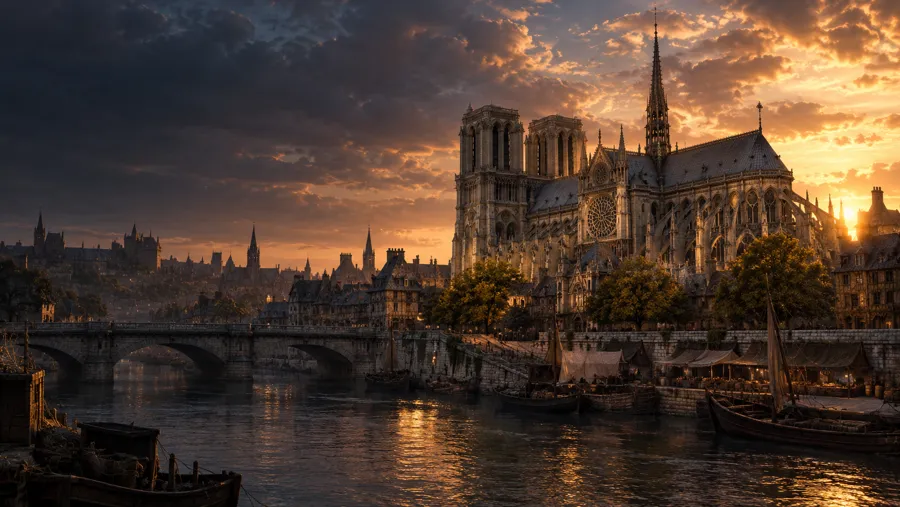
Classic novels set in Paris, from Notre-Dame to the Opera
Paris is the most written-about city in fiction’s great century, and every novelist found a different one. Here is a reader’s map, one landmark and one classic at a time.
 Books on screen · 4 min read
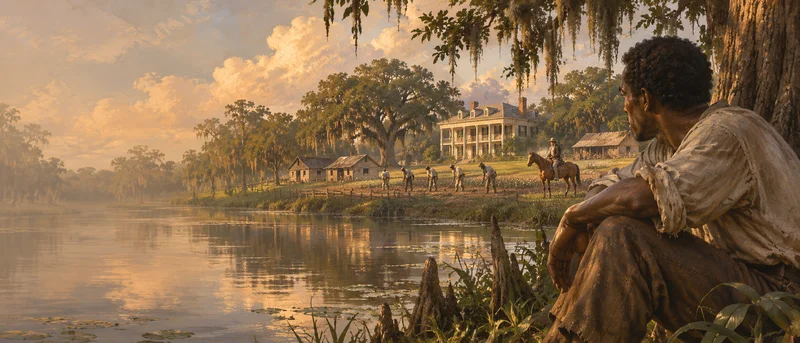
Twelve Years a Slave: Solomon Northup’s memoir vs. the Oscar-winning film
The 2013 film made Solomon Northup’s name known around the world. His own account, written in the first months of his freedom, is longer, calmer in tone and in places even harder to read.
 Authors · 3 min read
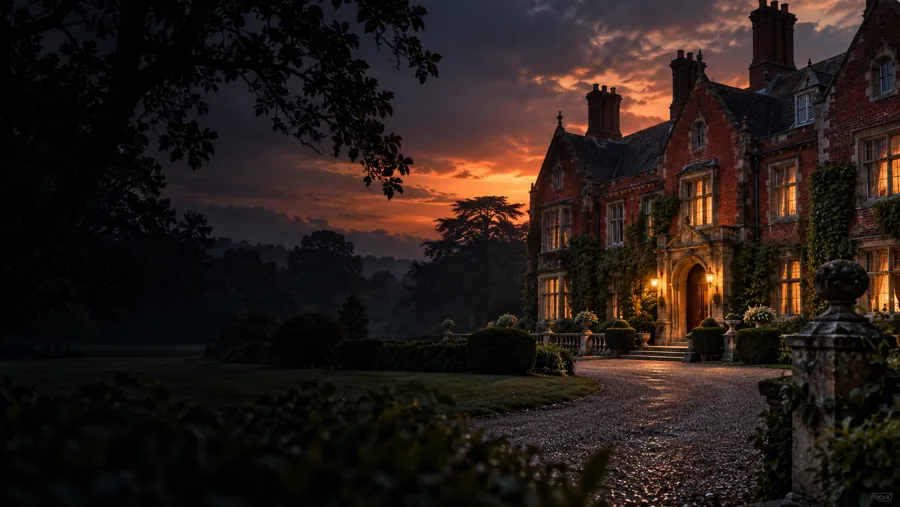
Did you know the creator of Winnie-the-Pooh wrote a detective novel?
In 1922, four years before a bear of very little brain made him immortal, A. A. Milne published a murder mystery. The Red House Mystery has a country house, a locked room, a missing host and an amateur detective, and it is a great deal of fun.

 Series & reading order · 4 min read
Willa Cather wrote twelve novels: nine of them in order, from Alexander’s Bridge on
Willa Cather published twelve novels in twenty-eight years. The first nine, written between 1912 and 1927, take her from a magazine editor’s debut to the Pulitzer Prize and the desert of New Mexico.