The ending of Solomon Northup’s book is printed on its title page. Twelve Years a Slave: Narrative of Solomon Northup, a Citizen of New-York, Kidnapped in Washington City in 1841, and Rescued in 1853, from a Cotton Plantation near the Red River, in Louisiana. Readers in 1853 knew from the title page that he would come home. What they could not know was what the twelve years in between contained.
Steve McQueen’s 12 Years a Slave (2013) is a close and serious adaptation of that book, and it won the Academy Award for Best Picture. But the memoir and the film are doing different jobs. Northup was writing testimony, for readers who might doubt him, while the slave system he described was still in force. McQueen was making a film for an audience that knew how the story of slavery ended and needed to be made to feel it.
Is 12 Years a Slave a true story?
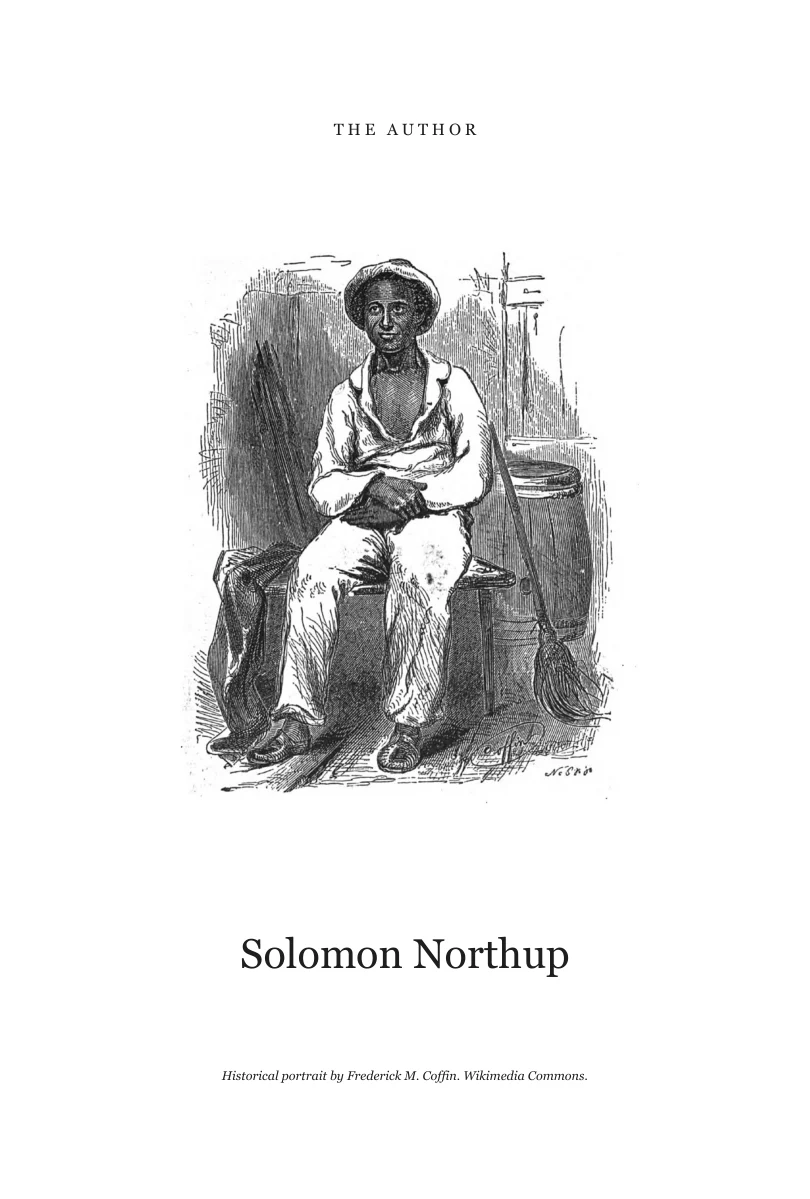
Yes. Solomon Northup was a free Black man, a carpenter and violinist living in Saratoga Springs, New York, with his wife Anne and their three children. In 1841 two men who said they worked for a circus offered him well-paid work as a fiddler. He travelled with them to Washington, where he woke drugged and chained in a slave pen. He was beaten for insisting he was free, shipped to New Orleans, renamed Platt and sold.
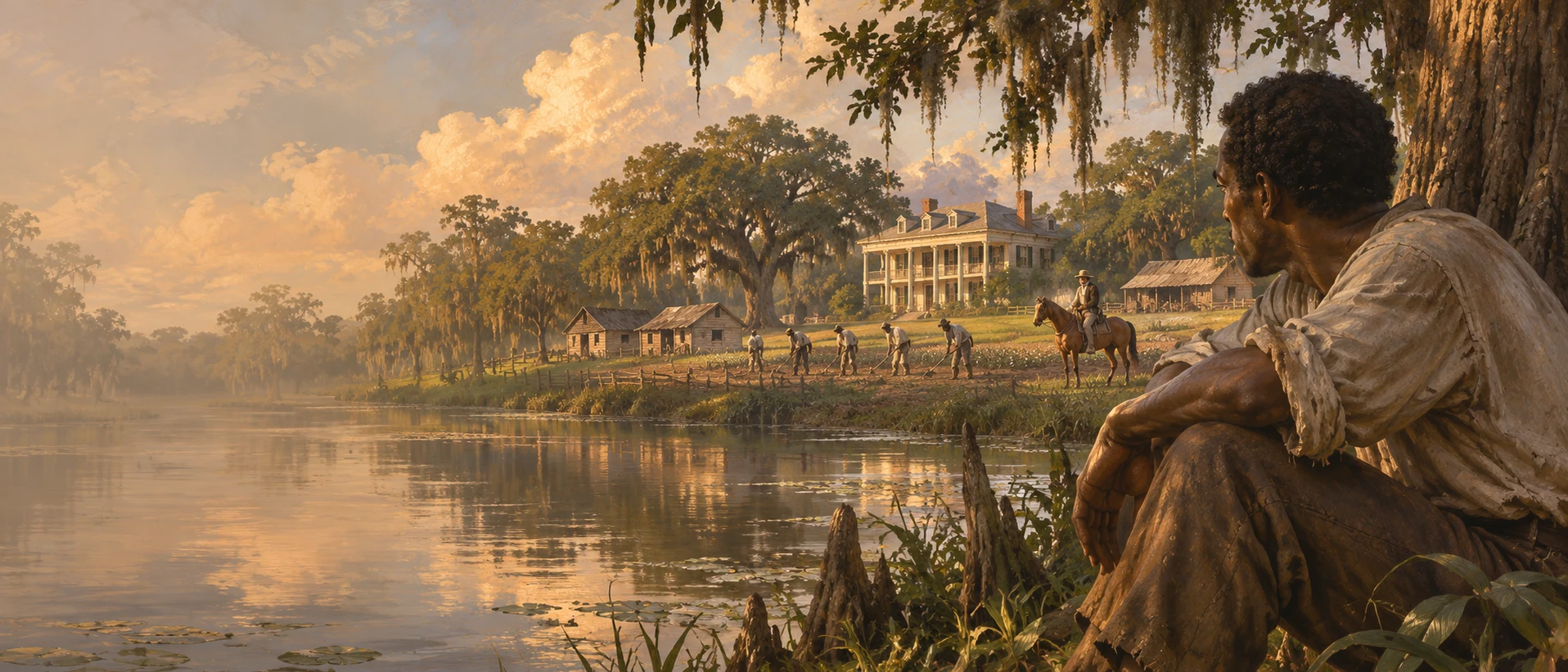
He spent the next twelve years in the Red River region of Louisiana, the last ten of them owned by Edwin Epps, a cotton planter. He was freed in January 1853 after a Canadian carpenter, Samuel Bass, risked his own safety to post letters north, and a New York lawyer, Henry B. Northup, travelled south under a state law for rescuing kidnapped citizens. Within months the book was out, written with the help of David Wilson, a local lawyer and writer. Historians have since traced Northup’s account through sale records and court documents, and it has held up.
How the 12 Years a Slave book differs from the film
The biggest difference is the voice. Northup writes in the measured, careful prose of a man determined to be believed, and he describes cotton picking, sugar cultivation, slave markets and the routines of plantation life in remarkable detail. He is also fairer to some of the people who owned him than modern viewers might expect. Of his first owner he writes:
there never was a more kind, noble, candid, Christian man than William Ford. The influences and associations that had always surrounded him, blinded him to the inherent wrong at the bottom of the system of Slavery.
Solomon Northup, *Twelve Years a Slave*
The film, critics noted, is harder on Ford, played by Benedict Cumberbatch, and on the Christianity that let slaveholders feel righteous. McQueen kept Northup’s events but sharpened his judgements for a modern audience.
The second difference is emphasis. Northup writes about Patsey, the young woman Epps abuses, with deep sympathy but relatively briefly; in the film she becomes its moral centre, and Lupita Nyong’o won the Oscar for Best Supporting Actress in the role. Michael Fassbender plays Epps, and Brad Pitt, whose company Plan B backed the project, plays Bass.
The endings differ too. Northup closes with a plain statement that his account is no fiction and that hundreds of other free people were still enslaved as he wrote, then hopes to rest at last in the churchyard where his father lies. The film ends with his return home to his family, followed by title cards: his lawsuits against the men who sold him failed, and no one knows when or where he died. The record of his life goes quiet after 1857.
Why the book was nearly forgotten
Twelve Years a Slave sold well in its own time, reportedly around 30,000 copies, helped by the success of Uncle Tom’s Cabin the year before. Then it fell out of print and out of public memory for most of a century. Sue Eakin, who first saw a copy as a child in Louisiana plantation country, and Joseph Logsdon restored it with their annotated 1968 edition. Gordon Parks directed a television version, Solomon Northup’s Odyssey, starring Avery Brooks, for PBS in 1984. McQueen’s film, with Chiwetel Ejiofor in the lead, finally made it widely read.
The film won three Oscars at the 86th Academy Awards, for Best Picture, Ridley’s adapted screenplay and Nyong’o, and McQueen became the first Black director of a Best Picture winner. In 2023 it was added to the US National Film Registry.
Northup’s book belongs to a long tradition; we trace it in the slave narratives that changed history, and two more of its classics are covered in Olaudah Equiano’s memoir and the slave trade and Up from Slavery.
If you have seen the film, read Twelve Years a Slave for the voice it could only borrow. Northup tells you on the title page that he survives, and the book still grips like a thriller.
Questions readers ask
Is 12 Years a Slave based on a book?
Yes. The 2013 film is based on Solomon Northup’s memoir Twelve Years a Slave, published in 1853, the year he was freed. It was written with the help of David Wilson.
How accurate is 12 Years a Slave?
Historians consider Northup’s memoir well documented, and the film follows its events closely. The main changes are of emphasis: the film gives Patsey a larger role and treats William Ford more harshly than Northup does.
What happened to Solomon Northup after the book?
He lectured against slavery and lived for a time with his daughter’s family in New York. He sued the men who kidnapped him without success, and nothing certain is known of his life after 1857 or of his death.
What Oscars did 12 Years a Slave win?
Three: Best Picture, Best Adapted Screenplay for John Ridley and Best Supporting Actress for Lupita Nyong’o, at the 86th Academy Awards.