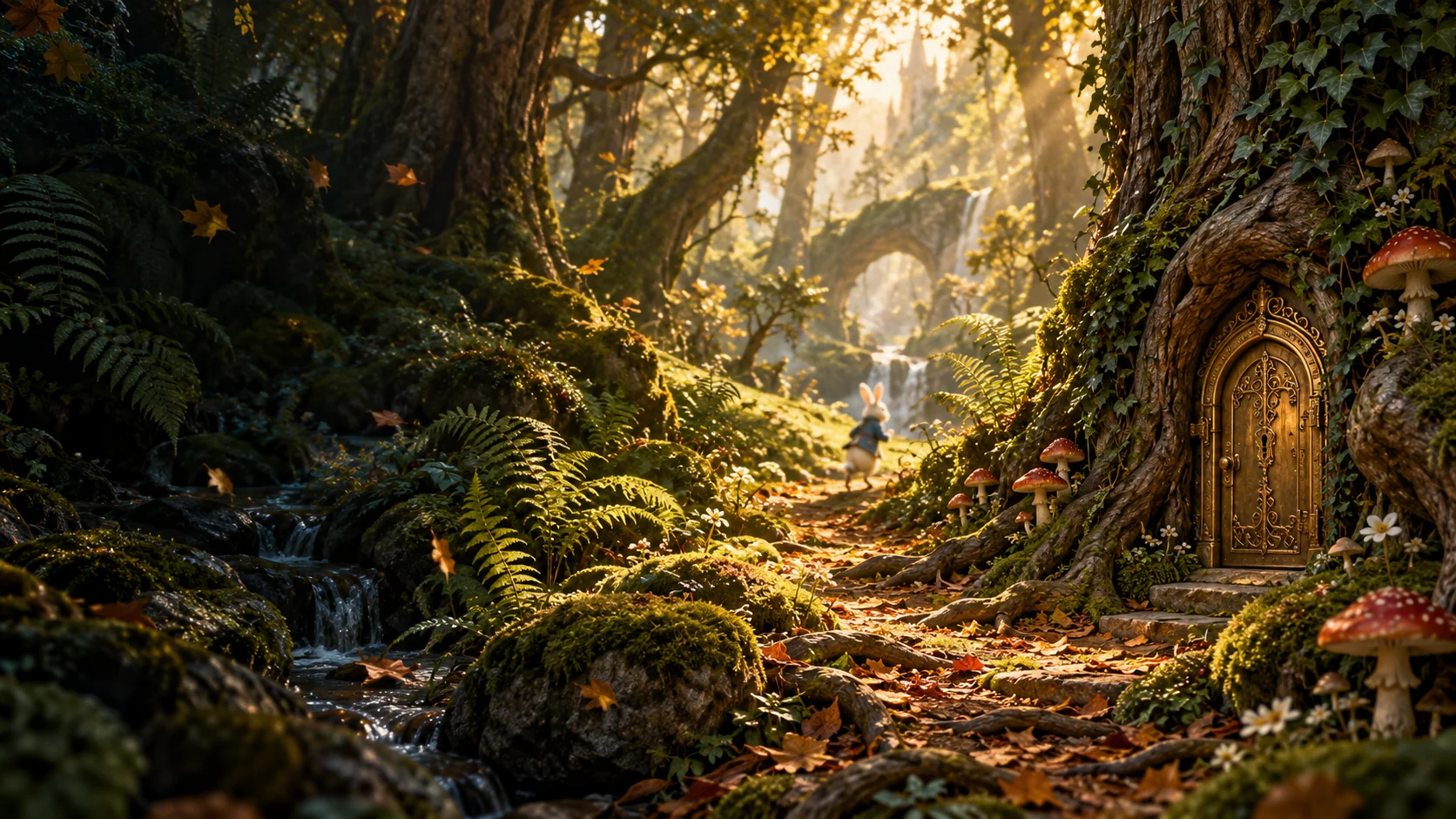
The Golden Age of children’s literature is the name usually given to the period from the 1860s to the 1920s, when books written purely to delight children, rather than to improve them, first became the norm. Most accounts begin it with Alice’s Adventures in Wonderland in 1865 and close it somewhere around Winnie-the-Pooh in 1926, though historians draw the boundaries differently.
In between came Treasure Island, The Wonderful Wizard of Oz, Peter Pan, The Wind in the Willows, The Railway Children, The Secret Garden and dozens more. A remarkable share of the children’s classics still read today were written in those years.
What came before the Golden Age?
For most of history, books for children were meant to instruct. Primers taught letters and prayers; moral tales showed good children rewarded and naughty ones punished, often fatally. Fairy tales and adventure stories circulated, but they were frequently frowned on by educators as frivolous or even harmful.
There were exceptions, and the change was gradual. But by the mid-nineteenth century a few writers had begun to take children’s imaginations seriously, among them Charles Kingsley, whose The Water-Babies mixed fantasy with sermon in 1863. Two years later came the book that broke the mould.
once or twice she had peeped into the book her sister was reading, but it had no pictures or conversations in it, ‘and what is the use of a book,’ thought Alice ‘without pictures or conversations?’
Lewis Carroll, Alice’s Adventures in Wonderland (1865)

Why did the Golden Age of children’s literature happen?
No single cause explains it, but several things came together. Literacy was spreading rapidly, helped in England by the Elementary Education Act of 1870, which began to make schooling available to all children. Printing became cheaper, illustrated magazines for children flourished, and a growing middle class had money to spend on books for the nursery.
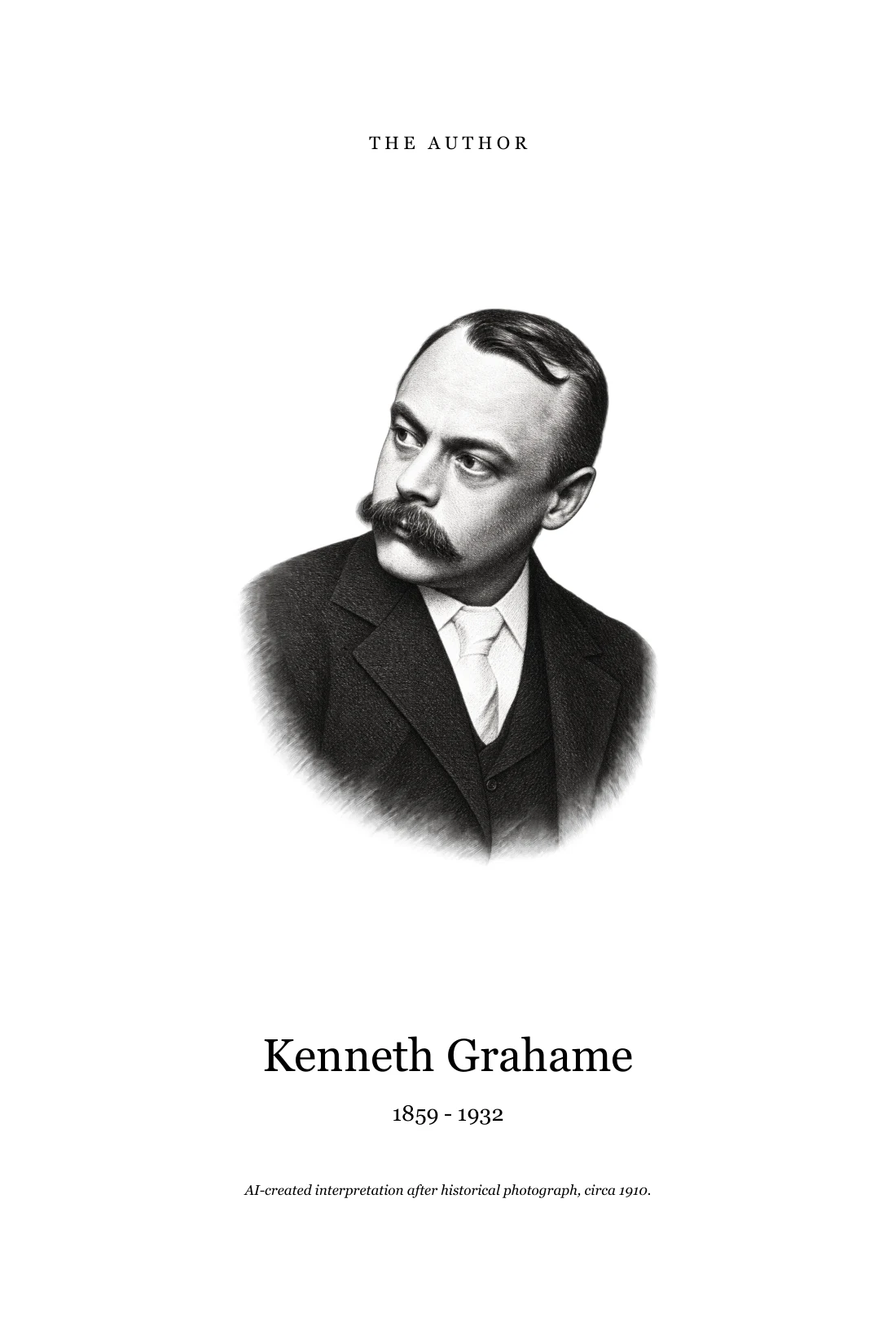
Attitudes to childhood were changing too. Influenced by the Romantic poets, many Victorians came to see childhood as a precious, separate stage of life, a time of innocence and imagination to be protected rather than hurried through. Writers began to address children as readers with tastes of their own. And many of the greatest books began with particular children: Alice was told to the Liddell sisters on a river trip, The Wind in the Willows to Kenneth Grahame’s young son, and Peter Pan to the Llewelyn Davies boys, while Pooh grew out of Christopher Robin Milne’s own toys.
The essential books of the Golden Age
Here are seven landmarks in the order they were published, from the first great fantasy to the last great nursery book of the era.
- $12.99
Alice's Adventures in Wonderland
1865. A girl falls down a rabbit hole into a world of nonsense, riddles and rudeness. The book usually credited with beginning the Golden Age.
- $11.99
The Wonderful Wizard of Oz
1900. Baum set out to write a “modernized fairy tale”, and gave the Golden Age its first great fantasy from across the Atlantic.
- $13.99
The Railway Children
1906. Three children, a railway line and a family secret. Nesbit made ordinary children funny, flawed and real.
- $12.99
The Wind in the Willows
1908. Mole, Rat, Badger and the outrageous Toad on the riverbank. A book about friendship and home that adults love as much as children.
- $14.99
The Secret Garden
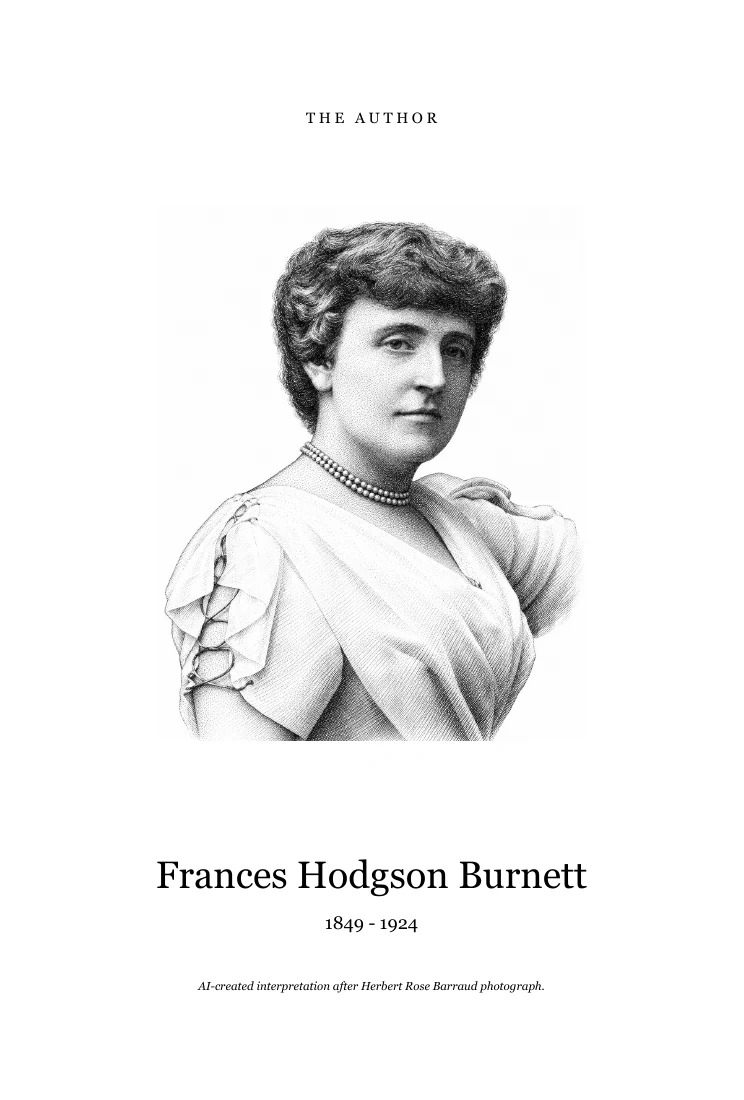
1911. A sour, neglected girl and a locked garden in Yorkshire. Burnett’s story of healing through nature and friendship.
- $12.99
Peter and Wendy
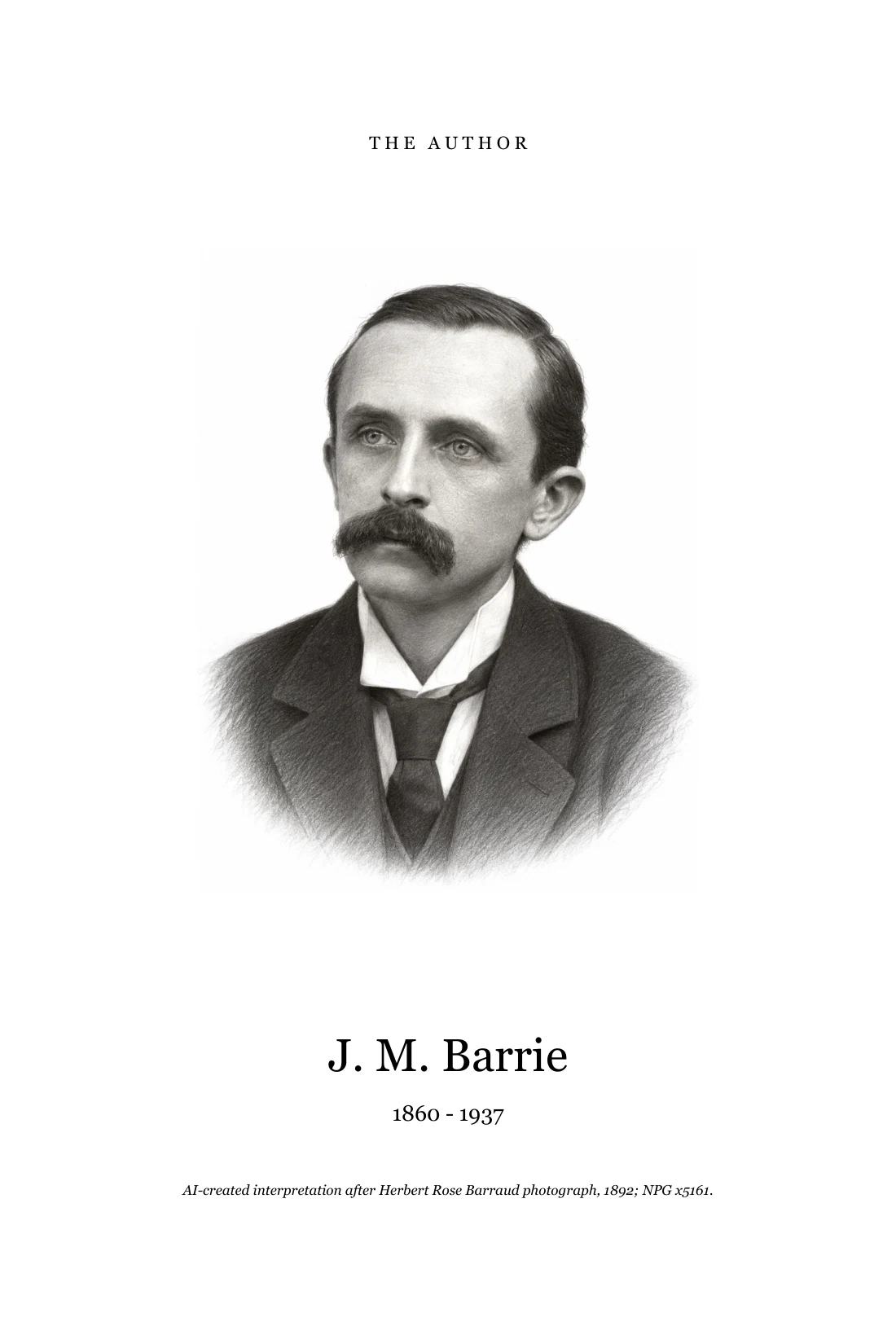
1911. Barrie’s novel of the boy who would not grow up, published seven years after the play. Wilder and sadder than any adaptation.
- $11.99
Winnie-the-Pooh
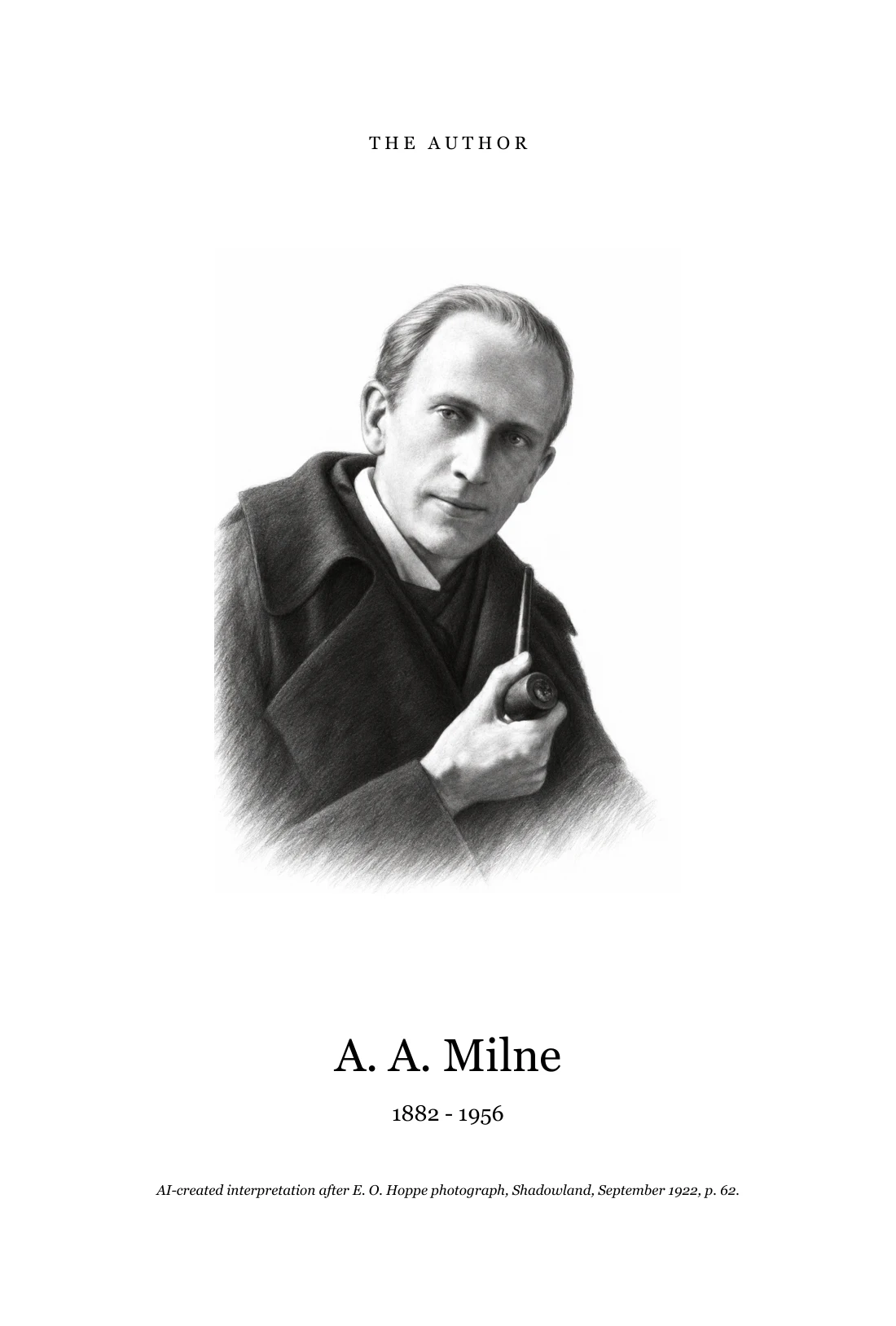
1926. Pooh and his friends in the Hundred Acre Wood. Often counted as the last classic of the Golden Age.



The authors who defined it
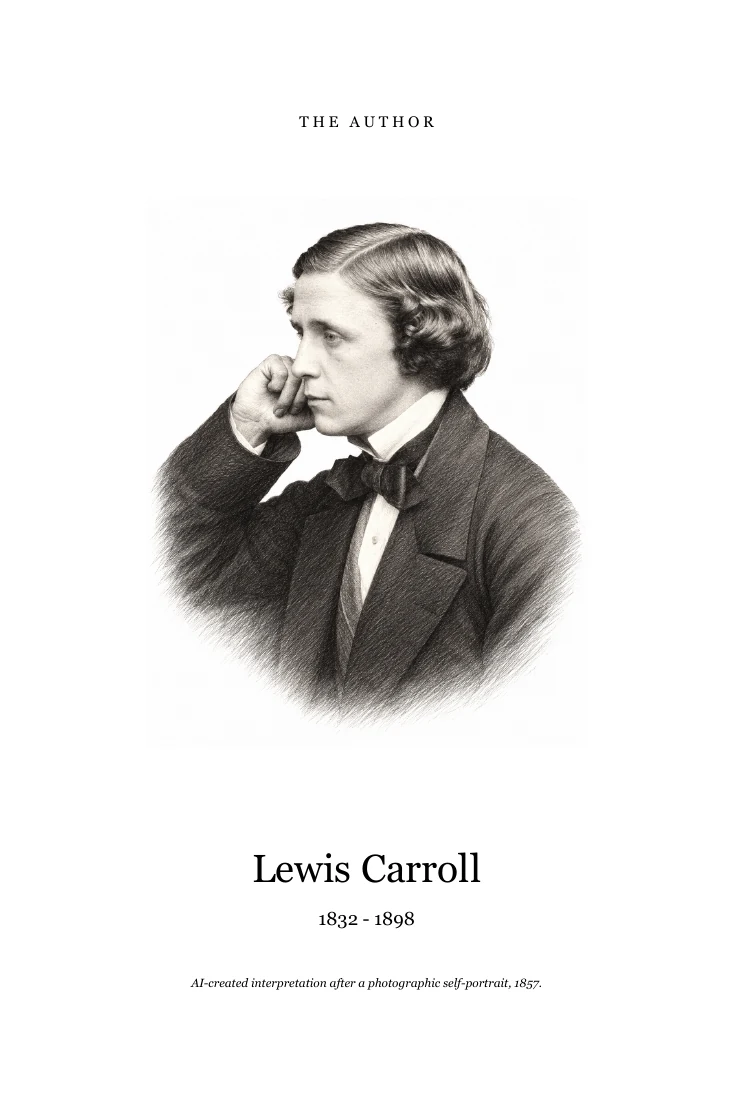
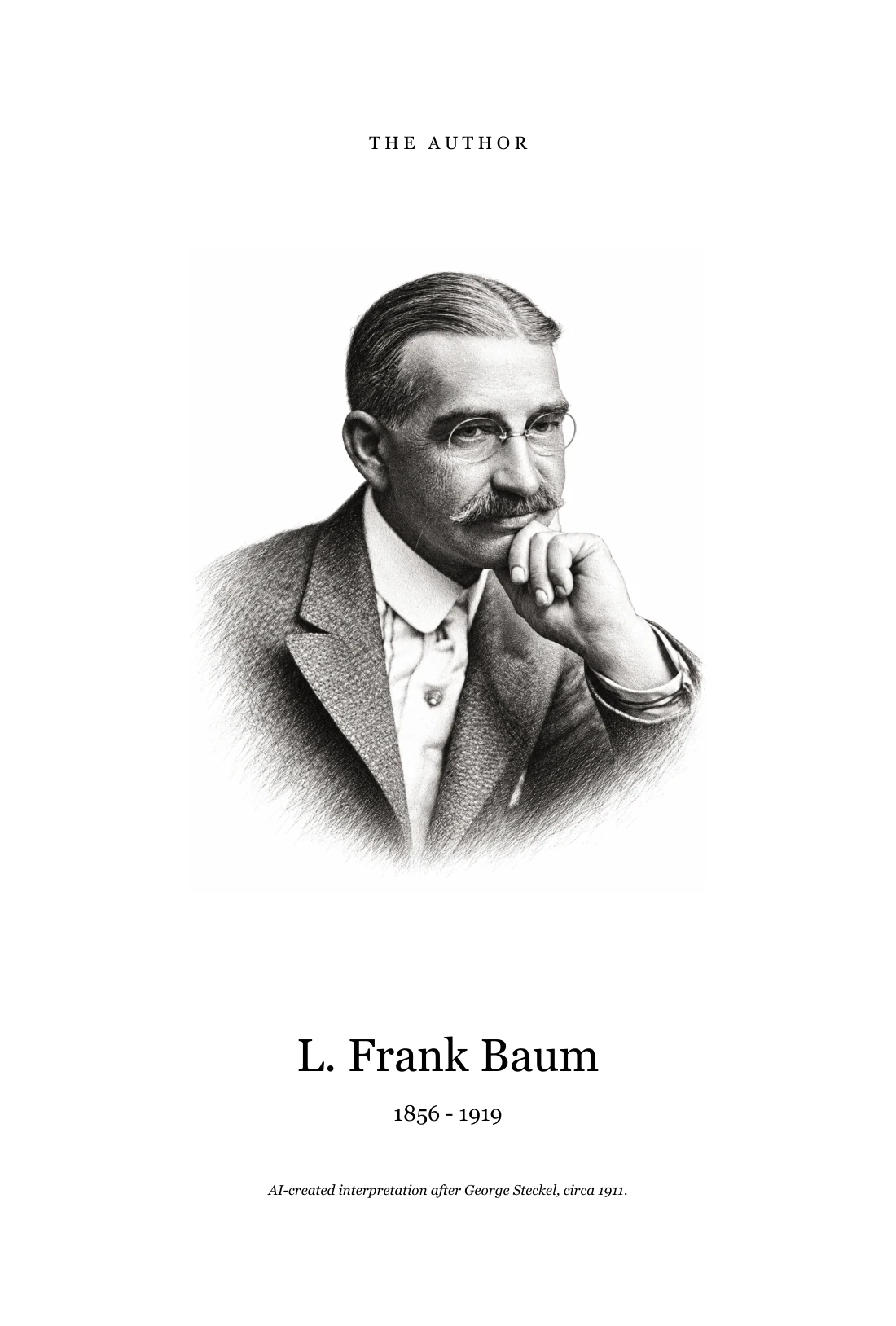
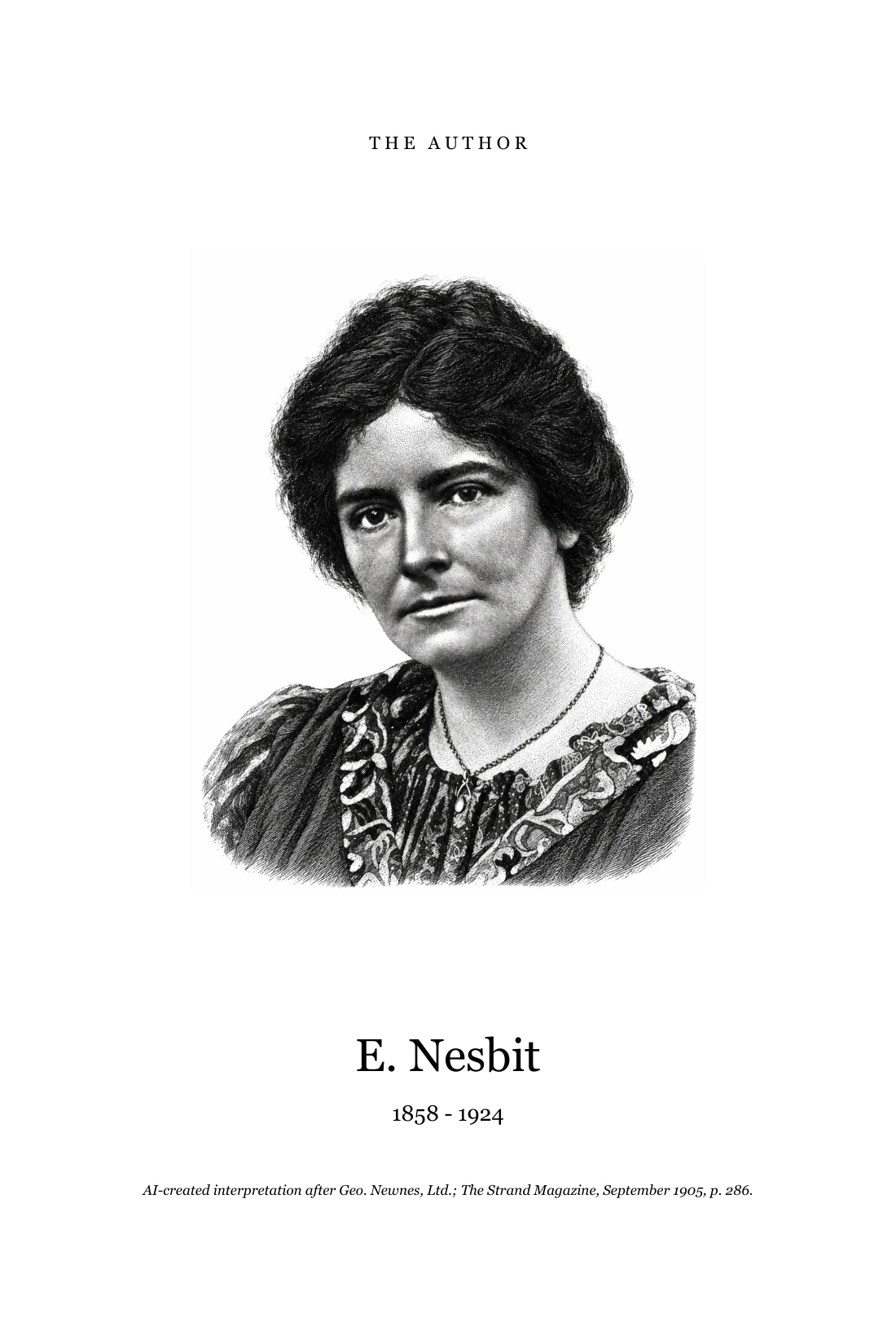
Lewis Carroll proved that a children’s book could be pure play, with no moral at all. L. Frank Baum brought the fairy tale to the American prairie. E. Nesbit invented the modern family adventure, in which ordinary children have extraordinary days and talk like real children while they do it. Kenneth Grahame, Frances Hodgson Burnett, J. M. Barrie and A. A. Milne each found a new way to write about the inner life of children, and of the adults who remember being one.
Plenty of other books belong to the period, from Treasure Island and Black Beauty to The Jungle Book, Little Women and Anne of Green Gables. Some carry the attitudes of their time, especially about empire and race, and are worth reading with that context in mind.
Why did the Golden Age end?
Historians tend to link its close to the First World War and the changes that followed, though books of the same spirit kept appearing into the 1920s. Children’s publishing did not decline afterwards, but the particular blend of innocence, fantasy and nostalgia that marks the Golden Age began to give way to new styles. Many readers see a second golden age arriving after the Second World War, but that is another story.
To go deeper, read how Alice began on a boat trip, why Peter Pan was a play first, and how The Wind in the Willows grew from bedtime stories. For read-aloud suggestions, try classic bedtime stories to read aloud or browse the whole kids’ shelf.
If you want to feel what made the period golden, start at the beginning, with Alice’s Adventures in Wonderland. It is short, strange and still astonishingly funny, and you can see in every chapter a writer discovering that a children’s book could be anything at all.
Questions readers ask
What is the Golden Age of children’s literature?
It is the period from roughly the 1860s to the 1920s, when writers in Britain and America began producing imaginative books written mainly to entertain children rather than to instruct them. It produced classics such as Alice, The Wizard of Oz, Peter Pan and Winnie-the-Pooh.
When did the Golden Age of children’s literature begin and end?
It is usually dated from Alice’s Adventures in Wonderland (1865) to around the First World War or the mid-1920s, often ending with Winnie-the-Pooh (1926). Historians draw the exact boundaries differently.
Why is it called the Golden Age of children’s books?
Because so many enduring classics appeared in a relatively short time, and because these books changed what children’s literature was for, putting imagination and pleasure ahead of moral lessons.
What are the most famous books from the Golden Age of children’s literature?
Alice’s Adventures in Wonderland, Treasure Island, The Wonderful Wizard of Oz, The Railway Children, The Wind in the Willows, The Secret Garden, Peter and Wendy and Winnie-the-Pooh are among the best known.