
Cloaks. Bonnets. Perfumes. Toiletries. Waltzes and quadrilles. In the months after The Woman in White by Wilkie Collins came out, all of them were sold under the novel’s name. The literary historian S. M. Ellis later summed it up: every possible commodity, he said, was labelled “Woman in White”.
Merchandise is now so normal a part of a hit that it is easy to forget how unusual this still was. A novel had become a brand. The Woman in White is generally regarded as the first sensation novel, the genre of secrets, crimes and respectable households that gripped the 1860s, and its success was itself a sensation.
How The Woman in White became a sensation
Collins began writing at Broadstairs on 15 August 1859, and the novel started appearing in Charles Dickens’s weekly magazine All the Year Round that November, running alongside an American serial in Harper’s Weekly. Readers had to wait a week between instalments, and Collins made sure they suffered. He finished the last part in London on 26 July 1860, only weeks before the end of the serial.
Sampson Low published the three-volume book in the middle of August 1860. It went through eight editions in three months, and translations into Russian, French, Dutch and German followed within a few years. It has never been out of print since.

Who read it?
Almost everyone, it seems. Prince Albert read it and approved. Thackeray was absorbed in it from morning until sunset, and Gladstone was so gripped that he missed an evening at the theatre. Edward FitzGerald, the translator of the Rubáiyát, read it several times and thought of naming a boat after its heroine, Marian Halcombe. Punch parodied it, which is its own kind of compliment.
What makes The Woman in White so gripping?
Collins had trained as a lawyer, and he built the book like a case. The opening paragraph tells you what to expect:
This is the story of what a Woman’s patience can endure, and what a Man’s resolution can achieve.
Wilkie Collins, The Woman in White (1860)
The story is then told, he explains, “by more than one pen”, as an offence is told in court by more than one witness. The drawing master Walter Hartright begins it, and others take over in turn: a solicitor, a diarist, a housekeeper, even the villain. Each knows only part of the truth, and each account ends exactly when you most want it to continue.
Then there is the scene that launched it all. Walking back towards London on a close, sultry summer night, Hartright feels a hand laid on his shoulder on an empty road:
There, in the middle of the broad bright high-road—there, as if it had that moment sprung out of the earth or dropped from the heaven—stood the figure of a solitary Woman, dressed from head to foot in white garments
Wilkie Collins, The Woman in White (1860)
And there is Count Fosco: enormously fat, exquisitely polite, devoted to his canaries and his white mice, and quite terrifying. He is one of the great villains of Victorian fiction, and much of the book’s pleasure lies in watching Marian Halcombe, its true heroine, take him on.

The legacy of the craze
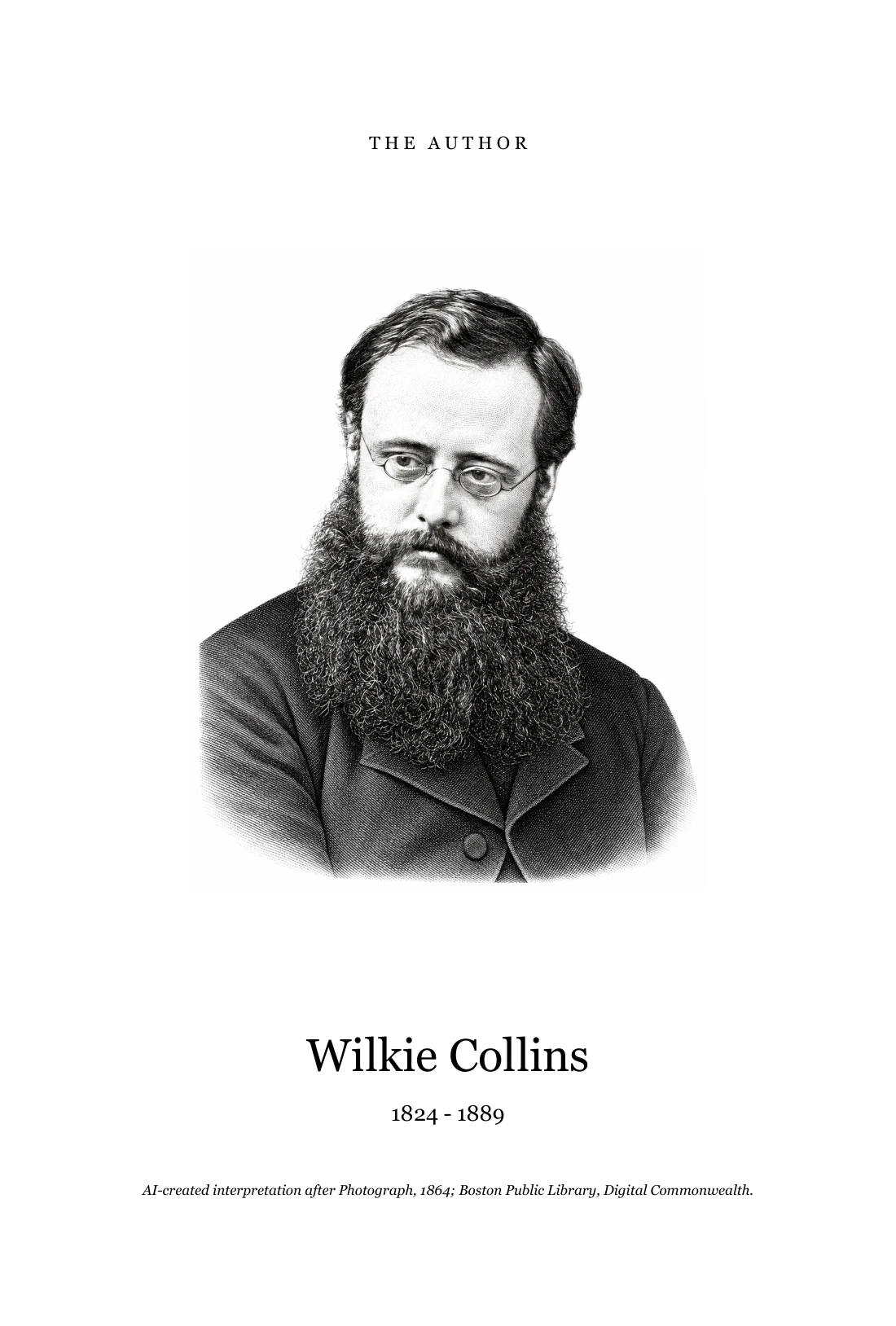
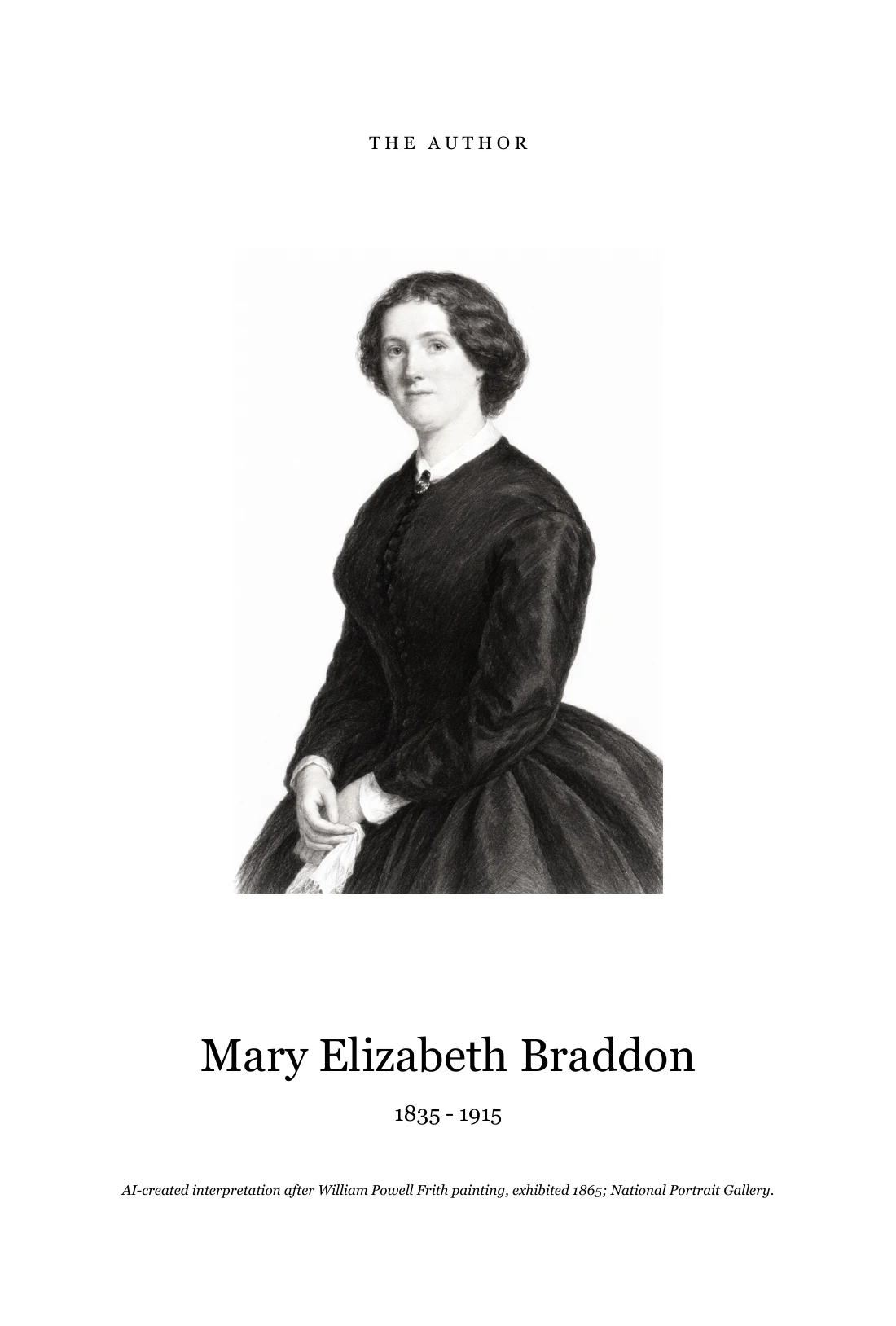
Collins drew partly on a real eighteenth-century French case of abduction and wrongful confinement, found in a collection of famous trials. What he made of it changed popular fiction. Imitators followed at once, most famously Mary Elizabeth Braddon, whose Lady Audley’s Secret appeared two years later, and in 1872 Vanity Fair captioned a caricature of Collins “The Novelist who invented Sensation”. He was proud of the book to the end: his headstone at Kensal Green describes him as the author of The Woman in White.
A stage version opened at the Olympic Theatre in 1871, and the novel has been filmed and televised many times since, from a 1948 Hollywood version with Sydney Greenstreet as Fosco to the BBC’s 2018 series. Andrew Lloyd Webber turned it into a musical in 2004.
The Woman in White
1860. A moonlit encounter on a London road, a fortune, an unhappy marriage and a villain with white mice. The novel that started the sensation craze.
The Moonstone
1868. Collins’s other masterpiece: a cursed Indian diamond, a Yorkshire country house and Sergeant Cuff of Scotland Yard.
Lady Audley's Secret
1862. Braddon’s answer to Collins, and by some accounts the most successful sensation novel of them all: a golden-haired young wife with something to hide.


For the full story of the genre, read What was the sensation novel? and Wilkie Collins: Dickens’s friend and the king of the sensation novel. Did you know many great Victorian novels first came out in instalments? explains how readers first met Fosco, and Did you know The Moonstone is often called the first English detective novel? covers Collins’s other great book.
No one will sell you a Woman in White bonnet today. The book, though, works exactly as it did in 1860. Start The Woman in White on a free evening, reach that empty road and that hand on the shoulder, and see how long you can hold out before the next chapter.
Questions readers ask
Why was The Woman in White so popular?
Its weekly serial format, cliffhanger structure and multiple narrators made readers desperate for each instalment. The book edition went through eight editions in three months in 1860, and shops sold Woman in White cloaks, bonnets, perfumes and dance music.
Is The Woman in White the first sensation novel?
It is generally regarded as the first. Its mixture of crime, secrets and respectable households inspired imitators, most famously Mary Elizabeth Braddon’s Lady Audley’s Secret (1862).
Who is the villain in The Woman in White?
The most famous villain is Count Fosco, a vast, charming Italian with a fondness for white mice and canaries, who is one of the great villains of Victorian fiction.
 No Name680 pages · $27.99
 Armadale754 pages · $29.99
 The Dead Secret350 pages · $18.99
 Man and Wife576 pages · $24.99