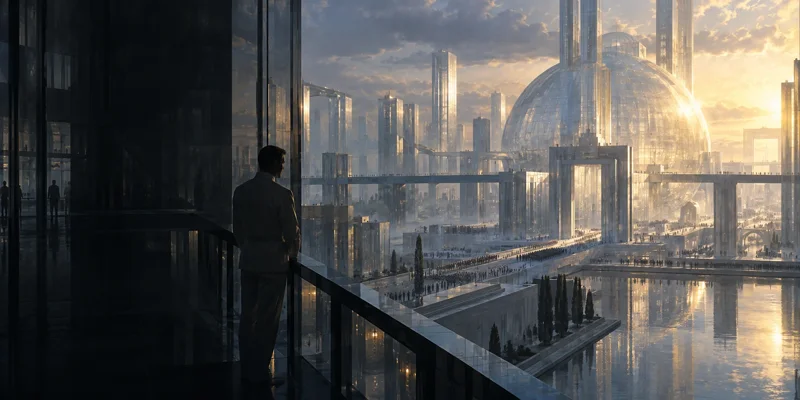
Julian West has not been awake long in the year 2000 when his host, Dr Leete, hands him a piece of pasteboard. It is printed with a sum in dollars and a grid of little squares. When you buy something, Leete explains, the clerk pricks out squares to the value of your purchase. West is holding what the novel calls, plainly and repeatedly, a credit card.
Looking Backward, 2000–1887 was published in Boston in January 1888, and Merriam-Webster dates the first known use of “credit card” to that year. Edward Bellamy’s novel is the source usually given. The term appears again and again in the book, and Bellamy thinks through how such a card would work with a care that still surprises: what happens when it runs out, whether you can lend it, and what you do with it abroad.
How does the credit card work in Looking Backward?
Bellamy’s America of 2000 has no money, because it has no private trade. The nation owns every factory and shop, every citizen works in an “industrial army”, and everyone receives the same yearly share of what the country produces. Dr Leete describes the system in chapter nine:
A credit corresponding to his share of the annual product of the nation is given to every citizen on the public books at the beginning of each year, and a credit card issued him with which he procures at the public storehouses, found in every community, whatever he desires whenever he desires it.
Edward Bellamy, Looking Backward, 2000–1887 (1888)
The details are where it gets uncanny. Prices are still counted in dollars, which Leete calls an algebraical symbol rather than real money. The card is strictly personal and cannot be transferred. A citizen in difficulty can draw a limited advance on next year’s credit, though a heavy discount is charged to discourage it. Women hold cards on exactly the same terms as men. And a traveller in Europe can take an American card to an international office and exchange it for a German one, with the balance settled between the two nations.

Did Bellamy really predict the credit card?
In name, yes; in function, not quite. A modern credit card lets you borrow, and the lender profits from your debt. Bellamy’s card is closer to a prepaid debit card or a ration book: it holds your allowance for the year, and any balance you fail to spend simply returns to the general surplus. The point of it, in Bellamy’s eyes, was to abolish debt and profit, not to manage them.
Real charge cards arrived much later. Diners Club, founded in February 1950, was the first independent payment card company, and the cards in modern wallets grew out of ventures like it, not out of a novel. But Bellamy got the everyday experience right: a personal card, a record kept by a central authority, and purchases made without any coins changing hands.
What else did Looking Backward imagine?
Quite a lot, some of it startlingly close. Music plays live around the clock in the city’s concert halls and is piped into every home by telephone for a small fee, with a choice of four programmes at the touch of a button. Sermons arrive the same way. Shoppers inspect samples in district stores while goods are dispatched from vast central warehouses. Citizens retire at forty-five.
Other forecasts aged less well. The industrial army, with its ranks and its universal service, troubles modern readers more than it troubled Bellamy, and his socialism without class conflict looks serene to the point of naivety. William Morris disliked the book enough to answer it with his own, gentler utopia, News from Nowhere, in 1890.

Why was Looking Backward so popular?
Because it arrived at the right moment. America in the 1880s was a place of strikes, slums and monopolies, and Bellamy offered a calm, prosperous future that seemed to need no revolution to reach. The book sold in the hundreds of thousands and became one of the great American best-sellers of its century. Readers founded Nationalist Clubs, well over a hundred of them, to campaign for its ideas.
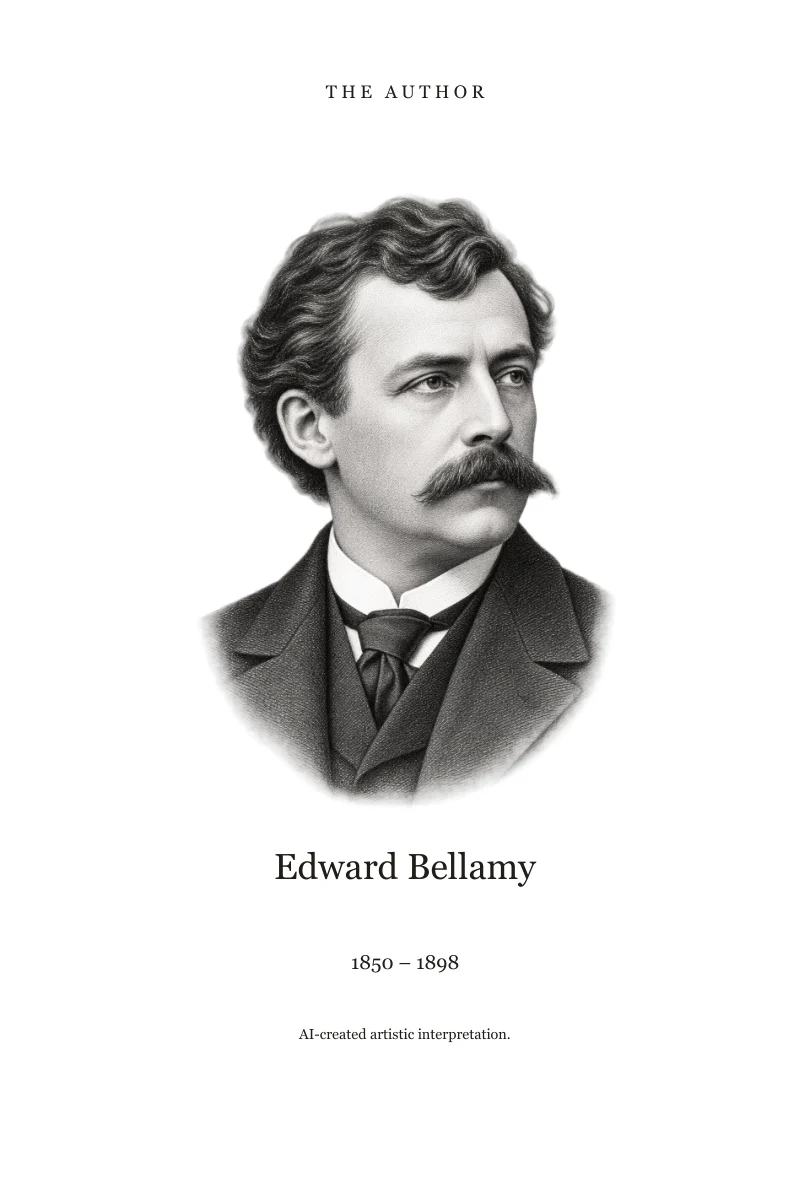
Bellamy, born in Massachusetts in 1850, followed it with a sequel, Equality, in 1897, and died the next year. The novel he left is part sermon and part science fiction, framed by a romance and a twist that arrives near the end. Its plot is thin; its conversation is often gripping. You will find yourself checking, chapter by chapter, which of its guesses came true.
Looking Backward, 2000 to 1887
1888. A Bostonian sleeps for 113 years and wakes in a moneyless, cooperative America. The book that gave us the phrase “credit card” and launched a political movement.
Utopia
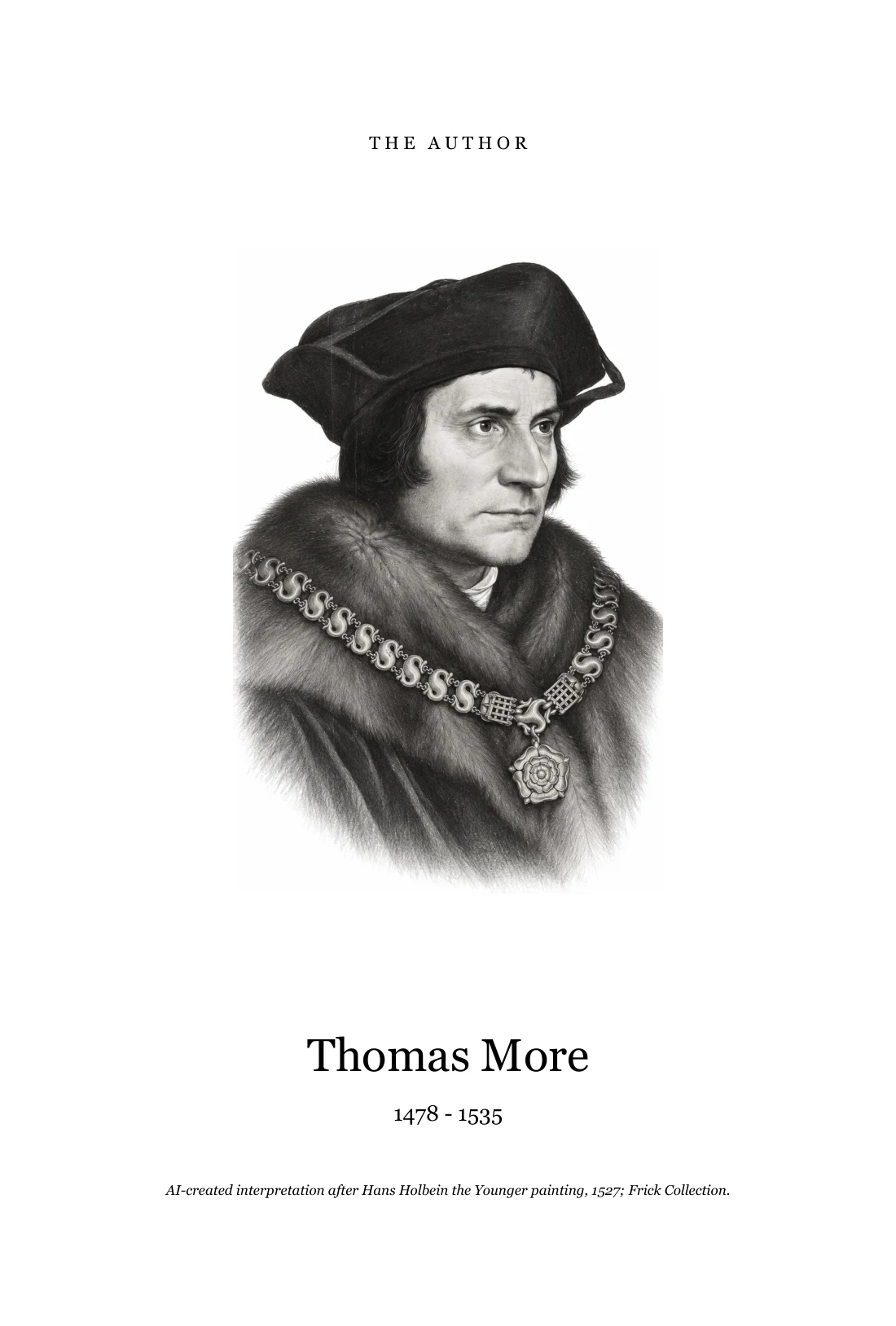
Thomas More’s 1516 dialogue gave the whole genre its name. Bellamy’s Boston is in many ways More’s island, rebuilt with telephones and department stores.
The Sleeper Awakes
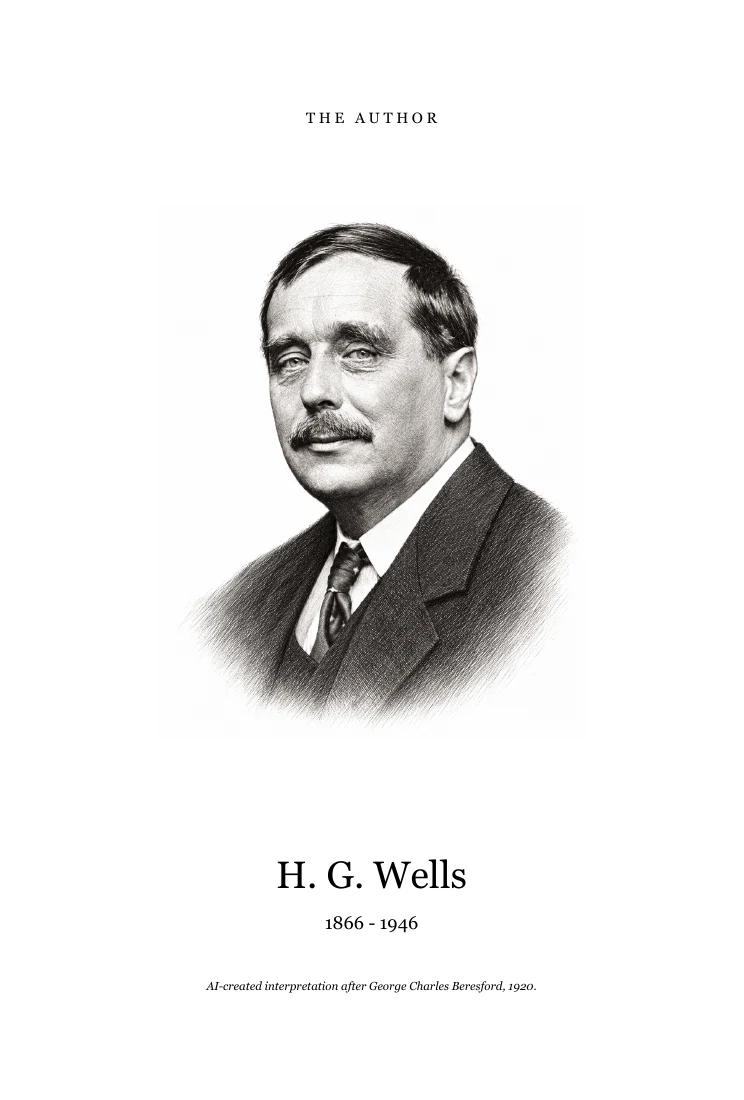
H. G. Wells’s answer to the sleeper story: a man wakes two centuries on to find the future has gone badly wrong. A darker mirror to Bellamy.


Where to go next
Bellamy has company in Classic books that predicted the future, and his tradition is traced in Utopian classics: perfect worlds on paper and A short history of utopian fiction. For the darker side, see Dystopian novels written before Nineteen Eighty-Four.
Then take the card from Dr Leete yourself. Looking Backward is short, brisk and argumentative, and its chapter nine is the best place in nineteenth-century fiction to watch a novelist invent a piece of everyday life.
Questions readers ask
Which book first mentioned the credit card?
Edward Bellamy’s utopian novel Looking Backward, 2000–1887, published in 1888, is usually cited as the first use of the term. Its citizens use a personal card to draw their yearly share of the nation’s goods.
Was Bellamy’s credit card like a modern one?
Only partly. It was more like a prepaid card holding a fixed yearly allowance, with no interest or private lender. Unspent credit returned to the nation, and advances on the next year were discouraged.
What is Looking Backward about?
A wealthy Bostonian is put into a hypnotic sleep in 1887 and wakes in the year 2000 to find the United States transformed into a cooperative society without money, poverty or private business.