A classics reading challenge works best with a little structure and a lot of freedom. Ours has twelve prompts, one for each month of 2027, and a suggested book for each. Follow our picks, or use the prompts and choose your own. The aim is a year of reading you actually enjoy, not a list you abandon in February.
We have arranged the months with care. The year opens with a short book to build momentum, saves the longest and hardest reads for summer and the dark days of November, and ends where many readers like to end a year: with Dickens at Christmas.
The 2027 classics reading challenge: twelve months, twelve books
- $12.99
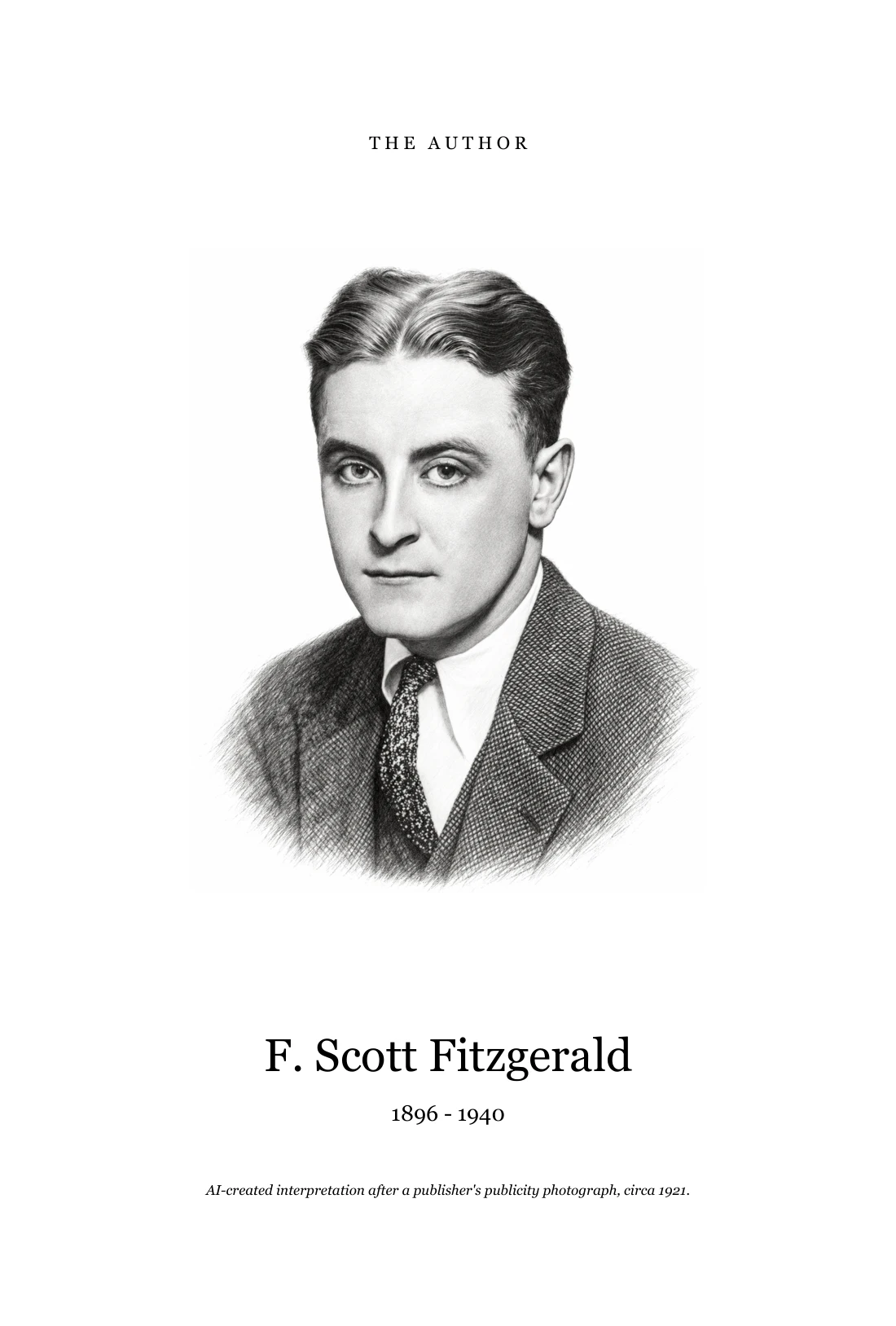
The Great Gatsby
January: a short novel to start strong. Fitzgerald’s Jazz Age tragedy can be read in a weekend and discussed for a year.
- $18.99
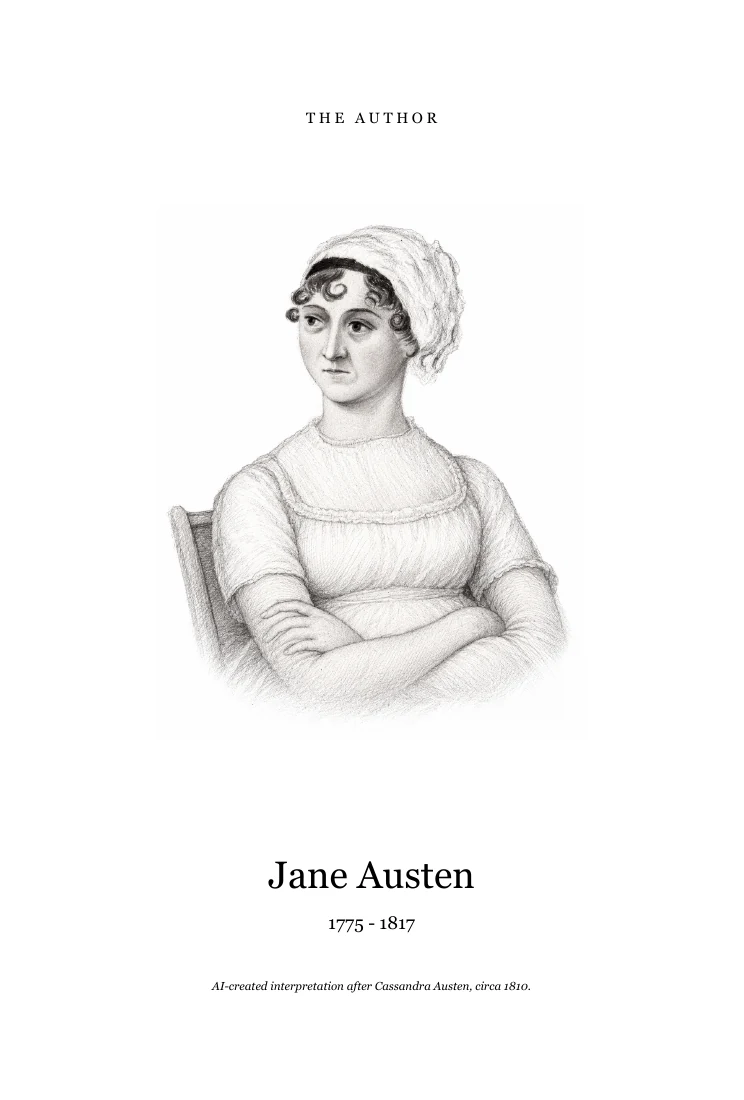
Pride and Prejudice
February: a love story. Austen’s best-loved novel, ideal for Valentine’s month and funnier than its reputation.
- $14.99
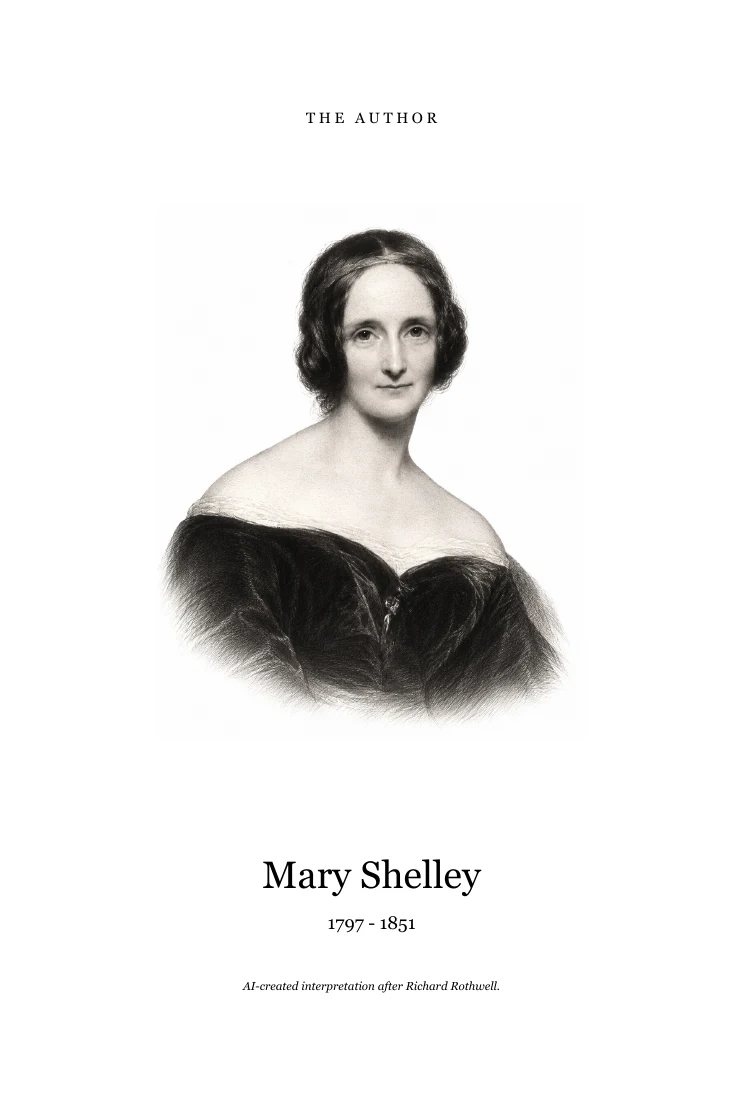
Frankenstein
March: a book its author began as a teenager. Mary Shelley was eighteen when she started Frankenstein.
- $15.99
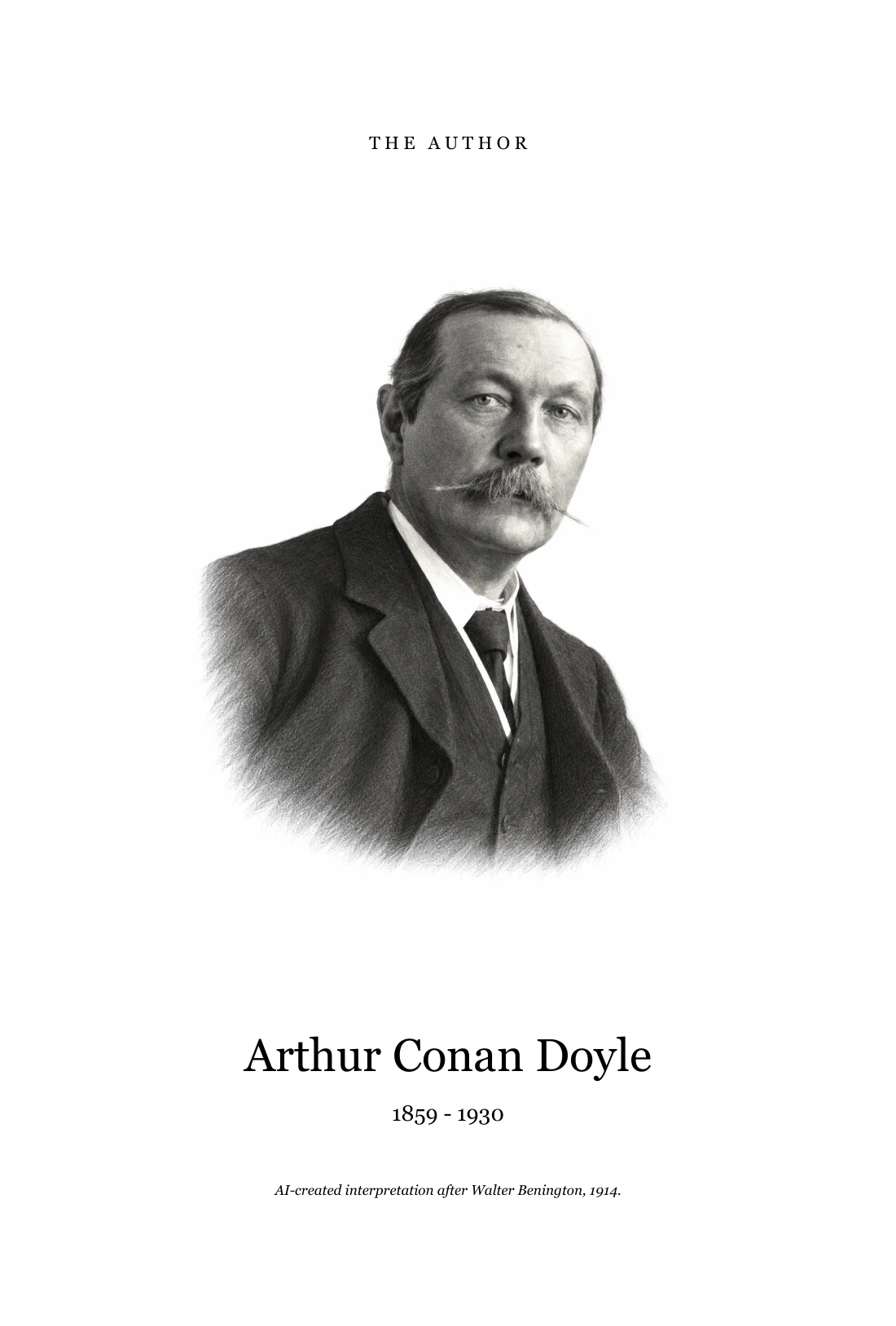
The Adventures of Sherlock Holmes
April: a book of short stories. Twelve Sherlock Holmes cases, one for each evening you can spare.
- $11.99
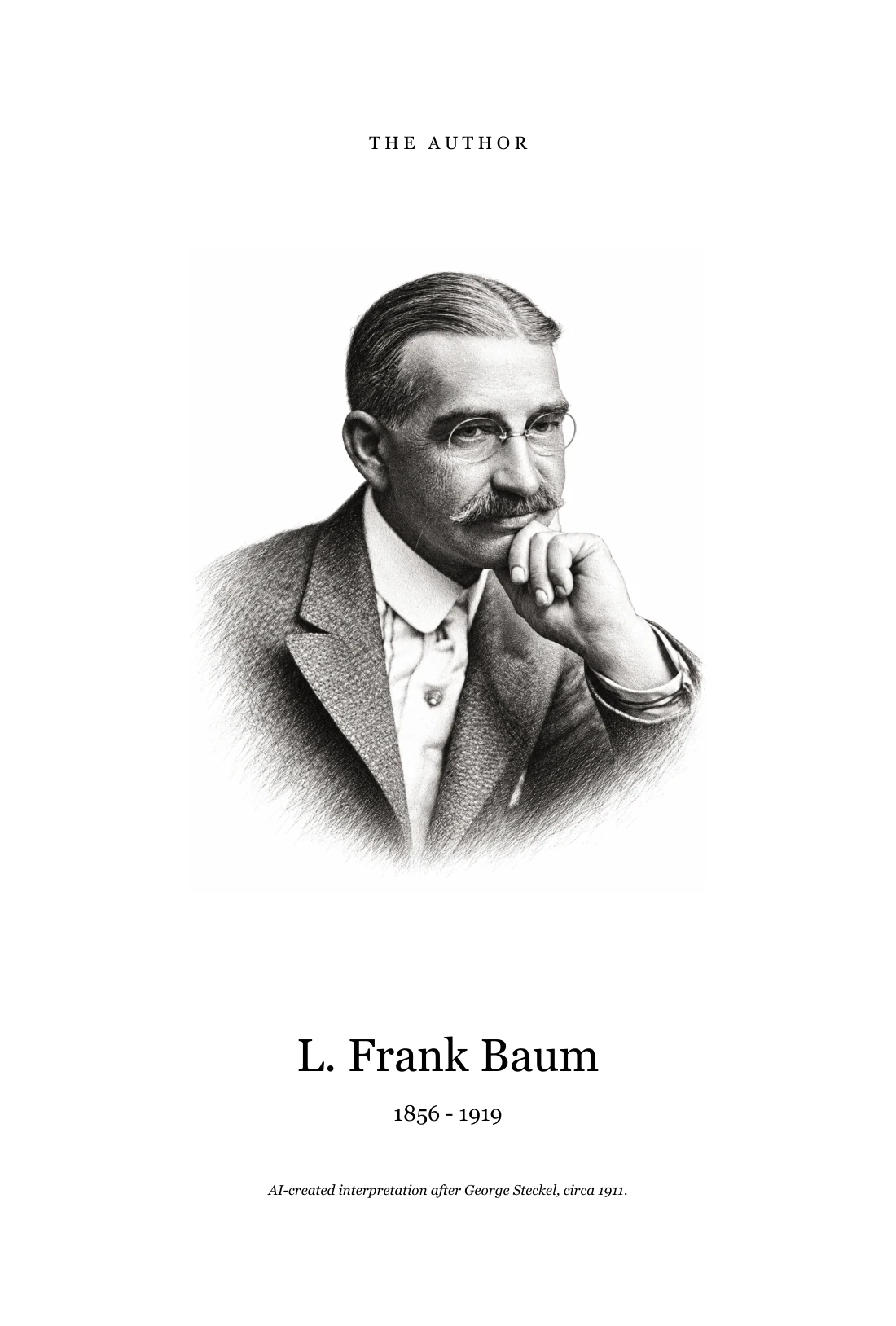
The Wonderful Wizard of Oz
May: a children’s classic you never read. Baum’s original is stranger and funnier than the film.
- $29.99
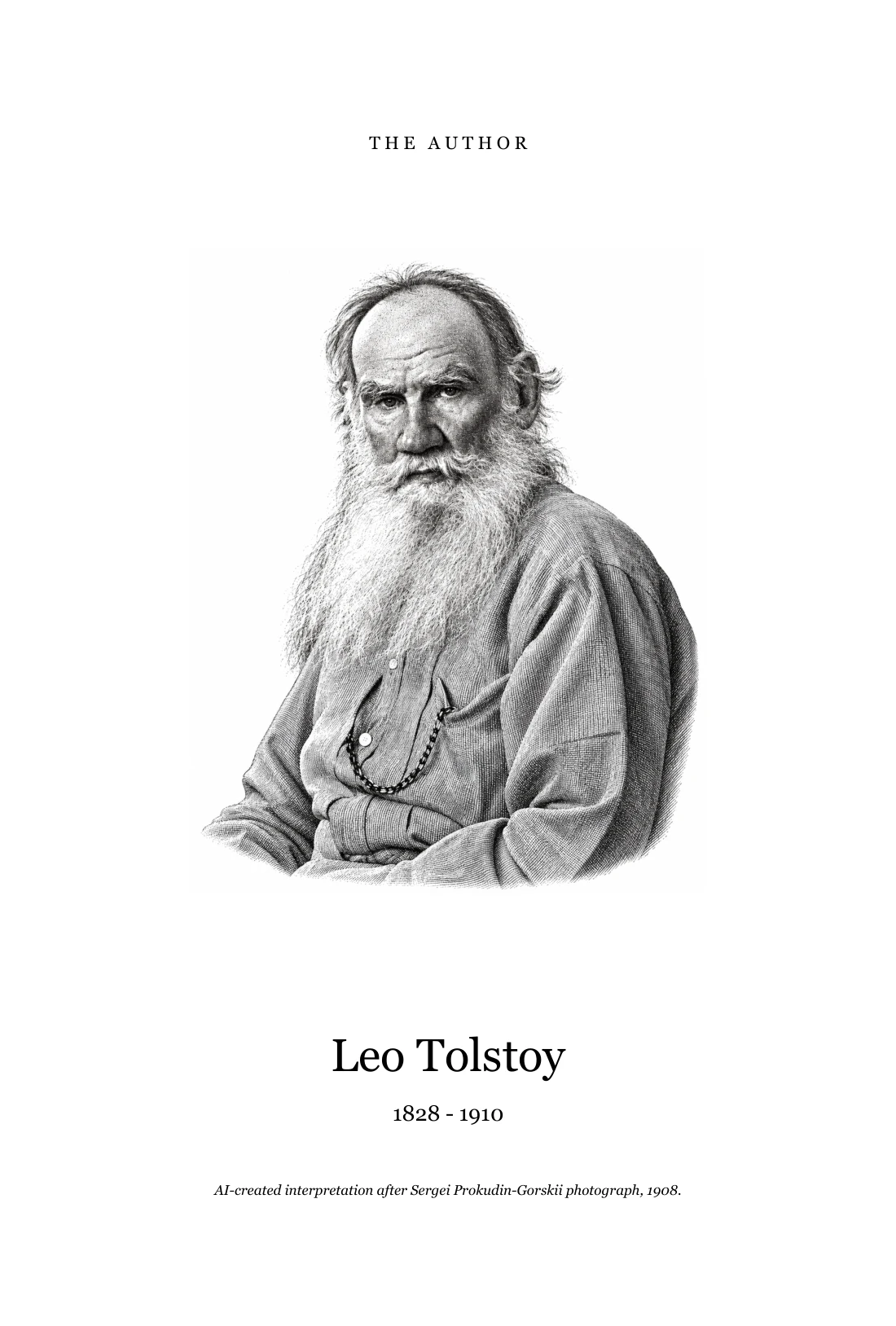
Anna Karenina
June: a novel in translation. Tolstoy for the long evenings of midsummer.
- $24.99
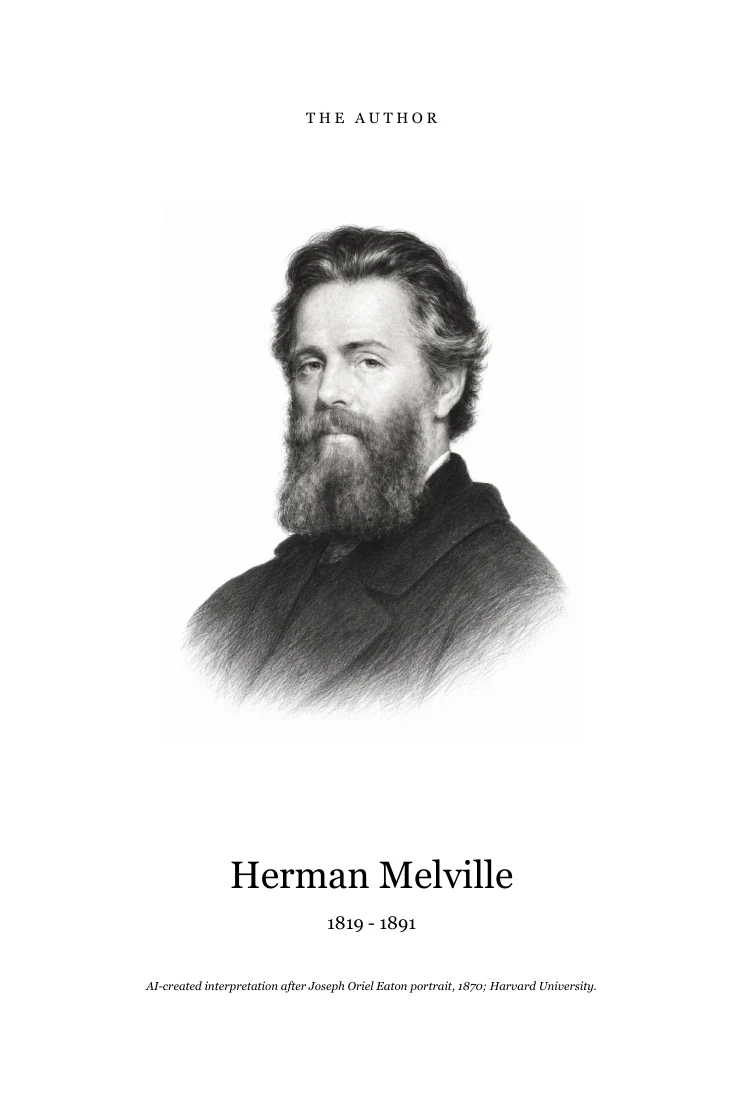
Moby-Dick
July: a book set at sea. Melville’s whale is the great summer project; take it to the coast.
- $11.99
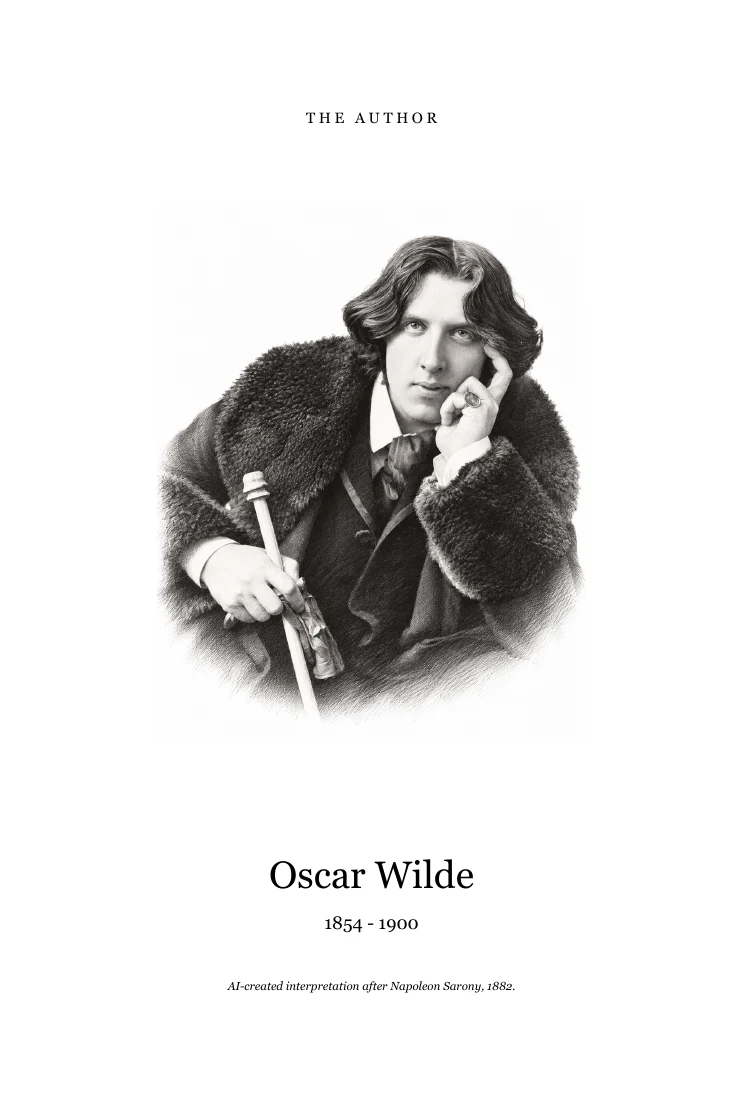
The Importance of Being Earnest
August: a play. Oscar Wilde’s comedy reads in an afternoon and leaves you quoting it for days.
- $11.99
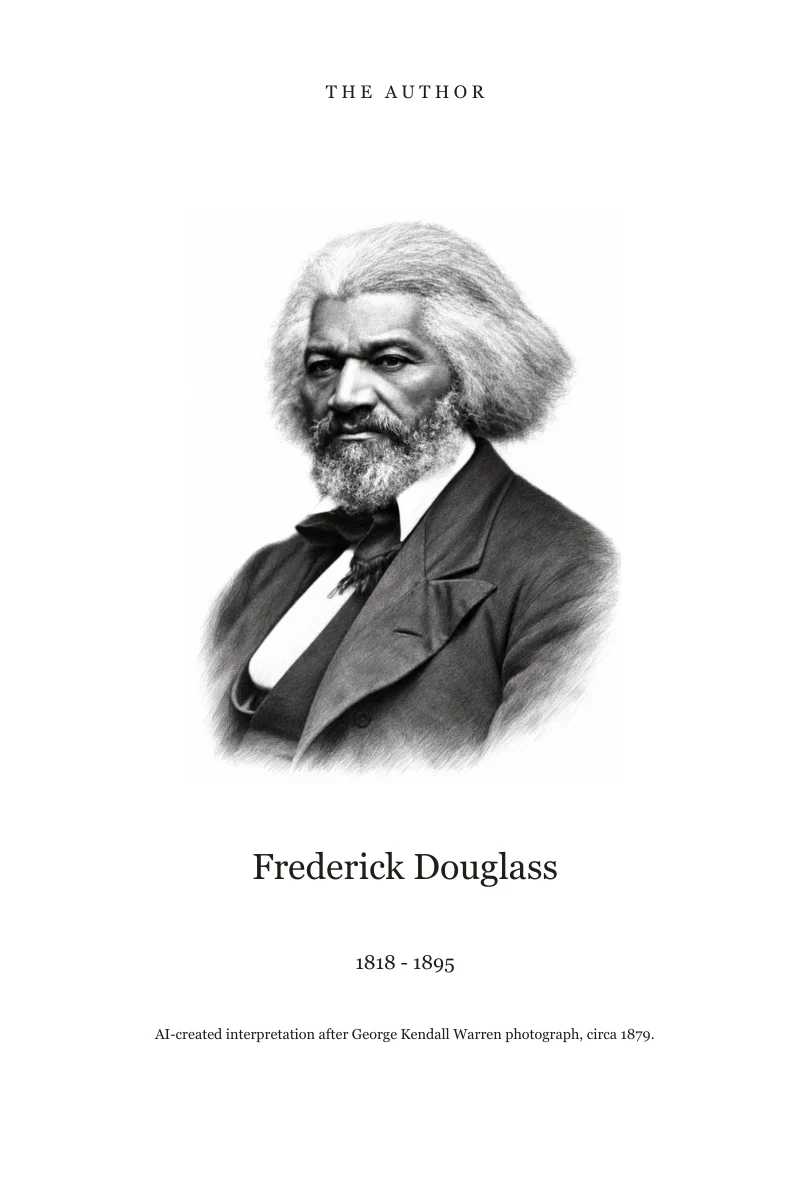
Narrative of the Life of Frederick Douglass, an American Slave
September: a memoir. Frederick Douglass’s account of his life in slavery and his escape, published in 1845.
- $20.99
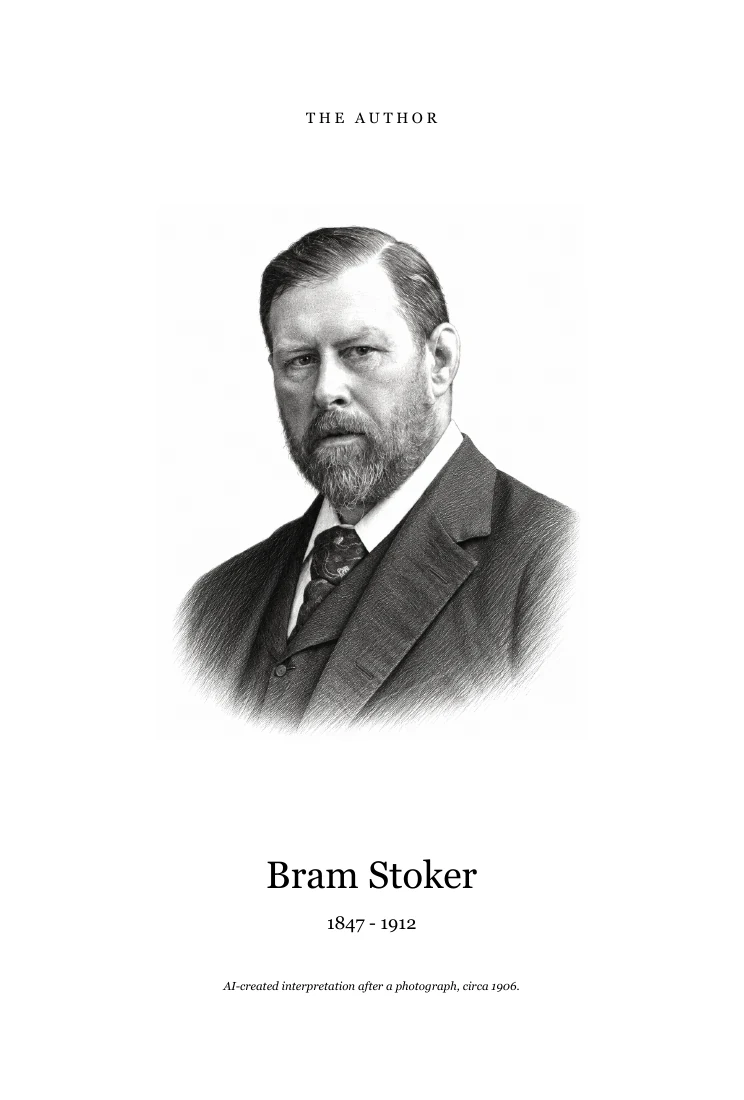
Dracula
October: something frightening. Dracula, told in letters and diaries, for the month of Halloween.
- $19.99
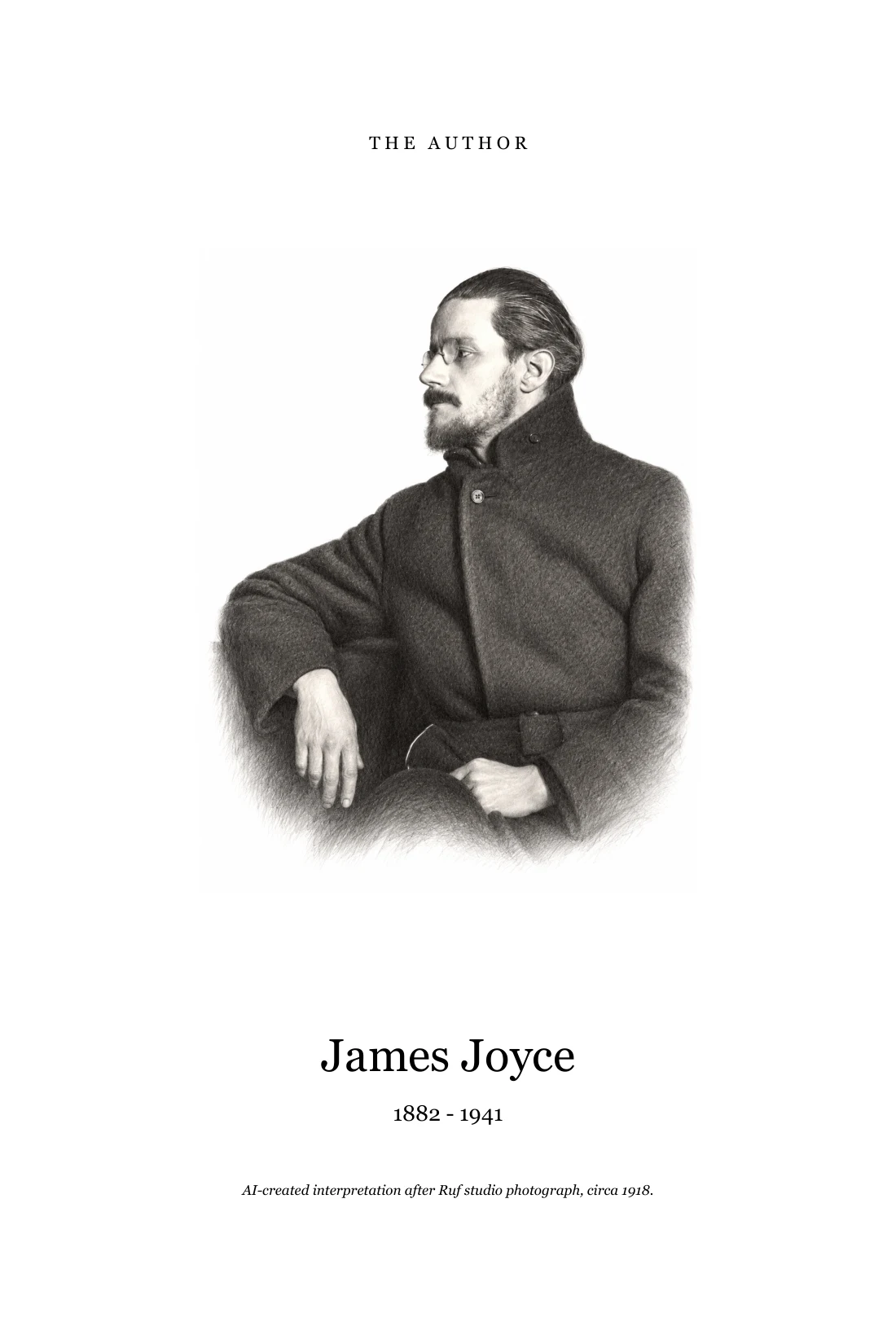
Ulysses
November: the book you’ve been avoiding. Joyce’s Ulysses, set on a single Dublin day, for the long nights of November.
- $10.99
A Christmas Carol
December: a Christmas book. Finish the year with Scrooge, in a book you can read on Christmas Eve.


How the classics reading challenge works
- Read one book a month. If you finish early, start the next; if you fall behind, skip a month without guilt.
- Use the prompt, not just the pick. If you have already read Frankenstein, choose another book whose author started young.
- Long books get long months. Anna Karenina, Moby-Dick and Ulysses sit in months with fewer distractions or longer evenings.
- Read with someone. A friend, a book group or a family member doing the same challenge gives you someone to talk to, and a reason to keep up.
Easier and harder swaps
Not every month will suit every reader. If a pick feels too heavy, swap it for something lighter on the same theme; if you want a stretch, go the other way.
- Too long in June? Try Fathers and Sons, a shorter Russian novel, instead of Anna Karenina.
- Not ready for Moby-Dick? Treasure Island is a sea story you can finish in a few evenings.
- Prefer to save Ulysses for later? Read Joyce’s Dubliners in November and keep the big one for next year. Our guide on how to read Ulysses will help when you’re ready.
- Want a harder October? Swap Dracula for the Gothic classic that started it all, The Castle of Otranto, and then read both.

Tips for finishing a classics challenge
The commonest reason a reading challenge stalls is a single book that drags. Give each book fifty pages; if it still isn’t working, move on and come back later. Classics are patient. They will still be there.
Short books are your friend. A month with a long novel can be balanced with one of the classics you can read in one evening, and a month that goes badly can be rescued with one. If you are new to older books altogether, our guide to how to get into classic literature has more advice.
And keep a record. A line or two in a notebook after each book, even just what surprised you, turns twelve separate books into a year you can look back on.
Start your 2027 classics challenge today
There is no need to wait for the first of January. The Great Gatsby is short enough to begin on New Year’s Eve and finish on New Year’s Day, and it ends with one of the most famous closing lines in American fiction. That is as good a place as any to begin a year of reading.
Questions readers ask
What is a classics reading challenge?
A classics reading challenge is a plan to read a set number of classic books over a year, often with a monthly theme or prompt. Ours suggests one classic for each month of 2027.
How many classics should I read in a year?
Twelve, one a month, is a realistic goal for most readers. Mixing short books with long ones makes it far easier to keep going.
What classic should I read first?
Start with something short and gripping, such as The Great Gatsby, A Christmas Carol or Frankenstein, before moving on to longer novels.