

Thomas More made the word from the Greek ou, ‘not’, and topos, ‘place’. In English it sounds exactly like eutopia, ‘good place’, and More, who had a lawyer’s love of a double meaning, was well aware of it. His traveller who describes the island is called Raphael Hythloday, a name that can be read as ‘expert in nonsense’, and one Utopian river is the Anydrus, or ‘Nowater’.
So the first utopian novel winks at you on every page. The books that followed took the idea in every direction: socialist cities, gardens without machines, a world government of volunteers and a country of women. Here are the classic utopian novels in the order they appeared, with a note on what each one dreams of and what it quietly leaves out.
- 1516
Thomas More’s Utopia is published in Latin
- 1726
Gulliver reaches the land of the rational horses, the Houyhnhnms
- 1888
Edward Bellamy’s Looking Backward becomes an American bestseller
- 1890
William Morris answers Bellamy with News from Nowhere
- 1905
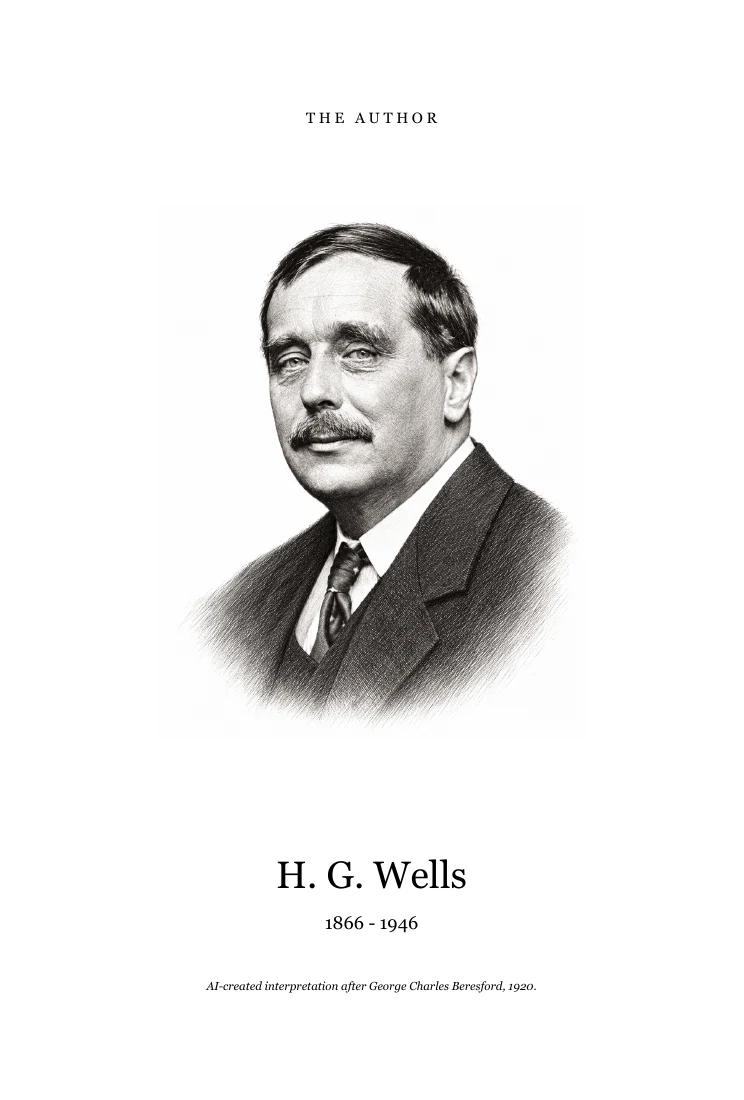
H. G. Wells publishes A Modern Utopia
- 1906
Wells imagines a comet that changes human nature overnight
- 1915
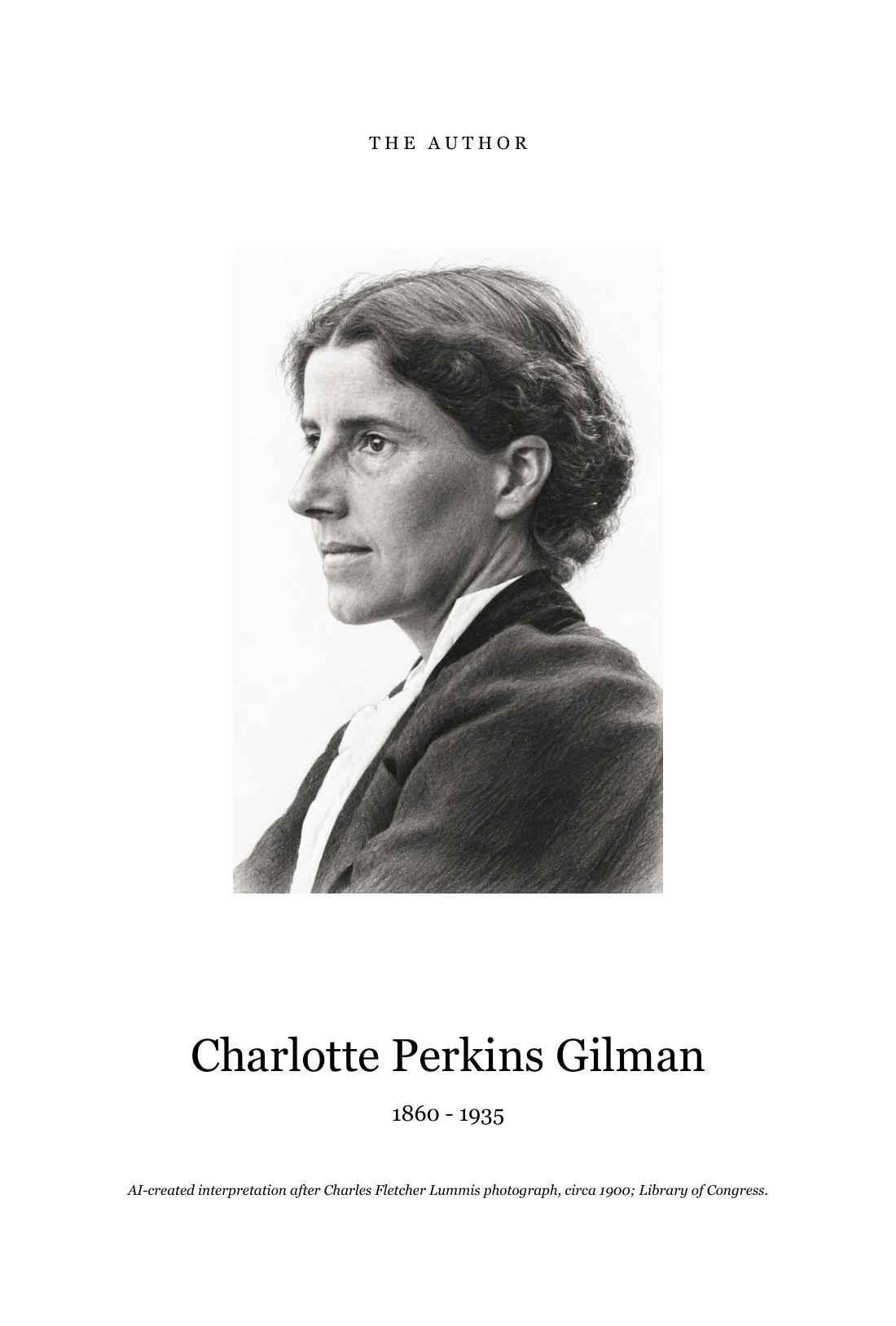
Charlotte Perkins Gilman serialises Herland in her own magazine
The utopian novels in order
- $11.99
Utopia
1516. A traveller describes an island where property is shared, everyone works six hours a day and gold is despised. More’s Utopia is half satire of Tudor England, half thought experiment, and scholars still argue about how seriously he meant it.
- $14.99
Gulliver's Travels
1726. In the fourth voyage Gulliver lives among the Houyhnhnms, horses governed entirely by reason, and comes home unable to bear the company of humans. Swift’s utopia is also his bleakest joke.
- $14.99
Looking Backward, 2000 to 1887
1888. Julian West falls into a hypnotic sleep in Boston in 1887 and wakes in the year 2000, in a peaceful, efficient socialist America. Dr Leete explains it all, credit cards included.
- $15.99
A Modern Utopia
1905. Two travellers find themselves on a twin Earth “out beyond Sirius”, ruled by a voluntary order Wells calls the samurai, and meet their own doubles. A utopia that argues with itself as it goes.
- $14.99
In the Days of the Comet
1906. A jilted young man is planning murder when a green comet passes through the atmosphere and changes something in the air. Humanity wakes up generous. Wells’s endorsement of free love caused a scandal.
- $12.99
Herland
1915. Three American men stumble on an isolated country where women have lived without men for two thousand years. Gilman’s comedy turns their assumptions inside out, one at a time.



What do utopian novels actually describe?
Usually, the end of money. In More’s island, gold is used for the meanest objects so that no one will covet it: the Utopians “make their chamber-pots and close-stools of gold and silver”, in Gilbert Burnet’s translation. Bellamy goes further, replacing cash with an annual allowance on a card.
“A credit corresponding to his share of the annual product of the nation is given to every citizen on the public books at the beginning of each year, and a credit card issued him with which he procures at the public storehouses, found in every community, whatever he desires whenever he desires it.”
Dr Leete, in Edward Bellamy, Looking Backward, 2000 to 1887 (1888)
Bellamy’s cards work more like debit cards than credit cards, but the phrase has stuck to him. His book sold enormously, and more than 160 Bellamy or Nationalist Clubs sprang up in the United States to discuss its ideas. We look at its predictions in Did you know an 1888 novel imagined the credit card?
The blind spots of perfect worlds
Every utopia has an edge where the paint runs out. More’s island keeps slaves, chained, the book says, in fetters of the same despised gold. Wells’s samurai are an elite, however voluntary. Gilman’s Herland is admirable in many ways but is built on a eugenic idea of breeding a better people, which modern readers find hard to share. Reading them now is less about agreeing than about asking, as each writer did, what we would change and what it would cost.
Dystopias grew out of the same argument. Wells’s own When the Sleeper Wakes (1899) borrows the long-sleep device and wakes its hero two centuries on into a nightmare London, and the books in our list of dystopian novels before 1984 are often arguments with the dreamers here. The whole story is told in The history of utopian fiction.

Which utopian novel should you read first?
For wit and brevity, Herland: it is short, very funny about its three explorers, and still provocative; more on its author in Charlotte Perkins Gilman’s books. For the founding text, Utopia itself, which runs to little more than a hundred pages. For the strangest reading experience, A Modern Utopia, in which H. G. Wells keeps interrupting his own dream.
But begin, if you can, where the word began. Thomas More’s Utopia is the island every later dreamer sailed towards, and it is still worth landing on.
Questions readers ask
What is the first utopian novel?
Thomas More’s Utopia (1516) gave the genre its name and is usually treated as its founding work, though earlier books such as Plato’s Republic describe ideal societies.
What does utopia mean?
More coined it from Greek words meaning ‘no place’. In English it sounds the same as ‘eutopia’, ‘good place’, a pun More himself pointed out.
What are the best classic utopian novels?
Utopia by Thomas More, Looking Backward by Edward Bellamy, News from Nowhere by William Morris, A Modern Utopia by H. G. Wells and Herland by Charlotte Perkins Gilman are the essential classics.