
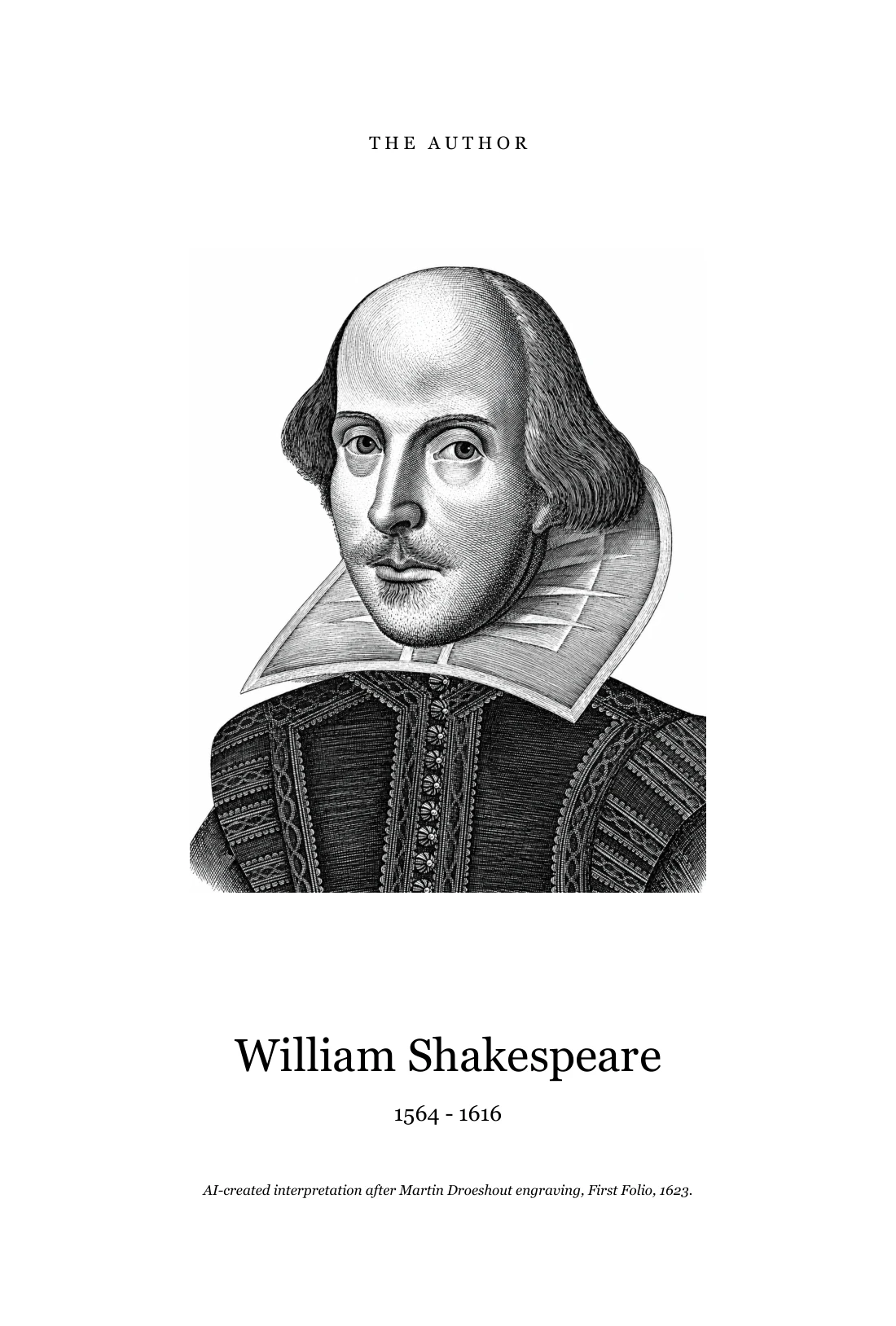
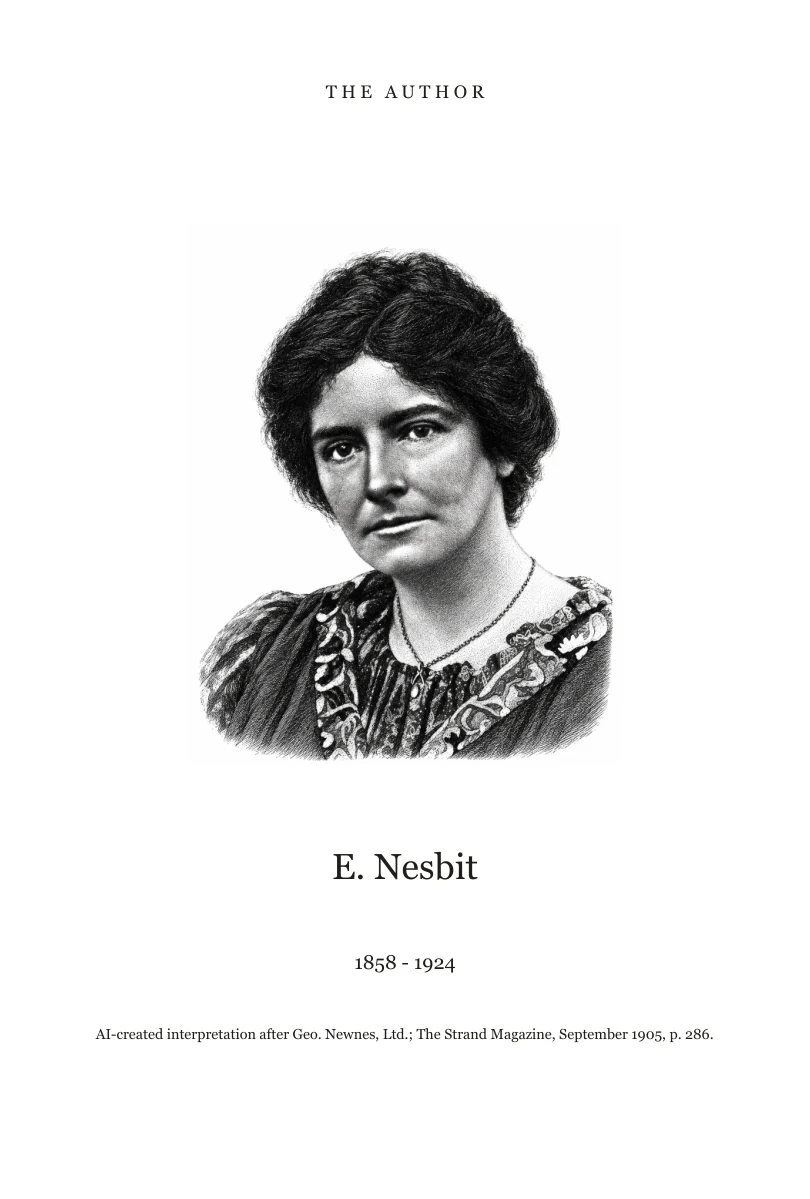
There are no kings of England in E. Nesbit’s Shakespeare. Beautiful Stories from Shakespeare (1907) retells twenty plays, from A Midsummer Night’s Dream to All’s Well That Ends Well, and none of them is a history: no Henry V, no Richard III, and no Romans either. What Nesbit chose instead were the plays with the strongest stories, the comedies, romances and great tragedies, told in plain prose that a child can follow and a parent can read aloud without stumbling.
It was her second go. Nesbit first retold Shakespeare for children in The Children’s Shakespeare, a book of twelve tales first published in 1897, and ten years later she expanded it into the twenty-story collection we know. By then she was famous for The Railway Children and the Psammead books, and the retellings share their virtues: brisk openings, clear villains and a narrator who sounds as though she is sitting on the end of the bed.
What is in Beautiful Stories from Shakespeare?
- Comedies and romances: A Midsummer Night’s Dream, The Tempest, As You Like It, The Winter’s Tale, Twelfth Night, Much Ado About Nothing, Pericles, Cymbeline, The Comedy of Errors, The Merchant of Venice, The Taming of the Shrew, Measure for Measure, The Two Gentlemen of Verona and All’s Well That Ends Well
- Tragedies: King Lear, Romeo and Juliet, Hamlet, Macbeth, Timon of Athens and Othello
Each story runs to a few pages, and Nesbit is unafraid to have opinions. In A Midsummer Night’s Dream, she explains that Helena could not see that it was not Hermia’s fault Demetrius loved her, “being very silly, like all jealous people”. And she begins Macbeth by separating the play from the history with a storyteller’s wink.
When a person is asked to tell the story of Macbeth, he can tell two stories. One is of a man called Macbeth who came to the throne of Scotland by a crime in the year of our Lord 1039, and reigned justly and well, on the whole, for fifteen years or more. This story is part of Scottish history. The other story issues from a place called Imagination; it is gloomy and wonderful, and you shall hear it.
E. Nesbit, “Macbeth”, *Beautiful Stories from Shakespeare*

How does Nesbit compare with Lamb’s Tales from Shakespeare?
Nesbit was following a famous example. Charles and Mary Lamb’s Tales from Shakespeare appeared in 1807, written “for the use of young persons”; Mary retold the comedies and Charles the tragedies. The Lambs keep close to Shakespeare’s own words and their prose is elegant but formal. Nesbit, writing a century later for a different kind of child, is quicker and chattier, closer to the voice of her own novels. For reading aloud to children under ten, most families will find hers easier going.
Shakespeare for kids: which play should children read first?
Once a child knows a story, the play itself is far less daunting, and the two best first plays are also the first two stories in Nesbit’s book. A Midsummer Night’s Dream has fairies, a love potion that goes wrong and a weaver who is given a donkey’s head; children love Bottom. The Tempest has an enchanted island, a magician, a spirit who can fly and a monster, and Nesbit’s version tells it with a fairy-tale opening: a wicked brother, a little boat and a loyal courtier who hides Prospero’s precious books aboard.
A good method is to read Nesbit’s story at bedtime, then watch or read a single scene of the play together the next day: the mechanicals’ rehearsal in the Dream, or Prospero telling Miranda who she really is. Ages eight to twelve are ideal for this.
A Midsummer Night’s Dream
Lovers lost in an enchanted wood, quarrelling fairies and the funniest amateur play in English. The ideal first Shakespeare play for children.
The Tempest
A magician, his daughter, a storm and an island full of noises. Shakespeare’s late romance, and the second play to try.



Is Beautiful Stories from Shakespeare suitable for young children?
Mostly, yes, from about seven. The comedies are a joy to hear. The tragedies keep their deaths, so Macbeth, Othello and King Lear are better for children of nine or ten, and parents may want to read Measure for Measure first themselves. The Merchant of Venice, like the play itself, turns on its portrait of the moneylender Shylock, and is worth talking through together.
To go further, try Which Shakespeare play should you read first?, How to read Shakespeare (and actually enjoy it) and Shakespeare’s comedies, ranked for first-time readers. Nesbit’s own novels are covered in Did you know E. Nesbit helped found the Fabian Society?, and you can browse every play on William Shakespeare’s page.
Start where E. Nesbit did, with Hermia and Lysander running away into the wood. Beautiful Stories from Shakespeare turns the most famous plays in English into twenty evenings of stories.
Questions readers ask
What is the best way to introduce Shakespeare to kids?
Start with the story before the play. A retelling such as E. Nesbit’s Beautiful Stories from Shakespeare lets children learn the plot, and then a single scene of the real play, read aloud or watched, is far easier to enjoy.
Which Shakespeare plays did E. Nesbit retell?
Beautiful Stories from Shakespeare (1907) retells twenty plays, including A Midsummer Night’s Dream, The Tempest, Twelfth Night, Romeo and Juliet, Hamlet and Macbeth. It includes no history plays.
What is the difference between Lamb’s Tales from Shakespeare and Nesbit’s version?
Charles and Mary Lamb’s Tales from Shakespeare (1807) is the classic retelling, close to Shakespeare’s language and fairly formal. Nesbit’s 1907 retellings are shorter, chattier and generally easier for young children.
What age is Shakespeare for kids suitable for?
Retellings work from about seven. Children of eight to twelve can enjoy scenes from comedies such as A Midsummer Night’s Dream and The Tempest, especially read aloud or performed.