
Four March sisters. Five little Peppers. Six motherless Carrs. One girl among seven boy cousins. Nineteenth-century American readers clearly could not get enough of big families, and after Little Women appeared in 1868 and 1869, writers obliged them for decades.
That makes books like Little Women easier to find than you might expect. The best of them share its particular mix: a family short of money but rich in each other, a heroine who is too loud or too proud or too impatient, and chapters that are each a small domestic adventure. Here are the ones we would hand to a March sisters fan, starting with the woman who wrote them.
More by Louisa May Alcott
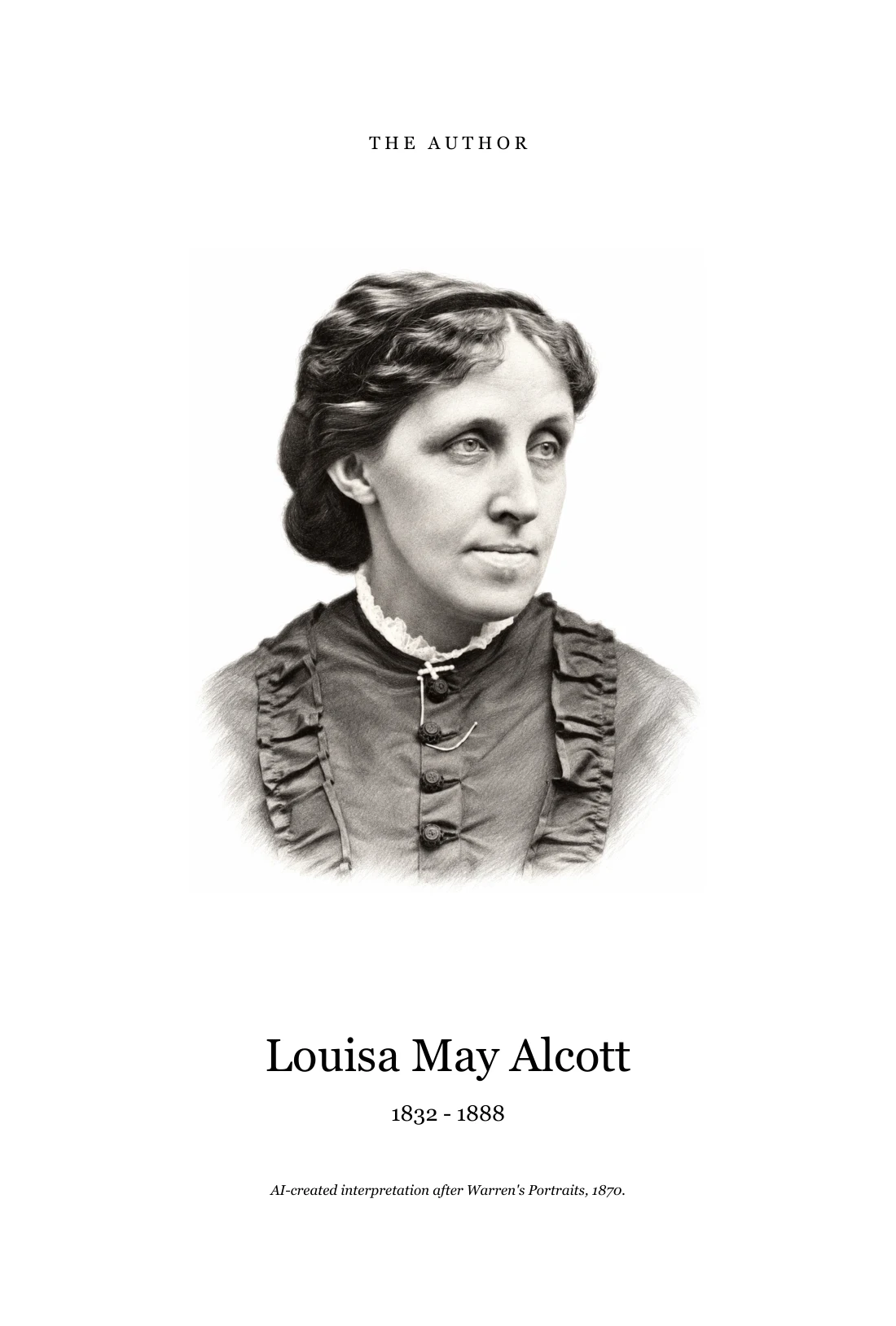
Louisa May Alcott had not wanted to write a book for girls at all, as we explain in Alcott didn’t want to write Little Women. Once it succeeded, her readers would not let her stop. The preface to her next novel admits as much.
As the first part of “An Old-Fashioned Girl” was written in 1869, the demand for a sequel, in beseeching little letters that made refusal impossible, rendered it necessary to carry my heroine boldly forward some six or seven years into the future.
Louisa May Alcott, preface to An Old-Fashioned Girl (1870)
An Old-Fashioned Girl
1870. Fourteen-year-old Polly, a country girl with no money for fashions, visits her rich friend Fanny’s family in Boston and quietly shows them how to love each other. Alcott’s most underrated novel. Ages 10 and up.
Eight Cousins
1875. Orphaned Rose Campbell is handed over to her Uncle Alec, six aunts and seven boisterous boy cousins. Funny, warm and full of opinions about girls’ health. Ages 9 and up.


An Old-Fashioned Girl is the closest in feel to Little Women. Polly Milton is a sort of country Meg with Jo’s backbone: poor, cheerful and unimpressed by fashion, she becomes the one person in the Shaw household that everyone confides in. The second half jumps forward to Polly as a young woman earning her living as a music teacher in the city, which is where it most resembles Good Wives.
Eight Cousins is lighter. Uncle Alec, a doctor who has sailed half the world, takes charge of his ward with startling ideas for 1875: no coffee for breakfast, loose clothes instead of tight belts, plenty of running about outdoors. The cousins are a riot, and Rose’s sequel, Rose in Bloom, follows her into society. See Eight Cousins and Rose in Bloom for both. One caution: two Chinese visitors from Uncle Alec’s travels, Whang Lo and Fun See, are described with the pigtails-and-slanting-eyes stereotypes of the day.

The other big families
Five Little Peppers and How They Grew
1881. A widowed mother and five children in a little brown house, with almost nothing to eat and a great deal of love. Polly Pepper is the March sister who never complains. Ages 7 to 11.
What Katy Did
1872. Katy Carr, the eldest of six, presides over a motherless household of games, plots and a secret woodland the children call Paradise, until an accident turns her life inside out. Ages 8 to 11.


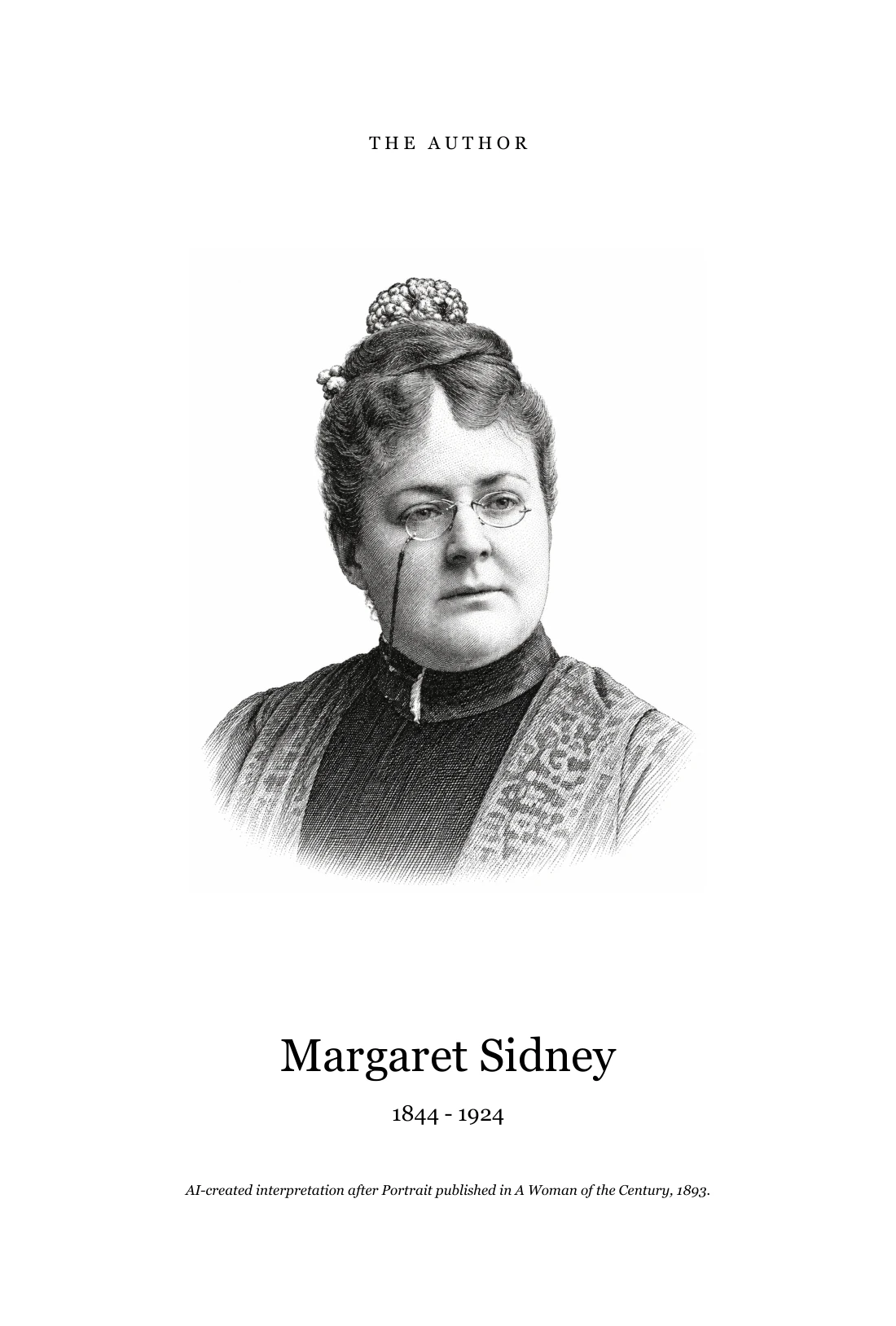
Margaret Sidney’s Five Little Peppers and How They Grew is the poorest family here, and for younger readers the most direct heir to the Marches’ Christmas without presents. Polly, Ben, Joel, Davie and little Phronsie make a birthday cake for “Mamsie” in an oven that barely works, and when measles go through the house, Polly’s eyes are so badly affected that she has to keep them bandaged. A rich boy, Jasper King, changes their fortunes. It is sentimental in a way modern children often love, and there are eleven more Pepper books; see the Five Little Peppers books in order.
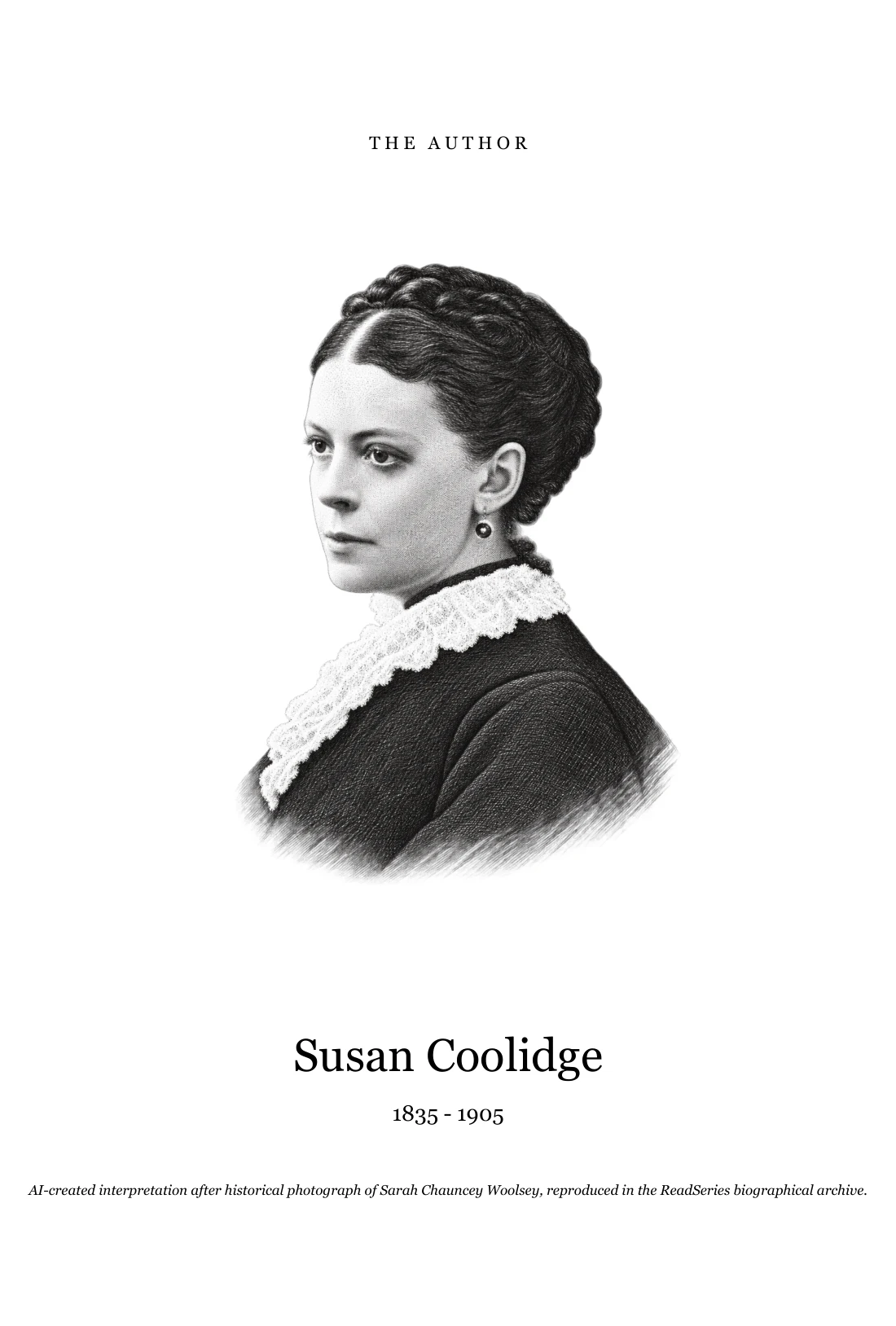
Susan Coolidge based the Carr children on her own brothers and sisters, and it shows in the first half of What Katy Did, which is a joyous record of sibling games. The second half is about Katy’s years as an invalid after she falls from a swing she had been told not to use, and Jo March fans tend to recognise the heroine who has to learn to be patient. More in What Katy Did.
Books like Little Women, by age
- Ages 7–9: Five Little Peppers and How They Grew, read aloud.
- Ages 8–11: What Katy Did and Eight Cousins.
- Ages 10 and up: An Old-Fashioned Girl, then Little Men for more of Jo herself.
- Teenagers who loved the grown-up Jo: Alcott’s sensational stories, covered in Alcott’s secret thrillers.
Two things to know about all of these books. They were written to improve their readers, and every one of them pauses now and then for a lesson in patience, thrift or modesty. And they assume a world where girls grow up to marry, even when, like Polly and Rose, they are allowed to argue about it first. Most young readers skim the sermons and keep the families. For more Alcott, see Louisa May Alcott’s books for children and the guide to the Little Women sequels.
Begin with An Old-Fashioned Girl. It was written while Little Women was still new, it has the same warmth and the same eye for what money does to families, and Polly Milton is a heroine Jo March would have liked enormously.
Questions readers ask
What books are similar to Little Women?
Books like Little Women include Louisa May Alcott’s own An Old-Fashioned Girl, Eight Cousins and Little Men, Margaret Sidney’s Five Little Peppers and How They Grew, and Susan Coolidge’s What Katy Did.
What did Louisa May Alcott write after Little Women?
After Little Women (1868–69) she wrote An Old-Fashioned Girl (1870), Little Men (1871), Eight Cousins (1875), Rose in Bloom (1876), Under the Lilacs, Jack and Jill and Jo’s Boys, along with many short stories.
What age is Five Little Peppers for?
It suits children of about seven to eleven, and works well read aloud to younger ones. It is gentle and sentimental, with a family illness and some hard times but nothing frightening.