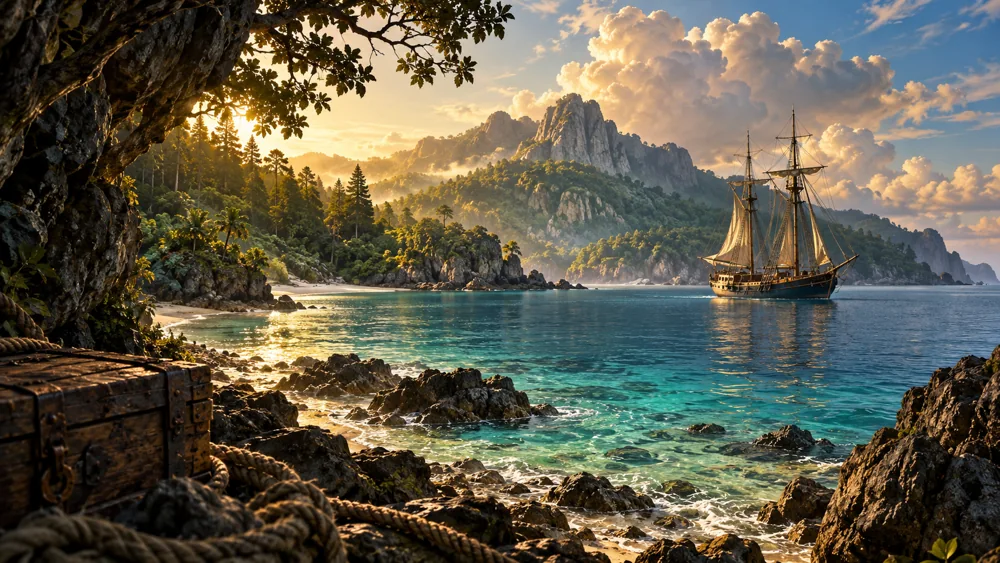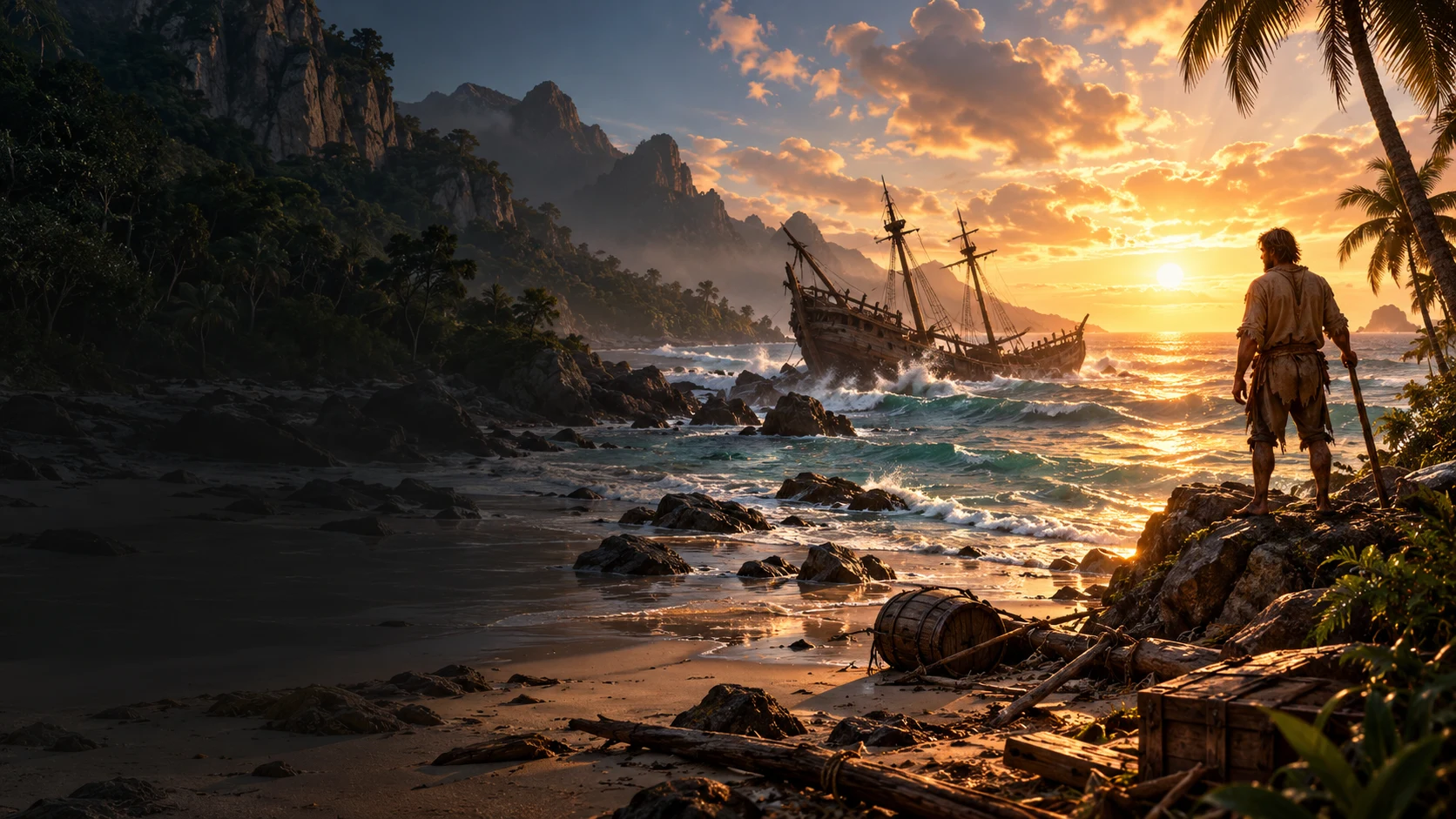
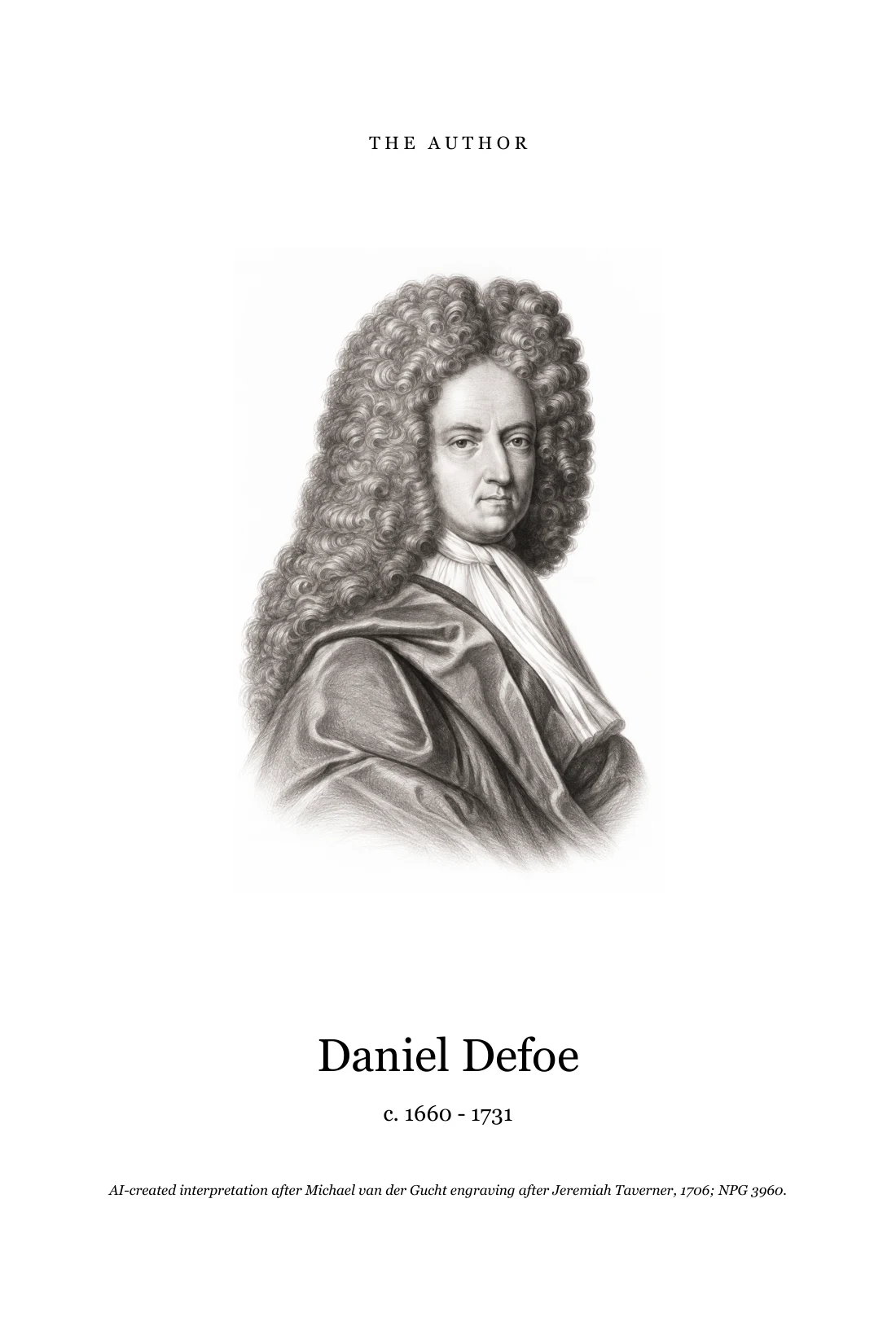
Is Robinson Crusoe a true story? Not exactly, but it very probably owes something to one. In 1704 a Scottish sailor named Alexander Selkirk was put ashore, at his own request, on an uninhabited island in the Pacific, about four hundred miles off the coast of Chile. He lived there alone until 1709. His rescue made him briefly famous in London, and ten years later Daniel Defoe published the most famous castaway story ever written.
Defoe never said he had based Crusoe on Selkirk, and his hero’s story is very different. But the parallels are strong enough that Selkirk has been called the real Robinson Crusoe for three centuries.
Who was Alexander Selkirk?
Selkirk was born in 1676 in Lower Largo, a fishing village in Fife, and went to sea young. In 1703 he joined a privateering expedition to the Pacific led by the explorer William Dampier, serving as sailing master on a ship called the Cinque Ports.
By the following year the ship was leaking and Selkirk was quarrelling with its captain. When they stopped at the island of Más a Tierra, in the Juan Fernández group, he declared he would rather stay there than sail on in an unsound ship. The captain took him at his word. Selkirk is said to have changed his mind as the boat pulled away, but it was too late. By most accounts, he was right about the ship, which sank not long afterwards.
How did Selkirk survive?
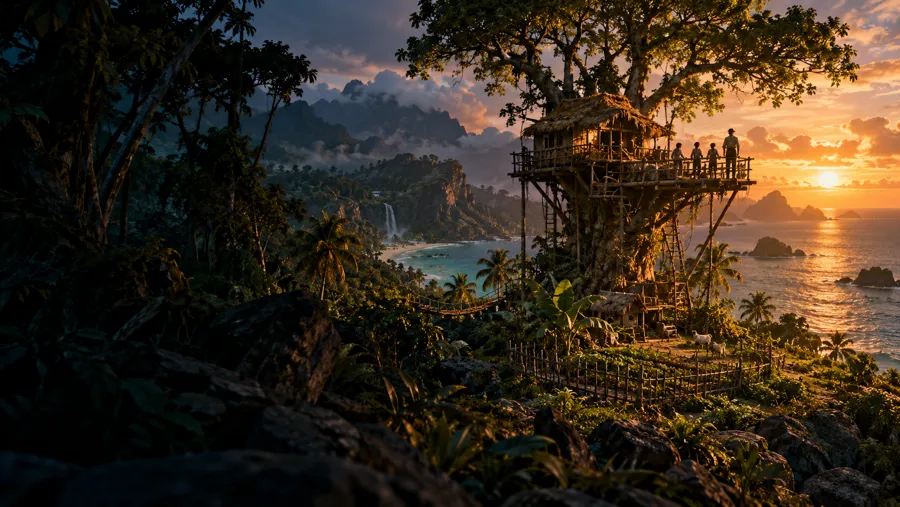
Selkirk had a musket, gunpowder, tools, a Bible and some clothes. When his clothes wore out, he dressed in goatskins. According to the men who rescued him, he lived in huts he built himself, ate goat meat, crayfish and wild turnips, and became so fast on his feet that he could run down goats. Rats, brought by visiting ships, plagued him at night, so he tamed the island’s feral cats to keep them off. He read his Bible, sang psalms and, by his own account, became a better Christian than he had ever been.
In February 1709 two British privateering ships under Woodes Rogers, with Dampier now aboard as pilot, anchored at the island and found him. He had been alone for four years and four months, and at first could barely speak for lack of practice. Rogers’s account of the rescue was published in 1712, and the essayist Richard Steele interviewed Selkirk and wrote about him the following year.
How is Robinson Crusoe different from Selkirk’s story?
Defoe moved the island from the Pacific to the Caribbean, near the mouth of the Orinoco, and wrecked his hero there rather than marooning him. Crusoe spends not four years but twenty-eight on his island, and his story is a long spiritual and practical journey: salvaging the wreck, building a fortified home, farming, making pots, keeping a journal, finding God, and, in one of the most famous moments in fiction, discovering a single human footprint in the sand.
Selkirk’s was probably not the only story Defoe knew. Accounts of other castaways circulated at the time, and scholars have suggested several possible sources. What Defoe added was the novel itself: the detailed, first-person, practical realism that made readers believe Crusoe had really lived, and that leads many to call it one of the first English novels.
Modern readers also notice what else is in the book. Crusoe is shipwrecked on a voyage to buy enslaved Africans, and when he rescues the man he names Friday, one of the first words he teaches him is Master. The novel takes the attitudes of colonial Europe for granted, which is worth bearing in mind as you read.
Robinson Crusoe
1719. Shipwreck, solitude, a parrot, a goatskin umbrella and a footprint in the sand — the castaway story that started all the others.
The Swiss Family Robinson
1812. A Swiss family shipwrecked on a tropical island, written by a pastor for his own sons. The title tells you who inspired it.
The Coral Island
1857. Three boys marooned on a Pacific island — the cheerful adventure that later provoked Lord of the Flies.


What is Robinson Crusoe like to read today?
More absorbing than you might expect. The early chapters, before the shipwreck, can feel slow, but once Crusoe is ashore the book becomes a gripping manual of survival, full of practical problems solved one at a time. It suits readers who love survival stories, and older children who enjoy adventure, though the language takes some getting used to.
Crusoe inspired a whole genre, sometimes called the Robinsonade. Follow it in Did you know The Swiss Family Robinson was written for a pastor’s sons? and Did you know Lord of the Flies was written as an answer to The Coral Island?, or set sail for another island in Did you know Treasure Island began with a map?
Then go back to the beginning, with a young man from York who will not listen to his father’s advice to stay at home. Robinson Crusoe is still the story every castaway tale is measured against.
Questions readers ask
Was Robinson Crusoe a real person?
No, Crusoe is fictional. But his story is widely thought to have been inspired in part by Alexander Selkirk, a Scottish sailor who lived alone on a Pacific island from 1704 to 1709.
How long was Alexander Selkirk on the island?
About four years and four months. He was left there in 1704 and rescued in February 1709 by an expedition led by Woodes Rogers.
Where is Robinson Crusoe Island?
It is in the Juan Fernández Islands in the Pacific Ocean, about 400 miles off the coast of Chile. Selkirk knew it as Más a Tierra; Chile renamed it in 1966.
How long was Robinson Crusoe on his island?
In Defoe’s novel, Crusoe spends twenty-eight years on his island, which lies in the Caribbean near the mouth of the Orinoco river.