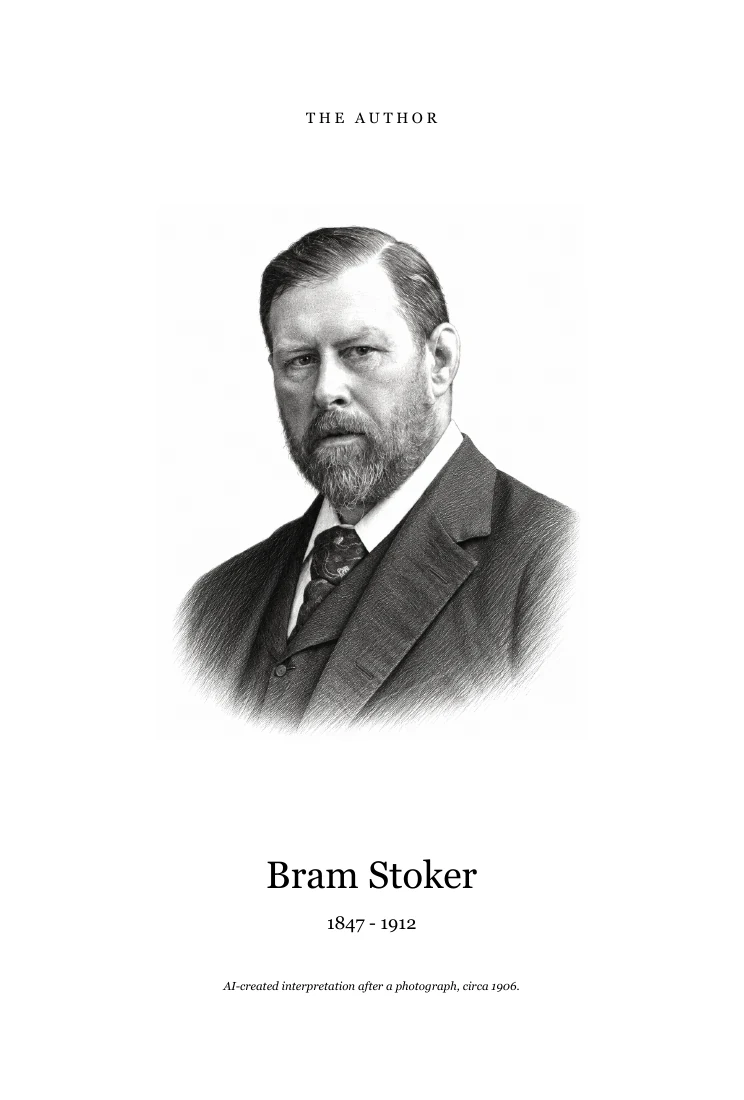
Bram Stoker wrote about a dozen novels, as well as short stories, a book of tales for children and a two-volume memoir of the actor Henry Irving. Much of it was written in the hours left over from his day job, running the business of London’s Lyceum Theatre. Only Dracula became truly famous, but several of the others are well worth your time, and two have gone on to horror-film lives of their own.
If you loved Dracula, go next to The Jewel of Seven Stars, his mummy novel, and then to The Lair of the White Worm for something much wilder. For an earlier, sunnier Stoker, try his first full-length novel, The Snake’s Pass.
What other books did Bram Stoker write?
Here are the best of his other books, in the order they were published.
- $15.99
The Snake's Pass
1890. An English traveller in the west of Ireland hears of treasure lost in a shifting bog, and falls for a local girl. Romance and adventure, with a touch of the uncanny.
- $20.99
The Mystery of the Sea
1902. On the Aberdeenshire coast, a man with second sight is drawn into a hunt for Spanish Armada treasure and a secret cipher. Stoker knew this coast well from his summer holidays.
- $14.99
The Jewel of Seven Stars
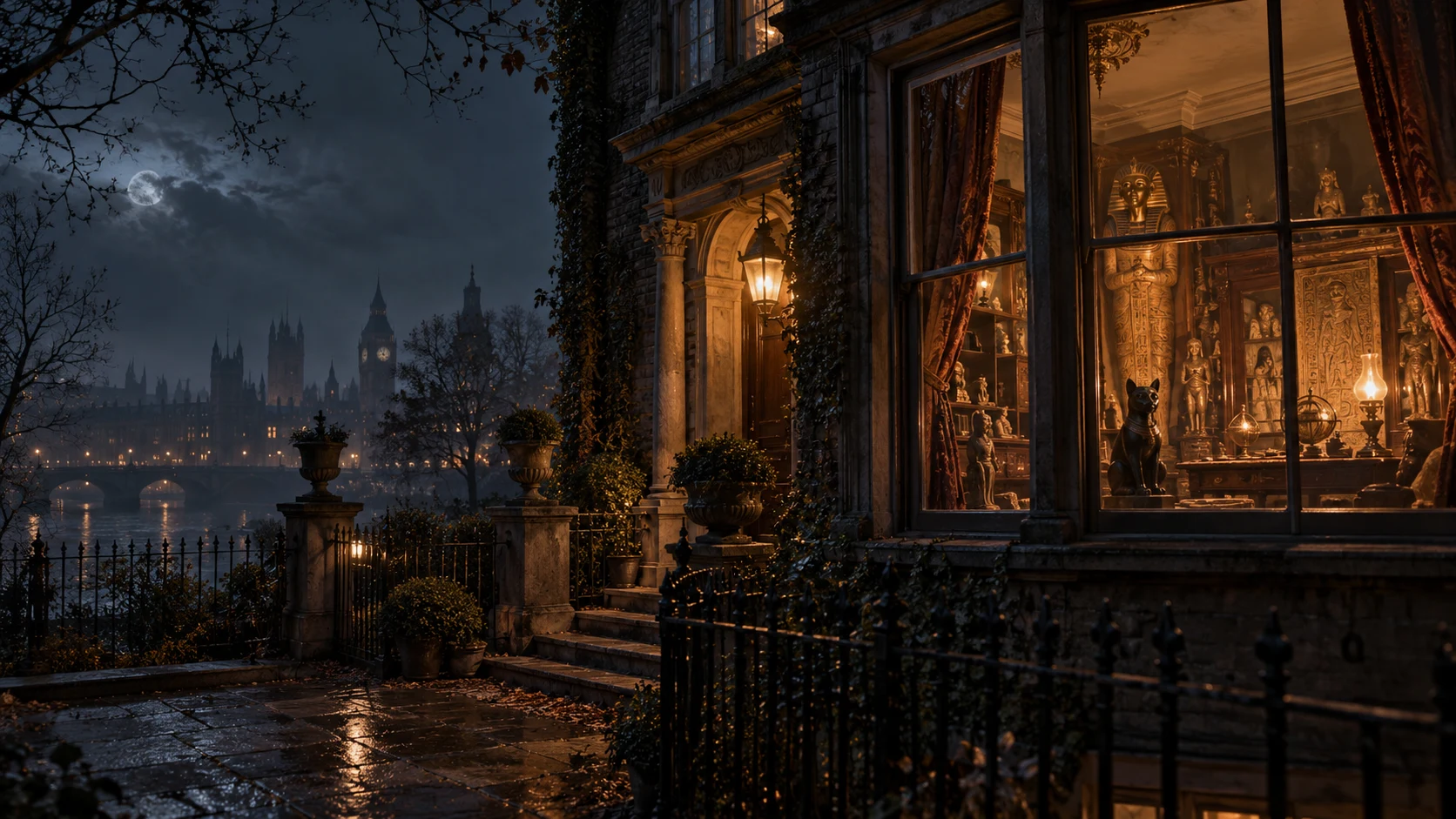
1903. An Egyptologist lies in a mysterious trance, and his daughter’s fate seems bound up with an ancient queen. Stoker’s mummy novel.
- $17.99
The Lady of the Shroud
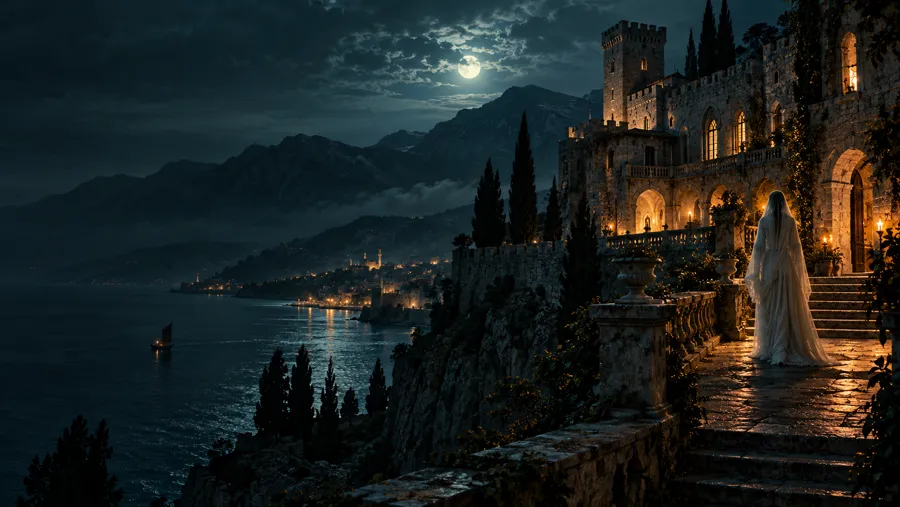
1909. The heir to a castle in the Balkans is visited at night by a pale woman in a burial shroud. Told through journals and letters, like Dracula.
- $13.99
The Lair of the White Worm
1911. Something ancient stirs beneath the English countryside. Stoker’s last novel: feverish, bizarre and much argued over.
- $12.99
Dracula's Guest
1914. Short stories gathered by Stoker’s widow, Florence, after his death. The title story is often said to be an episode cut from Dracula.


Which Bram Stoker book should I read after Dracula?
The Jewel of Seven Stars is the closest in spirit: a household under siege by something ancient, a circle of investigators keeping careful records, and a long build-up to a night of terrible experiment. The original 1903 ending is notoriously bleak, and a 1912 edition replaced it with a gentler one. We won’t say more. Hammer filmed the story in 1971 as Blood from the Mummy’s Tomb; for more tales of curses and tombs, see Mummies, curses and Egyptomania.
Dracula’s Guest is the easiest next step: short stories you can sample one at a time. The title piece, about an Englishman lost near Munich on Walpurgis Night, is widely believed to be a discarded opening for Dracula, and “The Judge’s House” is one of his most anthologised ghost stories. Be warned that one story, “The Squaw”, carries an ethnic slur in its title and attitudes to match. More in Did you know Dracula has a “lost” first chapter?
The strange case of The Lair of the White Worm
Stoker wrote his last novel in failing health, and it shows. The Lair of the White Worm is a fever dream of ancient serpents, hypnotic stares, mesmerism and a giant kite, so peculiar that it has become a cult favourite. Ken Russell turned it into a gleefully outrageous film in 1988.
It also contains a crude racist caricature in Oolanga, an African servant, that is ugly even by the standards of 1911. Read it as a fascinating late curiosity rather than a polished novel.
Stoker the storyteller
What links these books is Stoker’s love of a mystery that refuses to stay rational. His heroes are lawyers, doctors and engineers, modern men who take notes and trust evidence, and his plots force them to admit what evidence cannot explain. The Mystery of the Sea mixes codebreaking with second sight; The Lady of the Shroud builds a whole Gothic romance around a question it takes most of the book to answer.
The earlier books show a gentler side. The Snake’s Pass grew out of Stoker’s Irish roots, and it has more romance than horror, with a villain who is all too human. The Mystery of the Sea is set around Cruden Bay in Aberdeenshire, where Stoker spent many summers.
And Dracula remains the place to return to. If you haven’t yet noticed how ingeniously it is built, read Did you know Dracula is told entirely through letters and diaries?, and for its wider family tree, our list of the best Gothic novels.
Start with The Jewel of Seven Stars on a long winter night. It begins with an urgent summons in the small hours, and Stoker knew exactly what to do with that.
Questions readers ask
What books did Bram Stoker write besides Dracula?
About a dozen novels in all, including The Snake’s Pass, The Mystery of the Sea, The Jewel of Seven Stars, The Lady of the Shroud and The Lair of the White Worm, plus short stories collected in Dracula’s Guest.
What was Bram Stoker’s last novel?
The Lair of the White Worm (1911), published the year before his death in 1912.
Is Dracula’s Guest part of Dracula?
It is widely believed to be an episode cut from an early draft of Dracula, though scholars disagree about exactly how it fitted. Stoker’s widow published it in 1914 as the title story of a collection.
 Dracula414 pages · $20.99
 The Man298 pages · $16.99