
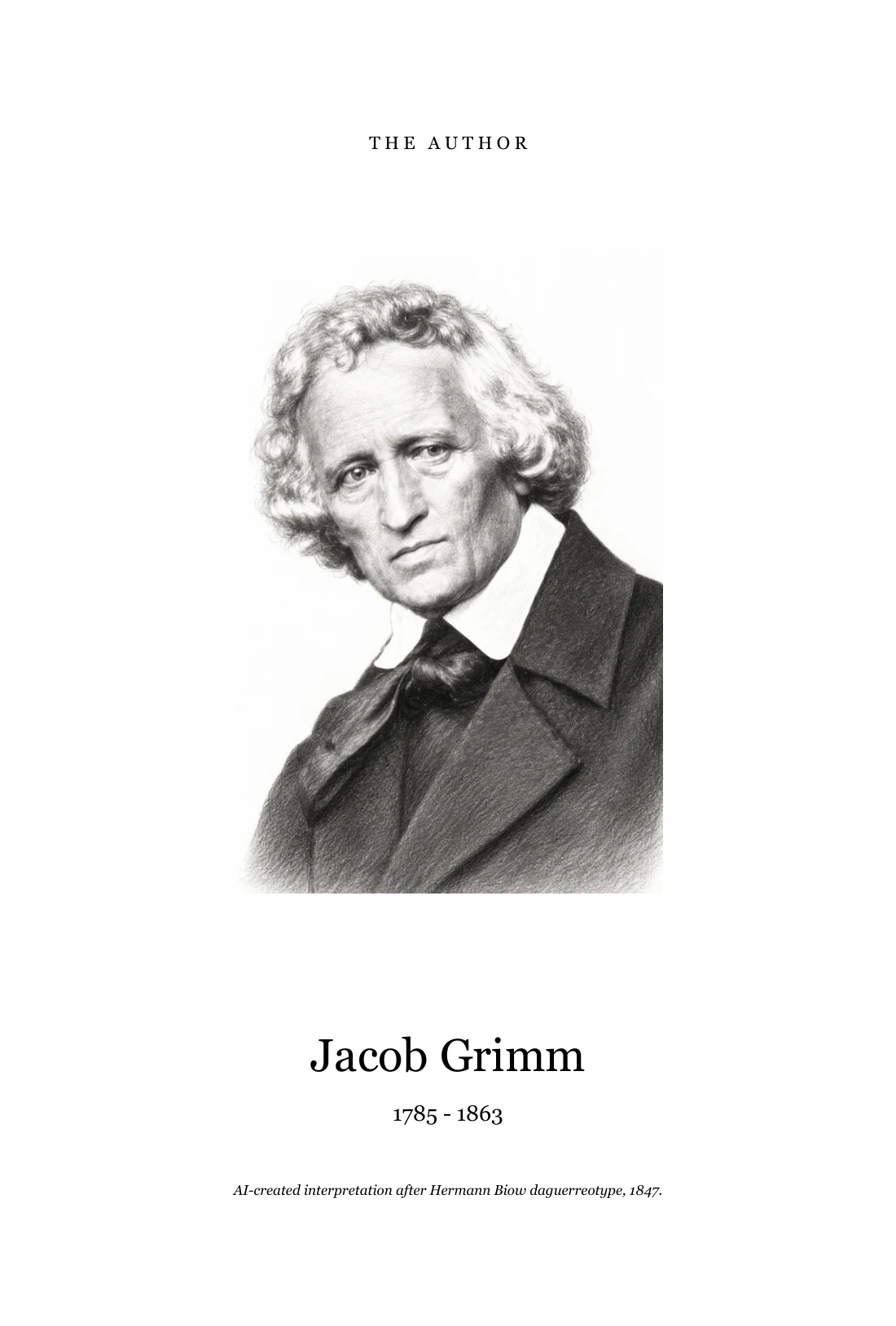
Yes, the original Grimm fairy tales are darker than the versions most of us grew up with. In the Grimms’ “Cinderella”, one stepsister cuts off her toe and the other her heel to squeeze into the shoe, and at the wedding, doves peck out their eyes. Snow White’s wicked queen is made to dance in red-hot iron shoes until she falls down dead.
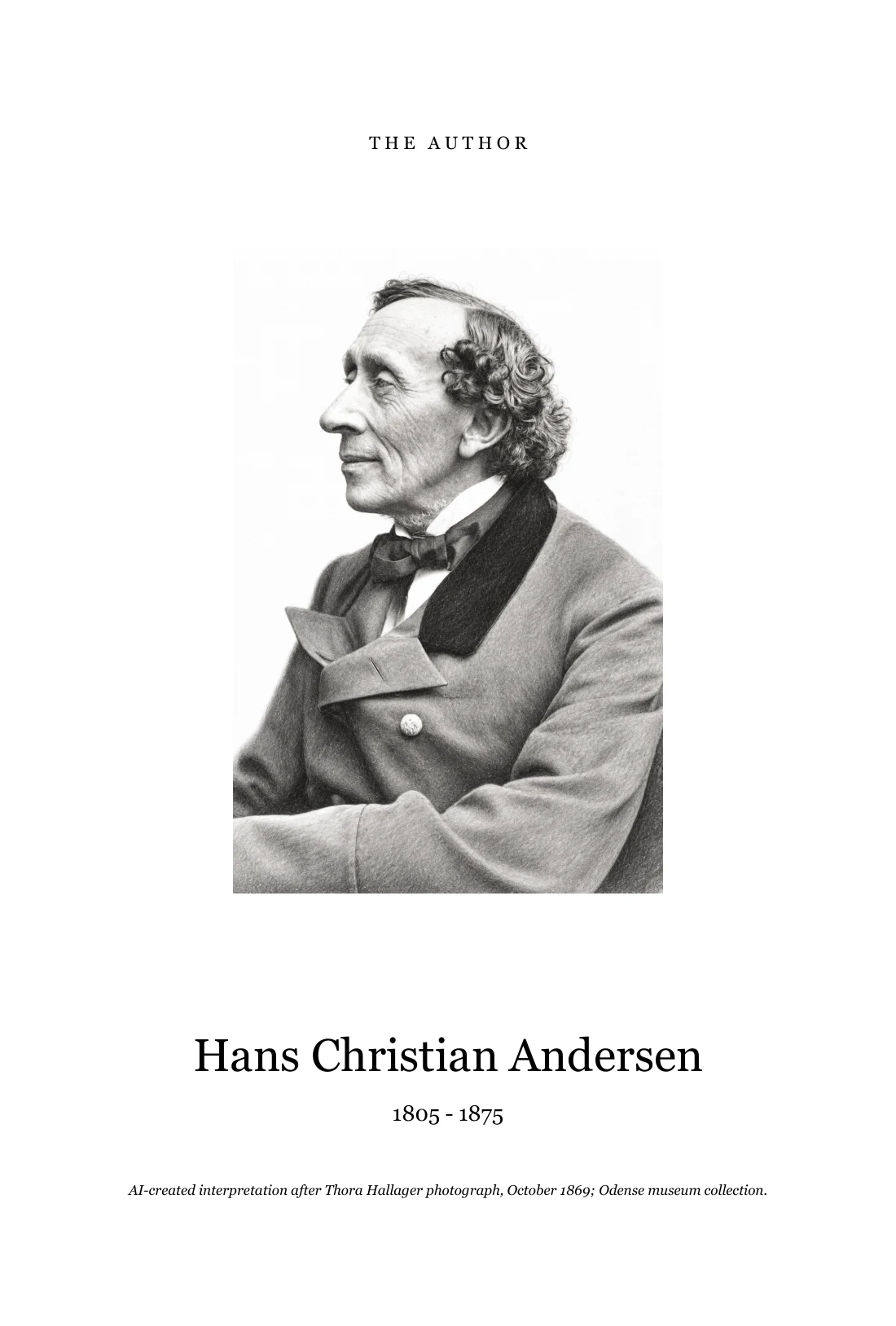
Hans Christian Andersen, writing a generation later, was dark in a different way. His stories are often about longing and loss, and several end in death. Knowing all this helps you choose which tales to read to which child, and it makes the stories more interesting, not less.
How dark were the original Grimm fairy tales?
Jacob and Wilhelm Grimm were scholars, not children’s authors. When they published the first volume of their Children’s and Household Tales in 1812, they wanted to preserve stories told in German homes, and the first edition read more like a folklore collection than a storybook. Over seven editions up to 1857, Wilhelm reworked the tales into something closer to what we know: smoother, more Christian in tone, and better suited to families.
Smoother did not always mean gentler. Wilhelm toned down anything to do with sex but kept the violence, and in places added to it. Some of the changes are revealing:
- In the first edition, the woman who abandons Hansel and Gretel in the forest is their own mother. In later editions she became a stepmother.
- Snow White’s persecutor was also her mother at first, and became her stepmother from the second edition onwards.
- In the first edition, Rapunzel gives her secret away by asking why her clothes are getting so tight. Later editions removed the hint that she is pregnant.
- The doves that blind Cinderella’s stepsisters were added in a later edition; they are not in the first.
Not every tale is grim. Many are funny, clever or simply strange, full of talking animals, lucky fools and generous strangers. But the tales were never cleaned up the way later picture books were. Wolves are cut open, witches burn in ovens, and wrongdoers are punished in ways that would not get past a modern editor.

Andersen: sadder, not just darker
Hans Christian Andersen did not collect folk tales; he wrote his own, and his own feelings run through them. His stories are less violent than the Grimms’, but often sadder. The little mermaid does not marry her prince: she gives up her voice for legs, feels as if she is treading on sharp knives with every step, and at the end dissolves into sea foam, though Andersen allows her a last hope among the spirits of the air.
The little match girl freezes to death on New Year’s Eve. In “The Red Shoes”, a vain girl who cannot stop dancing begs to have her feet cut off. Andersen meant these as moral and religious stories, and he did not flinch from their endings.
Not every Andersen tale ends badly. “The Emperor’s New Clothes” is pure comedy, and “The Snow Queen” is a long, brave adventure with a happy ending, in which a girl travels to the far north to rescue her friend.
The original Grimm fairy tales and Andersen to read
Grimms' Fairy Tales
The Grimm brothers’ tales in English. Short, fierce and often funny: the source of many of the fairy tales we know.
Andersen's Fairy Tales
Andersen’s literary fairy tales, more personal and more melancholy than the Grimms’.
The Blue Fairy Book
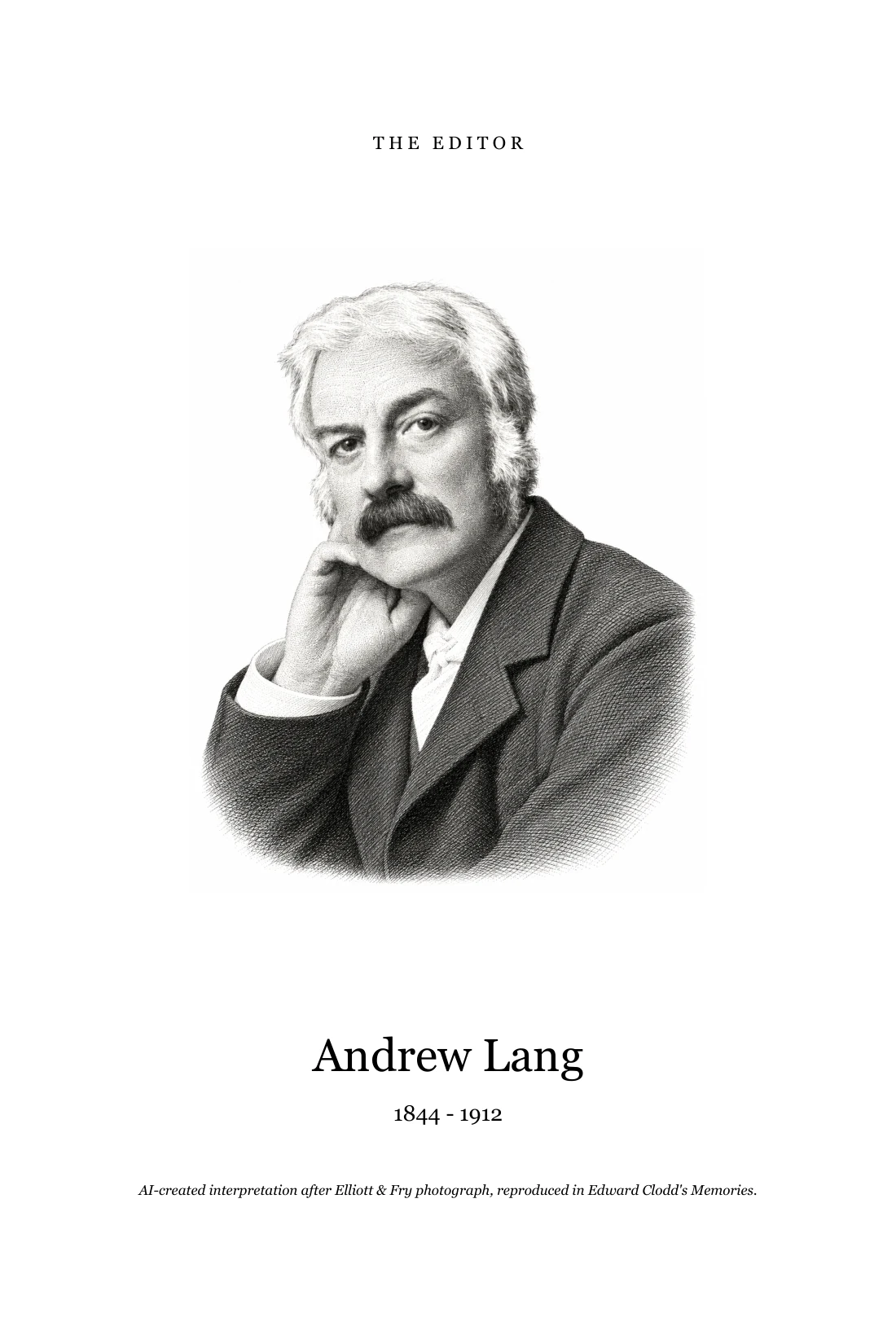
1889. Andrew Lang’s first coloured fairy book, drawing on the Grimms, Charles Perrault and many other sources.


Which tales appear depends on the collection and the translation, and some early English translators softened the Grimms considerably, so if you are after one particular story, check the contents first. Our Grimm edition follows the classic English translation by Edgar Taylor and Marian Edwardes. Its “Ashputtel” (Cinderella) keeps the cut-off toe and the blood in the shoe, but the doves do not blind the sisters, and in “Snowdrop” (Snow White) the queen simply chokes with rage and dies, with no iron shoes. For Lang’s whole series, see the coloured fairy books in order.

Are the original fairy tales suitable for children?
Mostly, yes, and they have been read to children for two hundred years. Whether their violence frightens children or helps them face their fears is an old argument: Bruno Bettelheim’s The Uses of Enchantment (1976) famously took the second view, and others have disagreed. In practice, you know your own child. A rough guide:
- Ages 4–6: lighter Grimm tales such as “The Elves and the Shoemaker”, and Andersen’s “The Emperor’s New Clothes”.
- Ages 6–8: the famous tales, such as “Hansel and Gretel”, “Cinderella” and “Snow White”, with an adult nearby for the endings.
- Ages 8 and up: Andersen’s sadder stories, such as “The Little Match Girl” and “The Red Shoes”, which are better understood a little older.
- Teenagers and adults: “The Juniper Tree”, “The Robber Bridegroom” and the rest of the darkest tales, for the shiver.
Read a tale yourself before reading it aloud and you will rarely be caught out. For gentler choices, see classic bedtime stories to read aloud; for how these tales became films, see Disney films based on classic books. The whole children’s shelf is here too.
Begin with Grimms’ Fairy Tales, and look for the Grimms’ Cinderella, “Ashputtel”, with its hazel tree on a mother’s grave and its helpful birds. It is nothing like the version with the pumpkin coach, and children of eight and up tend to love it.
Questions readers ask
Were the original Grimm fairy tales darker?
Yes. The Grimms’ versions include mutilation, cannibalism and cruel punishments, such as Cinderella’s stepsisters cutting off parts of their feet. Later retellings, and especially films, softened them considerably.
What happens in the original Little Mermaid?
In Andersen’s 1837 story, the prince marries someone else. The mermaid refuses to save herself by killing him and dissolves into sea foam, then rises among the daughters of the air with the hope of one day gaining a soul.
Why did the Grimms change their fairy tales?
Wilhelm Grimm revised the tales over seven editions between 1812 and 1857, partly to make them better suited to children and families. He removed sexual references and turned some mothers into stepmothers, but kept much of the violence.
Is Disney’s Cinderella based on the Grimm version?
Mostly not. The 1950 film follows Charles Perrault’s French version of 1697, with its fairy godmother and glass slipper, rather than the Grimms’ darker tale.