If you are looking for classic books with strong female characters, the golden age of children’s fiction is packed with them. Dorothy Gale crosses a fairyland to get home. Alice argues with a queen. Anne Shirley talks her way into a family that had asked for a boy. Each of these girls is brave in her own way, and several of them were created by women writing from experience.
Bravery here does not always mean swords. Some of these heroines face down witches; others face grief, illness, homesickness or loneliness, which can take more courage. Here are seven to start with, and what makes each one worth reading.
Classic books with strong female characters
The Wonderful Wizard of Oz
Dorothy Gale, 1900. A Kansas girl who meets witches, a wizard and a deadly desert with steady common sense, and finds her own way home.
Alice's Adventures in Wonderland
Alice, 1865. Curious, logical and unimpressed by authority, she ends her adventure by telling a whole court they are nothing but a pack of cards.
Anne of Green Gables
Anne Shirley, 1908. Imaginative, proud and quick-tempered, she breaks a slate over a boy’s head and wins a scholarship by her own hard work.
The Secret Garden
Mary Lennox, 1911. Not likeable at first, and that is the point. Mary finds her courage in a hidden garden and drags a whole household back to life.
Heidi
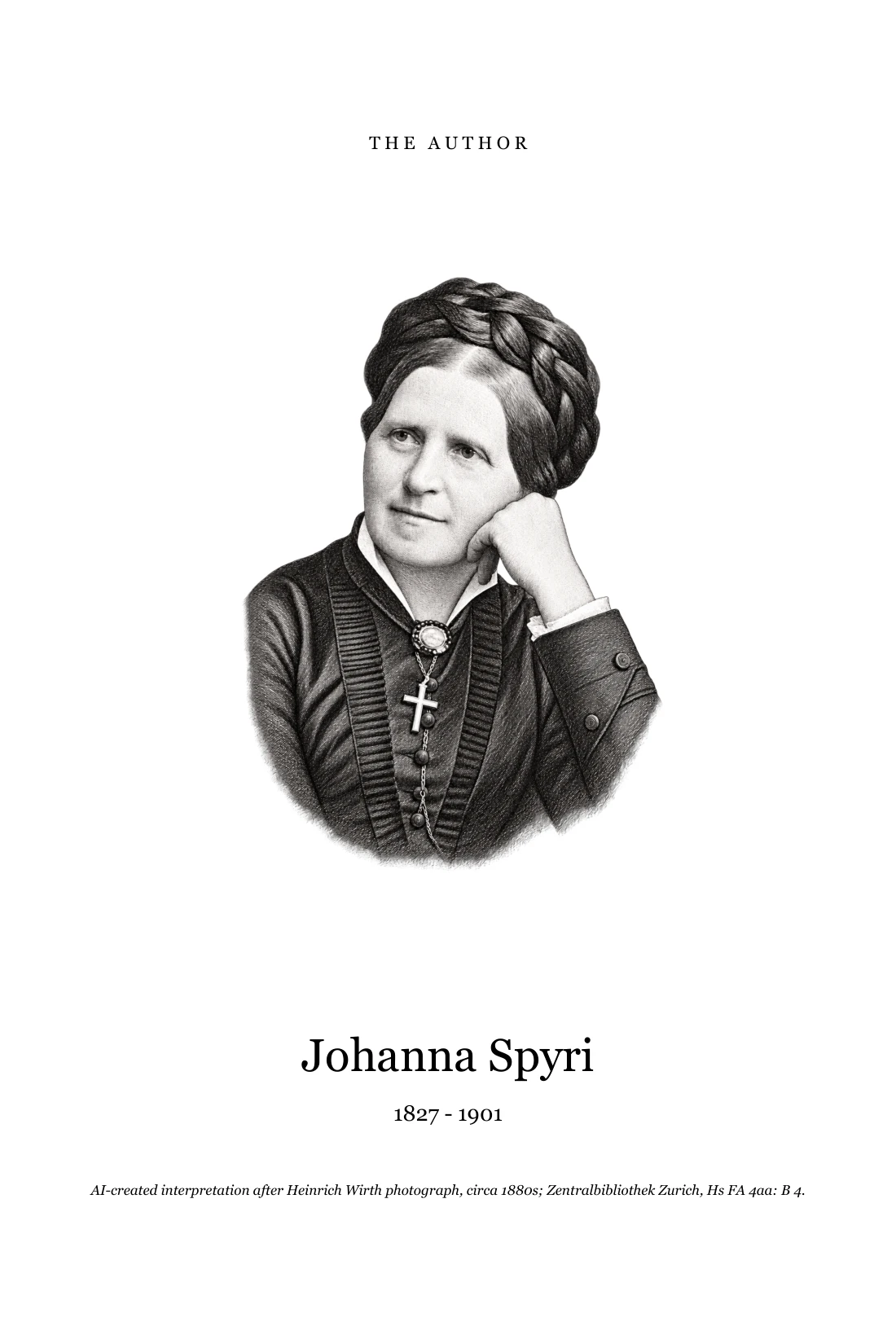
Heidi, first published in German in 1880–81. A five-year-old sent to live with her grandfather in the Alps, whose openness changes everyone she meets.
Rebecca of Sunnybrook Farm
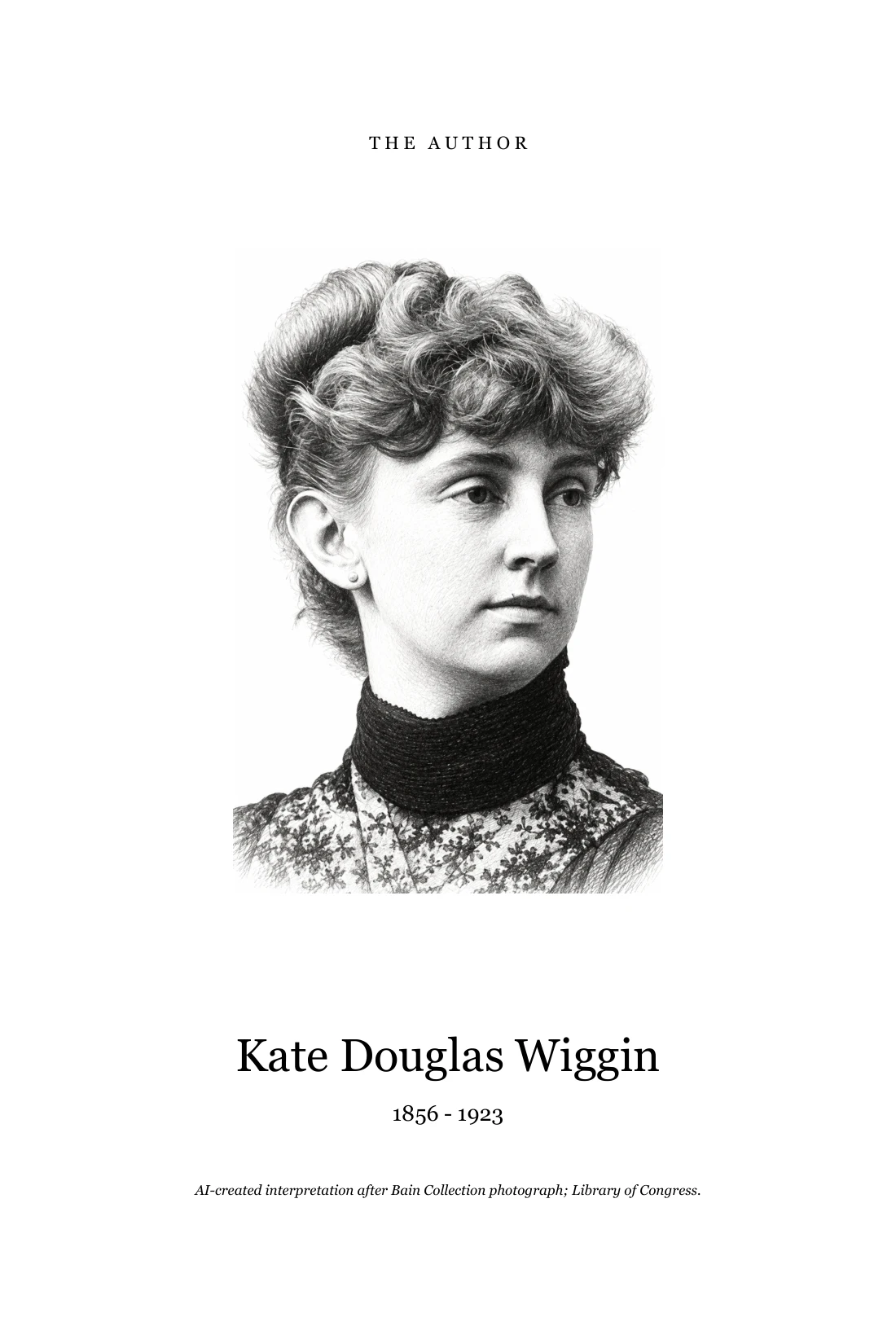
Rebecca Randall, 1903. A talkative, poetic girl sent to live with two unmarried aunts in Maine, one of them very strict. Funny, resilient and very much her own person.
What Katy Did
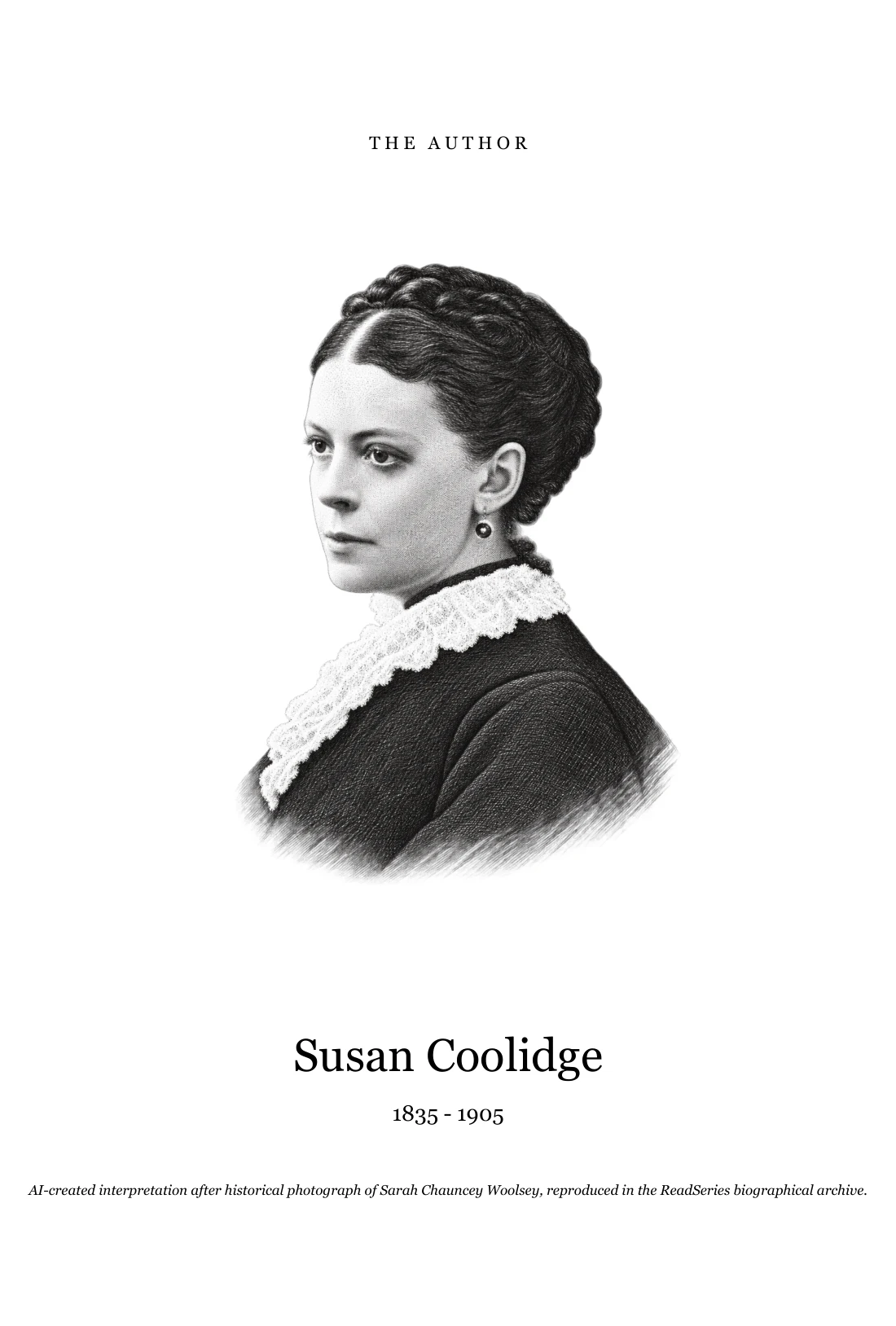
Katy Carr, 1872. A tomboy who means to do great things, then has to learn a quieter kind of bravery after an accident.



Dorothy and Alice: the girls who set off alone
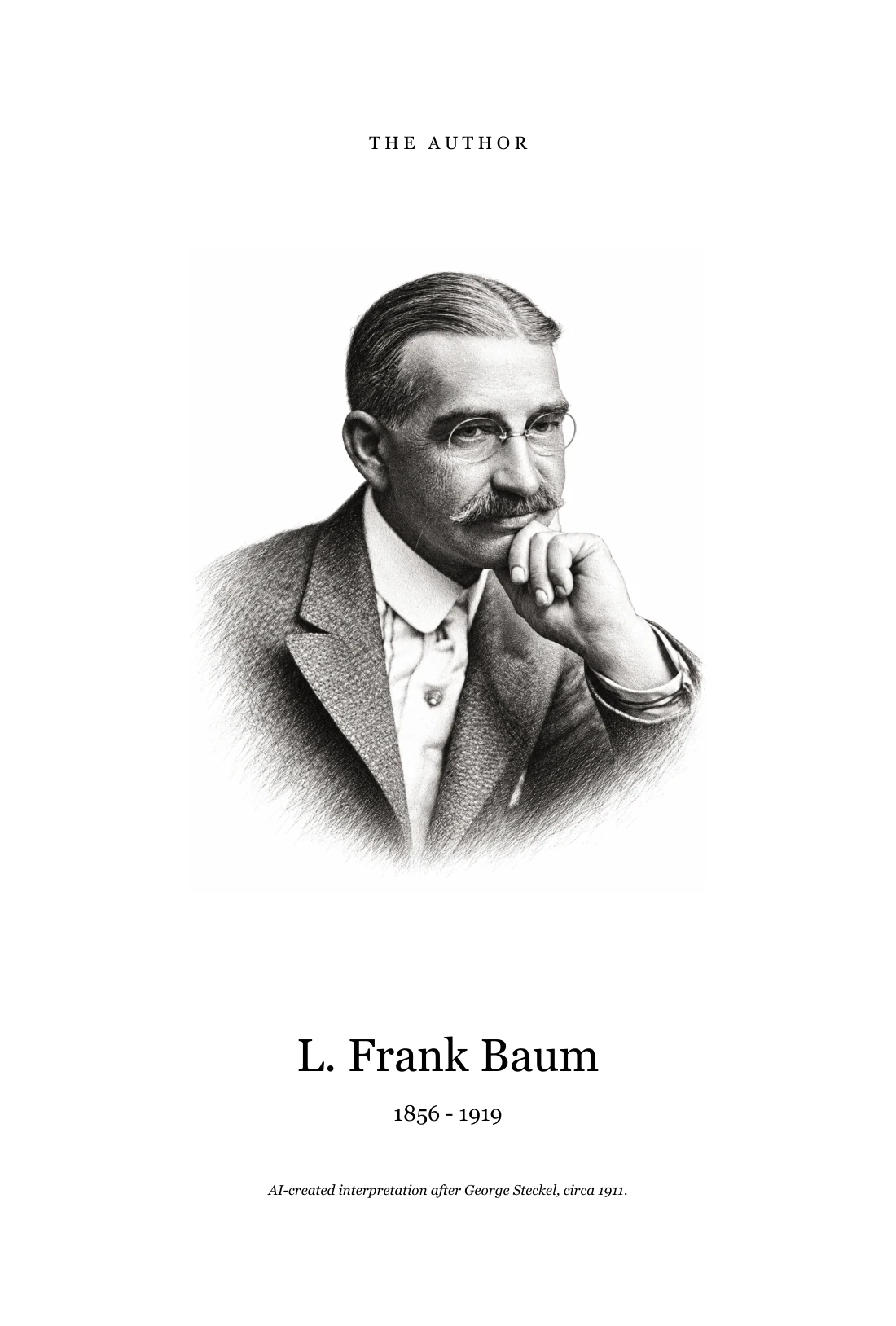
L. Frank Baum was married to Maud Gage, daughter of the suffragist Matilda Joslyn Gage, and his Oz is a land run largely by women and girls, from the witches good and bad to Glinda and, later, Princess Ozma. Dorothy is practical, polite and fearless. She frees the Winkies, defeats a witch, and when the Wizard turns out to be a fraud, she keeps going until she finds her own way home.
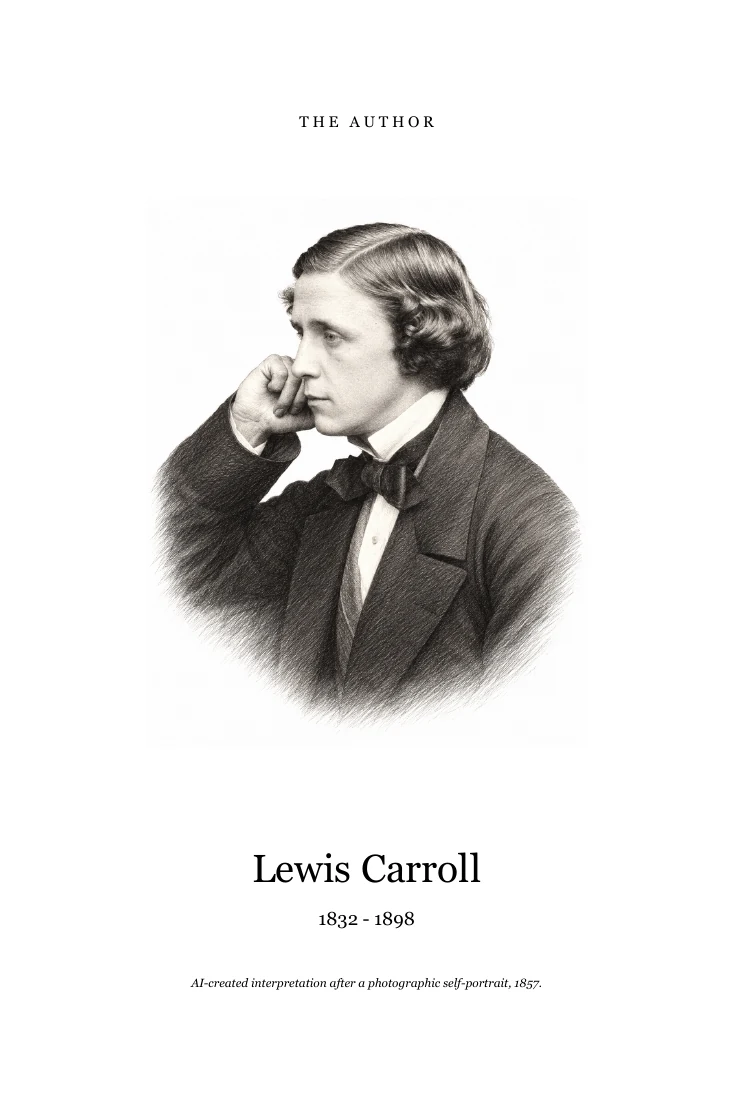
Alice is brave in another way. Lewis Carroll drops her into a world where nothing makes sense, and her courage lies in refusing to be bullied by it. She answers back to the Caterpillar, stands up to the Queen of Hearts and, at the trial, grows too big to be told what to do. For how she began, see Alice in Wonderland began on a boat trip.
Anne, Rebecca and Katy: heroines with too much to say
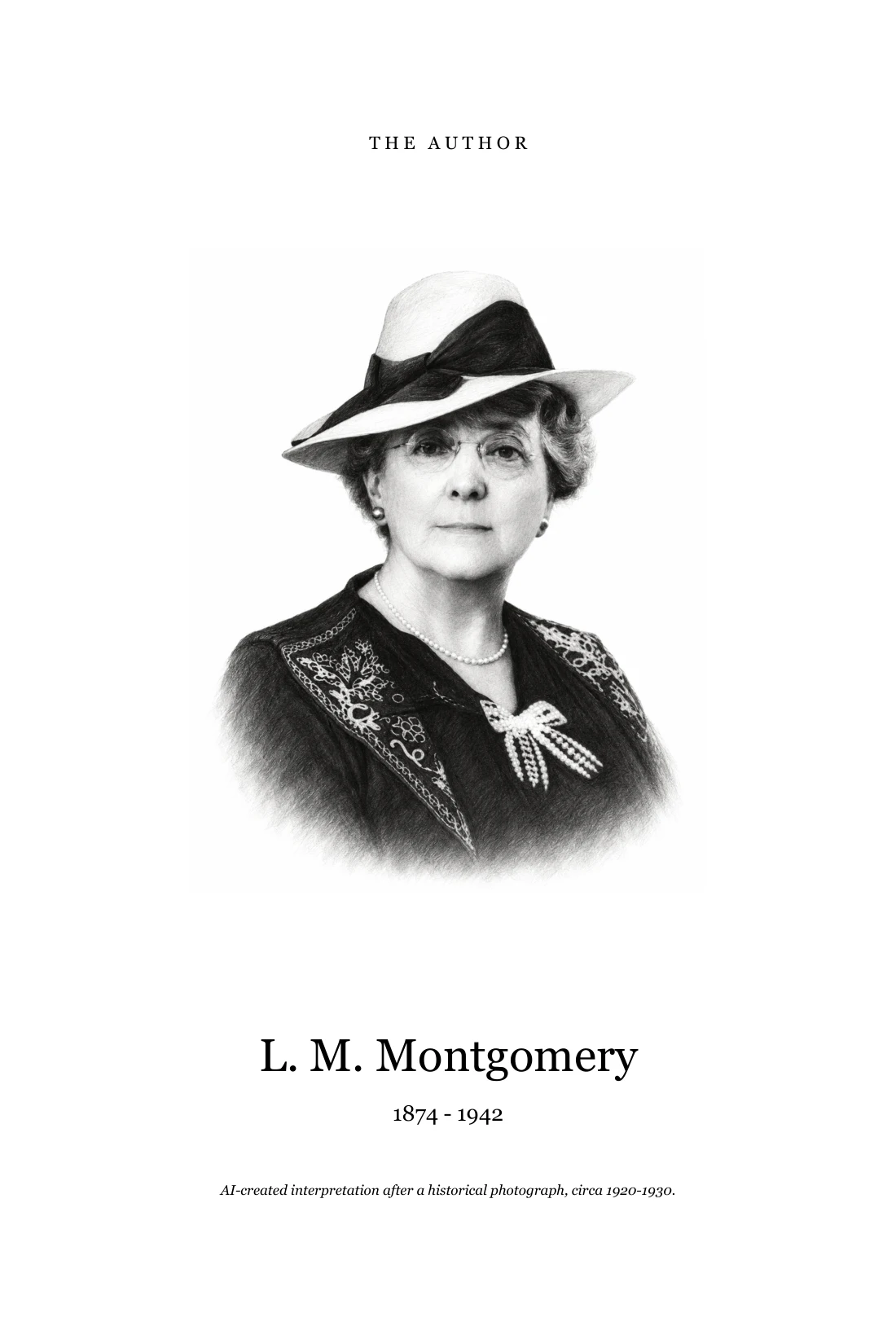
L. M. Montgomery’s Anne and Kate Douglas Wiggin’s Rebecca are close cousins. Both are imaginative girls sent to live with older relatives, and both win them over by being entirely themselves. Rebecca of Sunnybrook Farm came out five years before Anne of Green Gables, and readers have long noticed the family resemblance.
What Katy Did, by Susan Coolidge, is the one to talk about with older children. Katy is reckless and full of plans until a fall from a forbidden swing leaves her unable to walk for a long time. Much of the book is about learning patience, and its picture of the gentler, more dutiful girl Katy becomes reads as old-fashioned now. It is also honest about frustration and recovery, and Katy’s spirit never entirely goes away.

Mary Lennox and Heidi: courage without fanfare
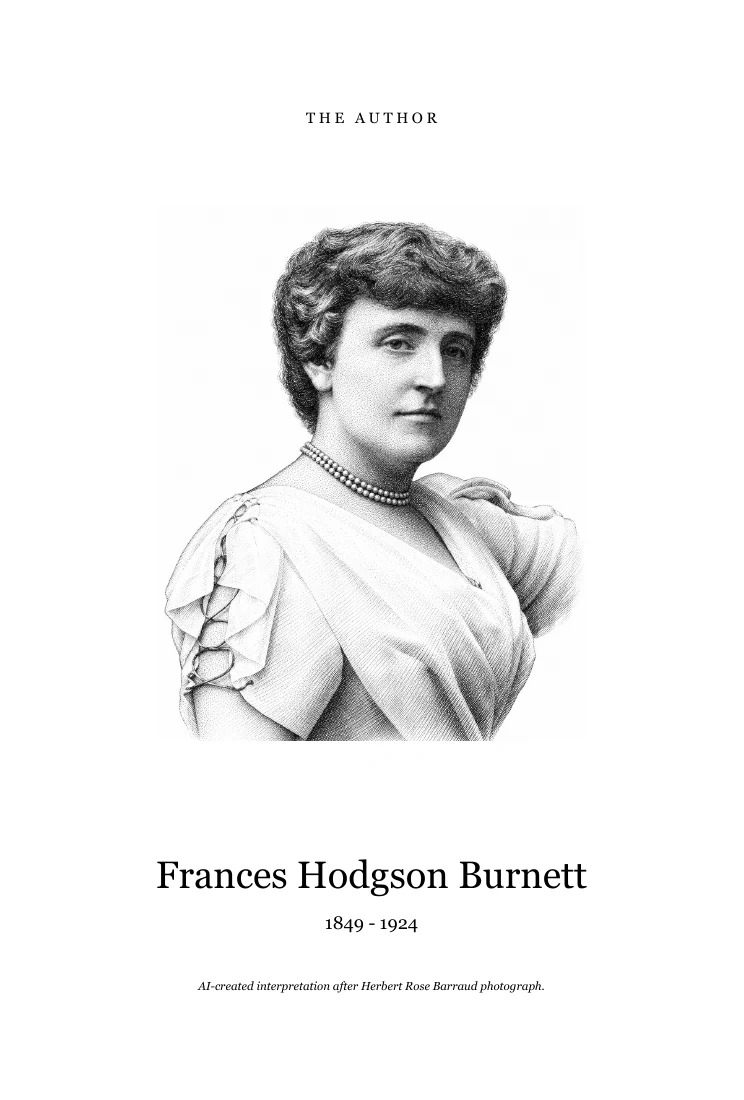
Mary Lennox begins The Secret Garden as one of the most disagreeable children in fiction, which is exactly why she is worth reading. Frances Hodgson Burnett lets her be rude, lonely and stubborn, then shows her turning that stubbornness to good use: she explores a house full of closed doors, finds a buried key and refuses to let her sickly cousin give up on himself.
Johanna Spyri’s Heidi is braver than she looks. Taken from the mountain to a wealthy house in Frankfurt, she grows so homesick that she begins to sleepwalk, and the book treats her unhappiness seriously. Her return to the Alps, and what she does for her friend Clara there, makes one of the best-loved endings in children’s fiction.
What to know before you read
These books were written between 1865 and 1911, and their idea of a good girl is not always ours. Katy is taught to be patient and uncomplaining; Heidi and What Katy Did carry a strong religious message; The Secret Garden opens in colonial India, where Mary’s parents die of cholera, and sees it through colonial eyes. Talk about these as you go, and the books open up rather than close down.
Most of these heroines suit readers from about eight. Alice and The Wonderful Wizard of Oz work as read-alouds even younger; Anne, Rebecca and What Katy Did are best from nine or ten. For more, see our classic books for 10 to 12-year-olds, feminist classics for older readers, or the whole children’s shelf.
And if you want just one, start with Anne of Green Gables. Anne arrives at Green Gables by mistake, and spends the rest of the book making everyone glad she did.
Questions readers ask
What are some classic books with strong female characters for kids?
Classic children’s books with strong female characters include The Wonderful Wizard of Oz, Alice’s Adventures in Wonderland, Anne of Green Gables, The Secret Garden, Heidi, Rebecca of Sunnybrook Farm and What Katy Did.
Who is the bravest heroine in classic children’s books?
There is no single answer, but Dorothy Gale is a strong contender: she crosses a fairyland, defeats a witch and finds her own way home.
What age is What Katy Did for?
Most children enjoy it from about nine. It includes a serious injury and a strongly religious message about patience, so it is a good book to read together and talk about.