Ask for a classic novel set in New York and most people will say The Great Gatsby. Yet most of Fitzgerald’s novel happens on Long Island, in the invented villages of West Egg and East Egg. Manhattan gets a drunken party in a flat on 158th Street, a lunch in a Forty-second Street cellar and one stifling afternoon in a suite at the Plaza Hotel. What it gives the city instead is one of the most famous sentences ever written about it:
The city seen from the Queensboro Bridge is always the city seen for the first time, in its first wild promise of all the mystery and the beauty in the world.
F. Scott Fitzgerald, The Great Gatsby (1925)
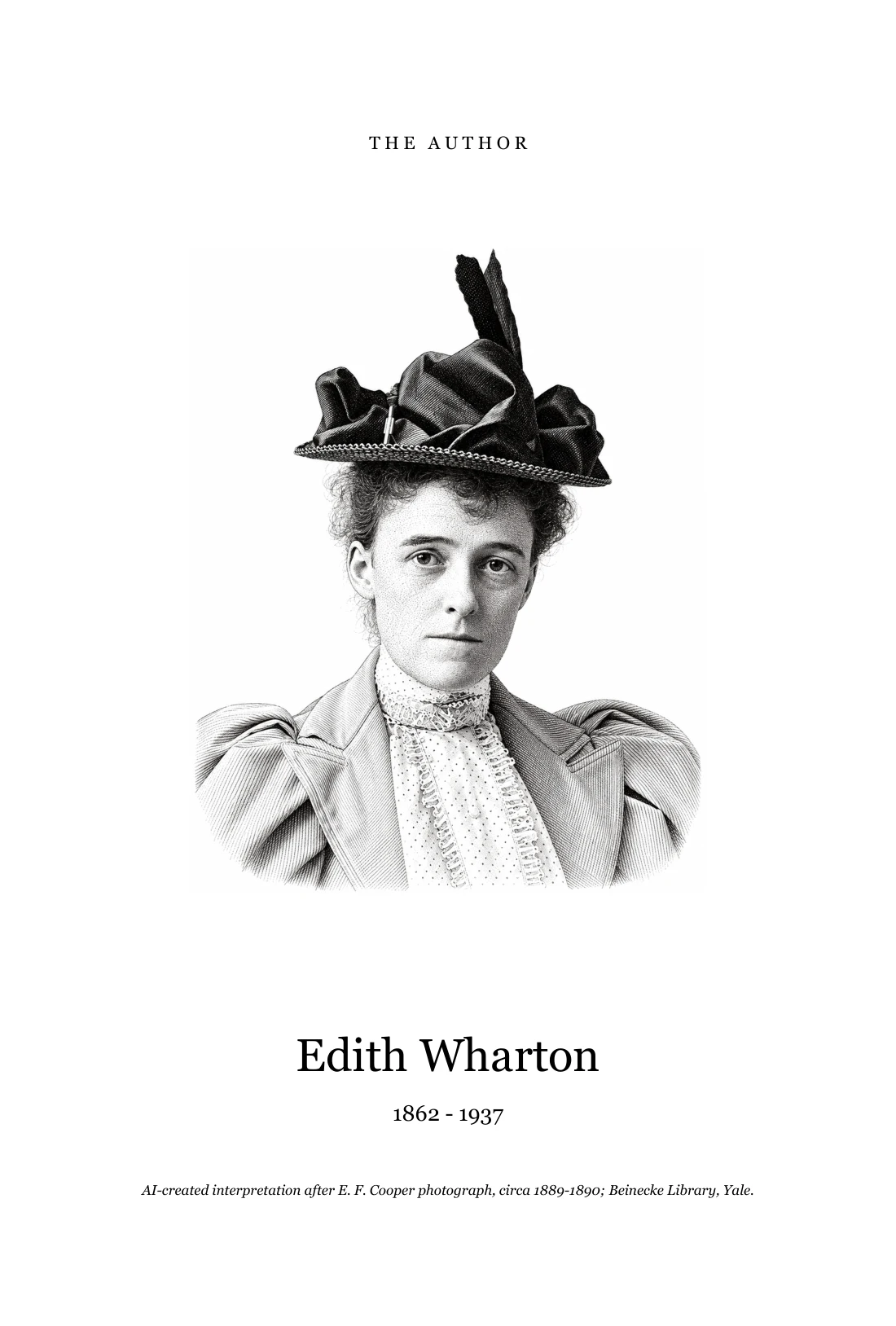
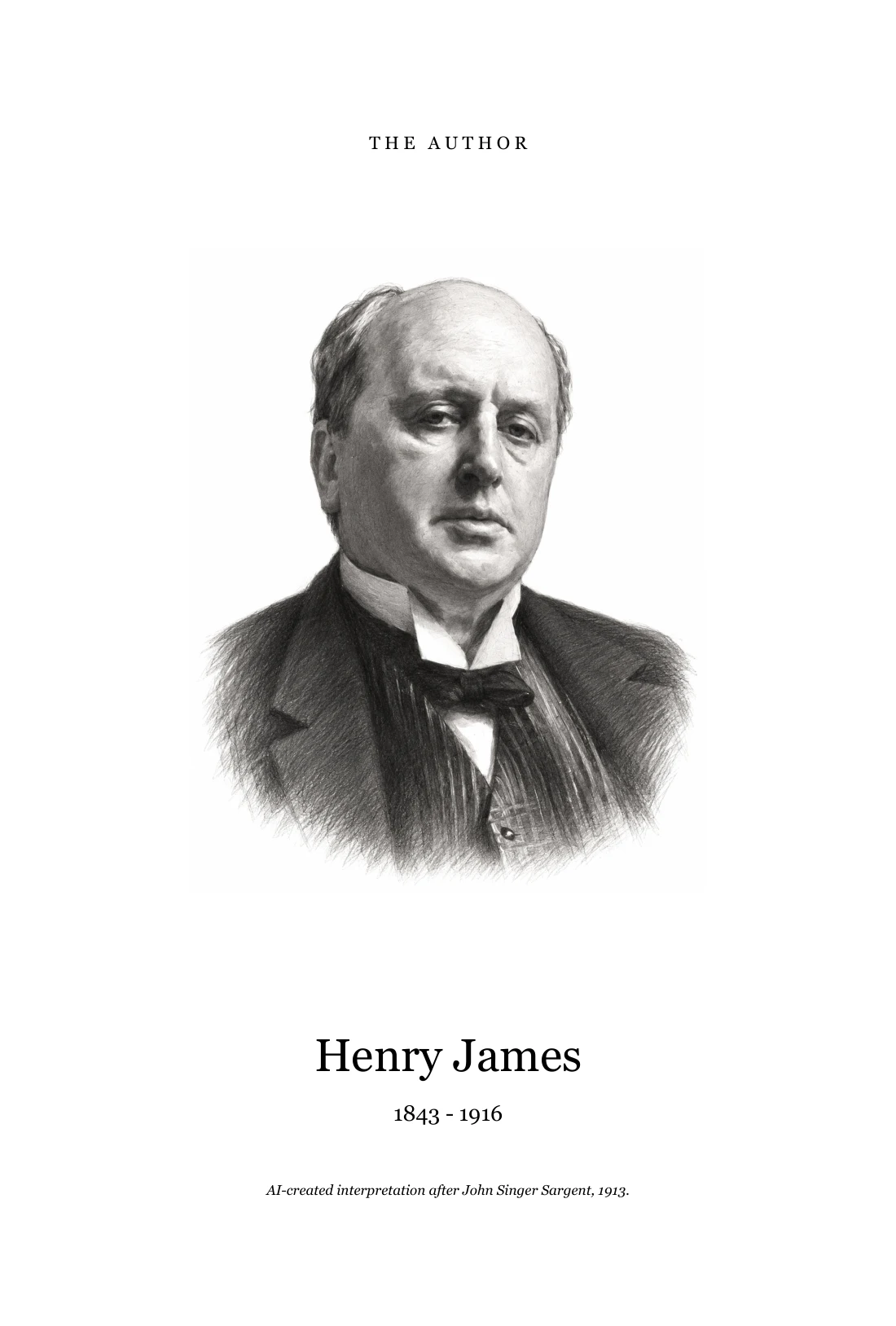
That is New York as a promise. The other novels set in New York on this list are more interested in what the promise costs: who gets into the drawing room, who is left outside it, and who pays for the flowers. Henry James and Edith Wharton were both born in Manhattan, and between them they wrote the city’s old society as no one else has.
Novels set in New York, in the order the city lived them
Each book below is placed by when its story happens, not when it was written. The Age of Innocence, for instance, was published in 1920 but set fifty years earlier.
- 1840s–50s
Washington Square: a doctor’s plain, gentle daughter is courted by a charming man the doctor is sure wants her money.
- 1853
“Bartleby, the Scrivener”: a copyist in a Wall Street law office begins to refuse every request.
- Early 1870s
The Age of Innocence: Newland Archer’s engagement is shaken by the return of his fiancée’s scandalous cousin.
- 1889–93
Sister Carrie: a small-town girl moves from Chicago to New York and rises on the stage.
- 1890
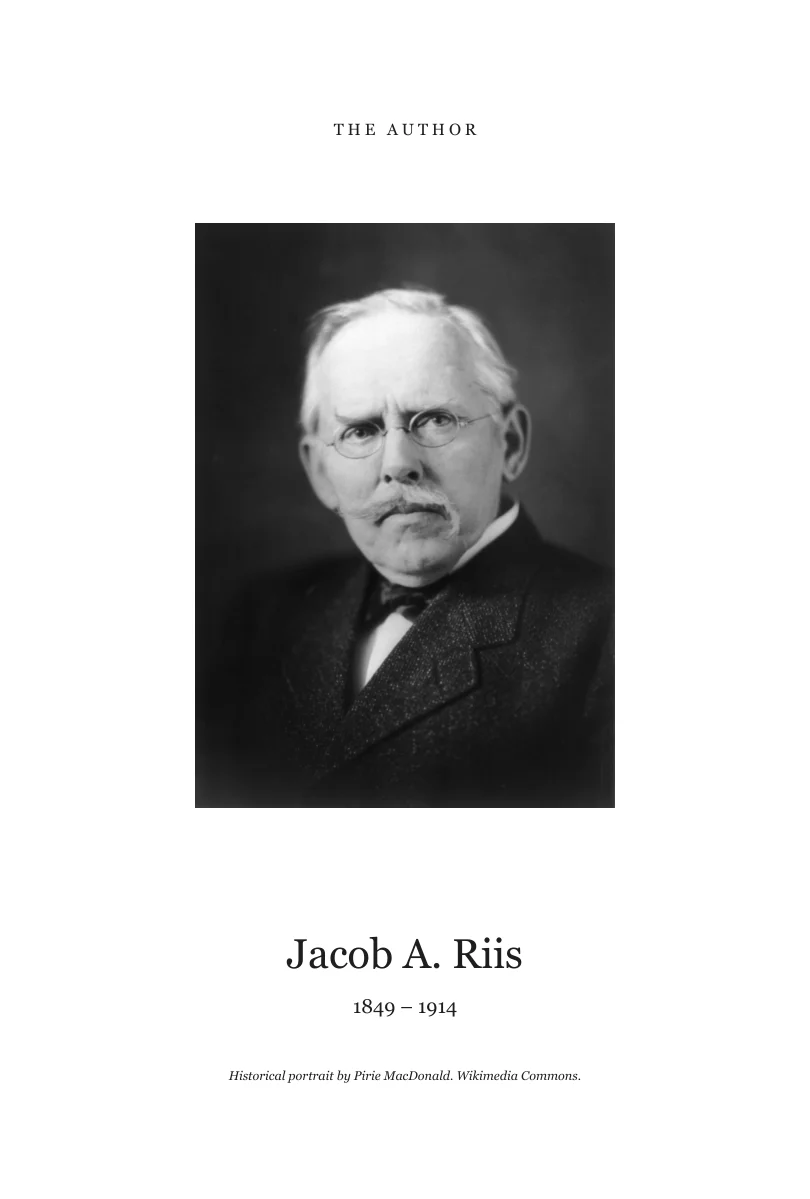
How the Other Half Lives: Jacob Riis photographs and describes the tenements of lower Manhattan.
- c. 1900
The House of Mirth: Lily Bart, beautiful and penniless, has to marry money before her credit runs out.
- 1900s
The Four Million: O. Henry’s stories of shopgirls, clerks and tramps in furnished rooms.
- 1922
The Great Gatsby: Nick Carraway sells bonds in the city and watches his neighbour’s enormous parties from next door.
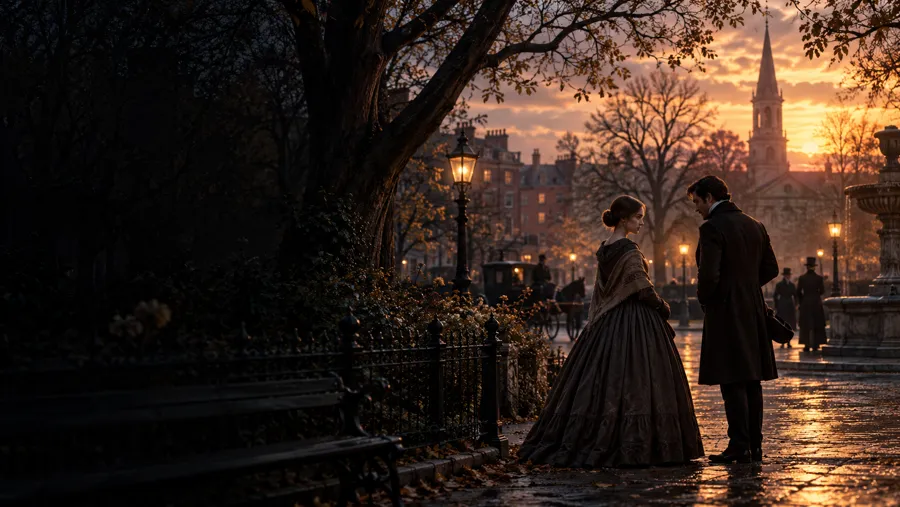
Old New York: James and Wharton
Washington Square
1880. Catherine Sloper, her clever, cold father and an aunt who loves a romance more than her niece. James’s most perfectly built short novel, later the play and film The Heiress.
The Age of Innocence
1920. Opera boxes, dinners, the old Dutch families and the unspoken rules that hold them together. Wharton’s Pulitzer winner, and the best-mannered heartbreak in American fiction.
The House of Mirth
1905. Lily Bart at twenty-nine, still unmarried and running out of time and money. Funny, merciless and almost unbearably tense in its second half.


James was born in 1843 at 21 Washington Place, a few steps from the square his novel is named for. He describes the neighbourhood with real affection: it has “a kind of established repose which is not of frequent occurrence in other quarters of the long, shrill city”. Washington Square is the gentlest book he wrote about money and the cruellest, and the 1949 film version, The Heiress, directed by William Wyler with Olivia de Havilland, is one of the great adaptations.
Wharton was born at 14 West 23rd Street in 1862, into the world she would anatomise. The Age of Innocence opens on “a January evening of the early seventies” with Christine Nilsson singing Faust at the Academy of Music, while society talks of building a grander opera house in the “remote metropolitan distances” above the Forties. The House of Mirth was her first great success: Scribner’s told her it was the fastest-selling book the firm had ever published, and sales had passed 140,000 by the end of 1905. More in Did you know Edith Wharton was the first woman to win the Pulitzer Prize for fiction?
The other New York
The Four Million
1906. Furnished rooms, park benches and Broadway lunch counters: the New York of people living on a few dollars a week. Read “The Furnished Room” for the sad side and “The Gift of the Magi” for the sweet.
Bartleby, the Scrivener
1853. A lawyer hires a pale, silent copyist who answers every request with “I would prefer not to.” The first great story of the New York office.
Sister Carrie
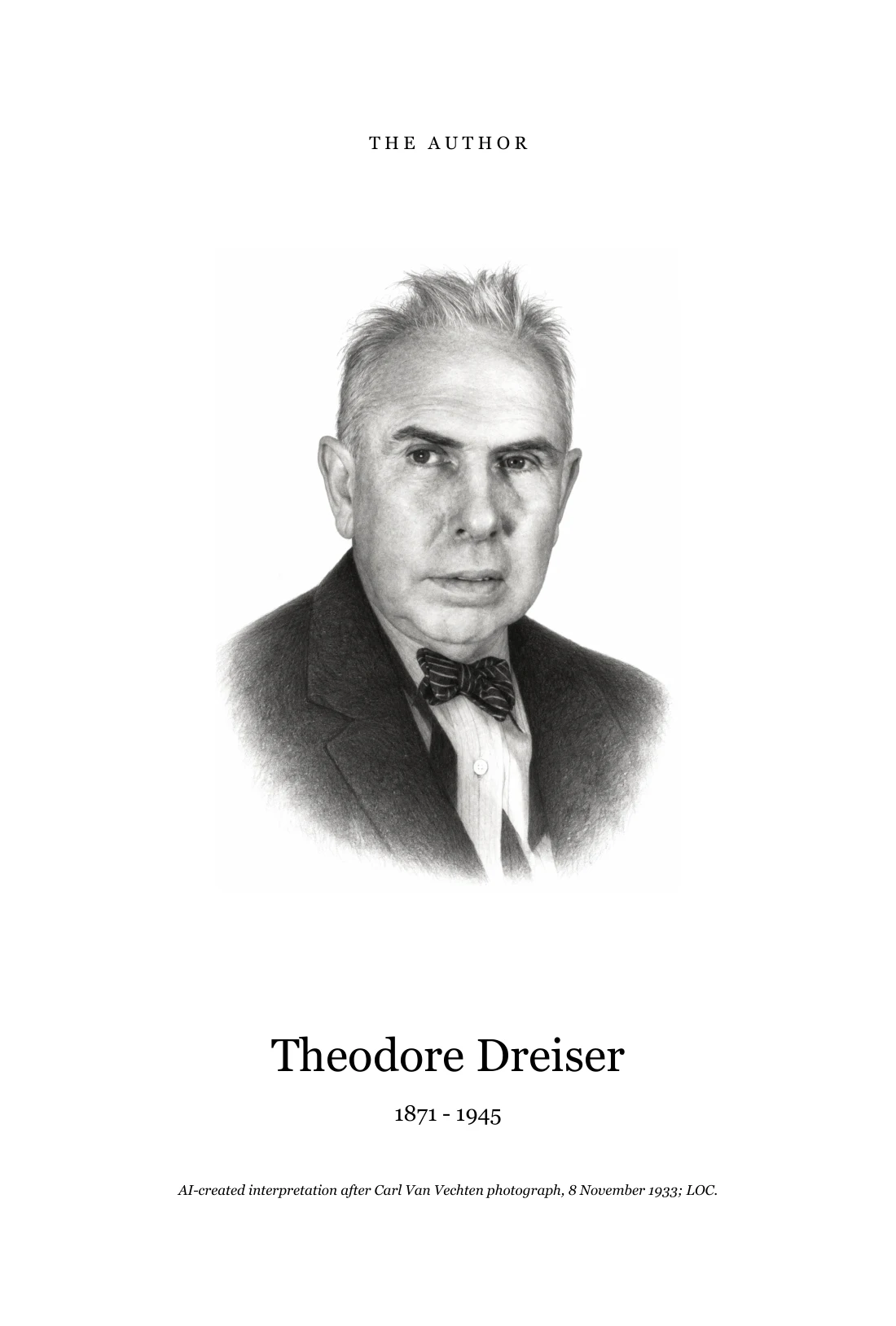
1900. Carrie Meeber rises while the man who brought her to New York sinks. Dreiser’s first novel sold poorly at first and is now read as a landmark of American realism.
How the Other Half Lives
1890. Not a novel, but the book that showed readers of Wharton’s world what lay downtown from their drawing rooms: Riis’s reporting and photographs of tenement life.


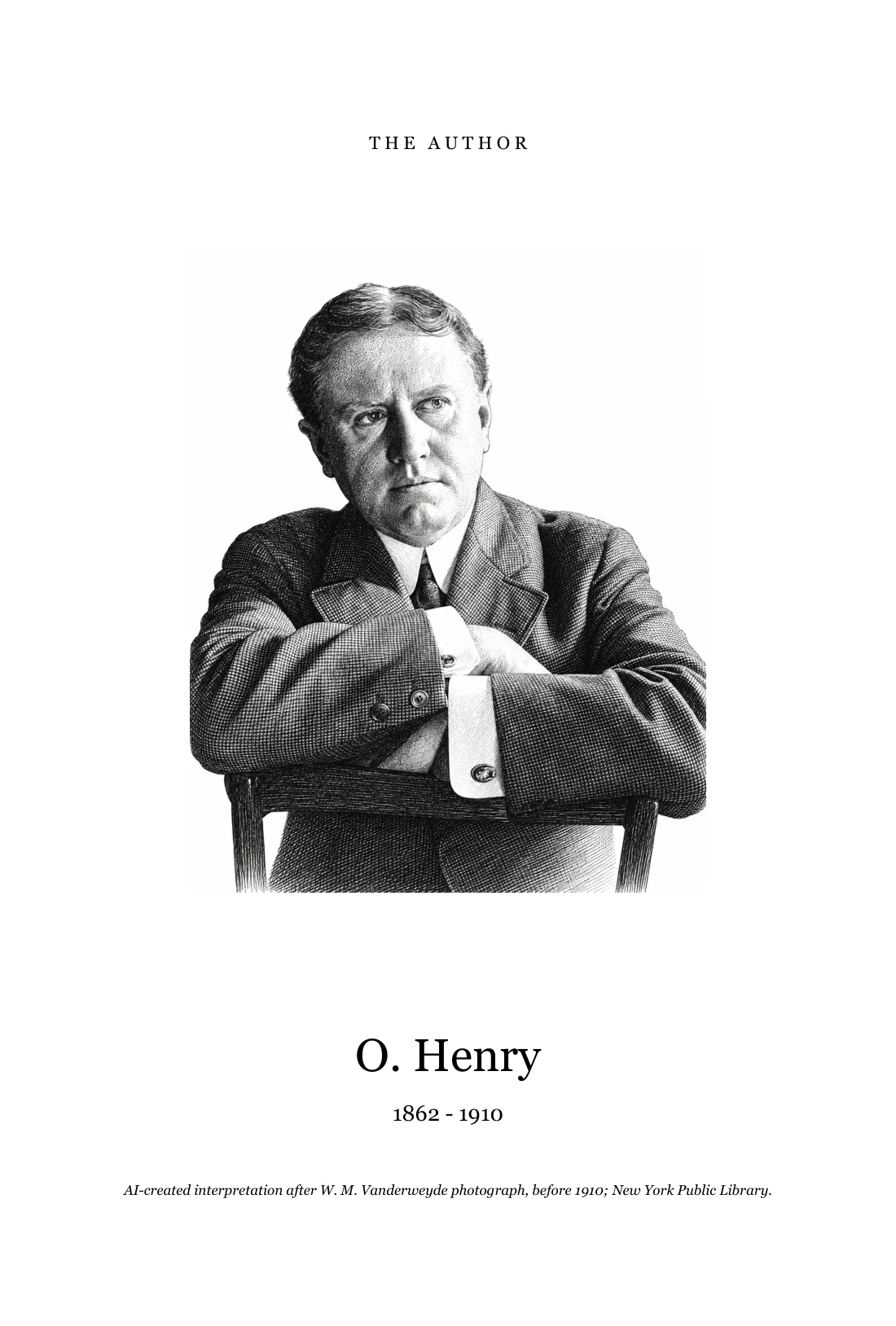
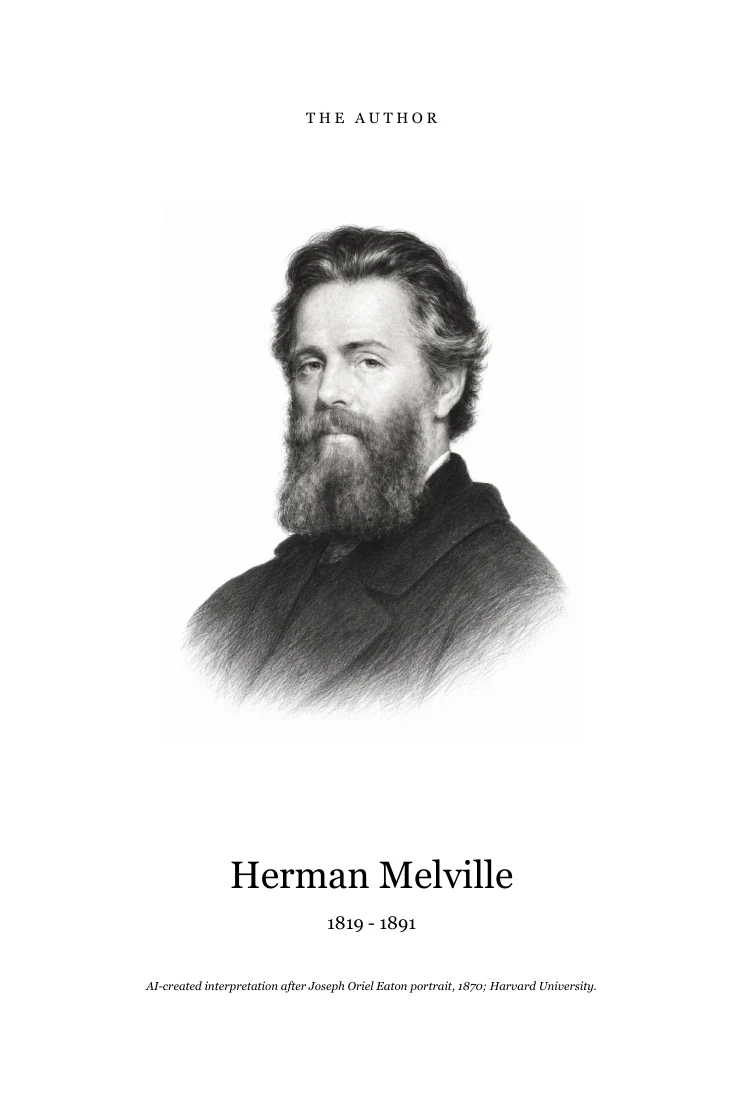
O. Henry and Melville write the New York of rented rooms and borrowed time, and they are as much a part of the city’s literature as the Fifth Avenue novels. If O. Henry’s life interests you, read Did you know O. Henry began writing stories in prison?
Which New York novel should you read first?
The Great Gatsby is the shortest way in and the one everyone else will have read, and you can learn why it was once considered a failure in Did you know The Great Gatsby disappointed in Fitzgerald’s lifetime? For the old city at its finest, read Washington Square first, then The Age of Innocence: one gives you the square in the 1840s, the other the same old society a generation on, still keeping up appearances.
Begin with Washington Square. It is short, it is funny for longer than you expect, and by the last page you will never walk past those red-brick houses without wondering who is sitting behind the windows.
Questions readers ask
What are the best classic novels set in New York?
The essentials are Henry James’s Washington Square, Edith Wharton’s The Age of Innocence and The House of Mirth, F. Scott Fitzgerald’s The Great Gatsby and O. Henry’s stories in The Four Million. Melville’s “Bartleby, the Scrivener” and Dreiser’s Sister Carrie are also set in the city.
Is The Great Gatsby set in New York?
Partly. Most of the action happens on Long Island, in the fictional villages of West Egg and East Egg, but key scenes take place in Manhattan, including the confrontation at the Plaza Hotel.
Which Edith Wharton novels are set in New York?
The Age of Innocence (set in the 1870s) and The House of Mirth (set around the turn of the century) are her great New York novels. The Custom of the Country also follows an ambitious newcomer through New York society.