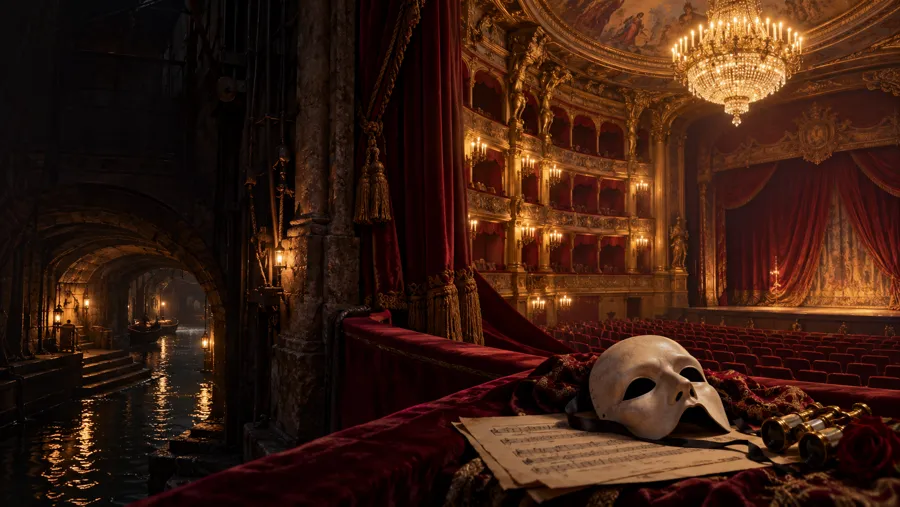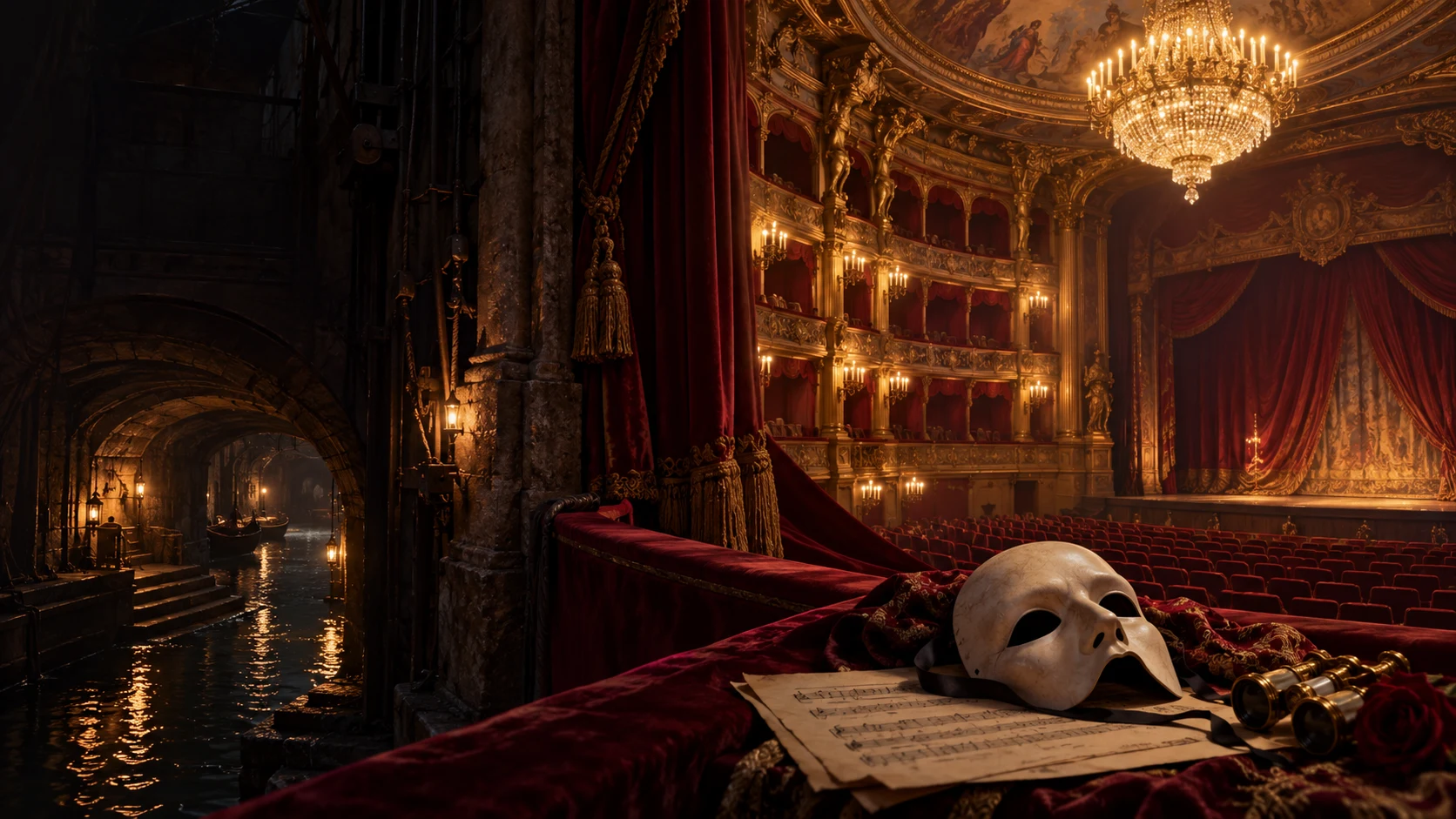
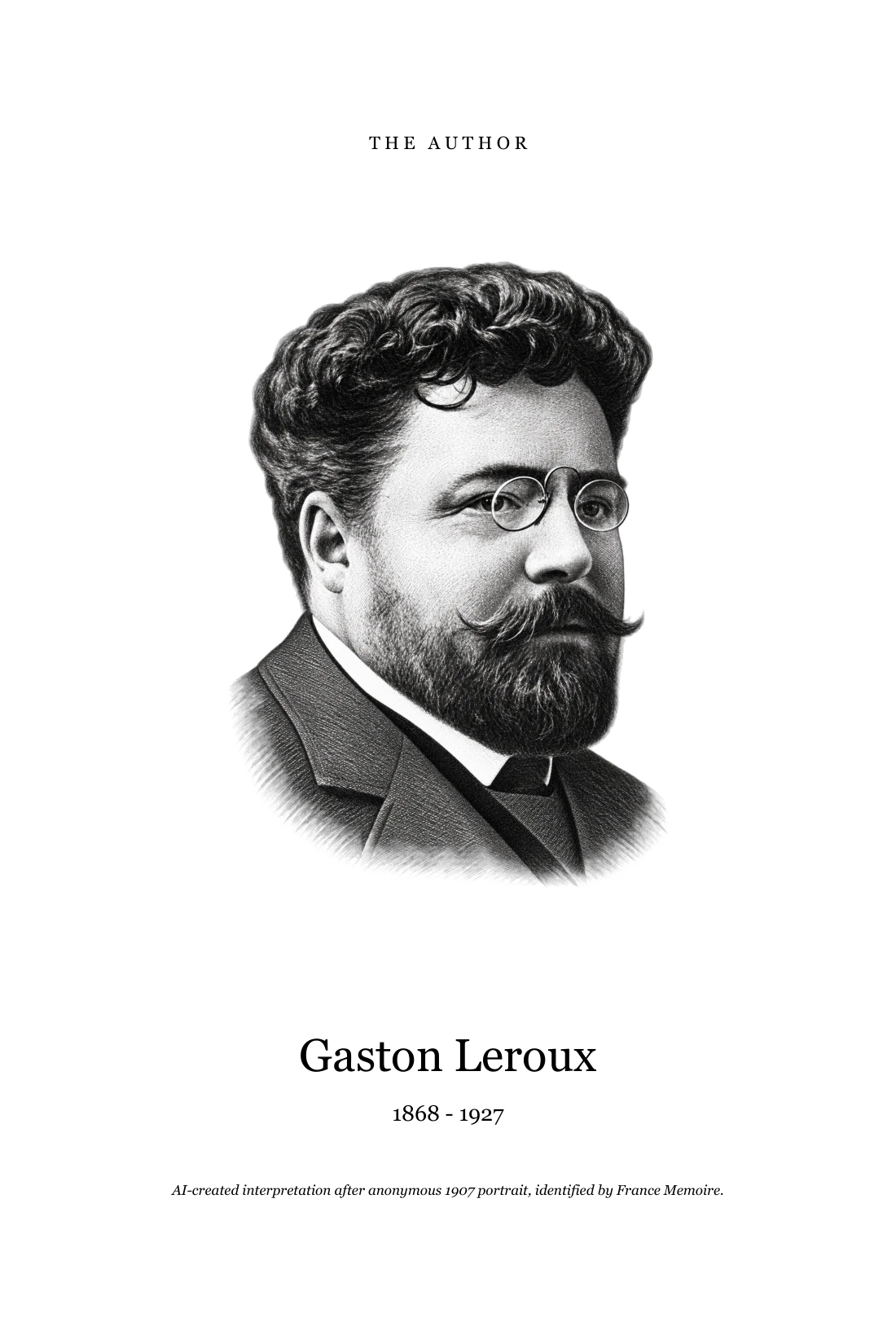
Is the Phantom of the Opera lake real? In a sense, yes. Beneath the Palais Garnier, the grand Paris opera house that Gaston Leroux used as the setting of his 1910 novel, lies a great reservoir of water held in a vast masonry tank. It is not quite a lake, and no masked genius rows across it, but it is real, and it gave Leroux one of the most memorable settings in fiction.
The water was not part of anyone’s romantic plan. It is there because of a serious engineering problem the builders ran into in the 1860s, and their solution is still doing its job a century and a half later.
Why is there water under the Paris Opera?
The architect Charles Garnier won the competition to design a new opera house for Paris in 1861. When work began on the foundations, the builders struck groundwater. The site was waterlogged, and pumping alone could not keep it dry for long.
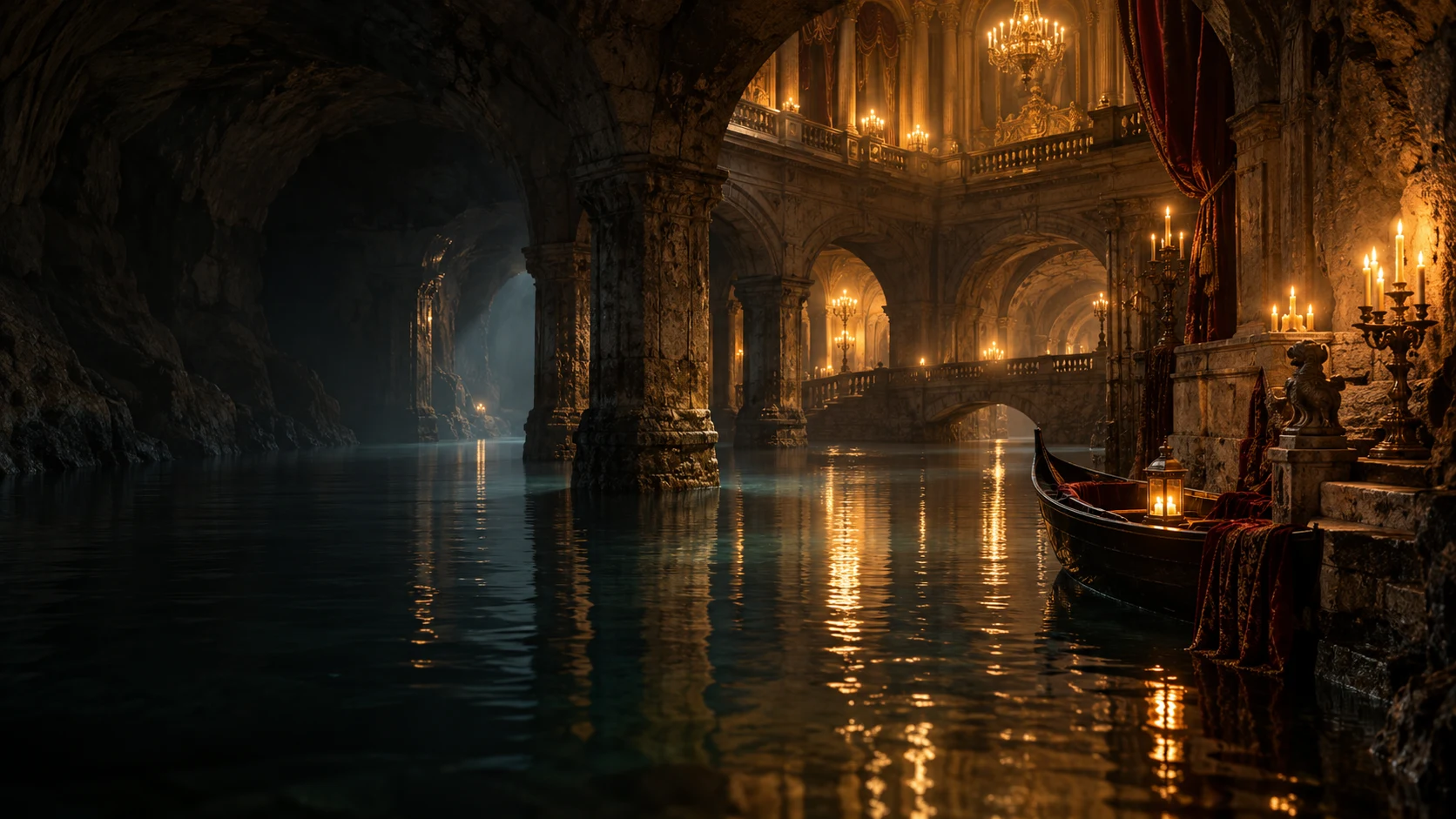
Garnier’s answer was to work with the water rather than against it. He built a huge watertight tank, a structure of masonry and concrete, into the foundations, and let it fill. The weight of the water helps to balance the pressure from the ground around it and keeps the immense building above stable. It also serves as a reserve of water in case of fire.
The tank is still there. It is not open to the public, but it is used by the Paris fire service, whose divers have been reported training in its dark water. There are also stories of fish living down there, fed by the opera staff, though these are best treated as part of the building’s folklore.

How real water became the Phantom of the Opera lake
Leroux was a journalist before he was a novelist, a courtroom reporter and foreign correspondent, and he wrote The Phantom of the Opera in the style of an investigation. His narrator insists from the first pages that the Opera ghost was real, and claims to have pieced together the story from documents and interviews. It was serialised in a Paris newspaper in 1909 and 1910 and published as a book in 1910.
He wove real features of the building into the plot: its labyrinth of cellars and corridors, its trapdoors and stage machinery, its rooftop, and the reservoir far below. In the novel the water becomes an underground lake, crossed by boat, guarding the Phantom’s hidden home. The effect is the opposite of fantasy. Because so much of the building is real, the ghost feels as if he might be too.
Leroux also drew on an incident that Parisians would have remembered: in 1896 a counterweight from the auditorium’s great chandelier fell during a performance, killing a member of the audience. Readers of the novel will recognise the moment.
The Phantom of the Opera
1910. A masked genius haunts the Paris Opera, and a young singer, Christine Daaé, is drawn into his world beneath the stage. Stranger and more frightening than the musical.
The Mystery of the Yellow Room
1907. Leroux’s locked-room mystery, starring his young reporter-detective Joseph Rouletabille. One of the classics of the impossible crime.


Is the novel like the musical?
Only partly. Andrew Lloyd Webber’s 1986 musical and the 1925 silent film with Lon Chaney both draw on Leroux, but the novel is a stranger and more varied book. It is part Gothic horror, part detective story and part comedy, with a pair of bewildered opera managers, a persistent mystery man known only as the Persian, and a ghost who demands his own box and a monthly salary.
Erik, the Phantom, is more frightening on the page, and also more pitiable. Leroux gives him a long history and a terrible loneliness, and the scenes beneath the opera house, including the lake, are some of the most claustrophobic in Gothic fiction. We compare the two in The Phantom of the Opera: the novel vs. the musical.
The novel reads quickly, with short chapters and plenty of suspense. It suits readers from about fourteen upward and anyone who loves the musical and wants to meet the original. It belongs among the best Gothic novels, and if Paris is your weakness, try Classic novels set in Paris.
Where to begin
Begin with a dressing room full of frightened ballet girls, whispering that the ghost has been seen again. Then follow the story down, cellar by cellar, towards the black water under the Paris Opera, and open The Phantom of the Opera.
Questions readers ask
Is the Phantom of the Opera lake real?
There is no real underground lake with a boat, but there is a large reservoir of water in a masonry tank beneath the Palais Garnier. Gaston Leroux turned it into the Phantom’s lake in his 1910 novel.
Why is there water under the Palais Garnier?
The builders hit groundwater while laying the foundations in the 1860s. Charles Garnier built a watertight tank and let it fill, which helps stabilise the building and provides a reserve of water for firefighting.
Was the Phantom of the Opera a real person?
No. Leroux presents the story as a true investigation, but Erik is fictional. Leroux did use real details of the opera house, including its cellars, its water tank and an 1896 chandelier accident.
 The Secret of the Night286 pages · $16.99
 The New Terror132 pages · $12.99