In a single morning in Paris, d’Artagnan manages to arrange three duels: with Athos at noon, Porthos at one and Aramis at two. Those are the three men who become his inseparable friends and swear “All for one, one for all” with him. Friendship in the classics is rarely the smooth, greeting-card thing; it is loyal and quarrelsome, funny and occasionally heroic, and the best writers catch all of it at once. Even Tom Sawyer and his bosom friend Joe Harper, Twain tells us, were “sworn friends all the week, and embattled enemies on Saturdays.”
Here are the classic books about friendship we would hand to anyone, sorted by the kind of friendship they are really about. Four of them are among the most loved books ever written for children, and every one of them rewards an adult reader too.
Friends who come and find you
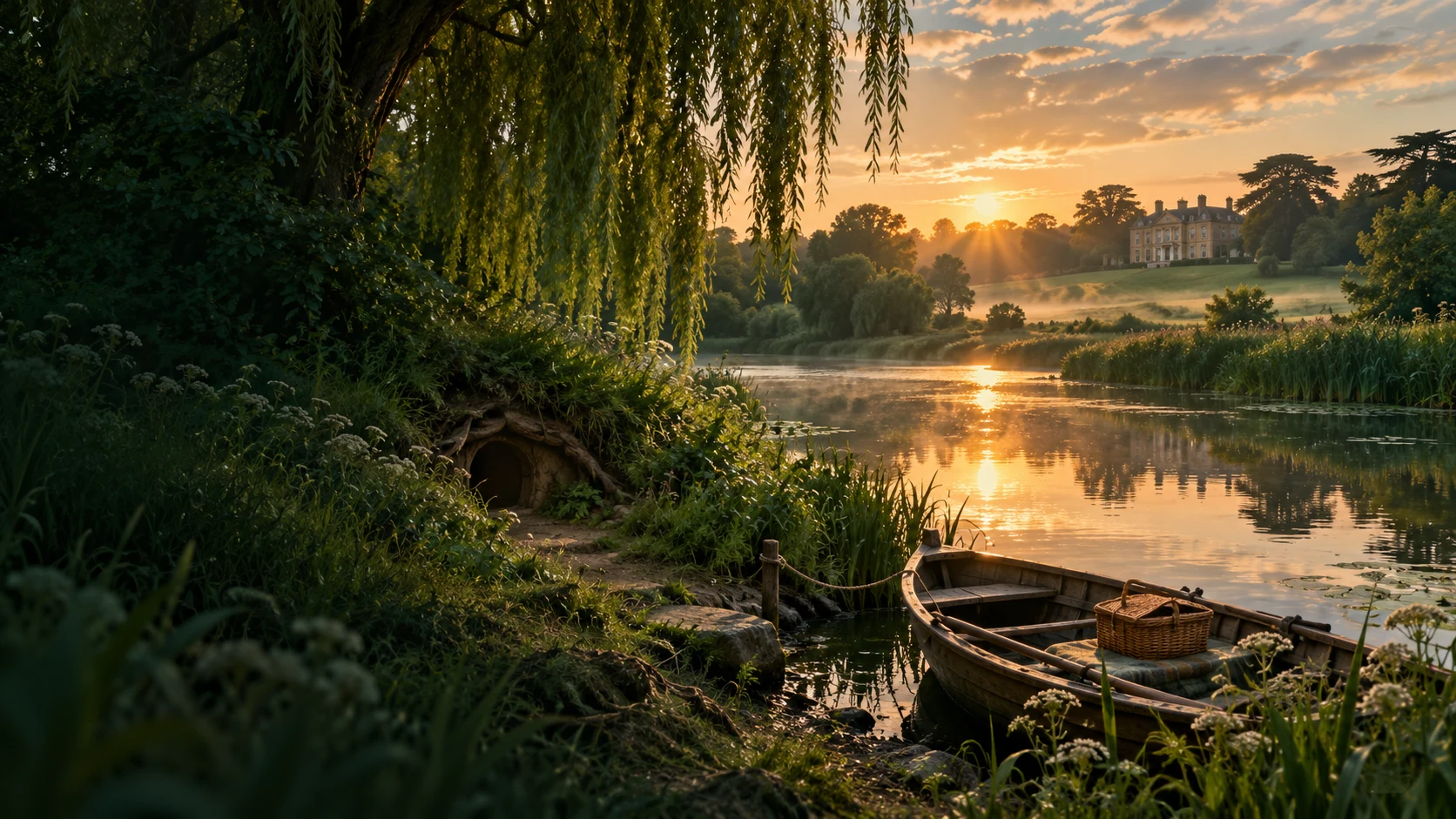
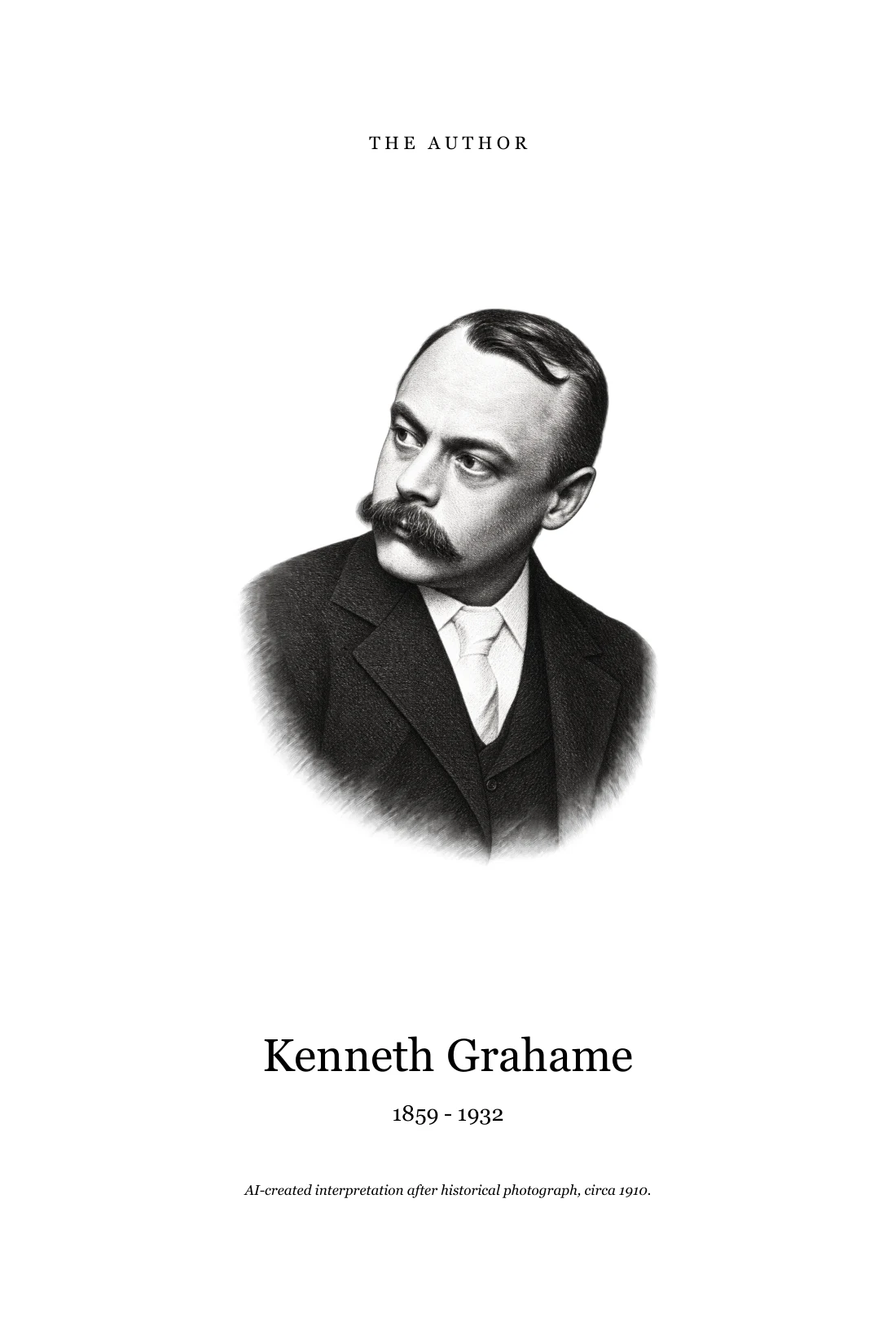
Kenneth Grahame began these stories as bedtime tales for his young son Alastair, and continued them in letters when the two were apart. You can feel their origin in the book’s rhythms: chapters that wander off on their own, a Badger who is gruff but always there when it snows. The story of how it grew is in Did you know The Wind in the Willows began as bedtime stories?

Friends in mischief
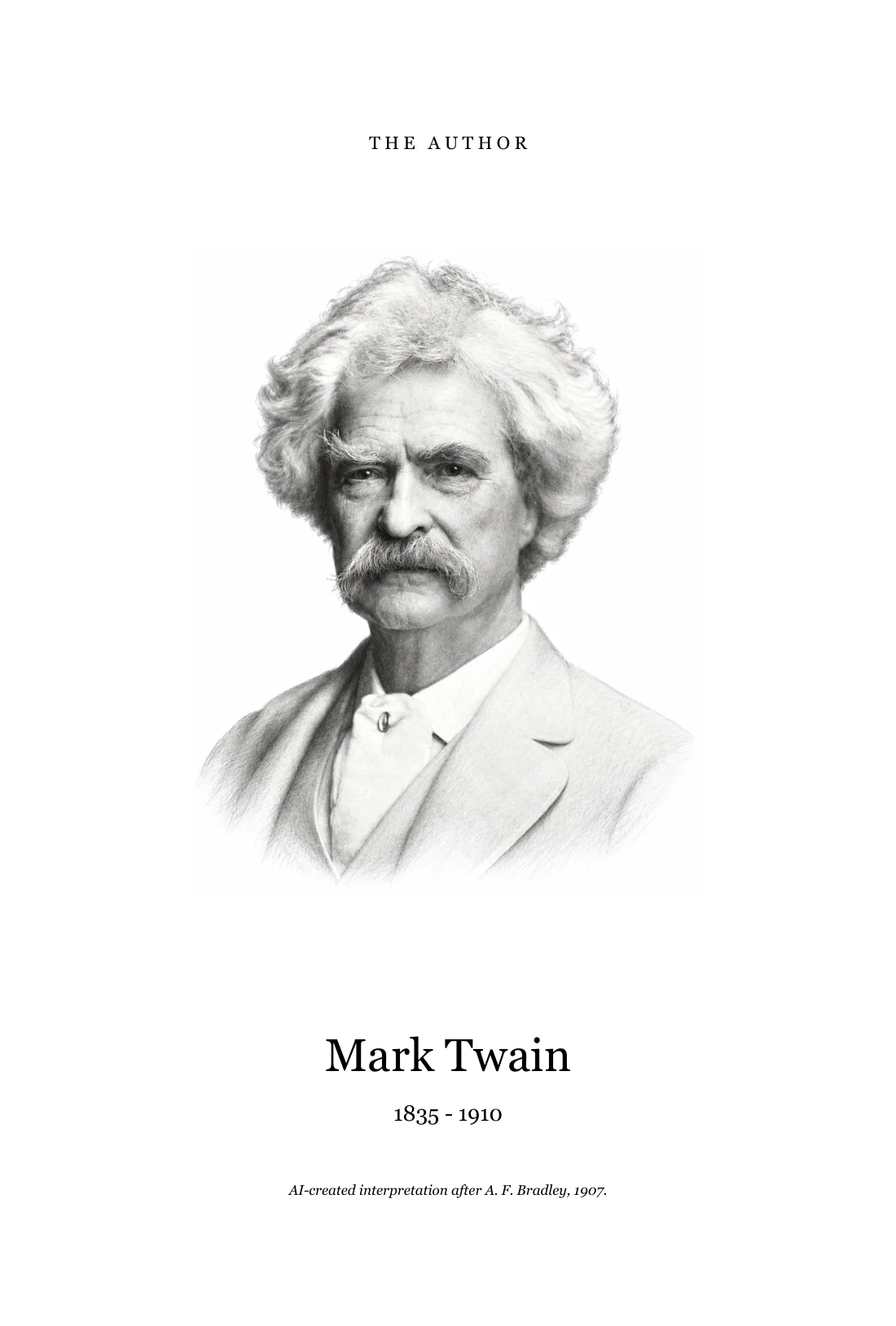
The Adventures of Tom Sawyer
1876. Tom’s great ally is Huckleberry Finn, son of the town drunkard, whom all the mothers dread and all their children admire. Graveyards at midnight, a pirate camp on an island, a cave: the book is a manual for being a boy with a friend in a river town.
Adventures of Huckleberry Finn
1884. Huck and Jim, a boy running from his father and a man escaping slavery, drift down the Mississippi on a raft. Their friendship is the moral heart of the book, though Twain’s language about race, and his portrait of Jim, divide readers today.


Twain wrote Huck as the boy the respectable children were forbidden to play with, which is exactly why they wanted to. Tom Sawyer is the sunny version of that friendship; Huckleberry Finn is the version in which friendship costs something. Read them in that order and the second book lands harder.
Friends who mostly argue
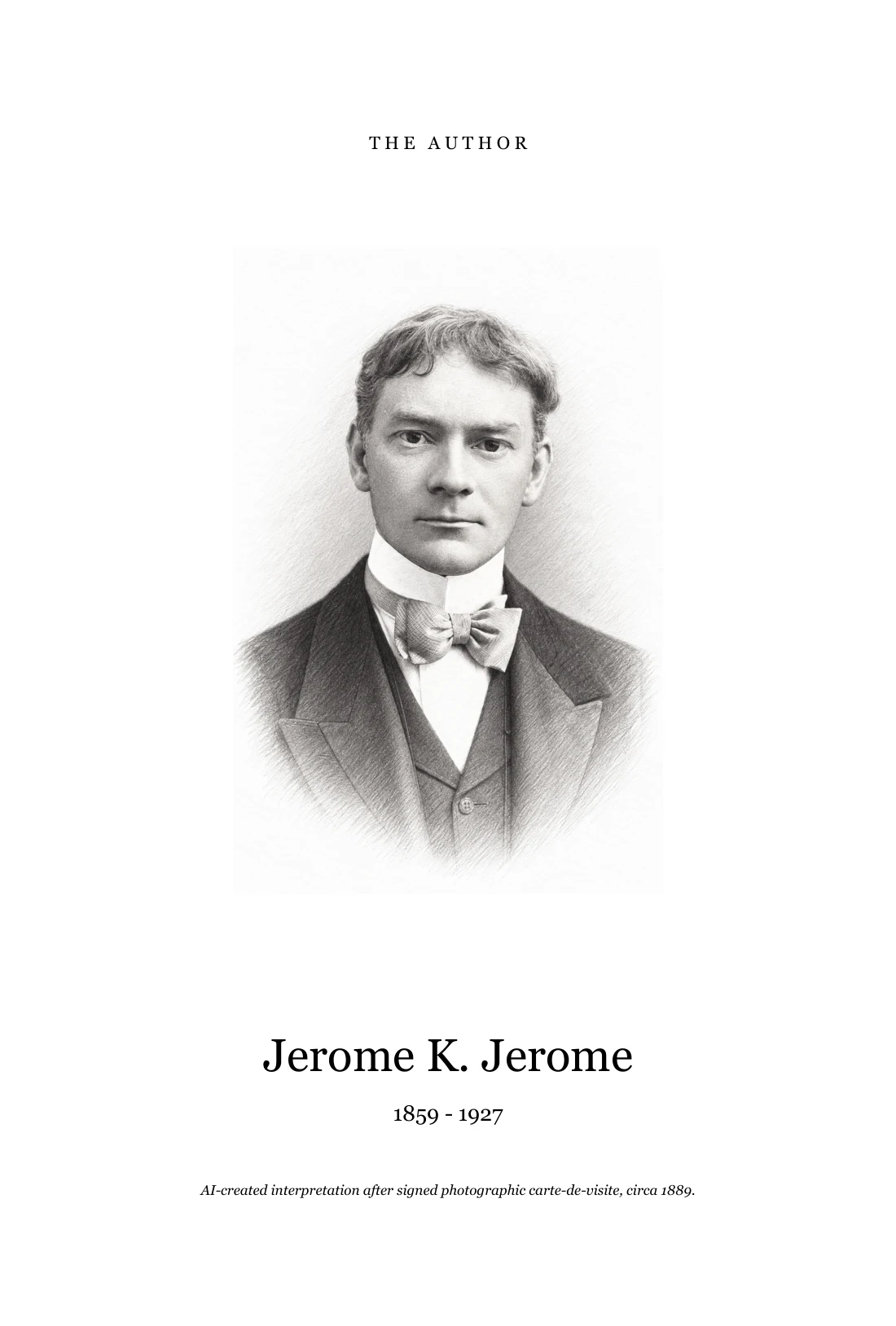
The three men were real. Jerome K. Jerome based George and Harris on his friends George Wingrave and Carl Hentschel, with whom he often went boating; Montmorency, he admitted, was invented. Jerome had planned a serious guide to the river, as Did you know Three Men in a Boat was meant to be a travel guide? explains, but the friendship kept taking over the book.
The smallest friends
“I wish Pooh were here. It’s so much more friendly with two.”
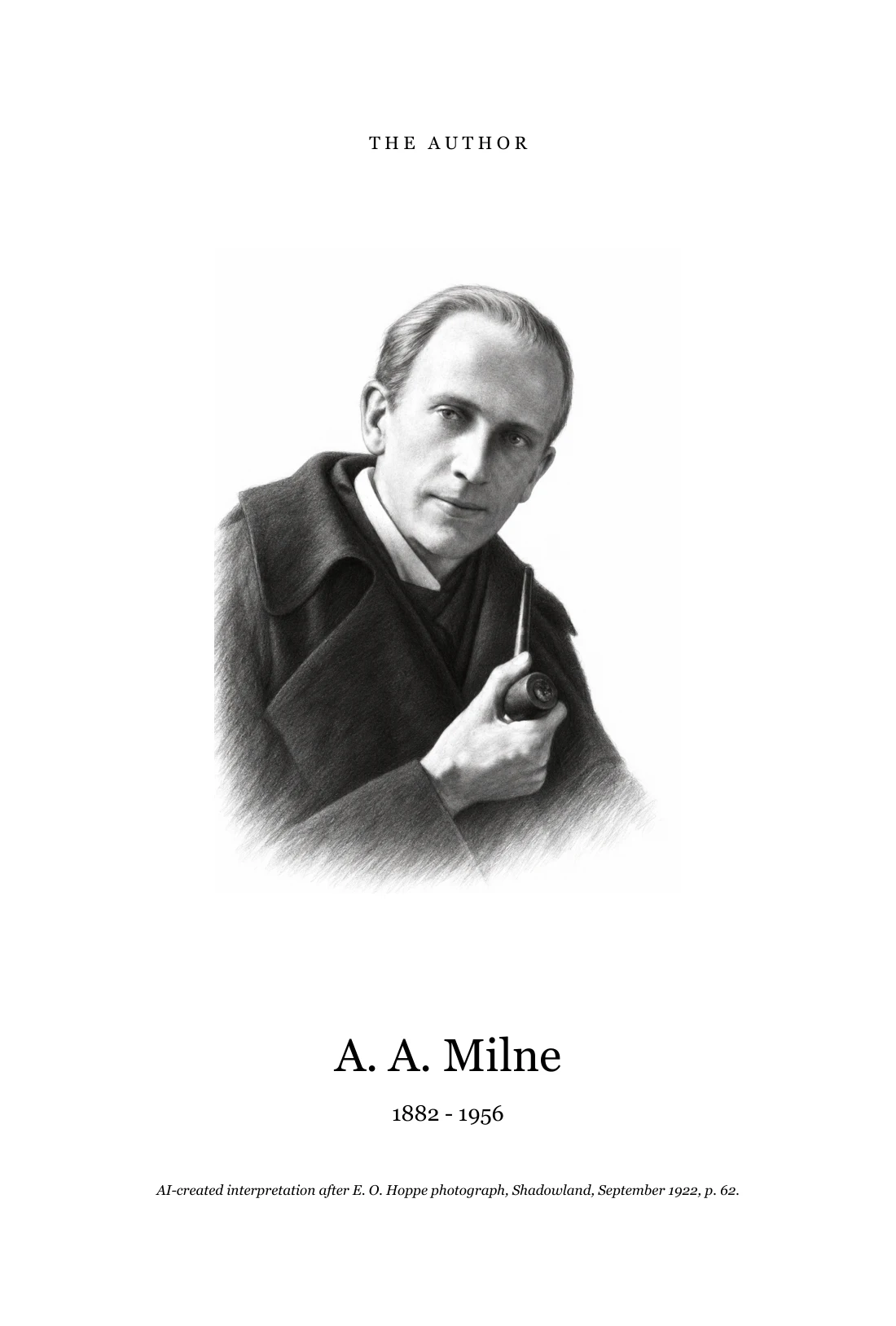
Piglet, in A. A. Milne, Winnie-the-Pooh (1926)
Piglet says this marooned in his house by a flood, which is the point: friendship in the Hundred Acre Wood is most visible when somebody is small and frightened. Pooh offers to find Eeyore’s lost tail, Christopher Robin organises an expedition, and the whole wood turns out to pull Pooh from Rabbit’s front door.
Winnie-the-Pooh
1926. Ten stories of a Bear of Very Little Brain and the friends who put up with him, built by A. A. Milne around his son’s nursery toys. Funny for adults in a different way from how it is funny for children, which is why it lasts.
The House at Pooh Corner
1928. The second and last Pooh book, which ends with Christopher Robin preparing to leave the Forest. Its final chapter is one of the tenderest goodbyes in children’s fiction.


Bosom friends and sworn brothers
Two more books turned friendship into a vow. In Anne of Green Gables Anne asks Marilla whether she will ever have “a bosom friend”, which she defines as “an intimate friend, you know—a really kindred spirit”. Diana Barry duly arrives, and their friendship survives currant wine and a long ban by Diana’s mother. In The Three Musketeers, the duels are forgotten within a day, and d’Artagnan dictates the oath the four of them repeat “with one voice”.
Anne of Green Gables
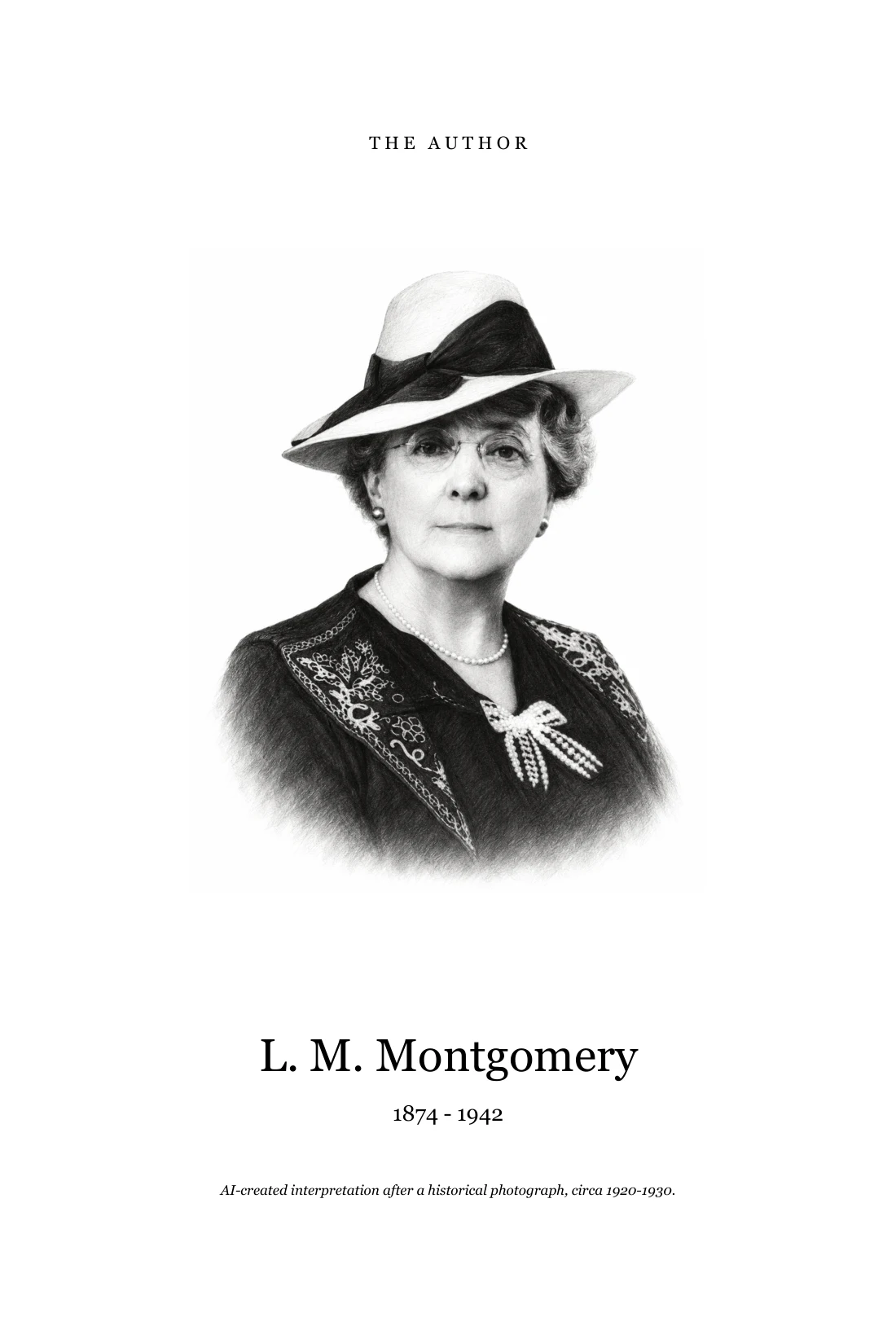
1908. An orphan who talks without stopping, and the girl down the hill who becomes her friend for life. Montgomery’s phrase “kindred spirit” has been borrowed by readers ever since.
The Three Musketeers
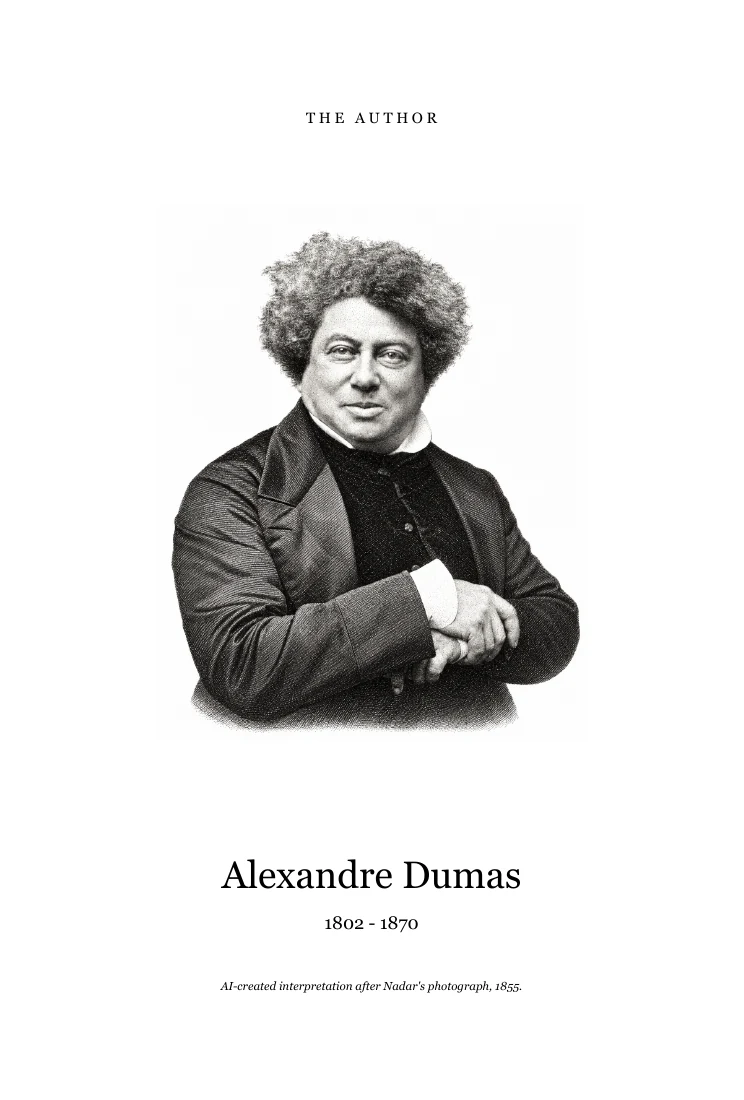
1844. Four swordsmen against a cardinal, a spy and a great deal of bad luck. Dumas makes the friendship the adventure.


Which classic book about friendship should you start with?
For reading aloud, Winnie-the-Pooh: short chapters, real jokes, and a lesson about friendship that never once announces itself. For a teenager, Tom Sawyer followed by Huckleberry Finn. For yourself on a summer evening, Three Men in a Boat, preferably within sight of a river.
If you want the purest of them all, though, it has to be the riverbank. Our posts on funny classic novels and cosy comfort classics have more in the same spirit, but begin with The Wind in the Willows, and with Mole downing tools on a spring morning to go and find out what is happening outside.
Questions readers ask
What is a good classic book about friendship?
The Wind in the Willows is the classic friendship novel for all ages. Winnie-the-Pooh, Tom Sawyer, Anne of Green Gables, Three Men in a Boat and The Three Musketeers are also built around friendships.
What are good books about friendship for kids?
Winnie-the-Pooh and The House at Pooh Corner are ideal for younger children. The Wind in the Willows suits seven or eight and up as a read-aloud, and Tom Sawyer and Anne of Green Gables suit confident readers of about ten and over.
Were the friends in Three Men in a Boat real?
Yes. Jerome K. Jerome based George and Harris on his friends George Wingrave and Carl Hentschel. The dog, Montmorency, was invented.