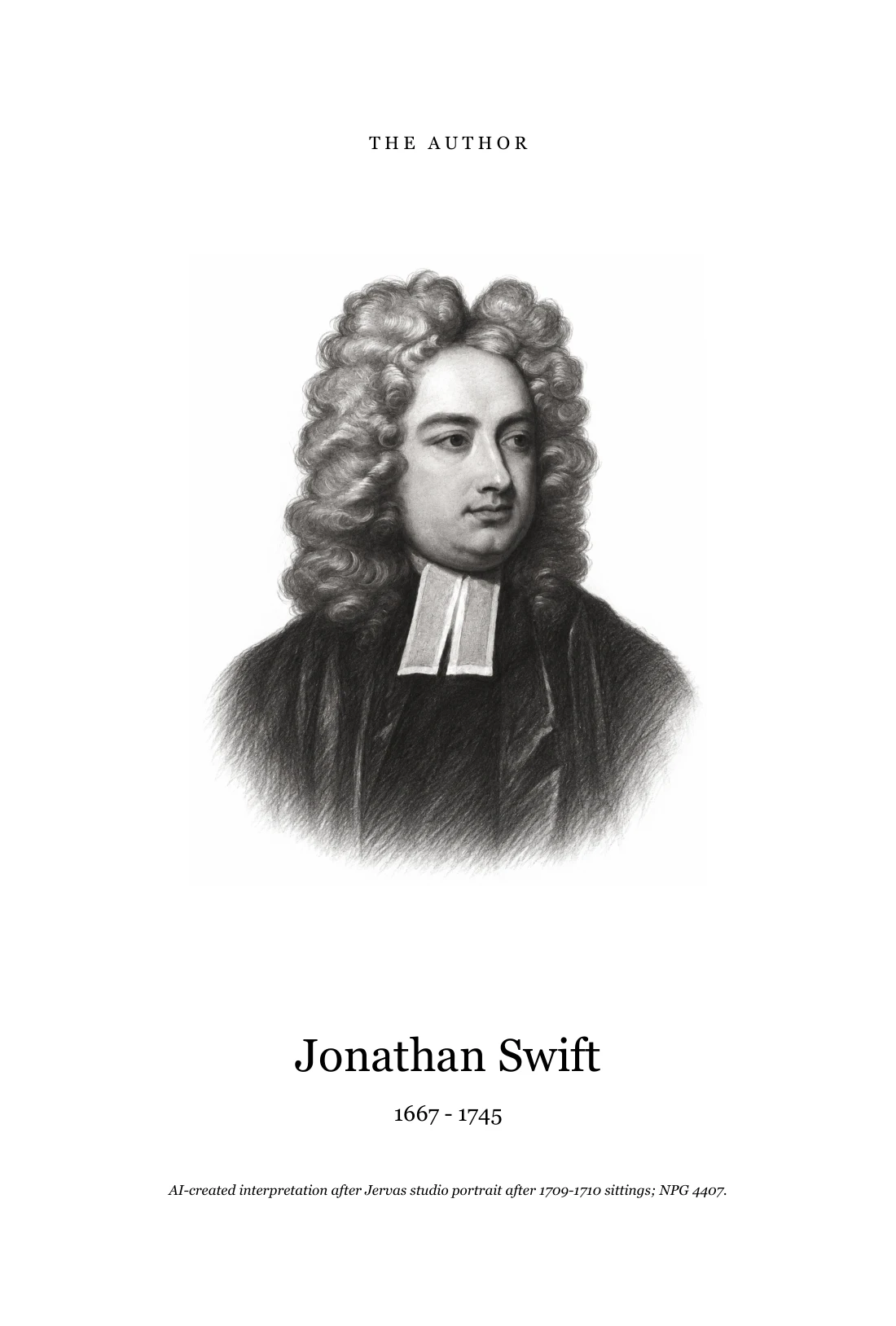
For thirty-two years one of the most savage satirists in the English language worked for St Patrick. Jonathan Swift was appointed Dean of St Patrick’s Cathedral, Dublin, in 1713 and held the post until his death, and it was as Dean that he wrote Gulliver’s Travels. If you want to celebrate St Patrick’s Day with a book, there is something fitting about starting with his dean.
The Irish literature classics below run from Swift’s century to Joyce’s, and they range wider than people expect: savage satire, fairy tale, vampire novel, comedy of manners and a strong candidate for the most ambitious novel of the twentieth century. Some were written in Dublin, some in London or Paris by writers who left, but all of them carry Ireland with them.
Joyce’s Dublin
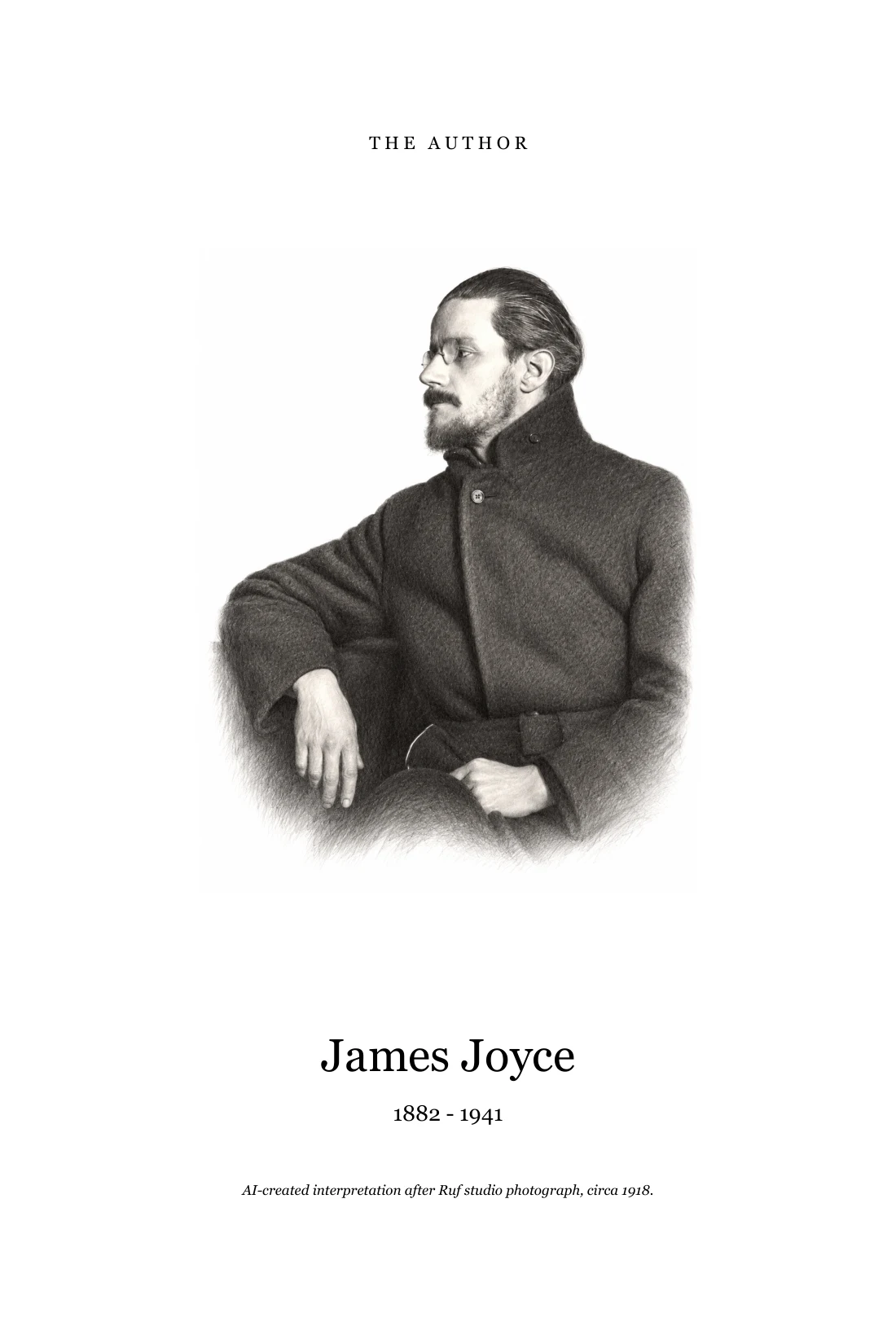
No writer has mapped a city as closely as James Joyce mapped Dublin, and he did it largely from abroad, in Trieste, Zurich and Paris. All three of his books on our shelves are set there.
- $13.99
Dubliners
1914. Fifteen stories of Dublin lives, from childhood to middle age. Joyce submitted it eighteen times to fifteen publishers over nearly a decade before it reached print. It ends with “The Dead”, perhaps the finest long story in English.
- $14.99
A Portrait of the Artist as a Young Man
1916. Stephen Dedalus grows up through school, faith, family arguments and politics until he decides to leave Ireland and become a writer. The prose ages with him, from baby talk to the diary of a young man.
- $19.99
Ulysses
1922. One day in Dublin, 16 June 1904, now celebrated as Bloomsday. Leopold Bloom walks the city while Stephen Dedalus drifts through it, and almost every chapter is written in a different style.


His soul swooned slowly as he heard the snow falling faintly through the universe and faintly falling, like the descent of their last end, upon all the living and the dead.
James Joyce, “The Dead”, Dubliners (1914)
That last sentence of Dubliners follows a paragraph in which the snow is “general all over Ireland”, falling on the central plain, the Bog of Allen and the Shannon. No story makes a better introduction to Joyce. If you want to go further, our guides to how to start reading James Joyce and how to read Ulysses will help.

Myth, magic and James Stephens
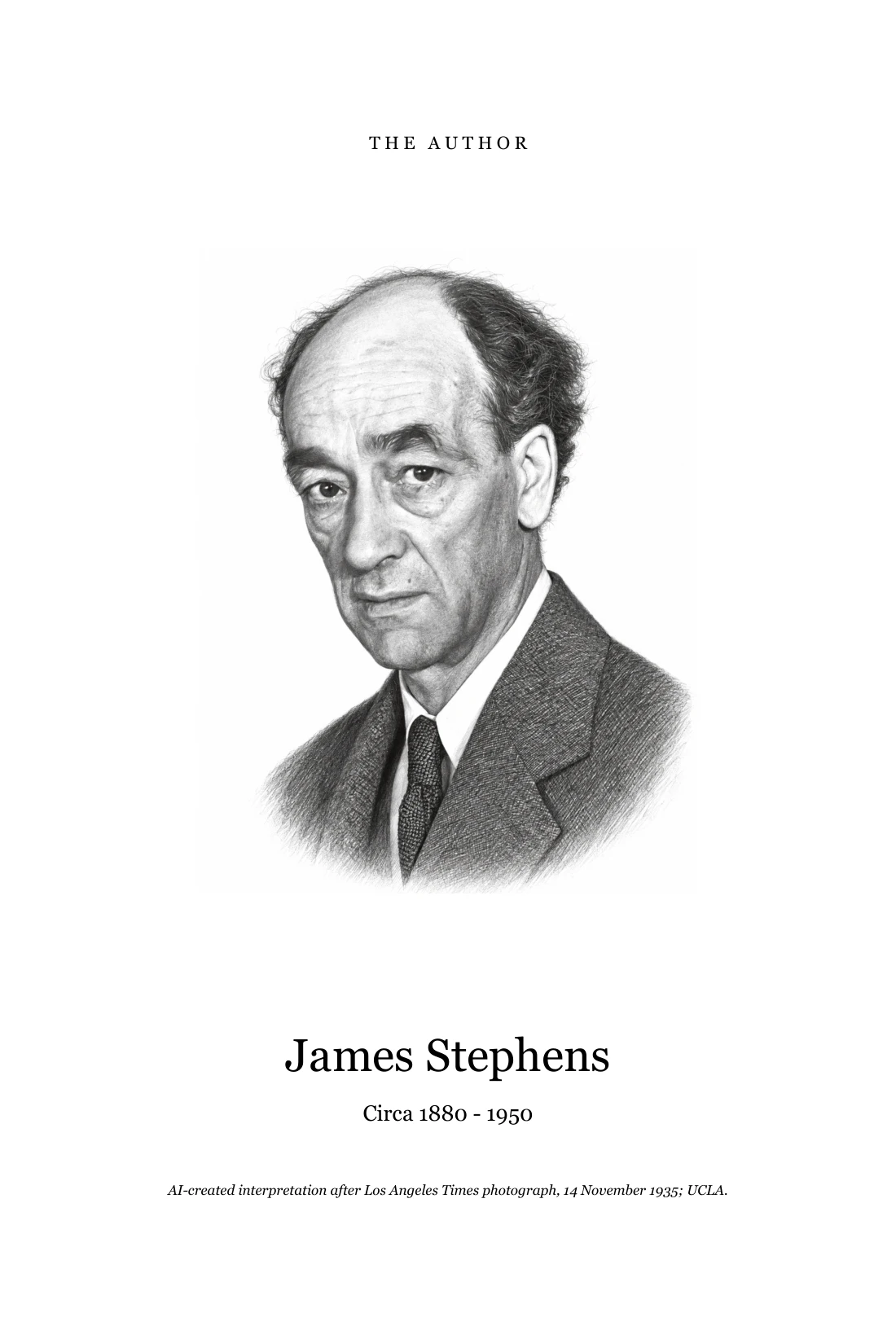
Before the novels came the stories: Fionn mac Cumhaill and the Fianna, the Shee under the hills, gods who walk the roads in disguise. James Stephens, a Dubliner who became Joyce’s friend in later life, retold those stories and invented new ones in the same spirit.
The Crock of Gold
1912. A philosopher, the police, a crock of leprechaun gold and the god Pan loose in the Irish countryside. Funny, wise and very strange, and it won the Polignac Prize the following year.
Irish Fairy Tales
1920. Ten Irish tales retold with humour and lyricism, many about Fionn and the Fianna. The best book to read aloud on St Patrick’s Day.


Irish writers who conquered London
A remarkable number of the Victorian writers London adopted were Irish. Two of their books changed popular culture for good.
The Picture of Dorian Gray
First printed in Lippincott’s in July 1890, expanded into a book in 1891. A beautiful young man stays unmarked while his portrait ages and decays. Oscar Wilde’s only novel.
Dracula
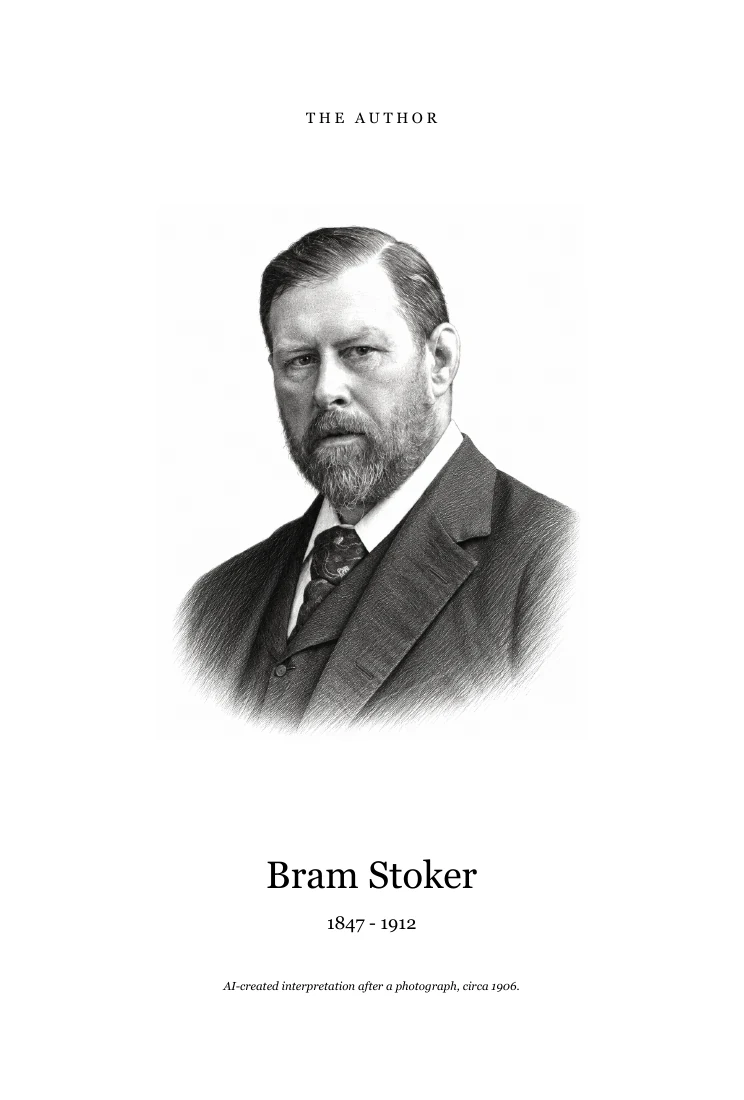
1897. Letters, diaries and newspaper cuttings track a Transylvanian count to England. Bram Stoker was born in Clontarf, Dublin, and worked as a civil servant in Ireland before moving to London.
Pygmalion
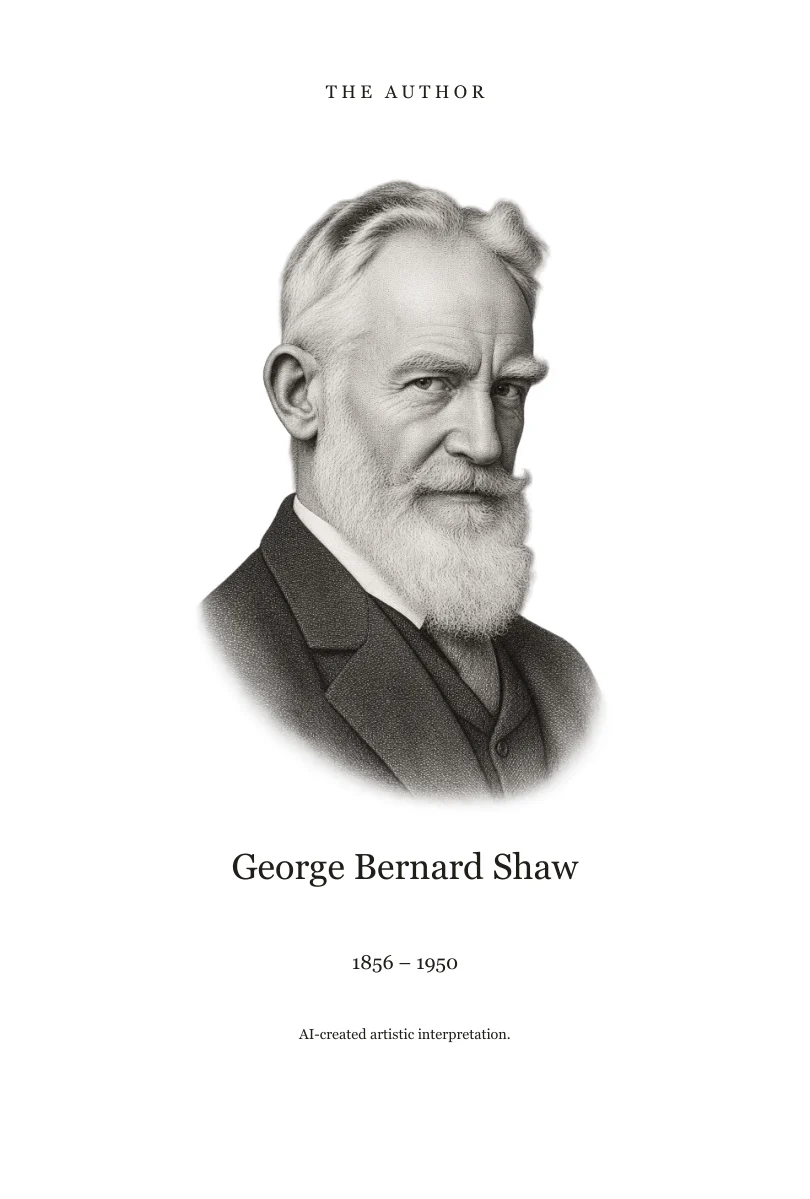
A Covent Garden flower seller, a phonetics professor and a bet. The Dublin-born George Bernard Shaw won the Nobel Prize in 1925 and later an Academy Award for the screenplay of the 1938 film.


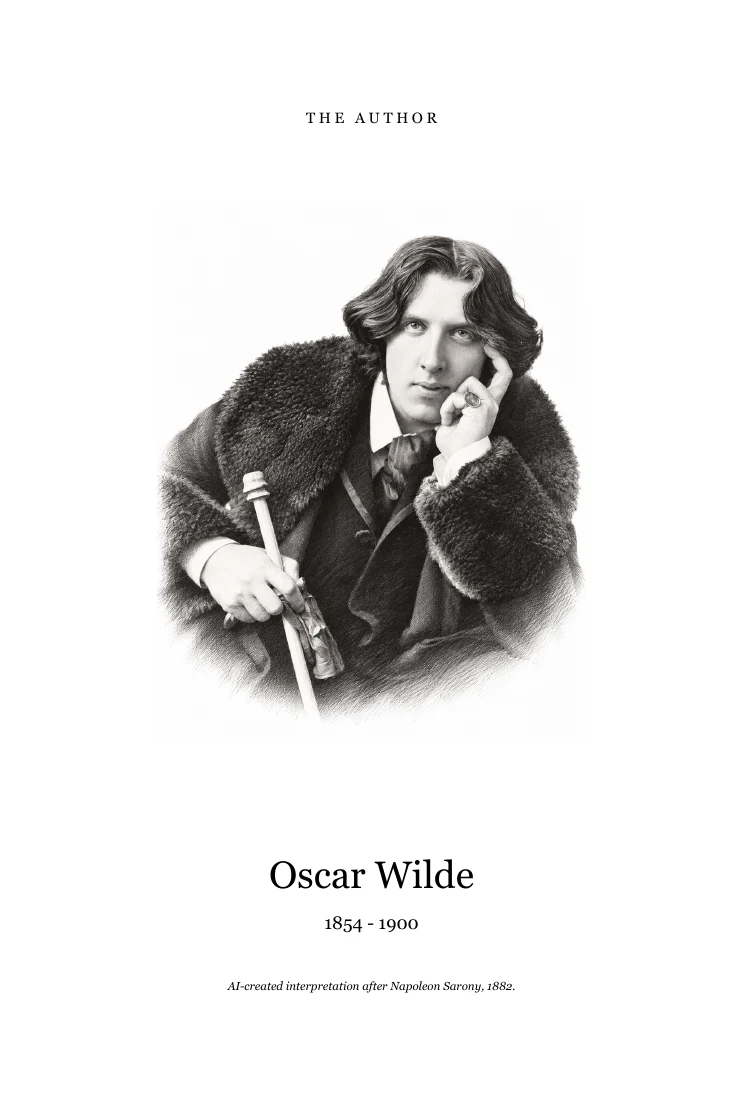
Oscar Wilde and Bram Stoker both grew up in Dublin, and both did their most famous work in London. See Did you know Dorian Gray was used against Wilde in court? and Bram Stoker’s books beyond Dracula, which include The Snake’s Pass, his novel of the west of Ireland.
The eighteenth-century Irish
Go back further and you find two more Irish-born writers who shaped English fiction for good.
Gulliver's Travels
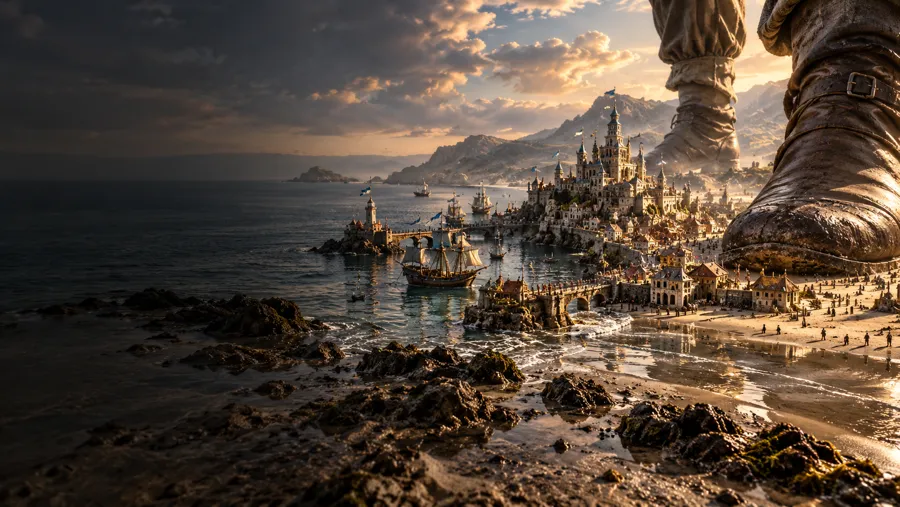
1726. Lemuel Gulliver among the tiny, the giant, the airborne and the horses, and humanity looks worse in every country. Written by the Dean of St Patrick’s.
A Modest Proposal
1729. Swift’s straight-faced proposal that the children of the Irish poor be sold as food. Read it to see how anger can be put to work.
The Life and Opinions of Tristram Shandy, Gentleman
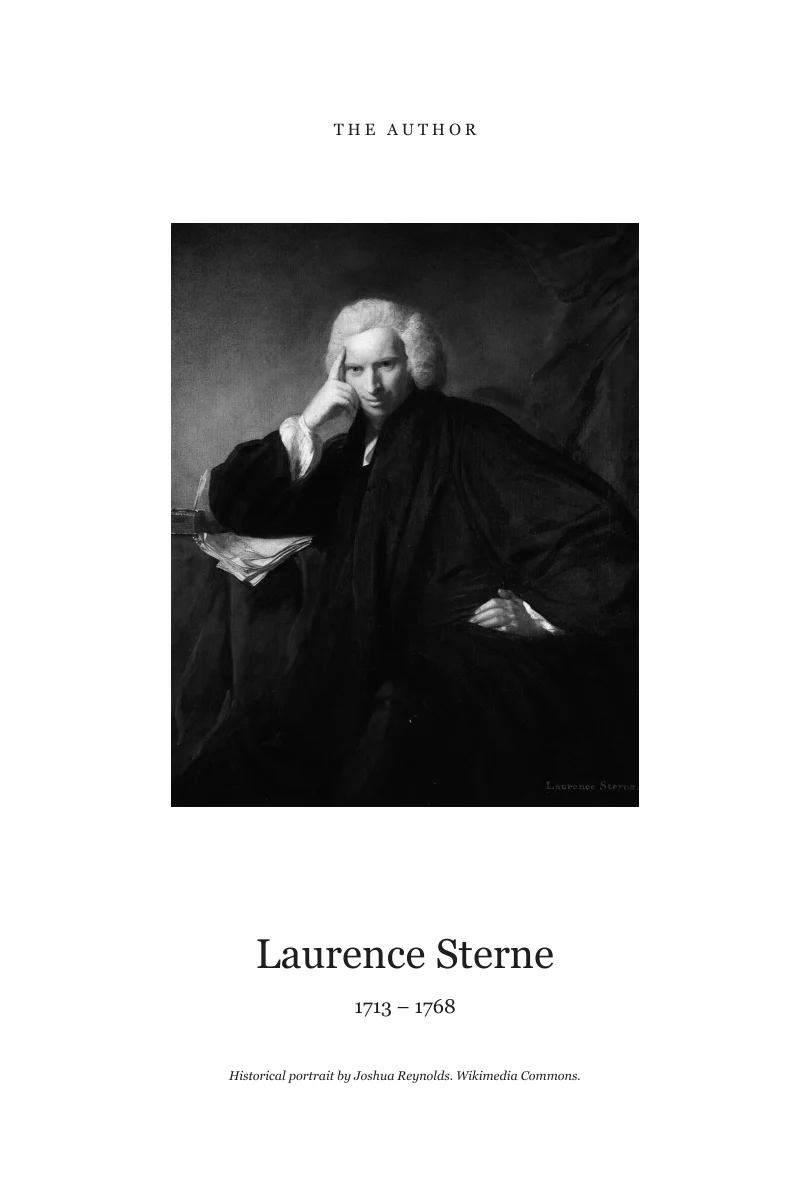
Laurence Sterne was born in Clonmel, County Tipperary, in 1713. His hero takes several volumes to get himself born, and the book plays games with typography and time that still look modern.


Which Irish literature classic suits St Patrick’s Day?
For an evening, take Dubliners and read “The Dead”. For laughter, The Crock of Gold. For something to read aloud to the family on 17 March, Irish Fairy Tales. And if you are in the mood for a fight with the world, Gulliver’s Travels, which our post on Gulliver’s Travels as political satire explains. Whichever you choose, start with Dubliners if you can: fifteen doors into one city, and the snow at the end.
Questions readers ask
What are the best Irish literature classics?
Dubliners, A Portrait of the Artist as a Young Man and Ulysses by James Joyce, Gulliver’s Travels by Jonathan Swift, The Picture of Dorian Gray by Oscar Wilde, Dracula by Bram Stoker and The Crock of Gold by James Stephens are a strong starting list.
What is a good Irish book to read on St Patrick’s Day?
James Stephens’s Irish Fairy Tales retells the old stories of Fionn and the Fianna and reads aloud beautifully. For adults, Joyce’s Dubliners is the classic choice.
Was Bram Stoker Irish?
Yes. Bram Stoker was born in Clontarf, Dublin, in 1847 and worked in the Irish civil service before moving to London, where he managed the Lyceum Theatre and wrote Dracula.