

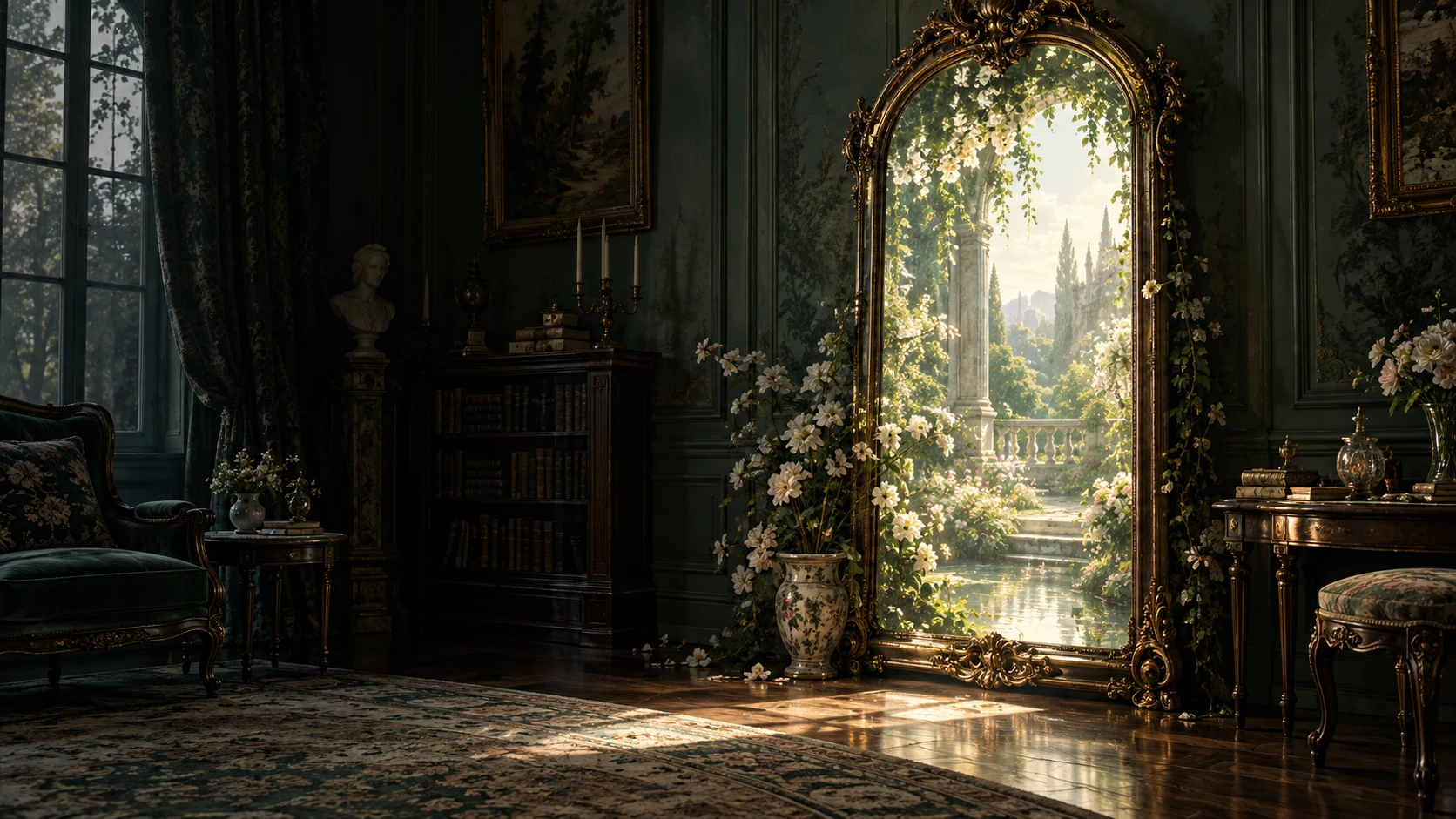
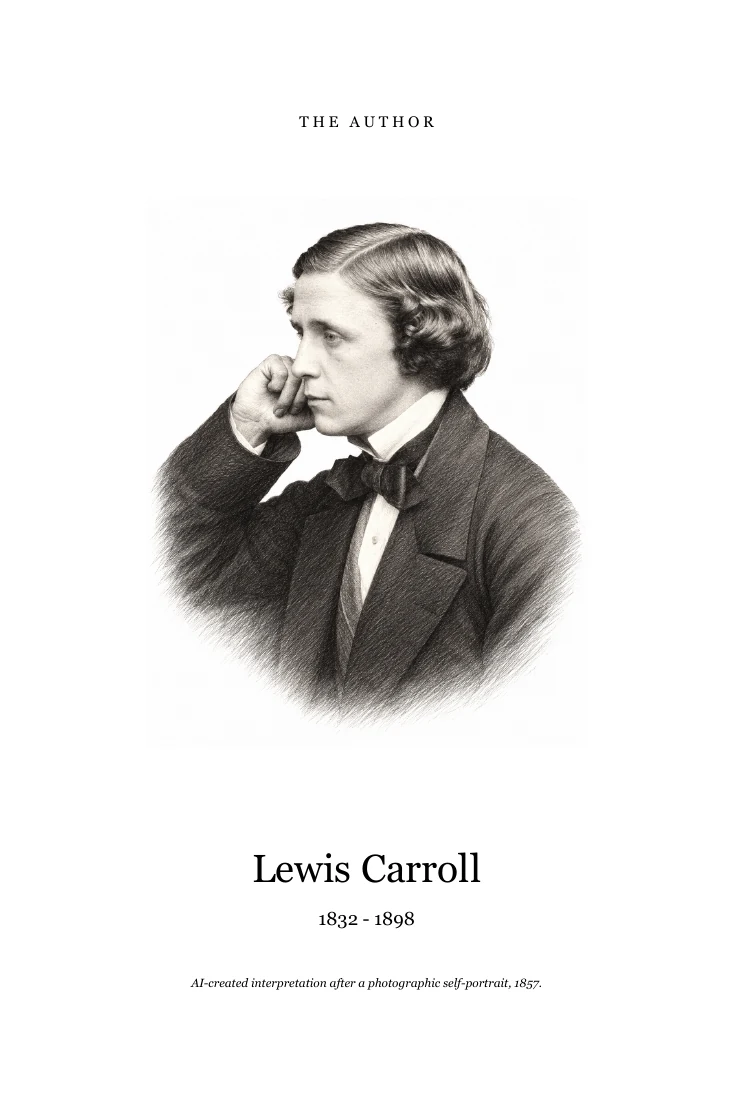
Alice’s Adventures in Wonderland was published in 1865. Six years later, Lewis Carroll sent Alice on a second journey, this time through the mirror above the drawing-room fireplace. Through the Looking-Glass, and What Alice Found There appeared at the end of 1871, and it is the one and only Alice in Wonderland sequel.
If you know Alice mainly from films, you have probably met both books without realising it. Adaptations routinely blend them, which is why so many people are surprised to learn that some of the most famous Alice characters and scenes never appear in Wonderland at all.
The Alice books in order
- $12.99
Alice's Adventures in Wonderland
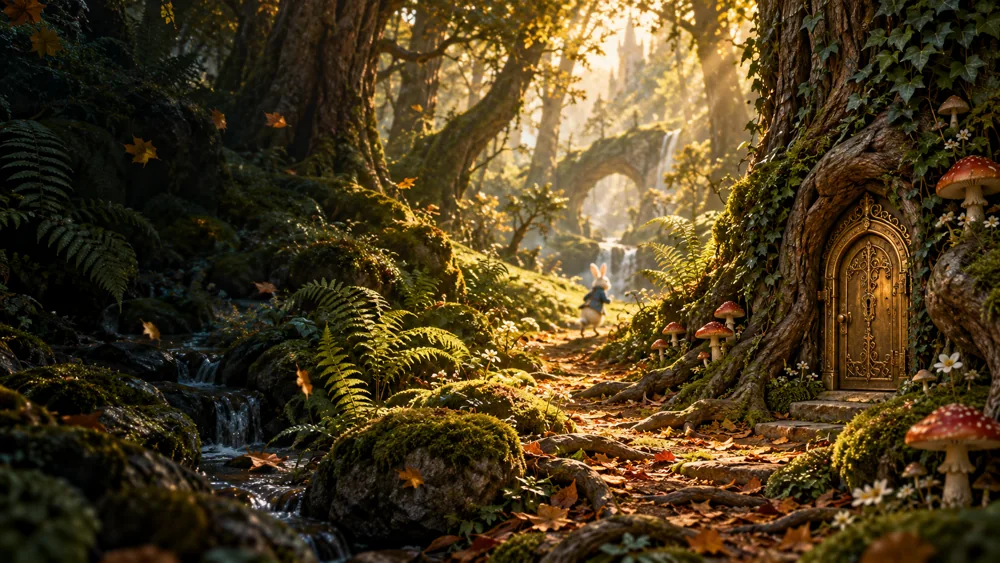
1865. Alice follows a White Rabbit down a hole and into a world of shrinking, growing, a Mad Tea-Party, a grinning Cheshire Cat and a furious Queen of Hearts.
- $10.99
Through the Looking-Glass
1871. Alice climbs through the looking-glass into a land laid out like a chessboard, and sets out to become a queen. Humpty Dumpty, the Red Queen and “Jabberwocky” all live here.


What happens in Through the Looking-Glass?
On a snowy winter’s day, Alice is playing with her kitten and wondering what the world behind the mirror is like. She climbs onto the mantelpiece, and the glass melts away. On the other side, everything is reversed: the clock has a face, the chessmen are alive, and to get anywhere you must walk away from it.
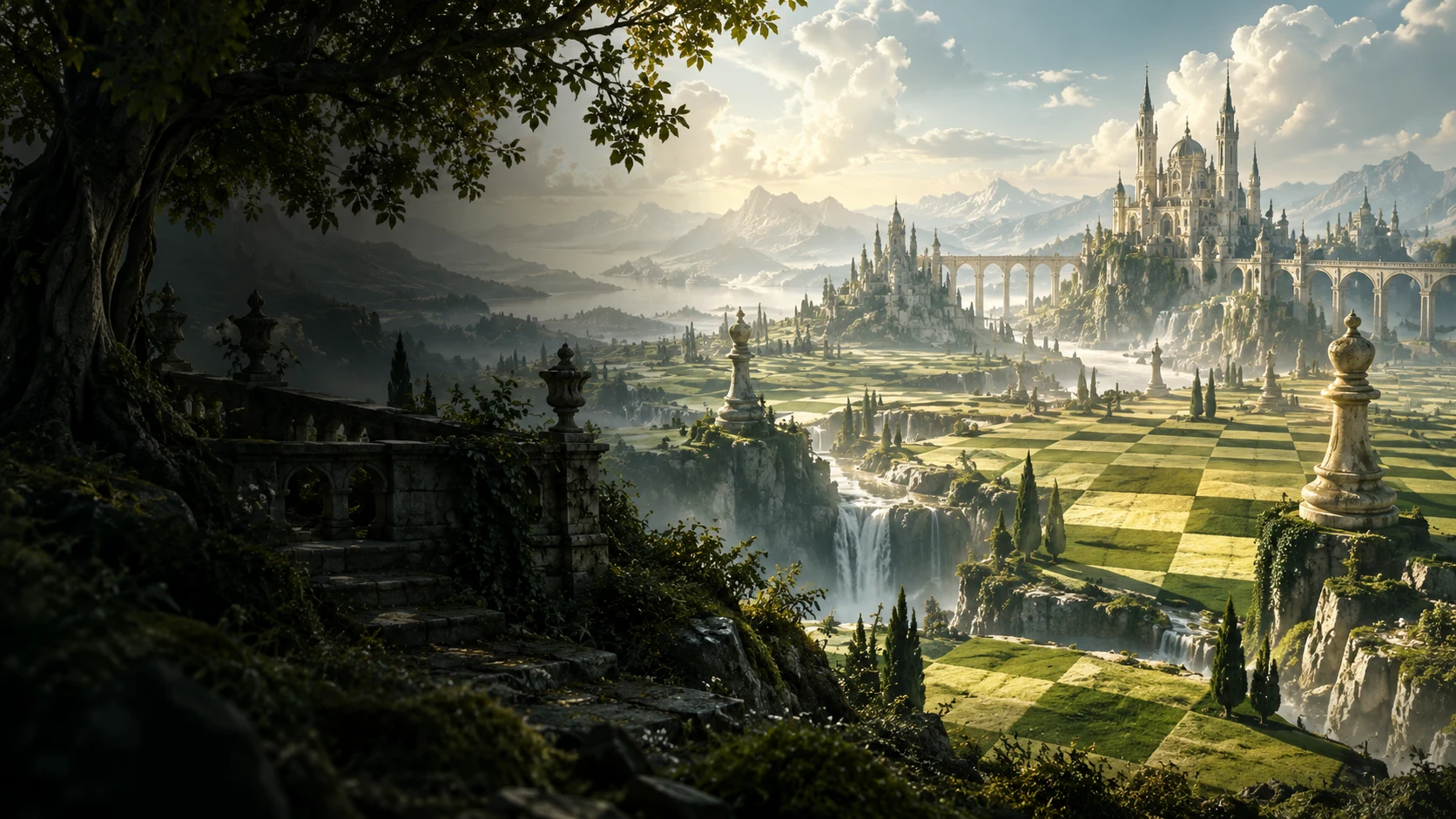
From a hilltop she sees that the countryside is laid out in squares, like a giant chessboard, and the Red Queen tells her that if she starts as a pawn and reaches the eighth square, she will become a queen herself. The rest of the book follows Alice’s journey across the board, square by square, meeting a new set of characters at each stage: talking flowers, Tweedledum and Tweedledee, the White Queen, who lives backwards, Humpty Dumpty sitting on his wall, and the kind, hopeless White Knight.
“’Twas brillig, and the slithy toves / Did gyre and gimble in the wabe”
“Jabberwocky”, Through the Looking-Glass (1871)
How is the sequel different from Wonderland?
Alice in Wonderland is a dream of chaos, with things happening for no reason at all. Through the Looking-Glass is far more ordered. Its whole plot follows a game of chess, and its jokes are about mirrors, reversals, logic and language. Humpty Dumpty’s argument that words mean whatever he chooses them to mean has been quoted in arguments about meaning ever since.
It is also a little sadder. Alice is a little older (she tells the White Queen she is seven and a half exactly), and the book is full of farewells, most famously the White Knight’s, which many readers take as Carroll’s own goodbye to the real Alice, by then growing up. The poem at the very end spells out her name in its first letters.
Which famous scenes come from the sequel?
More than you might expect. All of these are from Through the Looking-Glass, not Wonderland:
- “Jabberwocky”, the great nonsense poem, which Alice can only read by holding it up to a mirror.
- Tweedledum and Tweedledee, and their recitation of “The Walrus and the Carpenter”.
- Humpty Dumpty and his “unbirthday” presents.
- The Red Queen, who must run as fast as she can just to stay in the same place.
- The White Queen’s promise of “jam to-morrow and jam yesterday — but never jam to-day”.
Meanwhile the Queen of Hearts, the Mad Hatter, the Cheshire Cat and the caterpillar belong to Wonderland. The Red Queen and the Queen of Hearts are often merged in adaptations, but in the books they are two quite different characters.
Should you read the two books together?
Yes. Both are short, and together they make a perfect pair, one summer and one winter, one chaos and one order. Read aloud, they suit children from about six, though many of the jokes are aimed at adults. Each can be finished in an evening or two, which is why we include them in classics you can read in one evening.
If the Alice books leave you wanting more of the same strange magic, try our list of books like Alice in Wonderland. And for how Disney combined the two books into one film, see Disney films based on classic books.
But if you have only ever been to Wonderland, the sequel is waiting on the other side of the glass. Open Through the Looking-Glass, and step into the room behind the mirror.
Questions readers ask
Is there a sequel to Alice in Wonderland?
Yes. Lewis Carroll wrote Through the Looking-Glass, and What Alice Found There, published at the end of 1871, six years after Alice’s Adventures in Wonderland.
Is Through the Looking-Glass the same as Alice in Wonderland?
No. It is a separate book with a different story, in which Alice enters a chessboard world through a mirror. Films often mix characters from both books together.
Is Humpty Dumpty in Alice in Wonderland?
No. Humpty Dumpty appears in Through the Looking-Glass, the sequel, along with Tweedledum and Tweedledee and the poem Jabberwocky.
Which Alice book should I read first?
Read Alice’s Adventures in Wonderland first, then Through the Looking-Glass. The second book stands alone but echoes the first in many small ways.
