The Spanish word pícaro, meaning a rogue or rascal, turns up with its modern sense around 1545. Nine years later an anonymous little book appeared, telling the life of a boy from Salamanca who survives by tricking a string of masters. The word pícaro never appears in it. Yet Lazarillo de Tormes (1554) is the book modern scholars credit with founding the picaresque, a label nobody attached to it until the phrase “picaresque novel” was coined in 1810.
So what is a picaresque novel? In its classic form it is the first-person life story of a likeable rogue of low birth who lives by his wits, moving from place to place and master to master through a society shown as greedy and hypocritical. It is episodic rather than tightly plotted, plain and realistic in style, and usually comic and satirical. The hero rarely changes much. Once a pícaro, always a pícaro.
The marks of a picaresque novel
Literary handbooks since the 1930s have listed the same family of features. Not every picaresque has all of them, and in English the word is often used loosely for any episodic tale of a rogue on the road.
- *A first-person narrator* telling his own life as an autobiography.
- *A hero of low birth or uncertain parentage*, who survives by cunning rather than steady work.
- *Episodes rather than a plot*: one master, town or scrape after another.
- *Little inner change*: circumstances shift, the rogue mostly does not.
- *Plain, realistic language*, a deliberate contrast with the knights and enchanters of chivalric romance.
- *Satire*, often aimed at the respectable.
- *Behaviour that stops just short of real criminality*, so the reader stays on the rogue’s side.
Lazarillo de Tormes, the first picaresque
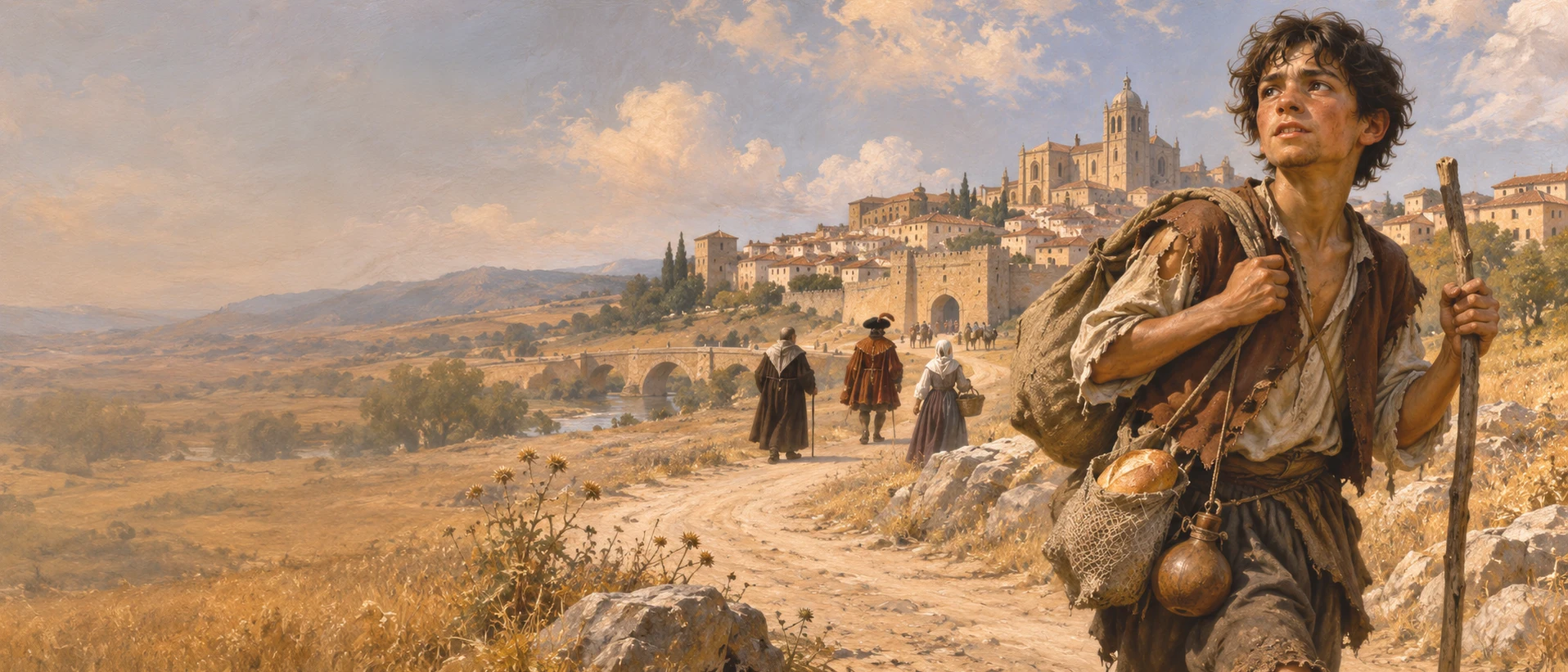
The oldest surviving editions of Lazarillo de Tormes were printed in 1554 in four places: Burgos, Medina del Campo and Alcalá de Henares in Spain, and Antwerp in the Spanish Netherlands. Its author stayed anonymous, almost certainly because of how it treats the Church. Lázaro serves a blind beggar, a miserly priest who locks his bread in a chest, a proud squire too poor to feed himself, and a pardoner who stages a fake miracle to sell indulgences. The book was placed on the Spanish Inquisition’s index of forbidden books, and the version later allowed to circulate in Spain cut two chapters entirely.
This will teach you that a blind man’s boy ought to be one point more knowing than the devil himself
*The Life of Lazarillo de Tormes*, trans. Clements Markham (1908), First Master
The blind man says it after smashing the boy’s head against a stone bull on the bridge at Salamanca. Lázaro tells us he woke up at that moment from the simplicity of childhood, and the rest of the book is his education in deceit. It is short, often very funny and, in its picture of hunger, quietly savage.
- c. 1545
The word pícaro appears in Spanish in its modern sense
- 1554
Lazarillo de Tormes is published anonymously
- 1576
It appears in English translation
- 1594
Thomas Nashe’s The Unfortunate Traveller, often called the first English picaresque
- 1599–1604
Mateo Alemán’s Guzmán de Alfarache, the book contemporaries called the book of the pícaro
- 1715
Alain-René Le Sage begins publishing Gil Blas in France
- 1748
Smollett translates Gil Blas and publishes Roderick Random
- 1759
Voltaire’s Candide
- 1810
The phrase “picaresque novel” is coined
How the picaresque reached England: Smollett
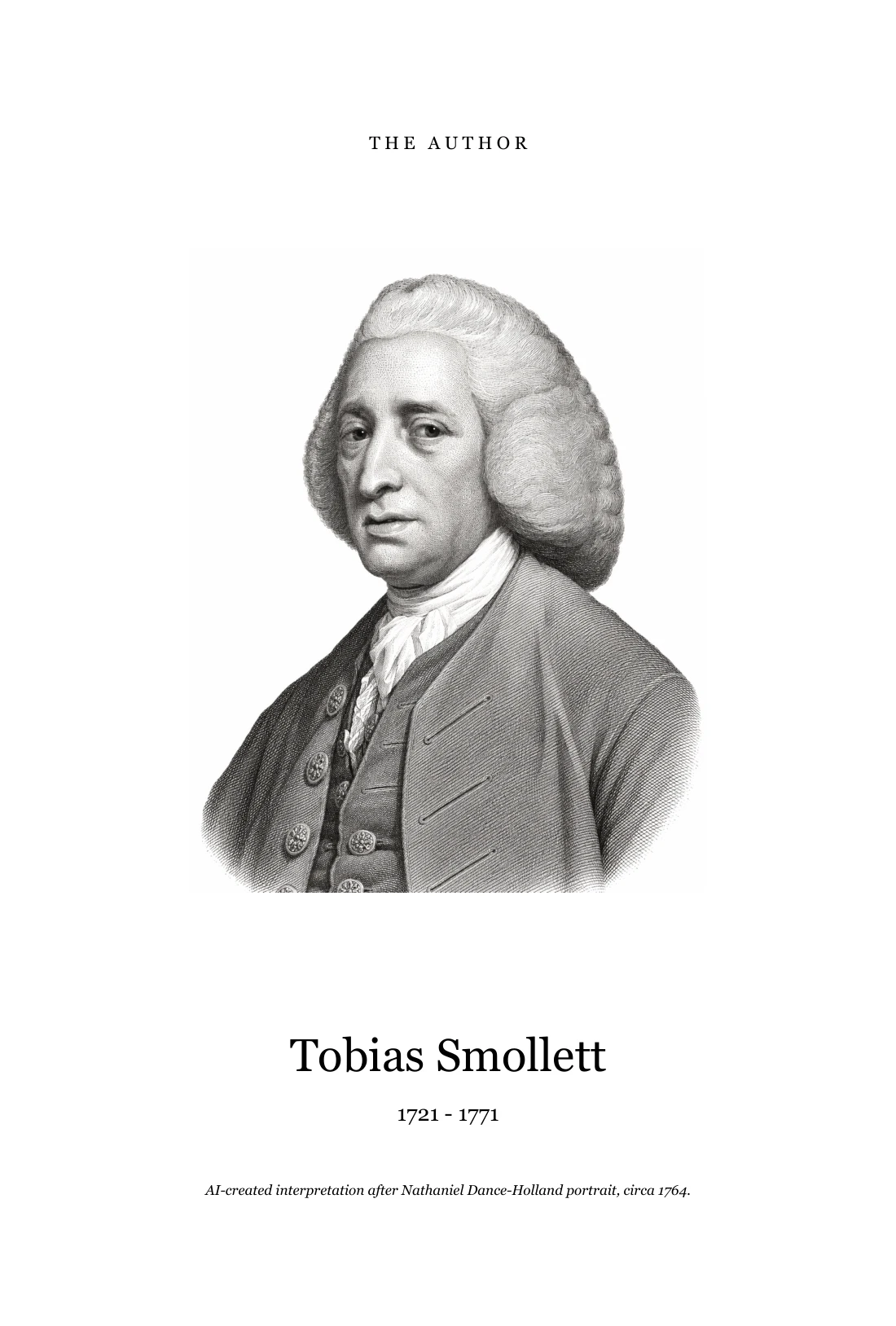
Spanish rogues travelled fast. Germany had Grimmelshausen’s Simplicius Simplicissimus (1669), France had Le Sage’s Gil Blas, and in Britain the form fed into Fielding, Sterne and, most directly, Tobias Smollett. In the preface to The Adventures of Roderick Random (1748), Smollett says plainly that he modelled his book on Le Sage, but wanted more pity and less laughter:
I have attempted to represent modest merit struggling with every difficulty to which a friendless orphan is exposed, from his own want of experience, as well as from the selfishness, envy, malice, and base indifference of mankind.
Tobias Smollett, preface to *The Adventures of Roderick Random*
Roderick is a Scottish gentleman’s son disowned by his father’s family, who tells his own story as he is cheated in London, press-ganged into the navy, carried off to France and back, and set to chasing heiresses in Bath. The naval chapters draw on Smollett’s own service as a surgeon’s mate aboard HMS Chichester during the disastrous British attack on Cartagena in 1741, and they give a raw, first-hand picture of life below decks.
Five years later Smollett turned the formula inside out. The Adventures of Ferdinand Count Fathom (1753) follows not a wronged innocent but a villainous charmer who swindles and seduces his way across Europe. It sold less well than his earlier novels, but Walter Scott called it a complete picture of human depravity, and its scenes of terror have led some historians to see it as a forerunner of the Gothic novel.

Is Candide a picaresque novel?
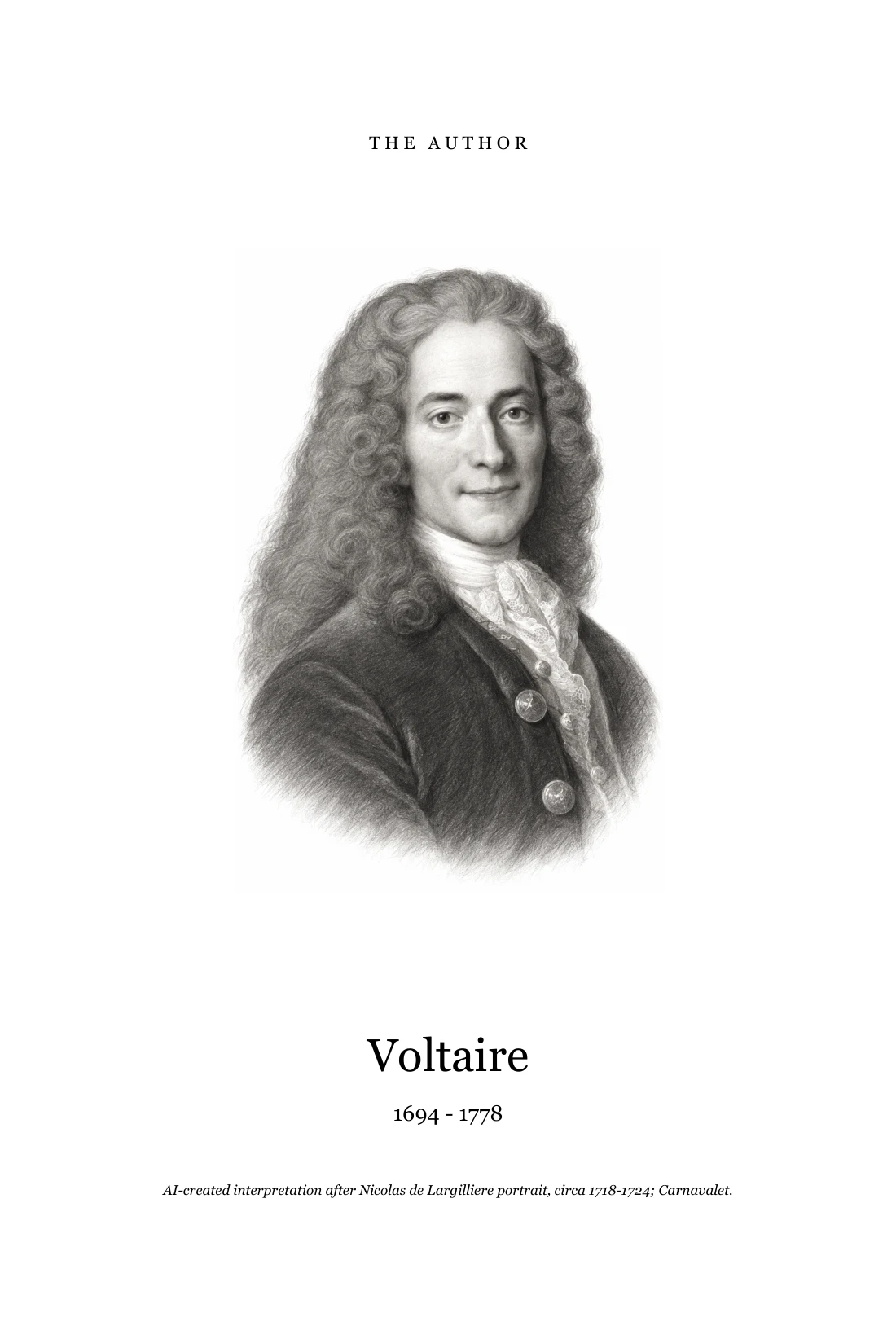
Partly. Voltaire’s Candide (1759) borrows the picaresque shape: an innocent young man is thrown out of a castle and dragged through war, earthquake, shipwreck and the Inquisition, one episode after another. But Candide is a dupe rather than a rogue, the story is told in the third person, and its real target is a philosophy, the belief that this is the best of all possible worlds. Critics usually say it has picaresque elements rather than calling it a picaresque outright. We cover its stormy publication in Candide was banned the year it was published.
The Life of Lazarillo de Tormes
1554. A boy serves a blind beggar, a miser priest and a starving squire, and learns to out-cheat them all. The book that started the genre, and it is short.
The Adventures of Roderick Random
1748. A disowned Scot battles poverty, press gangs and snobbery from London to the Caribbean. Smollett’s rowdy first novel, with unforgettable naval chapters.
The Adventures of Ferdinand Count Fathom
1753. Smollett reverses the picaresque and makes his rogue a true villain. Darker than Roderick Random, with flashes of Gothic terror.
Candide
1759. An optimist’s education by disaster, in little more than a hundred pages. Picaresque in shape, philosophical in aim.


For more comic fiction in this vein, see the funniest classic novels and classic satire.
Begin at the beginning with The Life of Lazarillo de Tormes. It is a single evening’s read, and every rogue’s memoir you open afterwards will owe it something.
Questions readers ask
What is a picaresque novel?
A picaresque novel is an episodic story, usually told in the first person, about a roguish hero of low social standing who lives by his wits in a corrupt society. The genre began in Spain with Lazarillo de Tormes (1554).
What was the first picaresque novel?
Lazarillo de Tormes, published anonymously in Spain in 1554, is generally regarded as the first picaresque novel or at least its founding model.
What are some examples of picaresque novels?
Classic examples include Lazarillo de Tormes, Mateo Alemán’s Guzmán de Alfarache, Le Sage’s Gil Blas and Tobias Smollett’s Roderick Random. Novels such as Candide and Huckleberry Finn have picaresque elements.
What does picaresque mean?
It comes from the Spanish pícaro, a rogue or rascal. A picaresque story follows such a rogue through a series of adventures.