Dracula opens on 3 May and its last dated journal entry falls on 6 November. Between those two days lie diaries, letters, telegrams and newspaper cuttings, each one stamped with the day it was supposedly written. It is a novel that arrives with its own reading calendar attached.
Read straight through, it is shorter than that calendar suggests. Our edition of Dracula has 414 pages; divide by the fifty an hour that our book cards allow and you get a little over eight hours. Some people will take ten, some six; Stoker’s documents are quick to read, though some of Professor Van Helsing’s speeches are not.
How many chapters are in Dracula?
Twenty-seven, each headed with the name of whoever is writing: Jonathan Harker’s journal, Dr Seward’s diary, letters between Mina Murray and Lucy Westenra, and so on. The chapters are short and full of breaks between entries, so the book divides easily into sittings of any length. We look at how all those documents work together in Dracula is told entirely through diaries and letters.
The first four chapters belong to Harker alone. His journal runs from 3 May, the day he reaches Bistritz on his way to the Count, to 30 June, when he writes that these may be the last words he ever puts in his diary. Those four chapters make a perfect first evening: a complete, terrifying story in themselves, under an hour and a half for most readers.
3 May. Bistritz.—Left Munich at 8:35 P. M., on 1st May, arriving at Vienna early next morning; should have arrived at 6:46, but train was an hour late.
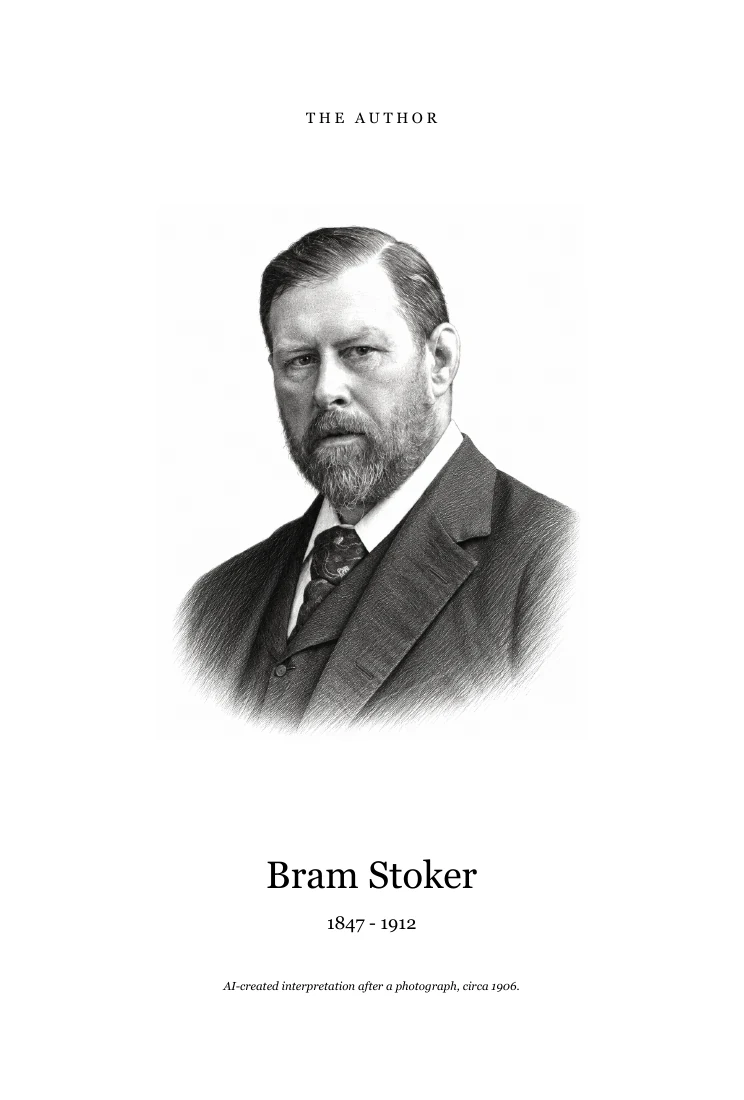
Bram Stoker, Dracula (1897)
Then Stoker does something surprising. Chapter five opens with a letter from Mina to Lucy dated 9 May, and the calendar jumps back seven weeks to England, where nobody knows what Harker is going through. The book is not in strict date order; it is arranged the way someone assembling a file might arrange it.
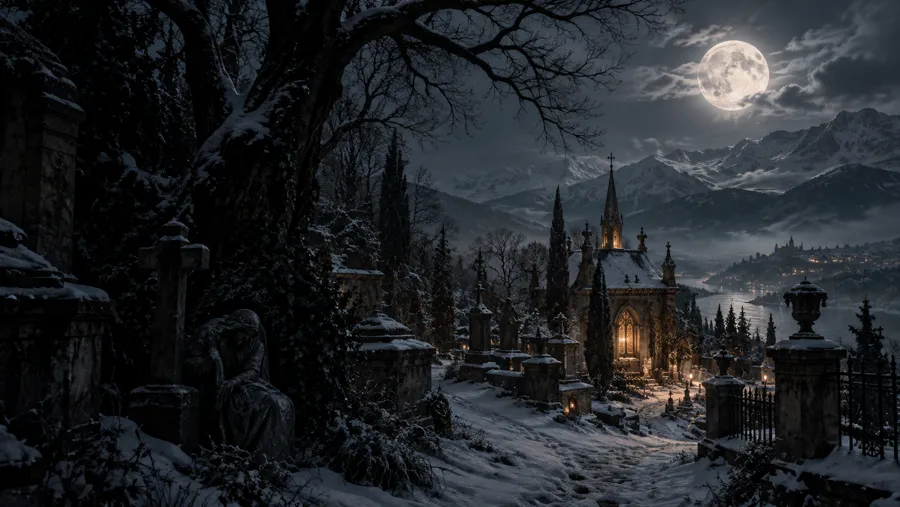
Reading Dracula in real time
Because nearly every entry is dated, you can read each one on the day it was written. In 2021 the web designer Matt Kirkland began doing exactly that with a free email newsletter, Dracula Daily, which sends subscribers each day’s portion of the novel on the matching date. Its second run, in 2022, reportedly grew to more than 200,000 subscribers, and it has returned every spring since.
You do not need a newsletter to try it. Start on 3 May with the first entry and read whatever is dated today. Some days there is nothing; some days there are several pages. Here is roughly how the year unfolds:
- 3 May
Jonathan Harker writes from Bistritz, on his way to the Count’s castle in the Carpathians.
- 30 June
Harker’s last entry from the castle closes the novel’s first four chapters.
- 8 August
A great storm drives a ship into Whitby harbour, reported in a newspaper cutting.
- 2 September
Dr Seward writes to his old teacher in Amsterdam, Professor Van Helsing, for help.
- October
The busiest month of the book, which begins in London and ends in the mountains of Romania.
- 6 November
The last dated journal entry, followed by a short note written years later.
That unevenness is part of the fun. Read in real time, the long quiet stretch of July feels like waiting, and the crowded autumn feels like a chase. It is also a good way to notice how much the characters do not know about each other at any given moment.
Is Dracula a long book?
It is a substantial one, longer than most people expect from the films, which often merge or drop characters and trim the final chase. But it rarely drags for long. The castle chapters are among the most frightening in English, the Whitby chapters play like a slow medical mystery, and the last stretch is a race across Europe. If you are deciding between reading it in a weekend and reading it over a season, the honest answer is that both work, and that the season is more fun.
Dracula
1897. Harker’s journal, Mina’s typewriter, Seward’s phonograph and a ship’s log: a horror novel built out of paperwork, every page of it dated.
Dracula's Guest
1914. Stoker’s widow gathered these stories after his death. Scholars still argue over whether the title story was cut from Dracula or was always meant to stand alone.
The Lady of the Shroud
1909. Another Stoker novel told through letters and diaries: an heir, a castle in the Balkans and a pale woman who visits at night.


For more on Bram Stoker after Dracula, see Bram Stoker’s books beyond Dracula, and for the story behind the title story of the 1914 collection, Dracula’s Guest, the lost chapter. Whichever pace you choose, begin where Harker does, on a late train out of Munich. If it happens to be early May, open Dracula today.
Questions readers ask
How long does it take to read Dracula?
A little over eight hours, if you read fifty pages an hour through our 414-page edition. Some readers prefer to spread it over weeks.
How many chapters does Dracula have?
Dracula has 27 chapters. Each one is made up of dated diary entries, letters, telegrams or newspaper cuttings.
When does the story of Dracula take place?
The dated entries run from 3 May to 6 November of a single year, followed by a short note written seven years later. Stoker never names the year.
What is Dracula Daily?
A free email newsletter started by Matt Kirkland in 2021 that sends each dated part of Dracula on the matching day of the year, so subscribers read the novel in real time.
 The Jewel of Seven Stars230 pages · $14.99
 The Lair of the White Worm168 pages · $13.99
 The Man298 pages · $16.99
 The Mystery of the Sea436 pages · $20.99