Epics like to announce themselves. Homer’s Iliad, in Samuel Butler’s plain prose translation, begins: “Sing, O goddess, the anger of Achilles son of Peleus.” The Odyssey, in Butler’s version too, opens with a request to the Muse to tell “of that ingenious hero who travelled far and wide”. Dryden’s Aeneid starts with “Arms, and the man I sing”. Beowulf opens on a single Old English word, Hwæt, a call for attention. Dante, in Longfellow’s translation, begins “Midway upon the journey of our life”, and Milton promises to sing “Of Man’s first disobedience, and the fruit / Of that forbidden tree”.
Each first line tells you what kind of journey you are on. This guide takes the six great epic poems in the order we suggest you read them, with a sense of how long each one is and what you will find inside.
Epic poems to read, in order
- $16.99
The Odyssey
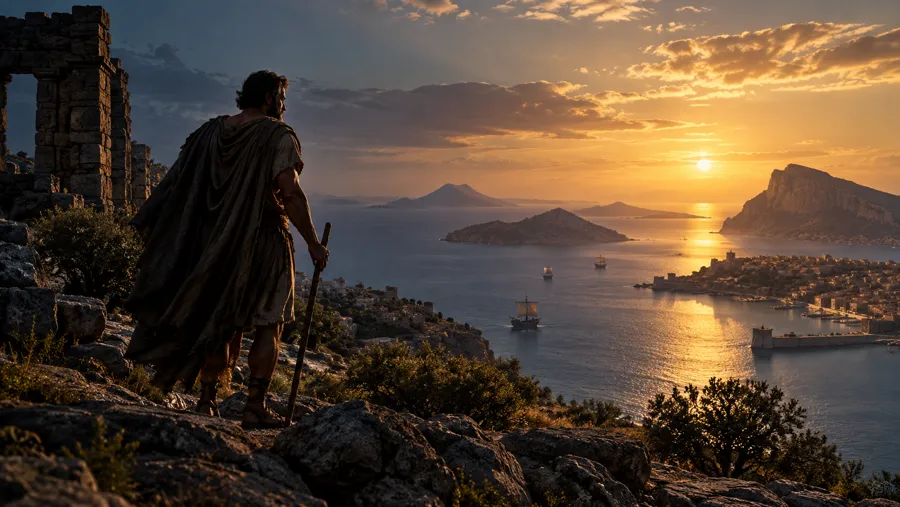
Start here. Odysseus takes ten years to get home from Troy, past the Cyclops, Circe and the Sirens, while suitors eat his house bare. It has a cunning hero, a faithful wife and a revenge ending, and it reads like an adventure story.
- $28.99
The Iliad
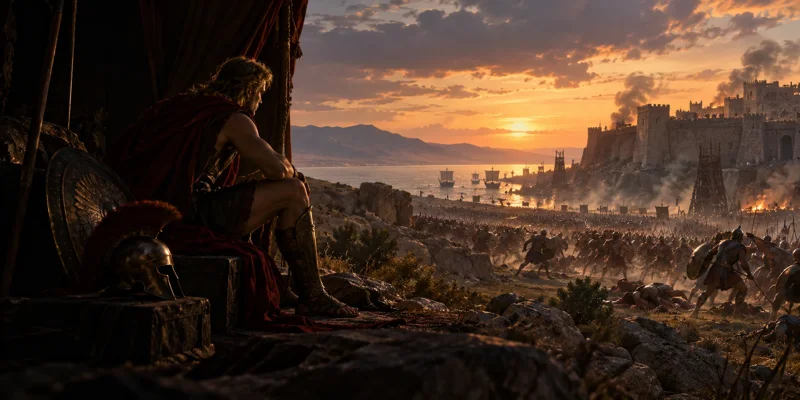
Then the war. Not the whole siege, but a few weeks of its tenth year, from Achilles’ quarrel with Agamemnon to the funeral of Hector. There is no wooden horse; there is grief, rage and some of the most humane scenes in literature.
- $20.99
The Aeneid
Virgil’s Roman answer to Homer. Six books of wandering, including Dido’s tragic love and a visit to the underworld, then six of war in Italy. Unfinished when Virgil died in 19 BC.
- $12.99
Beowulf
J. Lesslie Hall’s translation of the Old English poem of Grendel, Grendel’s mother and the dragon. The shortest of the six and the most northern in mood, all mead-halls, treasure and doom.
- $26.99
The Divine Comedy
Dante’s journey down through Hell, up the mountain of Purgatory and into Paradise. Read Inferno first if you read nothing else, but the climb is worth it.
- $16.99
Paradise Lost
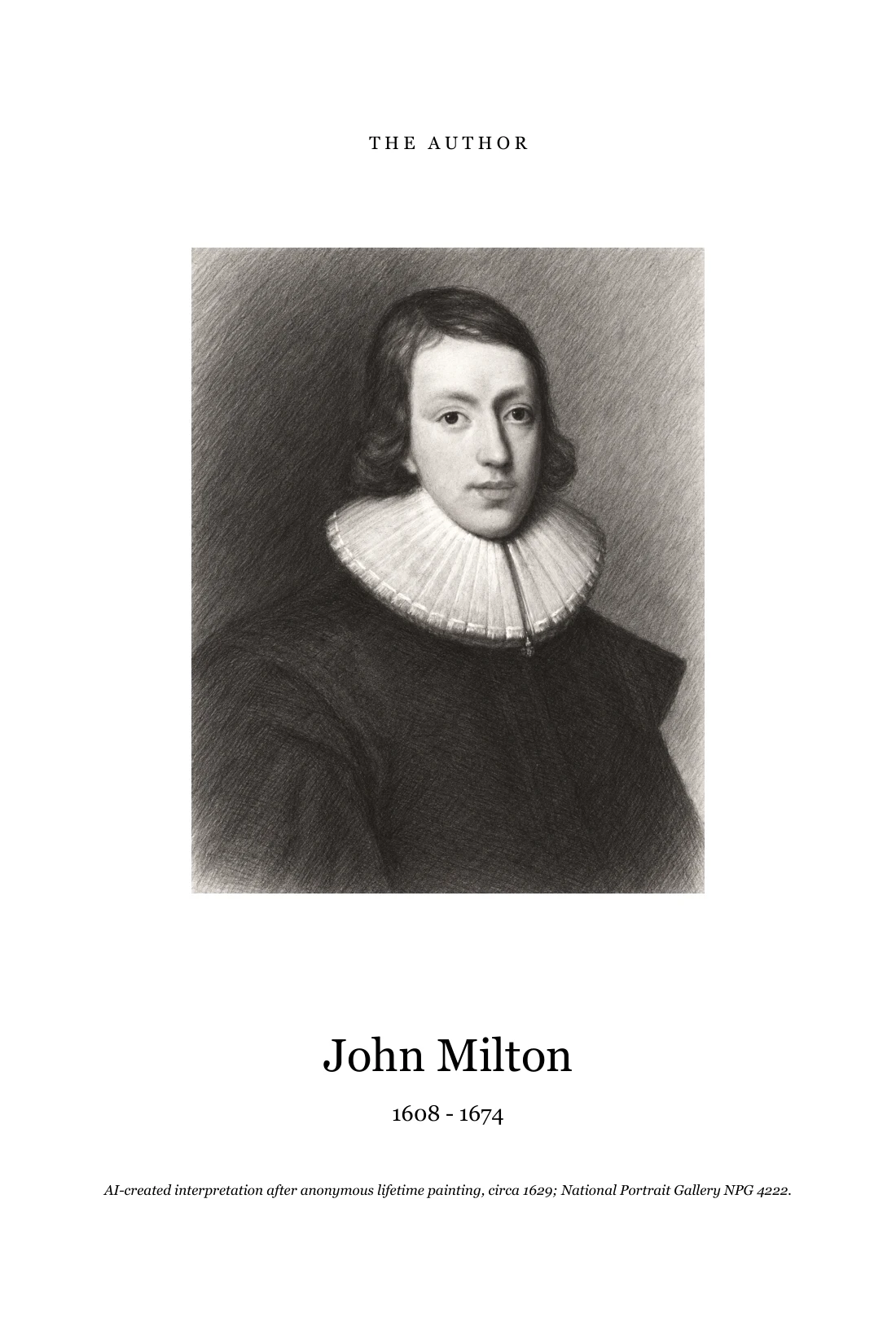
Milton’s account of the rebellion of Satan and the fall of Adam and Eve. Its Satan is so magnetic that readers have argued for centuries about whose side the poem is on.


Which epic poem should you read first?
The Odyssey. It has the most varied story, a clever hero rather than a terrifying one, and a structure that moves between adventure at sea and suspense at home. Once you know Odysseus, the Iliad feels like a prequel, and the Aeneid like a Roman sequel told from the losing side. The question of which Homer to read first has its own post: The Iliad or The Odyssey: which should you read first?
To start in English instead, begin with Beowulf. It can be read in an evening or two, and its world of feasting halls and monsters leads naturally on to the King Arthur stories, which we cover in King Arthur books: the best Arthurian legends.
Are epic poems hard to read?
Less than you might fear, given the right translation and the right pace. Homer and Virgil were composed to be heard, in long, rolling lines with repeated phrases, such as the dawn that is always “rosy-fingered”, that help a listener keep track. A good prose or plain-verse translation keeps that momentum. Read a book at a time, as you might watch an episode of a series, and you will be surprised how quickly the pages go.
Dante and Milton ask more, because they are dense with theology, politics and allusion. With Dante, a translation with notes is a real help, and it helps to understand why the poem is a “comedy” at all; see Why is Dante’s Divine Comedy called a comedy?. With Milton, read aloud: his blank verse makes sense in the ear long before it does on the page. He dictated it after going blind; see Did you know Milton dictated Paradise Lost after he went blind?.
What do the great epics have in common?
Each is about the founding or the losing of a world. Troy falls; Rome is founded; a Danish king’s hall is saved and then a Geatish king dies; Dante finds his way back from spiritual ruin; Adam and Eve lose Paradise. They borrow from one another, too. Virgil reshapes Homer, Dante takes Virgil as his guide through Hell, and Milton writes consciously in the line of Homer, Virgil and Dante. Read them in order and you hear a conversation running for more than two thousand years.
For how to approach the first and greatest of them, see How to read The Odyssey for the first time and Did you know Virgil asked for The Aeneid to be burned?. Start with a man who is trying to get home. The Odyssey spends its first four books with his son and his house full of strangers, and Odysseus himself does not appear until the fifth.
Questions readers ask
What are the greatest epic poems?
The six most often named are Homer’s Iliad and Odyssey, Virgil’s Aeneid, the Old English Beowulf, Dante’s Divine Comedy and Milton’s Paradise Lost.
What are the best epic poems to read first?
The Odyssey is the most approachable: a fast-moving adventure with a clever hero. Follow it with the Iliad and the Aeneid. If you want something short, start with Beowulf.
What is the longest of the great epics?
Of these six, the Iliad is the longest at about 15,700 lines in the original Greek, followed closely by Dante’s Divine Comedy at 14,233 lines. Beowulf is the shortest at 3,182 lines.
What makes a poem an epic?
A long narrative poem in an elevated style about heroic deeds and events that matter to a whole people or world, often beginning with an appeal to the Muse and plunging into the middle of the story.