The best philosophy books for beginners are not textbooks. They are the original works themselves, and a surprising number of them are short enough to read in an afternoon: a speech at a trial, a soldier-emperor’s private notebook, a pocket handbook for staying calm. They were written to change how people live, and they still do.
We have chosen eleven, arranged so you can build up gently. We start with a modern guide to what philosophy is, move through the ancient classics and the Stoics, and end with the political and moral thinkers who still shape public argument. Most are under two hundred pages.
Philosophy books for beginners: where to start
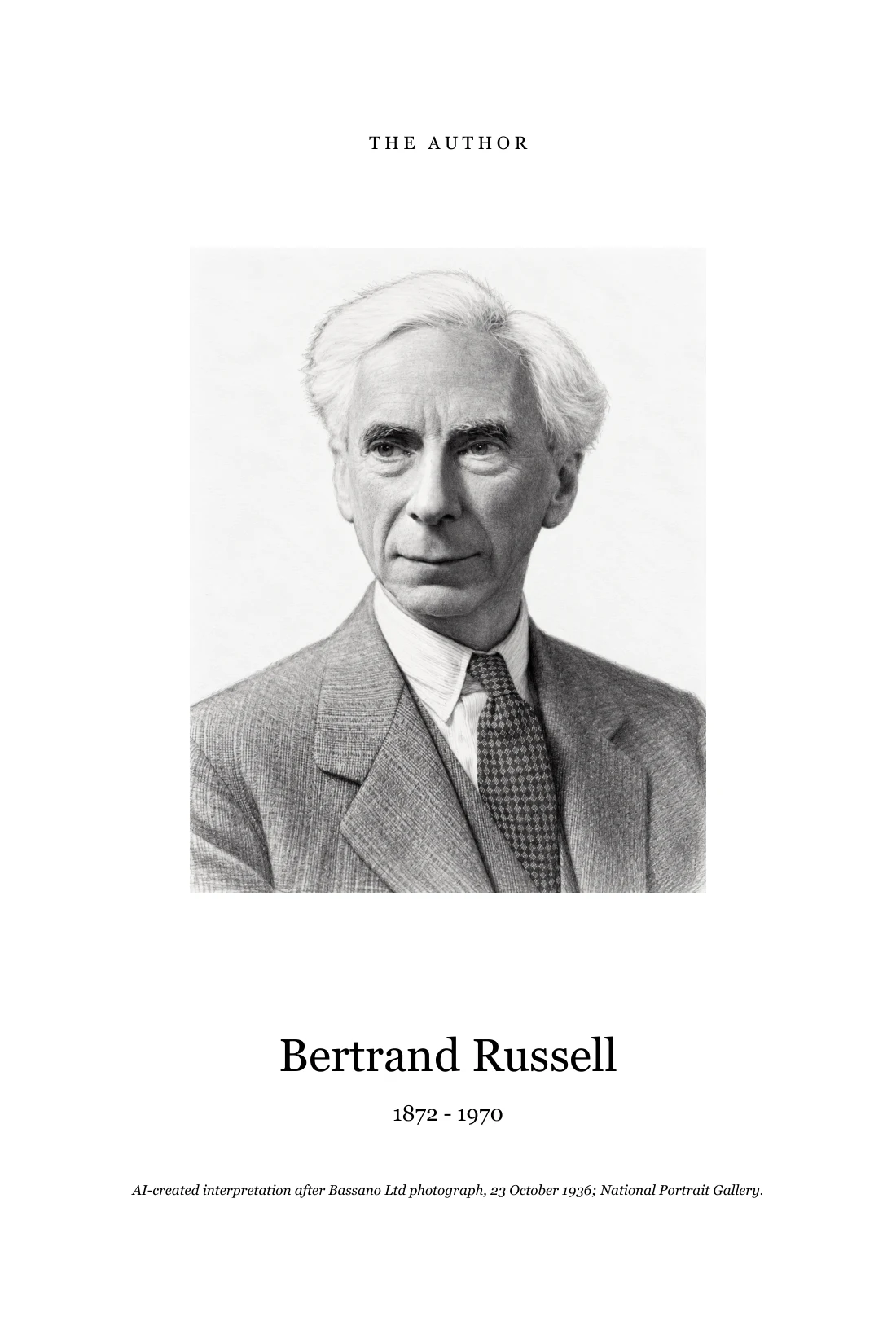
The Problems of Philosophy
1912. Bertrand Russell’s short, clear introduction to the big questions: what can we know, what is real, and why bother asking? The ideal first book.
Apology
Socrates’ defence speech at his trial in Athens in 399 BC, as told by his pupil Plato, who was in court. Short, gripping and the best way to meet the most famous philosopher of all.


In the Apology, Socrates tells the jury that he cannot stop questioning people, even to save his life, because — in the line usually translated as “the unexamined life is not worth living” — a life without examination is no life for a human being. It is as good a definition of philosophy as any.

Stoicism books for beginners
Stoicism, the ancient philosophy of focusing on what you can control, has found a large new readership in recent years. These three books are its foundation.
The Enchiridion
A pocket handbook of Stoic teaching, compiled by a student of Epictetus, a philosopher who was born a slave. It begins by dividing things into those within our power and those that are not.
Meditations
The private notebook of the Roman emperor Marcus Aurelius, written in Greek and full of reminders to himself to be patient, just and calm. Read a page a day.
The Consolation of Philosophy
Written around 524 by a Roman statesman awaiting execution. Philosophy herself appears to him in his cell and talks him back to hope.


Read more in Did you know Meditations was never meant to be published? Boethius’s prison book belongs to a remarkable tradition, which we explore in Books written in prison.
Power, politics and freedom
The Prince
Written around 1513 and published after Machiavelli’s death. A cool, practical guide to winning and keeping power that has shocked readers for five centuries.
On Liberty
1859. John Stuart Mill’s case for freedom of thought and speech, and his argument that society may only restrain us to prevent harm to others. Still quoted in every debate on free speech.
The Republic
Plato’s great dialogue on justice and the ideal city, including the allegory of the cave. Longer than the rest, so read it after the Apology.


Mill acknowledged a deep debt to his wife, Harriet Taylor Mill, and dedicated On Liberty to her memory. Machiavelli, meanwhile, wrote The Prince while in exile from political life in Florence, hoping it might win him favour with the Medici.

Challenging everything
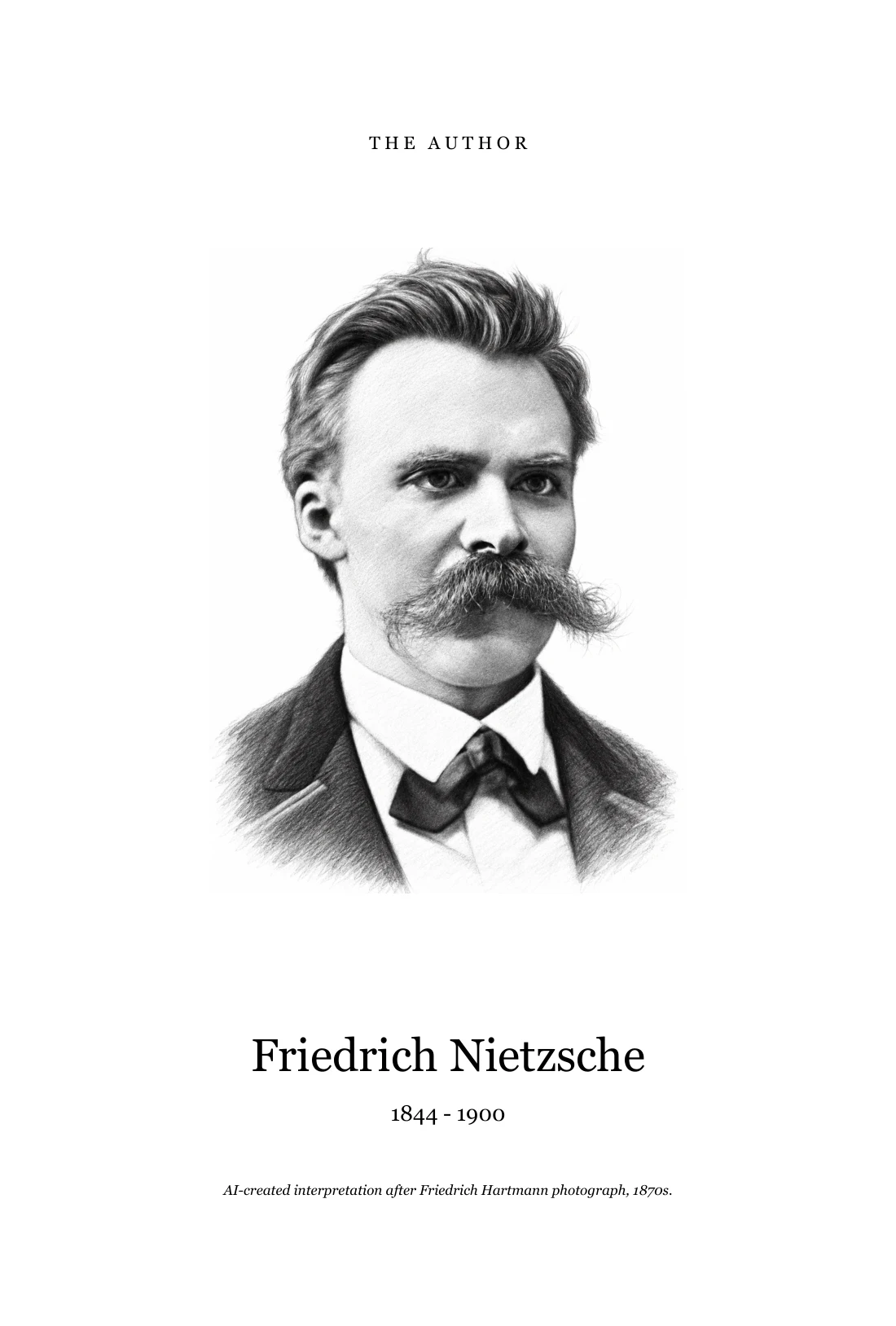
Beyond Good and Evil
1886. Friedrich Nietzsche attacks the assumptions of traditional morality in sharp, aphoristic bursts. Demanding, provocative and best read slowly, a few sections at a time.
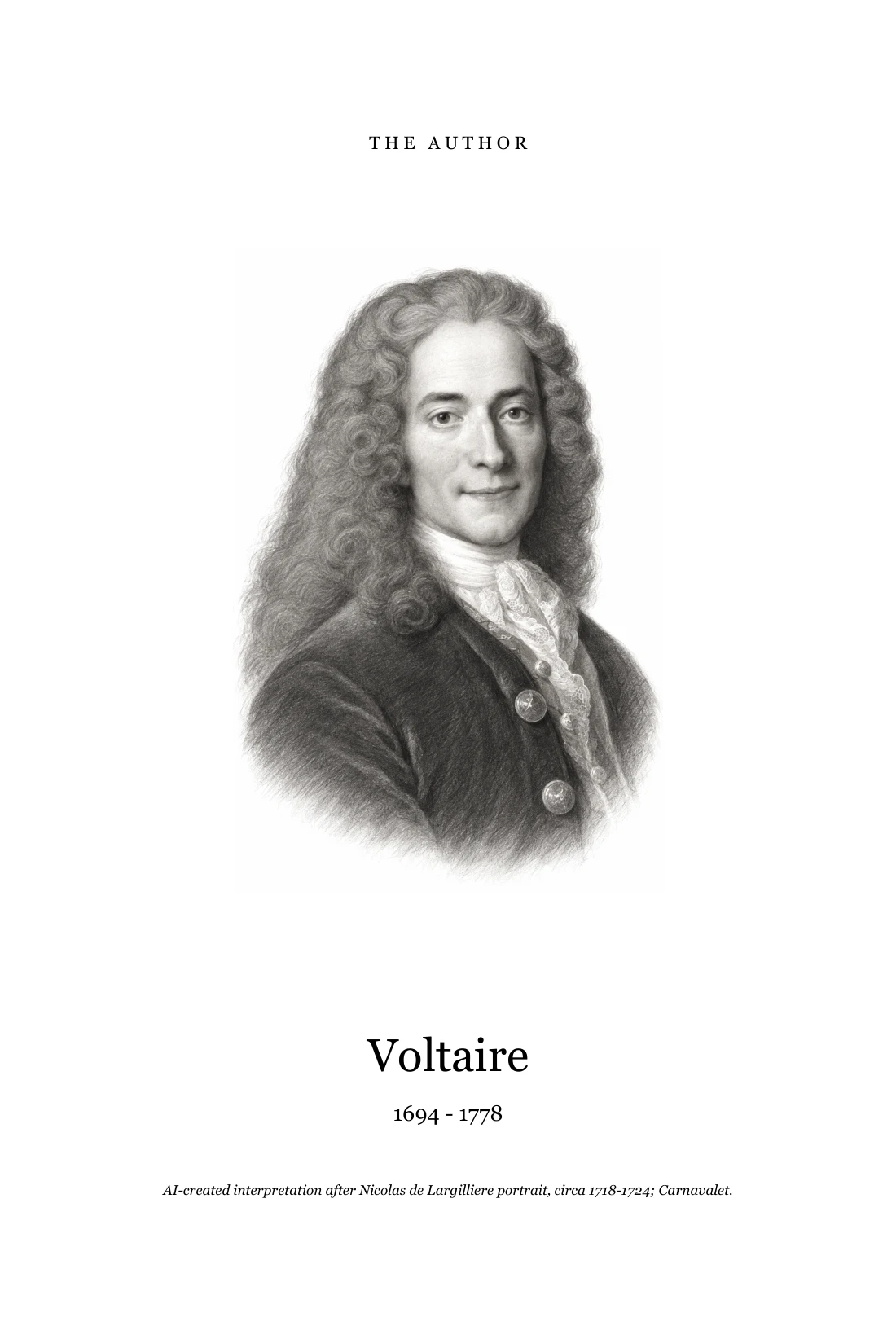
Candide
1759. Voltaire’s comic novel sends a young optimist through every disaster imaginable to test the claim that all is for the best. Philosophy as satire.
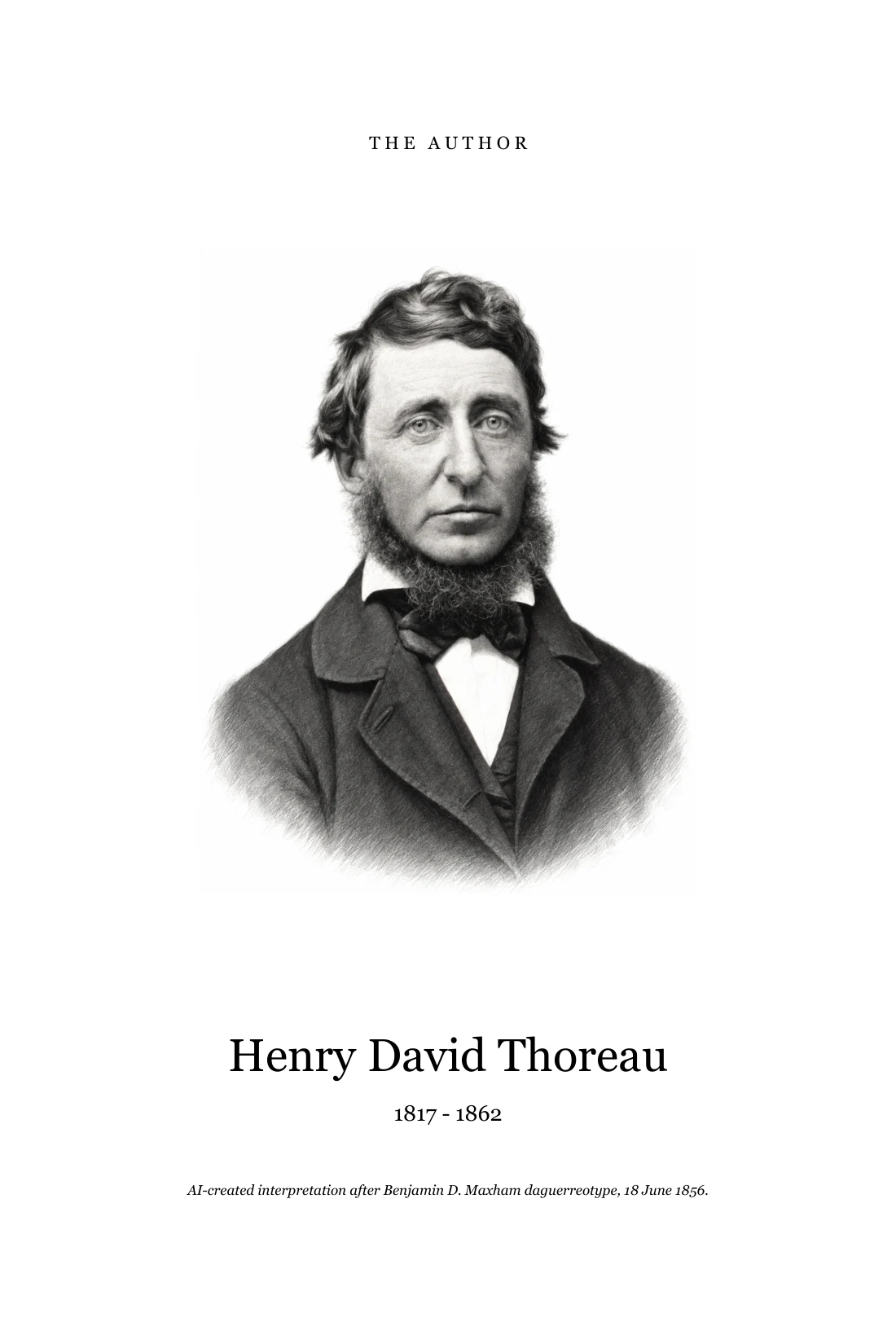
Walden
1854. Henry David Thoreau’s account of living simply in a cabin by Walden Pond, and his questions about what a good life really needs.


Which philosophy book should a beginner read first?
If you want a map of the subject, start with The Problems of Philosophy: Russell wrote it for general readers, and it is short and plain-spoken. If you want a person rather than a subject, read the Apology — you will finish it in an evening and remember Socrates for life. And if you want philosophy you can use tomorrow morning, take Meditations or the Enchiridion.
A few tips: read slowly, and argue back in the margins. Don’t worry about understanding everything on the first pass; philosophers have been arguing about these books for centuries. If a classic feels heavy, our guide How to get into classic literature has practical advice, and the 2027 classics reading challenge is a good way to keep going.
But start with Socrates, standing before five hundred of his fellow citizens, explaining calmly why he will not stop asking questions. It is the founding scene of Western philosophy, and it takes less than an hour to read.
Questions readers ask
What are the best philosophy books for beginners?
Of all philosophy books for beginners, Bertrand Russell’s The Problems of Philosophy is a clear, short introduction written for general readers. Plato’s Apology is the best first primary text.
What should I read first to learn about Stoicism?
Start with Epictetus’s Enchiridion, a short handbook, then move on to the Meditations of Marcus Aurelius. Both are brief and practical.
Is The Republic good for beginners?
It is readable, but long. Most beginners find it easier to start with Plato’s shorter Apology, which introduces Socrates, and come to The Republic afterwards.