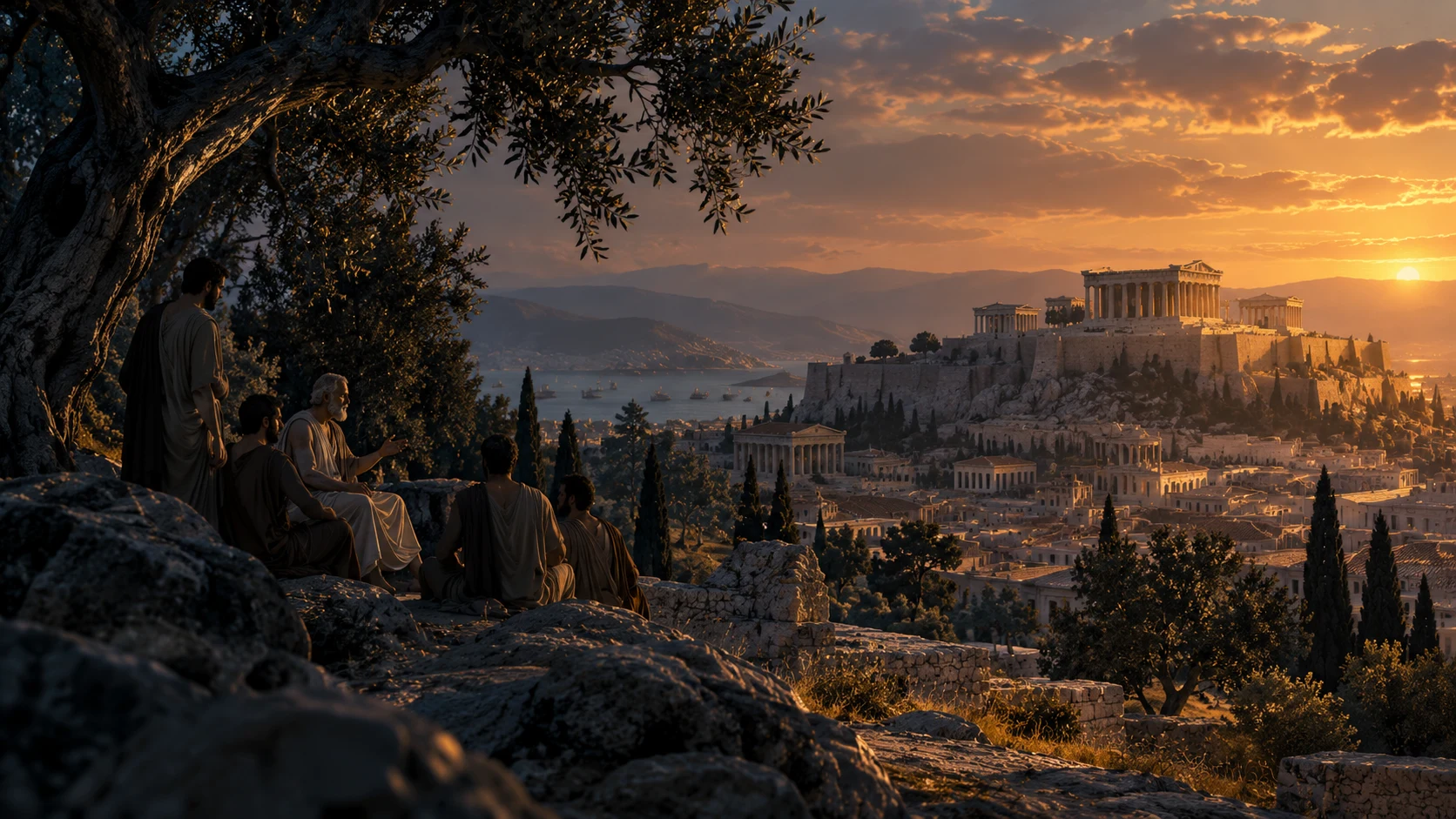
A rocky path beneath olive trees leads toward an ancient city on a hill.
PIPCUB CINEMATIC EDITIONS / PAPERBACK BOOKS

The Republic

Plato

Through a sustained philosophical conversation, Plato investigates justice, education and the ordering of a society.

$23.99

Printed for you. Shipping calculated at checkout.

Checkout opening soon. Shipping & delivery Returns
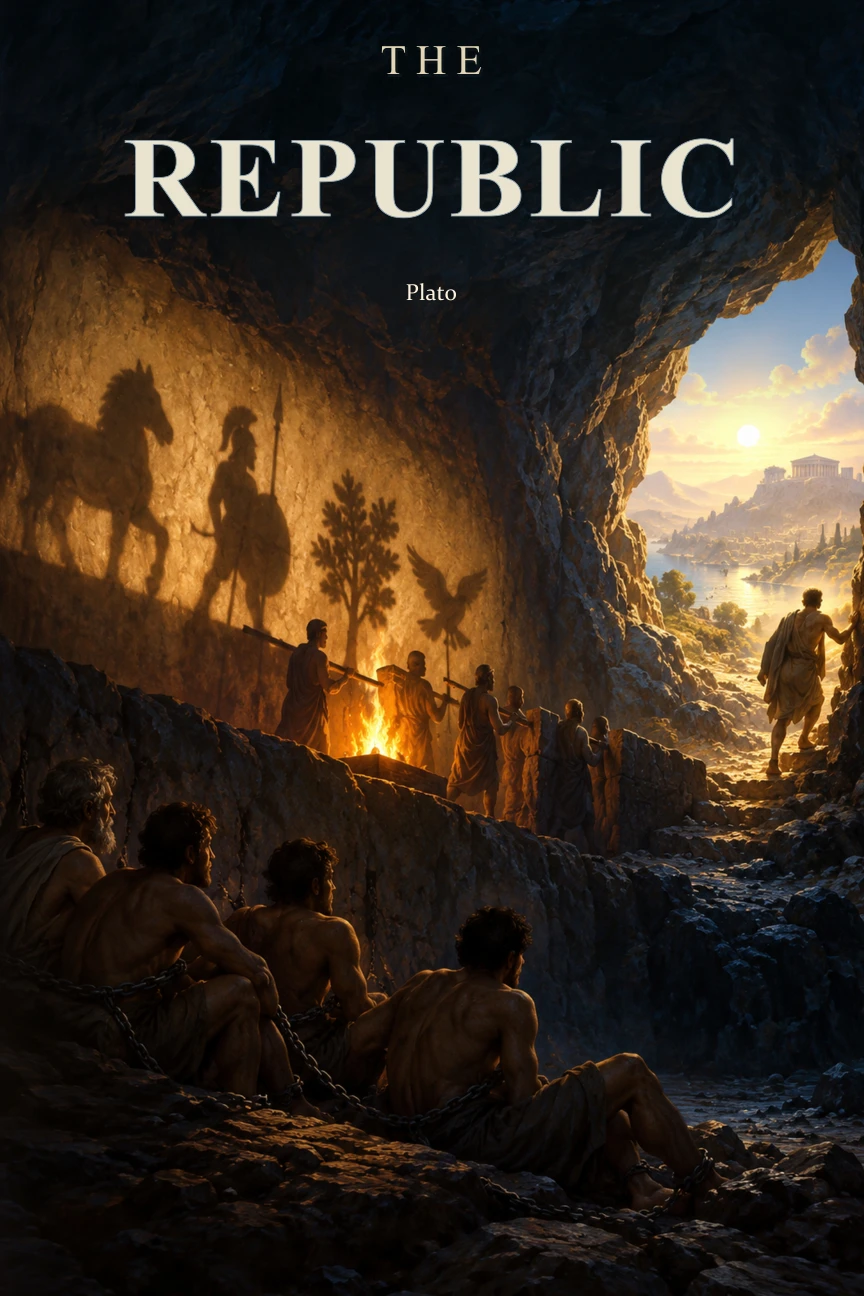
The Republic — actual Pipcub paperback cover
SCROLL INTO THE STORYAN IMAGINED WORLD · ORIGINAL AI ART
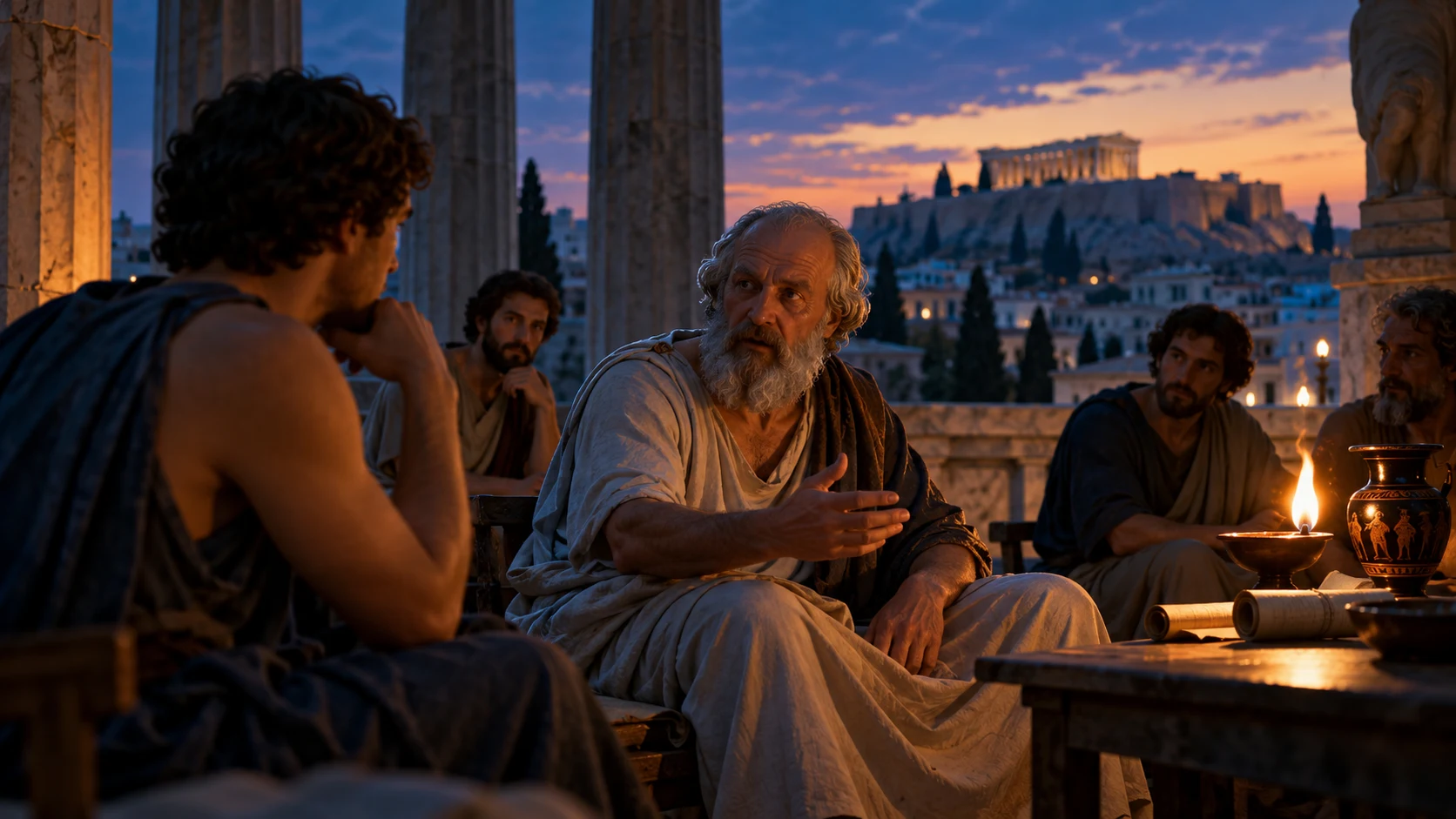
An older speaker gestures to his companions beneath an Athenian colonnade.

THE STORY

What would a just life—and a just city—look like?

Through a sustained philosophical conversation, Plato investigates justice, education and the ordering of a society.
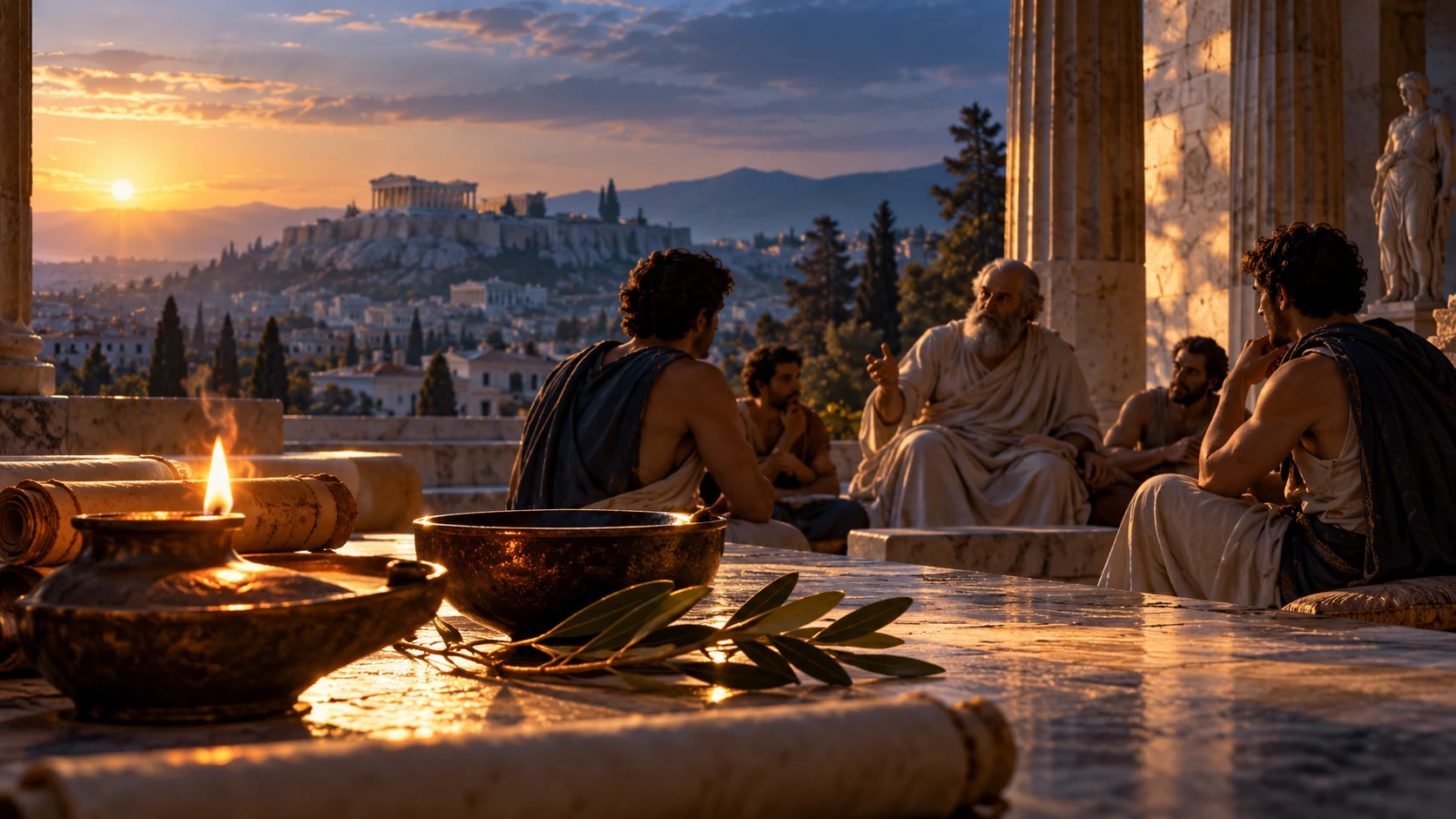
A small oil flame lights a table beside a group deep in conversation.

THE WORLD OF THE BOOK

The Republic

The inquiry moves between public institutions and the character of the individual, testing assumptions at every turn. The Republic asks how people come to know, what they should value and whether a well-lived life can be separated from the world around it.
The Republic front cover
Read the interior preview

LOOK INSIDE

Open a book.
Enter a world.

Preview six pages from this edition. Select a page to enlarge it, or use the arrows to keep reading.

Spread 1 of 3
The Republic · PDF page 6
Actual interior PDF page 6 of The Republic
Read accessible text

veiled in metaphysics; and the science which he imagines to ‘contemplate all truth and all existence’ is very unlike the doctrine of the syllogism which Aristotle claims to have discovered (Soph. Elenchi, 33. 18). Neither must we forget that the Republic is but the third part of a still larger design which was to have included an ideal history of Athens, as well as a political and physical philosophy. The fragment of the Critias has given birth to a world-famous fiction, second only in importance to the tale of Troy and the legend of Arthur; and is said as a fact to have inspired some of the early navigators of the sixteenth century. This mythical tale, of which the subject was a history of the wars of the Athenians against the Island of Atlantis, is supposed to be founded upon an unfinished poem of Solon, to which it would have stood in the same relation as the writings of the logographers to the poems of Homer. It would have told of a struggle for Liberty (cp. Tim. 25 C), intended to represent the conflict of Persia and Hellas. We may judge from the noble commencement of the Timaeus, from the fragment of the Critias itself, and from the third book of the Laws, in what manner Plato would have treated this high argument. We can only guess why the great design was abandoned; perhaps because Plato became sensible of some incongruity in a fictitious history, or because he had lost his interest in it, or because advancing years forbade the completion of it; and we may please ourselves with the fancy that had this imaginary narrative ever been finished, we should have found Plato himself sympathising with the struggle for Hellenic independence (cp. Laws, iii. 698 ff.), singing a hymn of triumph over Marathon and Salamis, perhaps making the reflection of Herodotus (v. 78) where he contemplates the growth of the Athenian empire—‘How brave a thing is freedom of speech, which has made the Athenians so far exceed every other state of Hellas in greatness!’ or, more probably, attributing the victory to the ancient good order of Athens and to the favor of Apollo and Athene (cp. Introd. to Critias). Again, Plato may be regarded as the ‘captain’ (‘arhchegoz’) or leader of a goodly band of followers; for in the Republic is to be found the original of Cicero’s De Republica, of St. Augustine’s City of God, of the Utopia of Sir Thomas More, and of the numerous other imaginary States which are framed upon the same model. The extent to which Aristotle or the Aristotelian school were indebted to him in the Politics has been little recognised, and the recognition is the more necessary because it is not made by Aristotle himself. The two philosophers had 4

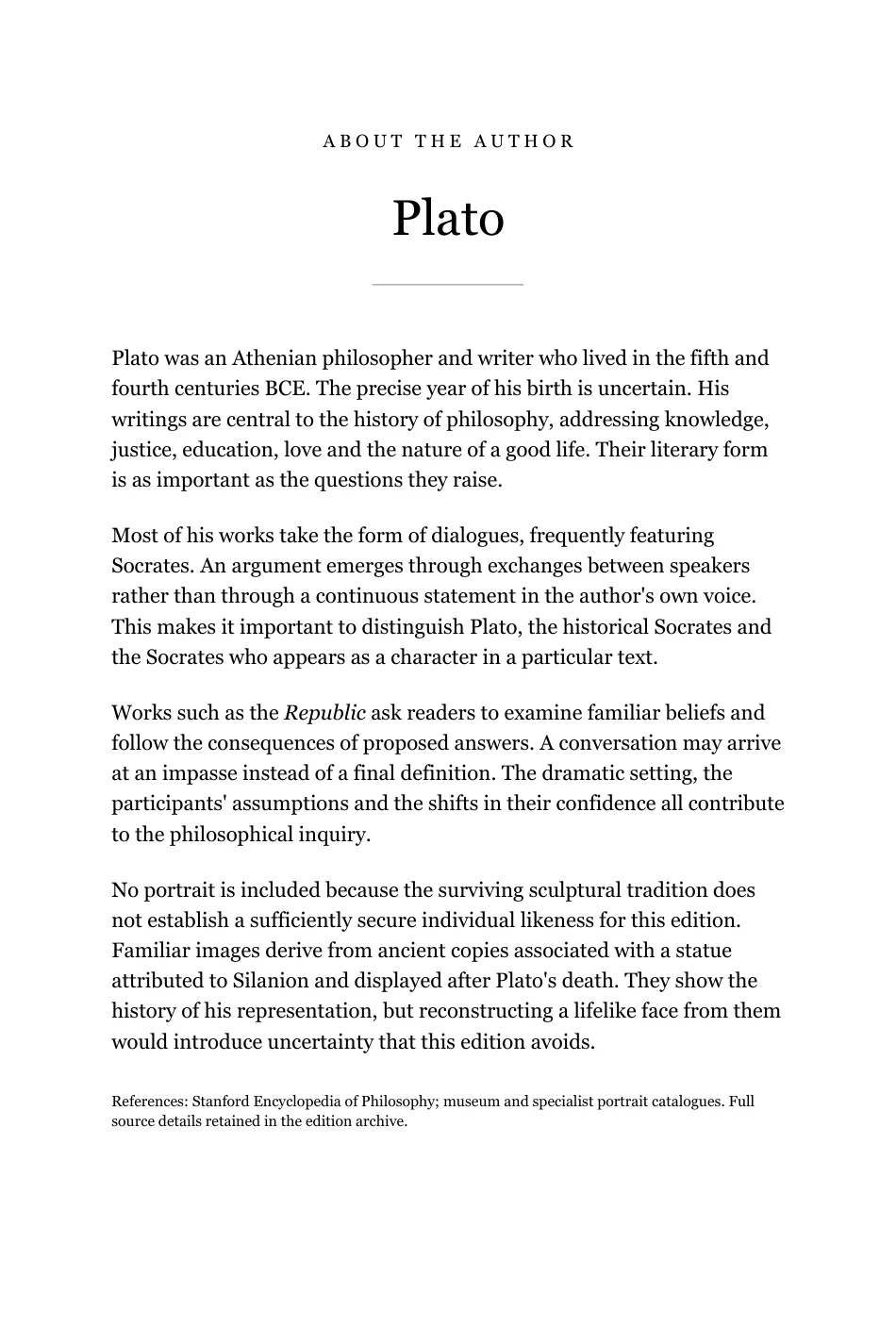
Author biography page from this edition · Plato

ABOUT THE AUTHOR

Plato

Plato was an Athenian philosopher and writer who lived in the fifth and fourth centuries BCE. The precise year of his birth is uncertain. His writings are central to the history of philosophy, addressing knowledge, justice, education, love and the nature of a good life. Their literary form is as important as the questions they raise.

More about the author ↗

Author biography page from this edition

FREE TO READ

Take it with you.

The Republic is in the public domain, so its words belong to everyone. Download our edition free. No account needed.

Read it in your browser ↗
Add it to your reading app
iPhone & iPad
Tap download, then open the file from Safari’s downloads, tap Share and choose Books. It stays in your Apple Books library.
Android
Tap download, open the file and choose Google Play Books. Or, in Play Books, go to Library, tap ⋮ and choose Upload files.
Kindle
Send the file to your Kindle library with Amazon’s Send to Kindle.
Kobo, Moon+ Reader and other apps
Open the downloaded file with the app, or use the app’s import option.

KEEP BROWSING

More from the library.

The Reef cover

The Reef

Edith Wharton

The Refugees A Tale of Two Continents cover

The Refugees A Tale of Two Continents

Arthur Conan Doyle

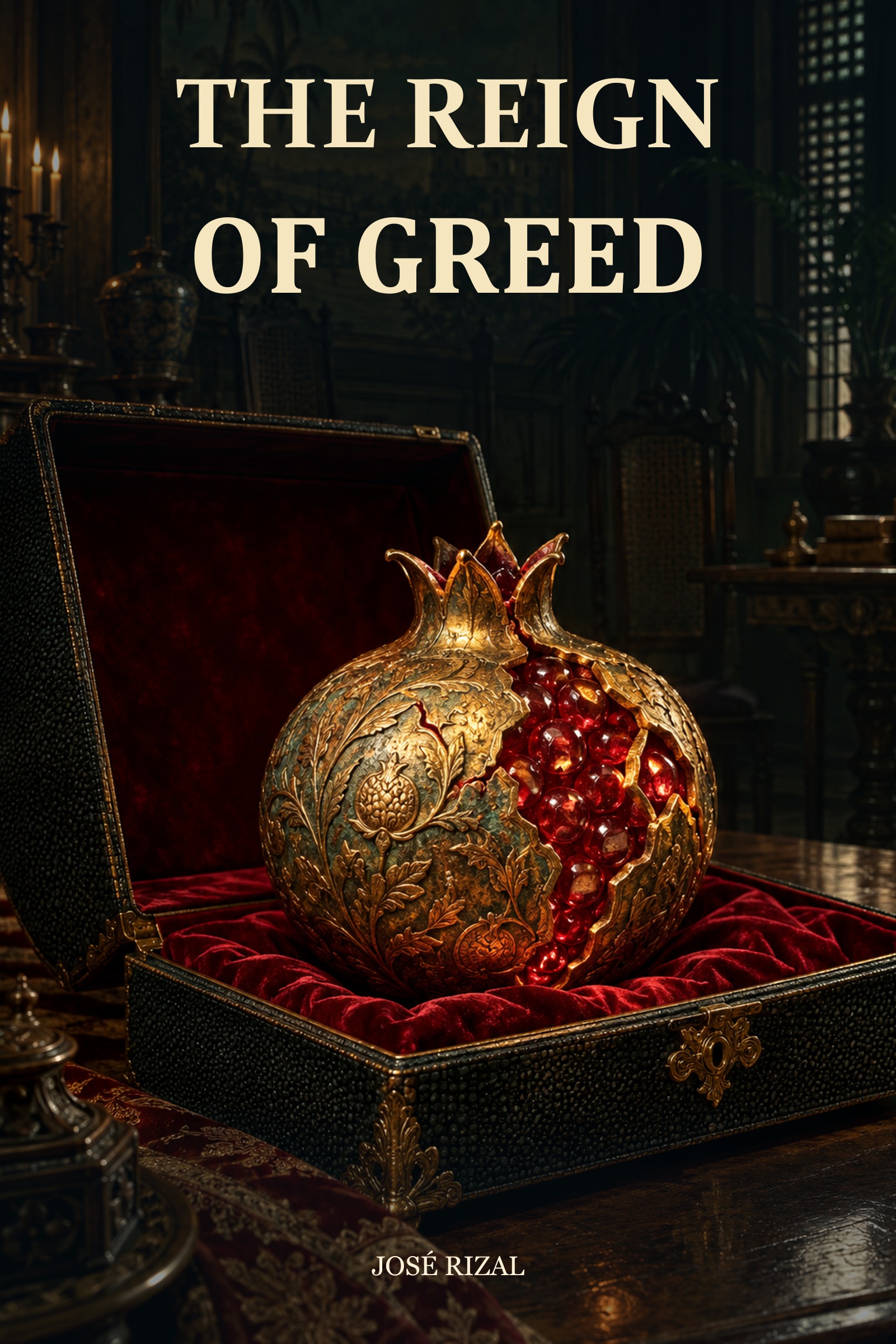
The Reign of Greed cover

The Reign of Greed

José Rizal

The Rescue cover

The Rescue

Joseph Conrad

The Return of Dr. Fu-Manchu cover

The Return of Dr. Fu-Manchu

Sax Rohmer

The Return of Sherlock Holmes cover

The Return of Sherlock Holmes

Arthur Conan Doyle

Browse the complete library ↗
YOUR NEXT CHAPTER

Your book bag 0

A little escape. A story to keep.

Loading your book bag…